Skip to Content Facebook Feature Image

Iran moves to regulate Hormuz transit as US warns shippers of sanctions risk

China

China

China

Iran moves to regulate Hormuz transit as US warns shippers of sanctions risk

2026-05-03 15:29 Last Updated At:16:07

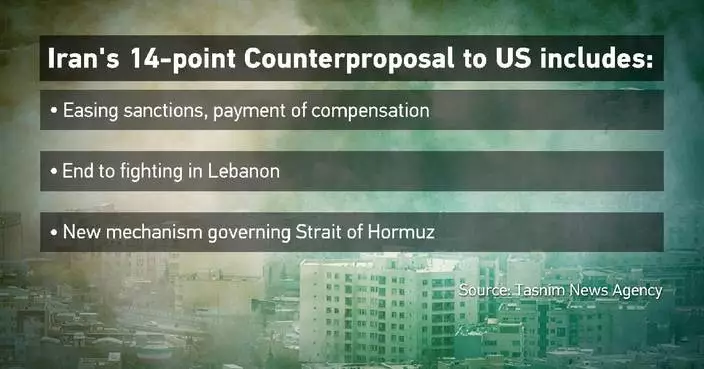
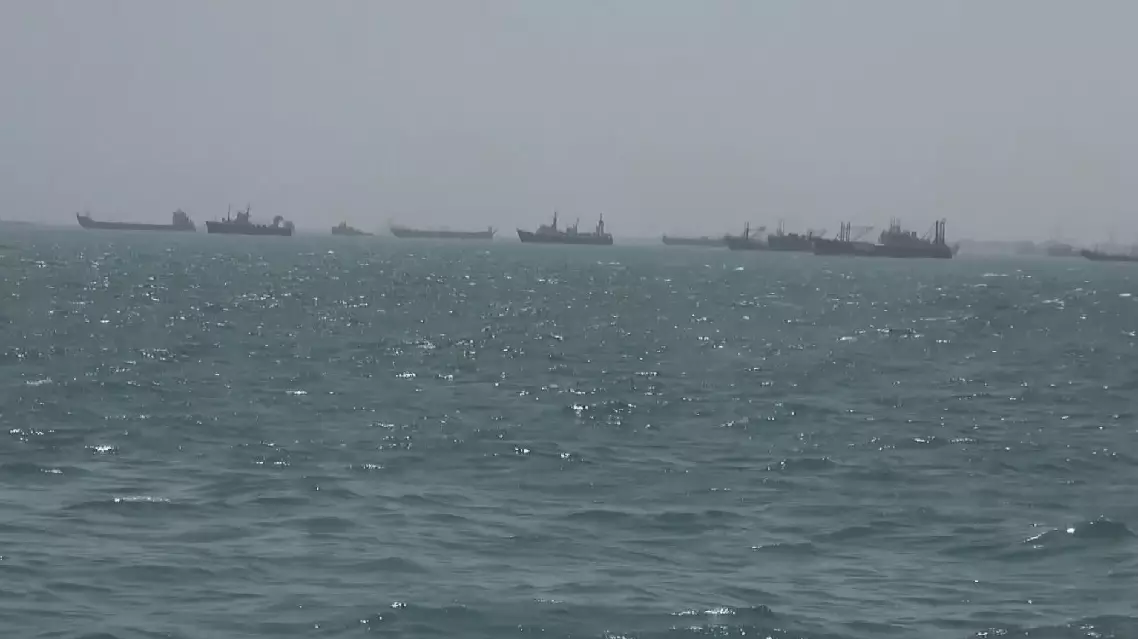
Deputy Speaker of the Iranian parliament Ali Nikzad said that Iran had prepared a plan to regulate navigation through the Strait of Hormuz, Iran's Press TV reported on Saturday.

The plan outlines 12 measures, including a permanent ban on Israeli vessels entering the strait. It also requires ships from hostile nations to pay war reparations, while all other vessels would need authorization from Iran to transit.

Although details of the remaining provisions are not disclosed, U.S. media suggested that the term "hostile nations" likely refers to the United States.

Iran has developed a comprehensive plan for managing the Strait of Hormuz, according to earlier reports from the country.

Apart from vessel restrictions, the plan stipulates that sovereignty over the strait will rest entirely with Iran.

The plan also says that ships and naval vessels navigating the area must obtain Iranian authorization, and vessels passing through will be required to pay fees related to security, environmental protection, shipping management and permit issuance, with payments prioritized in Iran's national currency, the rial.

On Friday, the U.S. Department of Treasury warned that shipping companies paying tolls to Iran for passage through the strategic waterway may face punitive sanctions.

The Office of Foreign Assets Control (OFAC) under the department said that U.S. individuals and entities are prohibited from paying Iran's transit fees for the strait, and non-U.S. individuals and companies making such payments also risk punitive sanctions.

The OFAC said that Iran's demands may include several payment options, including fiat currency, digital assets, offsets, informal swaps, or nominally charitable donations made to the Iranian Red Crescent Society.

It also said that it would impose new sanctions on three Iranian foreign exchange firms.

Meanwhile, the U.S. Department of Defense said that the naval blockade has cost Iran about 4.8 billion U.S. dollar in oil revenue, according to U.S. media reports.

A Pentagon statement on Friday said that the U.S. blockade is being carried out in full force and has achieved the expected results.

It added that the U.S. forces will continue to maintain unrelenting pressure in the region.
Iran moves to regulate Hormuz transit as US warns shippers of sanctions risk
Iran moves to regulate Hormuz transit as US warns shippers of sanctions risk

Iran moves to regulate Hormuz transit as US warns shippers of sanctions risk
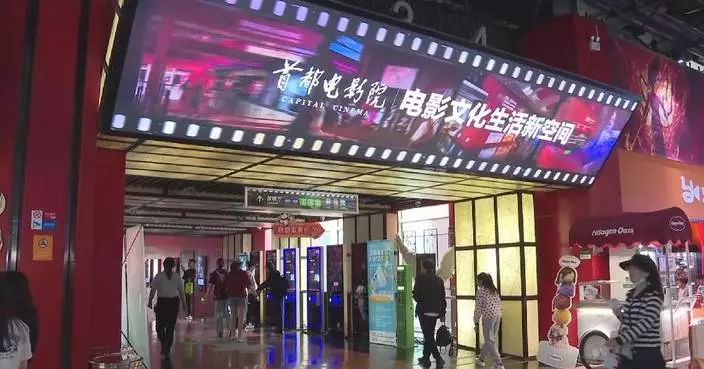
Iran moves to regulate Hormuz transit as US warns shippers of sanctions risk
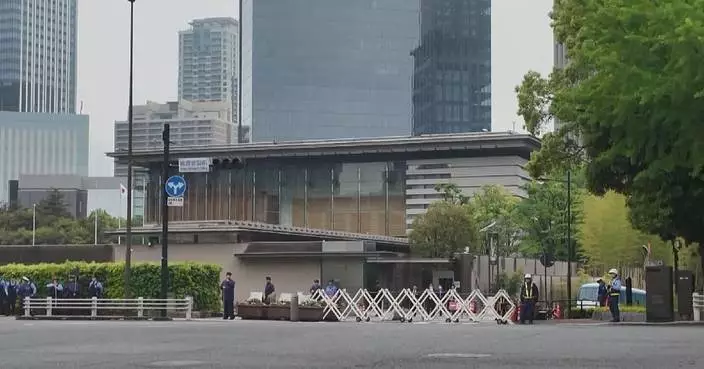
Many international tourists highlight the exceptional level of personal safety and social trust when visiting China as the country sees inbound tourism on the rise after expanding visa-free policies and upgrades tourism services.

Official figures show that of the 185 million cross-border trips handled by Chinese authorities from January to March this year, the number of crossings by foreign nationals rose over 22 percent from a year ago.

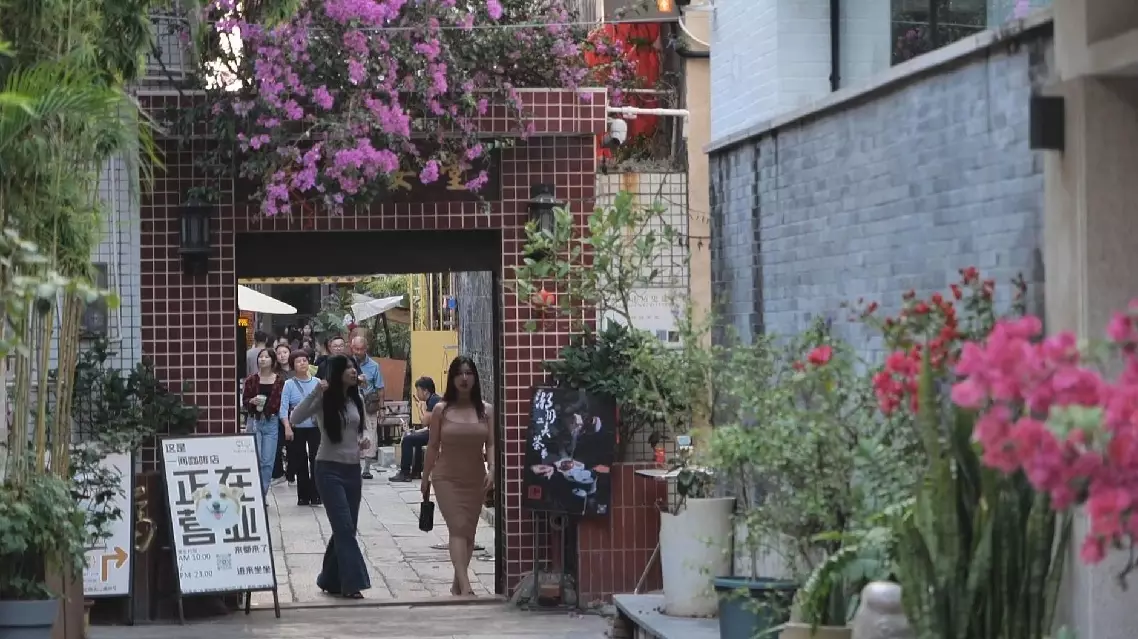
Some international travelers visiting south China's Guangdong said they feel safe because of the atmosphere.

"For me, the safety comes from the vibe and the atmosphere, and that is created by things like this, the people, the bars, the shops… all of that feeds into the vibe that makes you feel safe. If I'm in a hotel, I leave my phone on the table is like a place to say this is being used. You wouldn't dream of doing that in Europe. It just wouldn't happen," said Richard Burkhill, a teacher.

Others pointed to a level of social trust that is unimaginable back home.

"You can go to a cafe or a restaurant and leave your everything on the table and just go. If you come back, your stuff will always be there. In France, that's impossible," said Marc-Antoine Catard, a French student.

Some travelers attributed their sense of security to technological convenience and public services.

"Taxis are easy to book via Didi, really easily. It's not difficult at all," said Rauf Hanif, an IT consultant.

"So much to see, new people, new things, and innovation you bring into everyday life, so much," said Akhil Khanchandani, an entrepreneur.

"The power bank is easy to find. You never feel like you are in danger that you need to go home soon because you can always rely on something else," said Marc-Antoine Catard.

"It is really interesting. What I found is it is very, very clean, safe. The metro system is quite robust, actually, it is a steadfast facility," said Devesh Dhungana, a business owner.

"In France, you always have to be really self conscious. You really have to take care of your things, but here, it's like everyone takes care of you," said Marc-Antoine Catard.

Int'l visitors hail safety, social trust in China

Int'l visitors hail safety, social trust in China

Recommended Articles