The U.S. war with Iran is driving up food and fuel costs for ordinary Americans and crippling industries in Iran, straining livelihoods on both sides and threatening wider global fallout, said a U.S. expert in an interview.
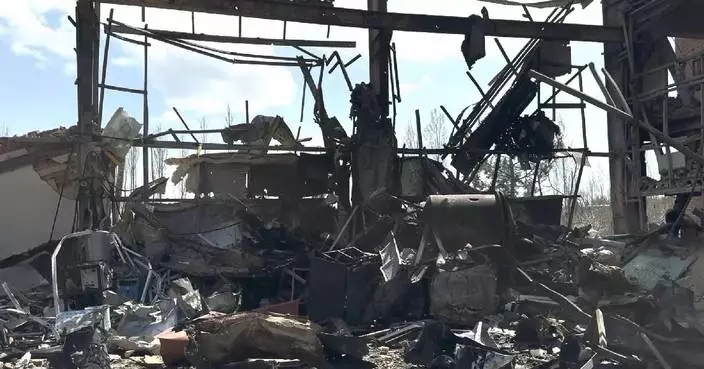
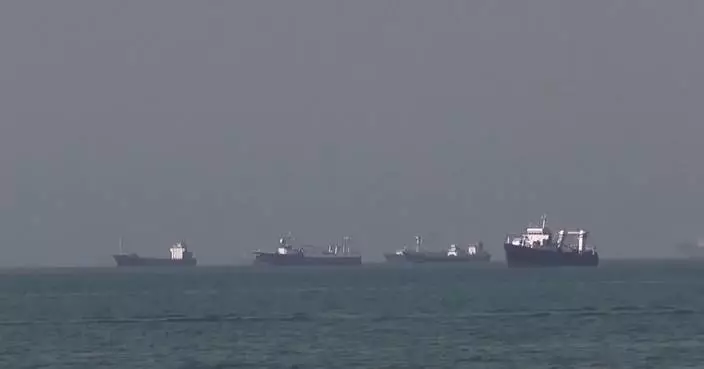
The conflict escalated in late February, when Israel and the United States carried out joint strikes on Tehran and other Iranian cities, prompting Iran to retaliate with waves of missile and drone attacks on Israel and U.S. interests across the region. Tehran also tightened its grip on the Strait of Hormuz, disrupting global oil flows, while Washington imposed a prolonged naval blockade as a lower-risk strategy to pressure Iran.
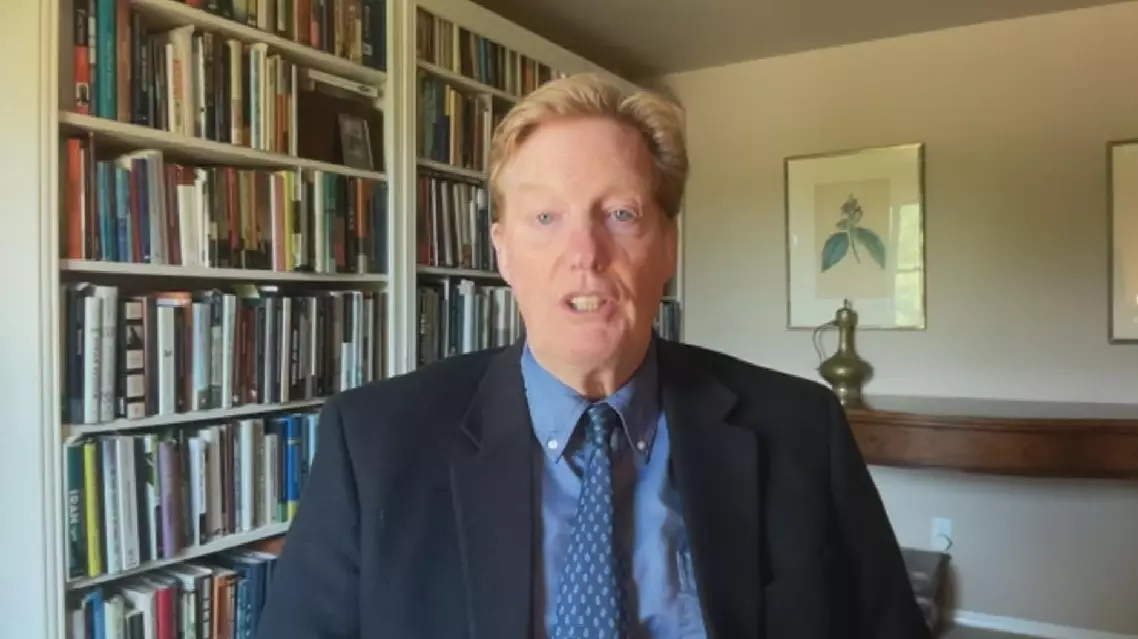
In an interview with China Global Television Network, Joshua Landis, director of the Center for Middle East Studies at the University of Oklahoma, shared his insights on the impact of the war on both sides. Landis said that President Donald Trump's obstinacy could drag the entire global economy into a greater crisis.
"The stock market is at an all-time high and America's growth has not stumbled, and that's largely due to artificial intelligence, and this real creativity of people investing like mad in this new industry. But at the same time, the average American who's not in the stock market, and that's over 50 percent of Americans, are hurting very badly. Groceries are much higher and of course gasoline at the pump is higher. But all this is going to have an increasing effect," he said.
"Iran is going to have a hard time. Iranian ministers have said that they've lost a million jobs because thousands of their industries were hit. So Iran is under tremendous economic pressure at home. With this embargo, they can't ship any oil out. So Iran is under tremendous pressure, but so is the international community, so is the world. The international community is telling Trump to fix this and to stop this war, but he seems determined that he can wait out Iran and that he will win," Landis said.
Amid mounting economic pressure and global calls to end the conflict, Iran has submitted a 14-point counterproposal to the United States calling for a permanent end to hostilities and a full withdrawal of U.S. forces from the region, reported Tasnim news agency on Saturday.
The plan, delivered through Pakistani intermediaries, responds to a nine-point U.S. proposal. While Washington’s plan calls for a two-month ceasefire, Tehran is pushing for a 30-day timeline to resolve key issues, insisting talks focus on "ending the war" rather than a temporary truce, Tasnim said.
Meanwhile, Trump wrote on social media on Saturday that he will review Iran’s proposal but "can’t imagine that it would be acceptable," adding Tehran "has not yet paid a big enough price." Earlier, before boarding a flight from Florida, Trump warned strikes on Iran could resume if Tehran "misbehaves."
US-Iran war hurts both sides, strains world economy: analyst