Government concludes fifteenth-day arrangements for Wang Fuk Court residents returning to their units
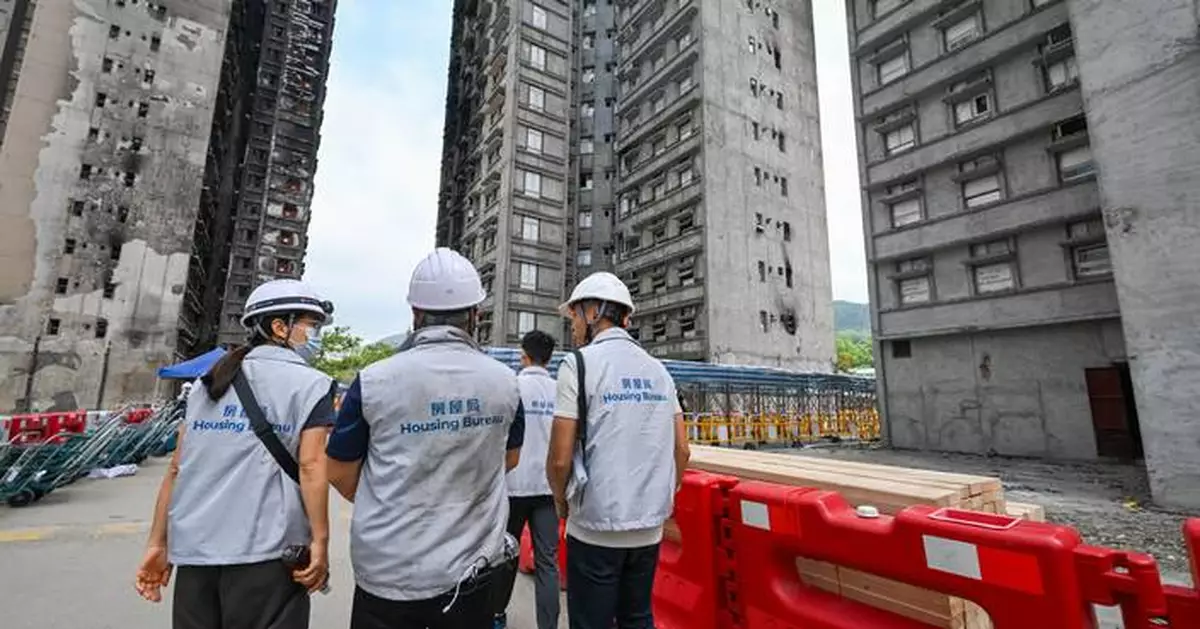
Today (May 4) is the fifteenth day of phased arrangements for residents of seven blocks of Wang Fuk Court in Tai Po to return to their units. Five high-zone floors of Wang Tai House and 11 high-zone floors of Wang Shing House were opened. The access arrangements were carried out in an orderly manner and operated smoothly.
A total of 140 households (487 people) registered to return to their units today through the "one social worker per household" service, while 140 households (526 people) actually turned up.
The average time residents spent entering and leaving the building today was two hours and 35 minutes, with the shortest time being 20 minutes and the longest four hours and nine minutes. About 63 per cent of the residents stayed in the building for less than three hours. About 24 per cent of the residents stayed in the building for less than two hours. About 3 per cent of the residents stayed in the building for less than one hour.
A total of 63 households (131 people) went up and down the building more than once. Among them, 36 households (87 people) made one additional trip, 22 households (37 people) made two additional trips, and 5 households (7 people) made three additional trips.
The integrated enquiry counter set up by relevant departments today received thirteen cases requesting police assistance and one case involving resident seeking help due to physical discomfort.
The 13 cases requesting police assistance involved suspected loss of property, including watch, jewellery, cash and gold items. Officers were immediately deployed to assist in searches, and lost property was recovered in one case. In three cases, the units concerned were severely damaged and residents believed after investigation that the property might have been destroyed by fire. In another five cases, there were no signs of ransacking in the units, and the residents could not provide details on the property concerned. For the remaining four cases, the Police will make further investigation.
The Government spares no effort in supporting the residents returning to their units. Each day, the Government deploys over 1 000 personnel from various departments, including the Police, the Civil Aid Service, the Fire Services Department, the Auxiliary Medical Service, the Home Affairs Department, the Social Welfare Department (SWD), the Housing Bureau, and the Housing Department, as well as District Services and Community Care Teams members. The "Government-wide Mobilisation" mechanism has also been activated to bring together greater interdepartmental resources to support residents.
Under the "Government-wide Mobilisation" mechanism, the Civil Service Bureau has co-ordinated nine government departments to mobilise civil servants to form the Government Quick Response Unit to support these access arrangements. These civil servants come from the Agriculture, Fisheries and Conservation Department (AFCD), the Architectural Services Department (ArchSD), the Electrical and Mechanical Services Department (EMSD), the Environmental Protection Department (EPD), the Food and Environmental Hygiene Department (FEHD), the Lands Department (LandsD), the Leisure and Cultural Services Department (LCSD), the Post Office, and the Water Supplies Department (WSD). They will form dedicated teams with social workers and clinical psychologists from the SWD, stationed on different floors to provide support to residents returning to their units. The civil servants mobilised in the first three days were from the AFCD, those mobilised from the fourth day to the sixth day are from the EMSD and the LCSD, those mobilised from the seventh day to the ninth day are from the LandsD and the WSD, those mobilised from the tenth day to the twelfth day are from the Post Office and the ArchSD, while those mobilised from the thirteenth day to the fifteenth day (including today) are from the FEHD and the EPD.
Government concludes fifteenth-day arrangements for Wang Fuk Court residents returning to their units Source: HKSAR Government Press Releases
Government concludes fifteenth-day arrangements for Wang Fuk Court residents returning to their units Source: HKSAR Government Press Releases
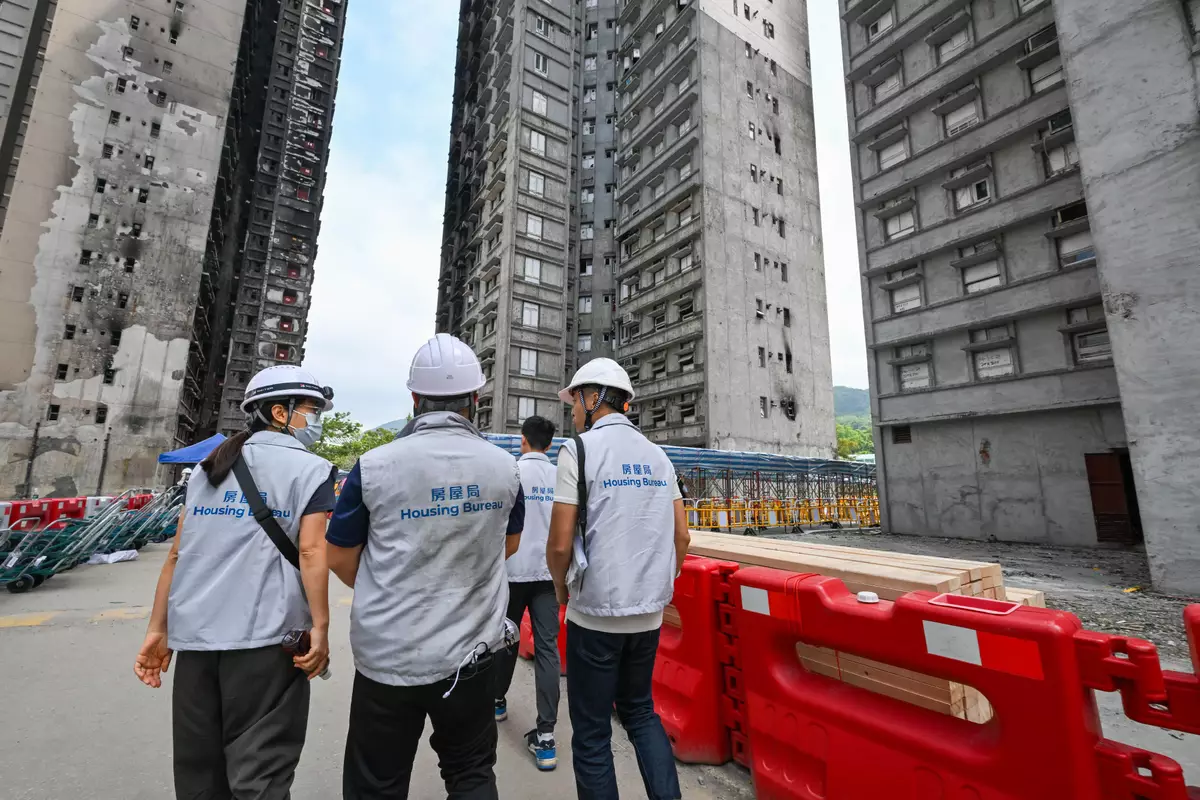
Government concludes fifteenth-day arrangements for Wang Fuk Court residents returning to their units Source: HKSAR Government Press Releases
Arrangements concluded for residents of seven blocks of Wang Fuk Court in Tai Po to return to their units in batches
The 15 days of arrangements for residents of seven blocks of Wang Fuk Court in Tai Po to return to their units in batches concluded today (May 4). Among the 1 736 households of the seven blocks, a total of 1 674 households (6 265 persons) have returned to their units. The process was generally smooth and completed in an orderly manner.
The Deputy Chief Secretary for Administration, Mr Cheuk Wing-hing, said, "We are very grateful for the understanding and co-operation of the residents. The vast majority of the residents returned to their units within the 15-day period, while only fewer than 10 households required other arrangements. About 50 households decided not to return to their units.
"There were safety hazards at different parts in the seven blocks after the fire. Arranging safe and orderly access for over 1 670 households was highly challenging. To ensure the safety of residents and working staff, meticulous planning was required, including removing unsafe scaffolding, strengthening building structures, installing window safety nets on damaged windows, clearing piles of rubble and debris from common areas, accompanying residents up to the units, providing emotional support, managing crowds, and deploying a large number of interdepartmental supporting staff."
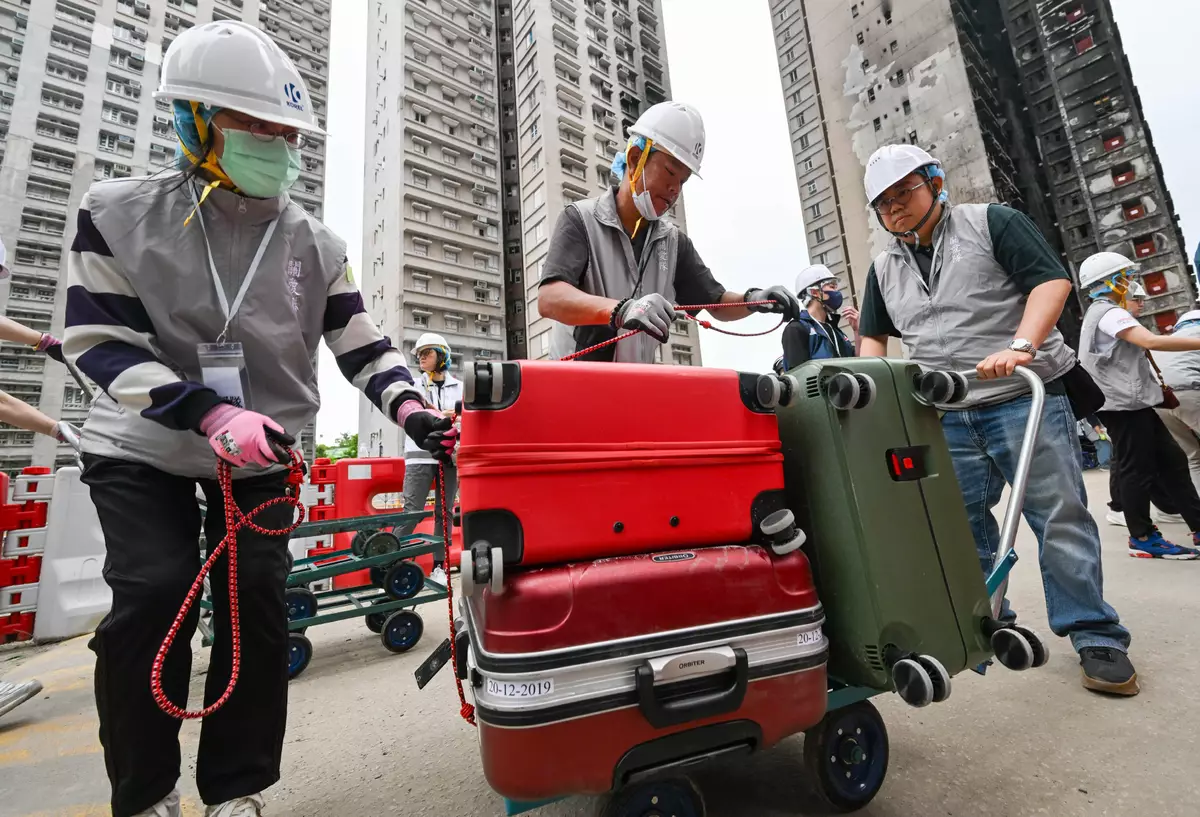
Mr Cheuk expressed heartfelt appreciation to all staff involved in the arrangements. The staff worked together as one team, displaying commitment and empathy in supporting residents and attentively escorting residents and assisting in transporting their belongings on their way down. Their dedication helped ensure that the arrangements proceeded smoothly.
The Government spared no effort in supporting the residents returning to their units. Each day, the Government deployed over 1 000 personnel from various departments, including the Police, the Civil Aid Service (CAS), the Fire Services Department (FSD), the Auxiliary Medical Service (AMS), the Home Affairs Department (HAD), the Social Welfare Department (SWD), the Housing Bureau, and the Housing Department, as well as District Services and Community Care Teams volunteers (Care Team). The Civil Service Bureau (CSB) also activated the "Government-wide Mobilisation" mechanism to bring together greater interdepartmental deployment to support residents.
The Police were fully engaged in the cross-departmental operation from start to finish. Their roles included traffic management in the vicinity of Wang Fuk Court, crowd management at the registration centre, accompanying residents to and from their buildings and in and out of their units, deploying officers to stand guard at the main lobby of the building and on the floors reopened, handling requests from residents for police assistance,helping residents sift through the rubble and ashes to recover their property, assisting in the opening of safes found in the flats, forming quick response teams to attend to residents who might have felt unwell during their return, and helping residents move their belongings.
CAS personnel accompanied and protected the residents when they went upstairs to collect their belongings from beginning to end. CAS tasks included looking after the residents during their time in the buildings as well as assisting them as they went in and out of their units, assisting the elderly and persons with disabilities up and down the stairs, calming their emotions and helping the residents move big and small packages.
Fire and ambulance personnel from the FSD were stationed at the highest reopened floors, providing emergency and medical services. If needed, they transported injured persons from upstairs to the ground level where they would be taken to hospital by ambulance. The AMS set up a first aid station on-site to provide first aid and medical services to residents.
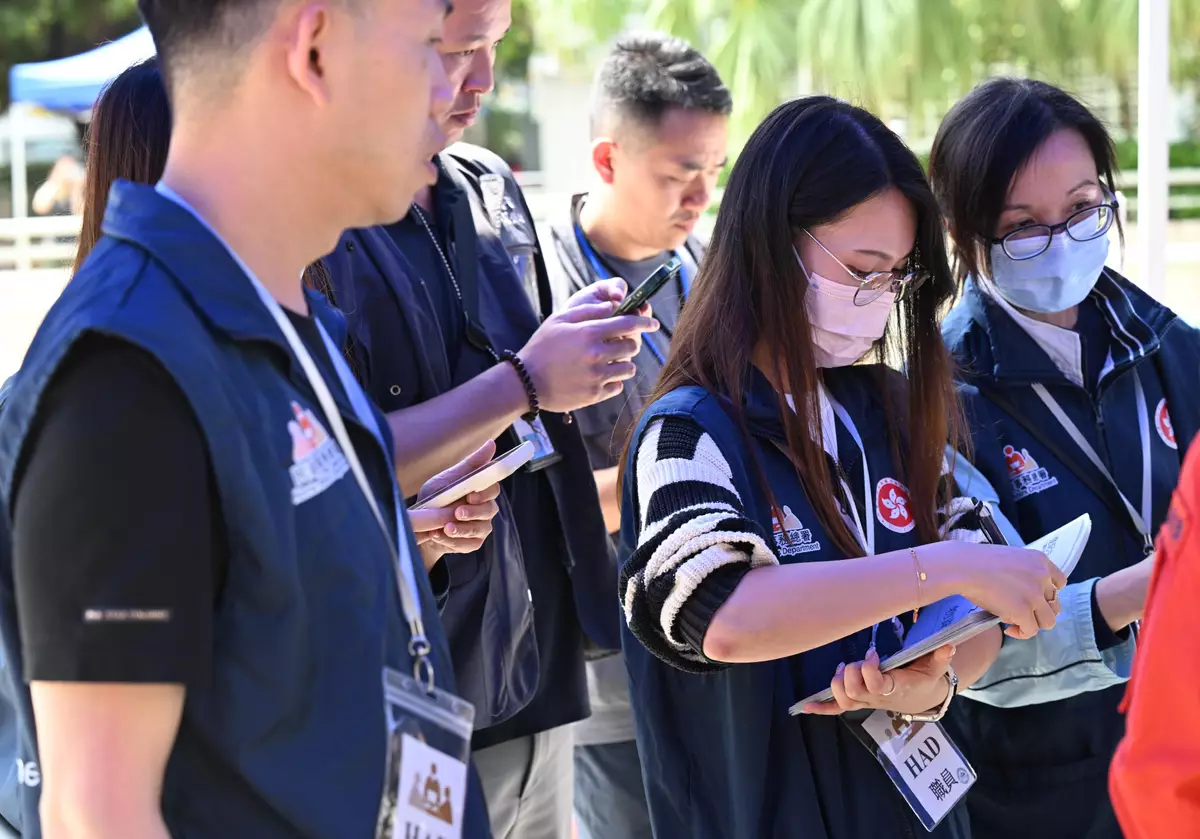
HAD was responsible for registration of residents at the registration centre at the Kwong Fuk Community Hall. The HAD’s duties included verifying identities, preparing identification badges, and matching staff to support the residents to return to their units, etc. HAD, together with the Care Teams from 18 districts, also distributed protective and lighting equipment (including helmets with hair nets, scratch-resistant gloves, and masks) and hygienic and personal items to residents, disinfected and cleaned helmets and flashlights for reuse, helped take care of accompanying persons in the waiting area, and provided trolleys and helped residents carry their belongings to the waiting area, boarding areas and other destinations.
Personnel of the "one social worker per household" scheme of the SWD notified households of their arranged dates and time slots, assisted with preregistration of persons returning to the units, and provided relevant guidance notes to residents. Video clips and leaflets produced by the SWD's clinical psychologists were disseminated and explained to residents to better prepare them psychologically by personnel of the "one social worker per household" scheme. The SWD deployed over 1 700 social workers under the "one social worker per household" scheme to support each household during this operation. Additionally, social workers and clinical psychologists formed specialised teams on reopened floors to provide assistance and accompanied residents with special needs (including family members of the deceased) in returning to their units. Upon completion of this retrieval arrangement, social workers under the "one social worker per household" scheme will continue to follow up on residents’ situations, and clinical psychologists of the SWD will also provide counselling service to those in need and help address their emotions.
To ensure a safe and smooth process, engineering teams of the Housing Bureau and the Housing Department performed several months of extensive preparatory work. These efforts included dismantling dangerous and seriously damaged bamboo scaffolding, conducting structural safety inspections, strengthening severely damaged units, manually clearing piles of rubble and debris from corridors, repeatedly inspecting the stability of ceilings and walls to ensure structural safety, cordoning off hazardous zones, installing window safety nets on damaged windows, and setting up temporary lighting systems, toilets and covered safety walkways. During residents’ return trips, structural engineers and other engineering staff stationed on the building's floors to provide immediate support.
The Food and Environmental Hygiene Department deployed staff to carry out mosquito control work, including clearance of stagnant water and potential mosquito breeding places in the estate, setting up mosquito traps, and conducting fogging operations to kill adult mosquitoes. In addition, the department arranged for a number of mobile toilets to be placed on the ground floor of the buildings for the convenience of residents.
The Transport Department arranged free shuttle bus services to enable residents travelling between Wang Fuk Court and the Tai Po Market MTR Station.
Under the "Government-wide Mobilisation" mechanism, the CSB co-ordinated nine government departments to mobilise civil servants to form Government Quick Response Units to support these access arrangements. These civil servants came from the Agriculture, Fisheries and Conservation Department, the Architectural Services Department, the Electrical and Mechanical Services Department, the Environmental Protection Department, the Food and Environmental Hygiene Department, the Lands Department, the Leisure and Cultural Services Department, the Post Office, and the Water Supplies Department. They formed dedicated teams with social workers and clinical psychologists from the SWD, stationed on different floors to provide appropriate support according to residents’ needs, such as providing additional nylon bags and surgical masks, providing flashlight illumination while residents did their packing, helping residents move their belongings, and assisting the Police and the CAS in handling emergencies.
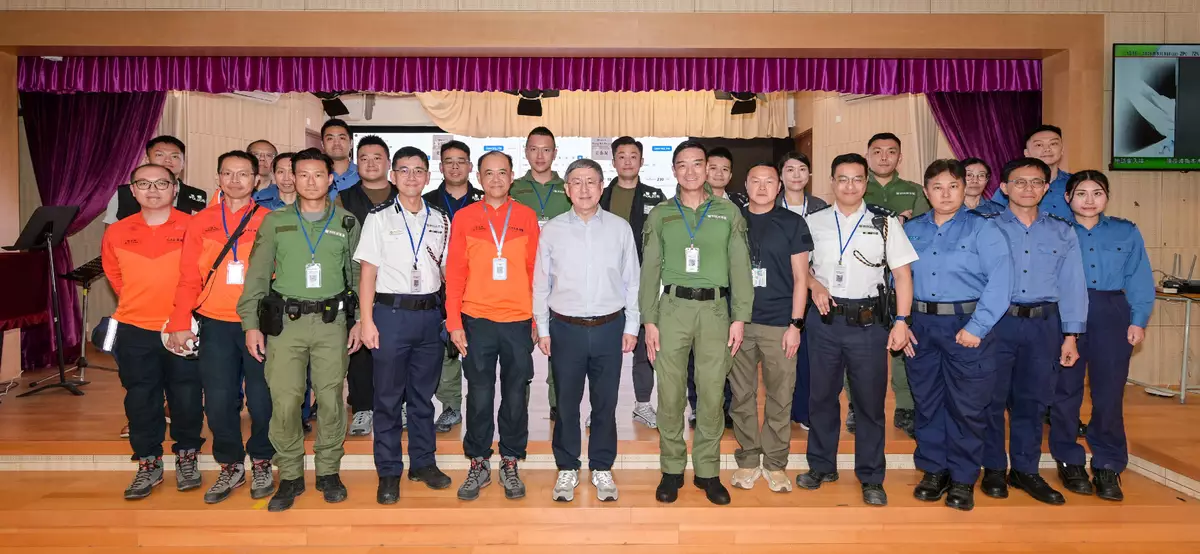
Arrangements concluded for residents of seven blocks of Wang Fuk Court in Tai Po to return to their units in batches Source: HKSAR Government Press Releases
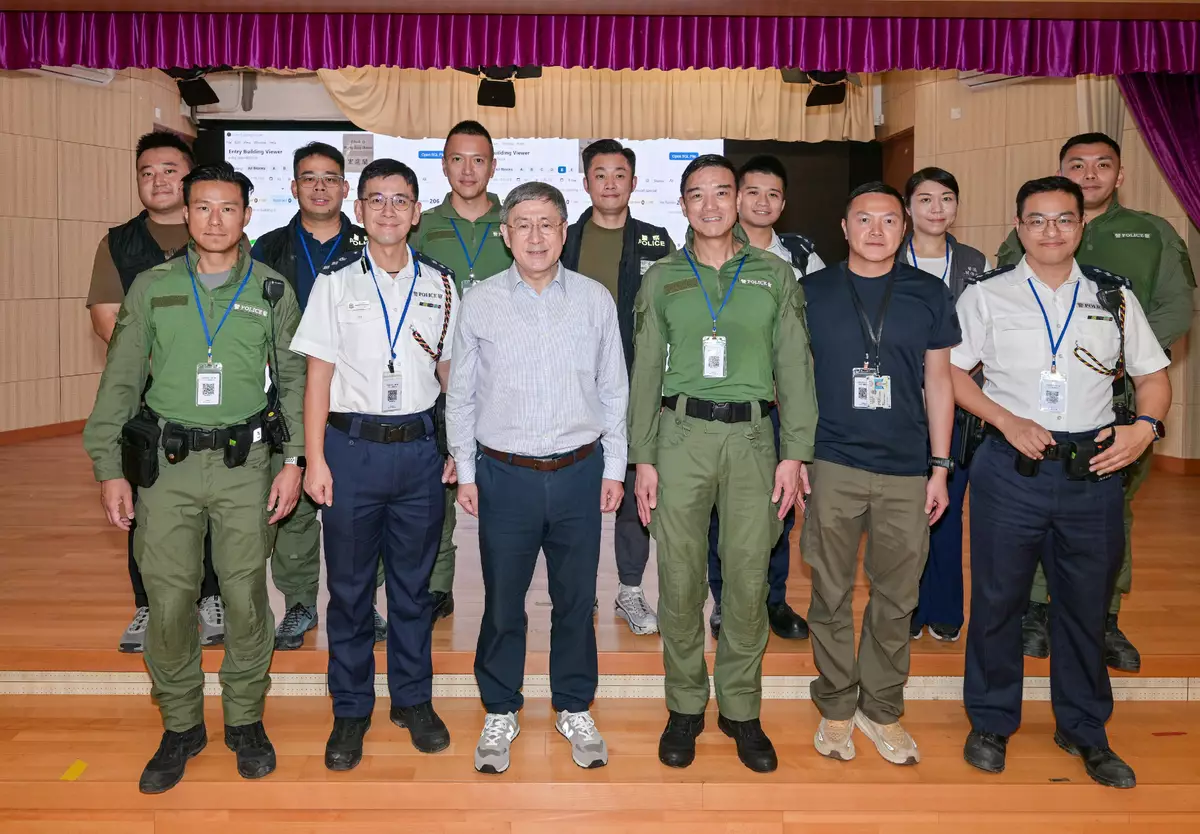
Arrangements concluded for residents of seven blocks of Wang Fuk Court in Tai Po to return to their units in batches Source: HKSAR Government Press Releases