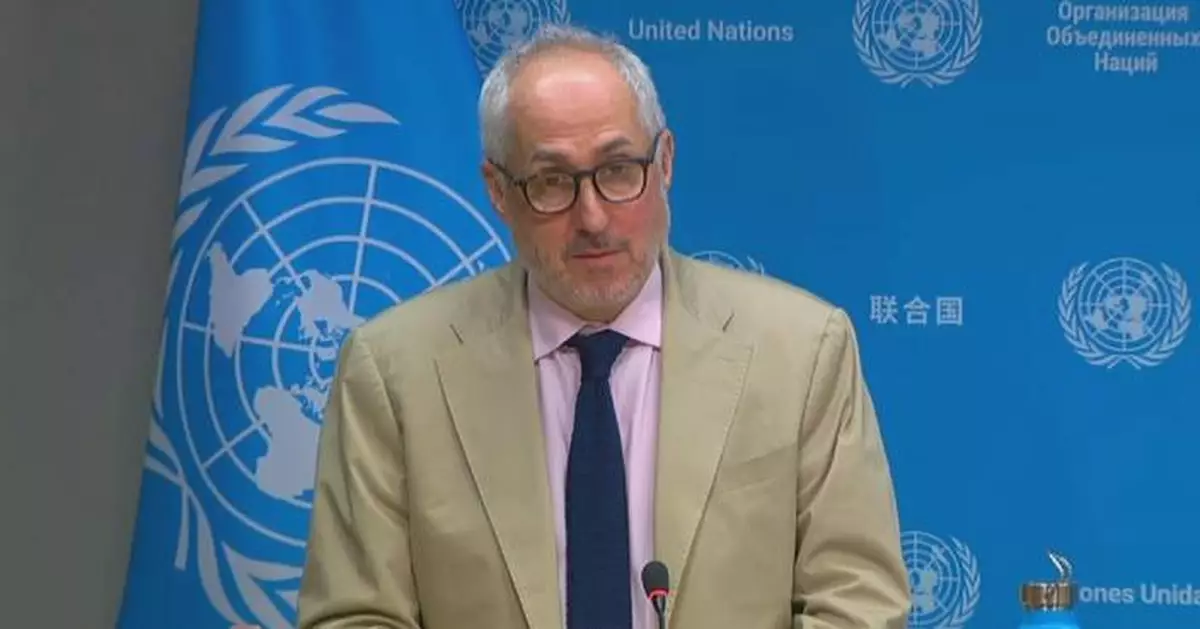
The UN peacekeepers in Lebanon are facing direct threats to their lives, and humanitarian aid funds to the country are severely insufficient, said a UN spokesman on Monday.
Although UN humanitarian convoys have managed to reach the besieged areas in southern Lebanon under great difficulty, aid operations remain extremely dangerous, said Stephane Dujarric, spokesman for the UN secretary-general, at a daily press briefing.
A report from the United Nations Interim Force in Lebanon (UNIFIL) said that the Israeli military has recently carried out intensive airstrikes on villages in southern Lebanon and has even deployed naval forces off Lebanon's coast.
Dujarric said that on May 1, Israeli tanks intercepted a UNIFIL patrol convoy, and their machine-gun fire even struck vehicles at a UN camp.
The United Nations has lodged a strong protest against this incident, Dujarric said.
"We reiterate once again that our peacekeepers must never be targeted, and their safety and security must be guaranteed at all times by all parties," he said.
Dujarric said that despite the extension of the ceasefire, the situation in southern Lebanon remains grave.
He said the UN emergency fundraising campaign for Lebanon is severely underfunded.
The United Nations has warned that without adequate funding, the growing number of vulnerable people will be unable to receive enough assistance, he said.
A 10-day ceasefire between Israel and Lebanon, facilitated by the United States, began at midnight on April 16, 2026, aimed at halting weeks of fighting. The agreement was later extended by three weeks.
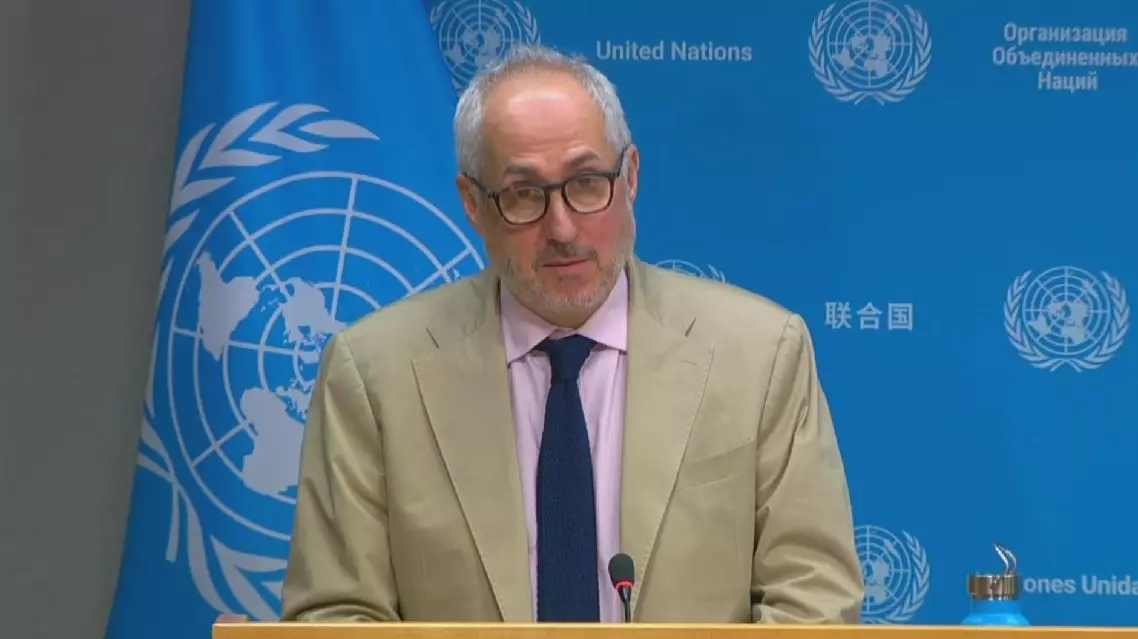
UN peacekeepers in Lebanon face life threats, humanitarian aid severely insufficient: spokesman
Indonesia and China are exploring new frontiers in cultural collaboration from museums and stage performances to digital platforms, media and arts, according to Indonesian Minister of Culture Fadli Zon.
"We have 76 years of diplomatic relation. So, I hope that in the near future we can accelerate or strengthen the cultural exchange, the cultural cooperation between our two countries, including the exchange of collection, museums and maybe the film production, co-production. And with the digital platforms that China is very advanced, we can also learn and maybe cooperate in that matter," Zon said at a TV interview during his visit to Beijing late in April.
The minister said artists should leverage innovation and digital platforms to explore new artistic forms.
"We can explore many things with the innovation, with the digital platforms. The contemporary arts, for example, combined with the ancient-rooted civilization that both we have. Like Indonesia, we have the cave painting, the cave art that is the oldest in the world. China also is a long-standing civilization, a living civilization since 5,000 years ago. We need to exchange more in order to have a new form of art and media art. But I think from the contemporary approach and the traditional approach we can find something new," he said.
Zon said both preservation and reinvention are crucial for cultural expression, especially in the digital world.
"We cannot separate between preserving and reinventing, because it's continuity. Preserving means that we need to actualize our intangible cultural heritage and reinventing it, because it's very important for our identity, but also for the expression, the cultural expression, especially in this digital world," he said.
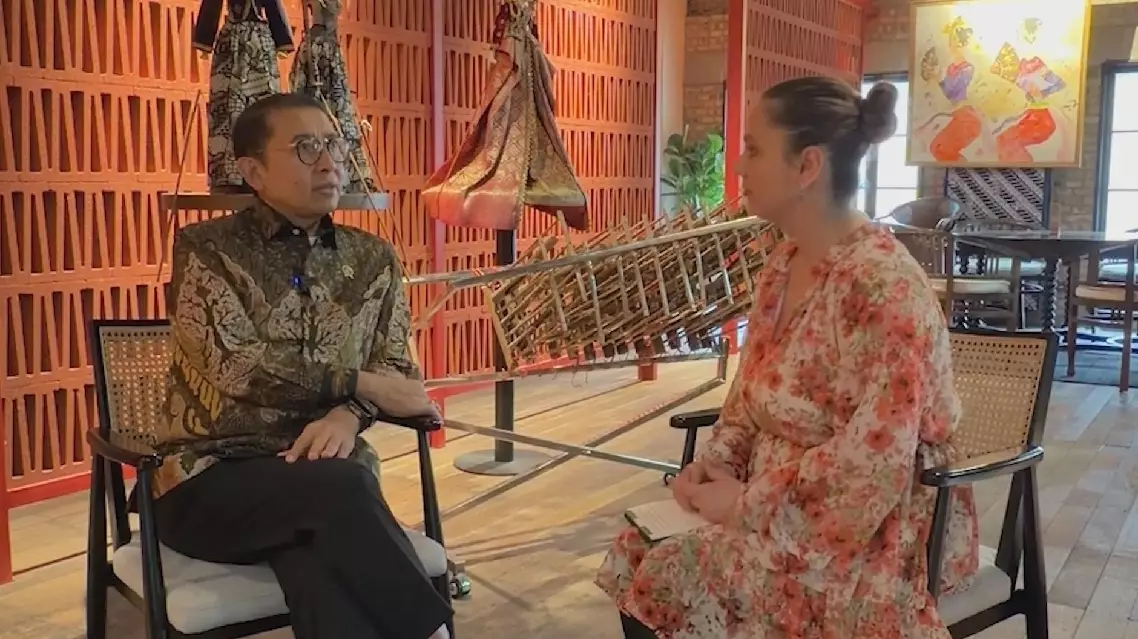
Indonesian minister on cultural collaboration with China