PITTSBURGH (AP) — Bob Skinner, who earned three World Series rings and was named to the All-Star team three times during a baseball career that spanned more than four decades as a player and coach, has died. He was 94.
The Pittsburgh Pirates, where Skinner began his career and helped the franchise stun the New York Yankees in the 1960 World Series, said Tuesday they were informed of Skinner's death from his wife, Joan. He died in San Diego. A cause was not provided.
“Bob was an important part of one of the most beloved teams in our storied history and helped deliver a moment that will forever be woven into the fabric of our city,” Pirates chairman Bob Nutting said in a statement. “Bob was a talented player, a proud Pirate and a respected member of the baseball community.”
Skinner, a 6-foot-4 left-handed-hitting outfielder who threw right-handed and was known as “Sleepy” for his laid-back demeanor, spent 12 seasons in the majors with Pittsburgh, Cincinnati, and St. Louis.
A career .277 hitter, Skinner was named to the National League All-Star team in 1958 and twice in 1960, during the brief period when Major League Baseball held two All-Star games a season. Skinner spent eight-plus seasons with Pittsburgh from 1954-63 before being traded to Cincinnati and then the Cardinals, where he was part of the 1964 team that won the World Series.
Skinner retired at the end of the 1966 season before going into coaching and managing. He went 93–123 during a short managerial run with the Philadelphia Phillies in 1968-69 and a one-game interim stint with his hometown San Diego Padres in 1977.
A respected coach who worked with six different organizations in various capacities, Skinner returned to Pittsburgh in 1979 as the club's hitting coach, winning a third ring as part of the “We Are Family" Pirates that beat Baltimore in the 1979 World Series.
Skinner's best season may have been 1960, when he drove in a career-high 86 runs while hitting in the middle of a Pirates lineup that reached the World Series. He started in Game 1 against the New York Yankees but injured his thumb while sliding into a base, forcing him to sit out until Game 7. He went 0 for 2 with a walk in Game 7, scoring on Rocky Nelson's second-inning homer and later laying down a sacrifice bunt that advanced two runners during an eighth-inning rally that put Pittsburgh in front.
Skinner was born on Oct. 3, 1931, in La Jolla, California. A standout at San Diego Junior College, he signed a contract with Pittsburgh in the early 1950s and eventually made his debut in 1954 after spending two years in the military during the Korean War.
Skinner is survived by Joan, sons Mark, Craig, Drew and Joel, along with eight grandchildren.
AP MLB: https://apnews.com/hub/MLB
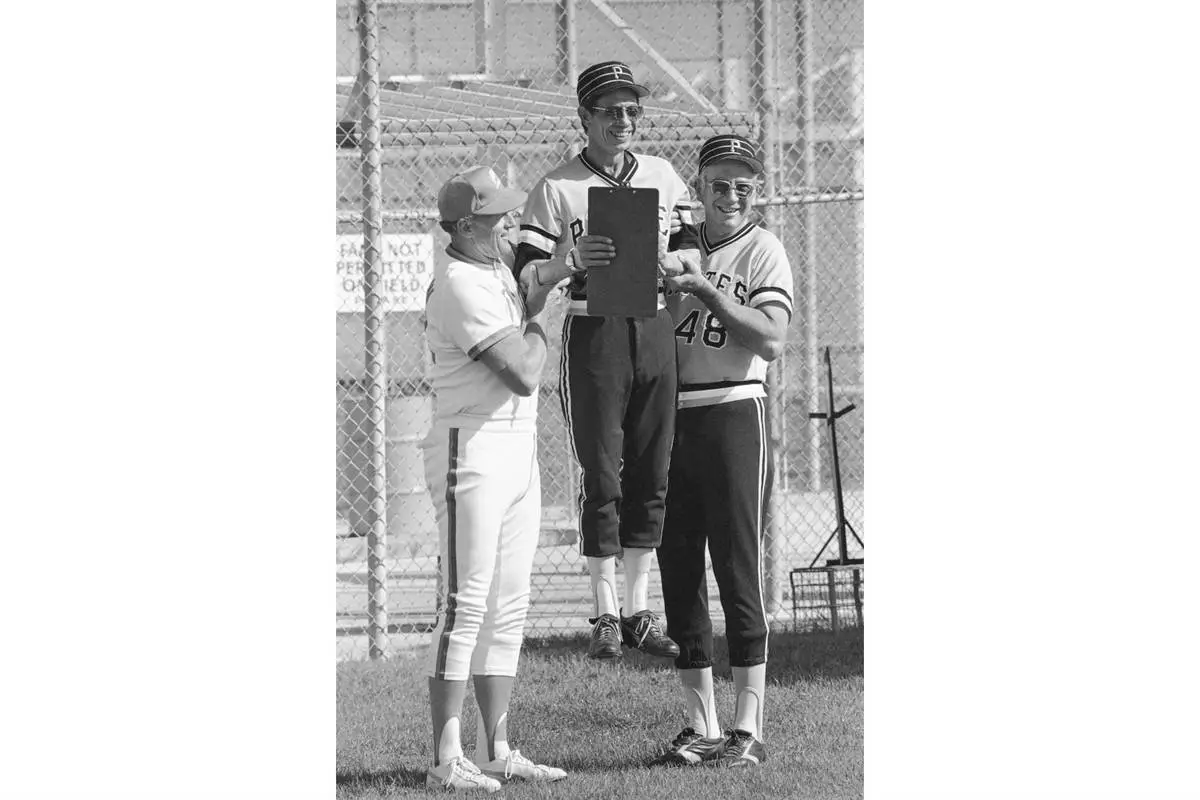
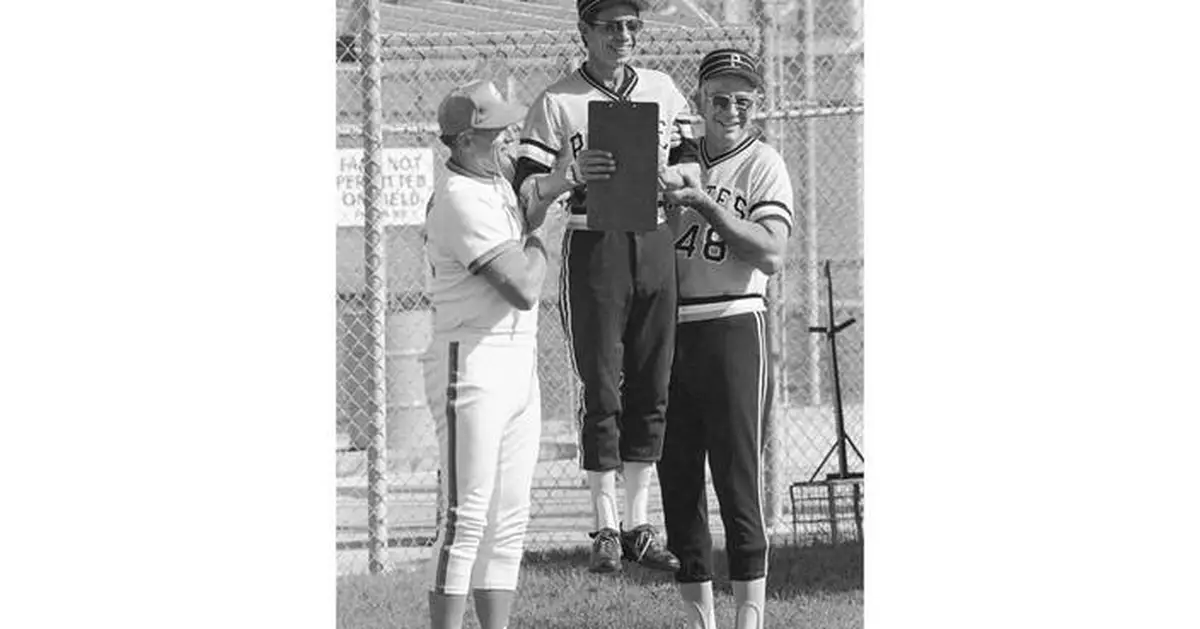
FILE - Pittsburgh Pirates pitching coach Harvey Haddix, center, gets a lift from former teammates Vernon Law, left, now pitching coach for the Seibu Lions, from Japan, and Pirates coach Bob Skinner, right, at the baseball team's spring training complex in Bradenton, Fla., Feb. 23, 1979. (AP Photo/File)
HARRISBURG, Pa. (AP) — Pennsylvania has sued an artificial intelligence chatbot maker, saying its chatbots illegally hold themselves out as doctors and are deceiving the system's users into thinking they are getting medical advice from a licensed professional.
The lawsuit, filed Friday, asks the statewide Commonwealth Court to order Character Technologies Inc., the company behind Character.AI, to stop its chatbots “from engaging in the unlawful practice of medicine and surgery.”
The lawsuit could raise the question as to whether artificial intelligence can be accused of practicing medicine, as opposed to regurgitating material on the internet.
And with a growing number of wrongful death or negligence lawsuits targeting AI companies, it could help propel court decisions as to whether AI chatbots are protected by a federal law that generally exempts internet companies from liability for the material users post on their services.
Gov. Josh Shapiro's administration called it a “first of its kind enforcement action” and it comes amid growing pressure by states on tech companies to rein in its chatbots' potentially dangerous messages, especially to children.
Pennsylvania's lawsuit said an investigator from the state agency that licenses professionals created an account on Character.AI, searched on the word “psychiatry” and found a large number of characters, including one described as a “doctor of psychiatry."
That character held itself out as able to assess the investigator “as a doctor" who is licensed in Pennsylvania, the lawsuit said.
“Pennsylvanians deserve to know who — or what — they are interacting with online, especially when it comes to their health,” Shapiro said in a statement. “We will not allow companies to deploy AI tools that mislead people into believing they are receiving advice from a licensed medical professional."
Character.AI said in a statement Tuesday that it prioritizes responsible product development and the well-being of its users. It posts disclaimers to inform users that characters on its website are not real people and that everything they say “should be treated as fiction,” it said.
Those disclaimers also say users should not rely on characters for professional advice, it said.
Derek Leben, a Carnegie Mellon University associate teaching professor of ethics who focuses on AI, said the ethical questions facing Character.AI might be different from other AI platforms like ChatGPT and Claude. That's because Character.AI explicitly markets itself as a fictional, role-playing site, and not a general purpose chatbot site, Leben said.
Still, Pennsylvania's lawsuit raises a question as to whether chatbots can be accused of practicing medicine, Leben said. And, as lawsuits against AI companies proliferate, courts are trying to figure out whether chatbot makers are supposed to be liable for things the chatbots say.
“It’s exactly the question that these cases right now are wrestling with,” Leben said.
Increasingly, AI companies are defending themselves against charges of liability by saying they simply provide information available elsewhere on the internet, Leben said, and the question could become whether they are protected by a federal law that also shields social media companies.
Even before Pennsylvania's lawsuit, state policymakers had raised concerns about chatbots impersonating medical professionals.
Last year, California lawmakers passed a California Medical Association-backed bill that authorizes state agencies to sanction AI systems, such as chatbots, that represent themselves as health professionals. In New York, similar legislation is pending.
States are skeptical that AI self-regulation will work, said Amina Fazlullah, the head of tech policy advocacy for Common Sense Media, which pushes for protections for children online.
“We haven’t seen it work particularly well with social media, specifically for kids,” Fazlullah said.
In December, attorneys general from 39 states and Washington, D.C., wrote to Character Technologies and 12 other AI and tech firms — including Anthropic, Meta, Apple, Microsoft, OpenAI, Google and xAI — to warn them about a rise in misleading and manipulative chatbot messages that violate state laws.
In the letter, they said “it is illegal to provide mental health advice without a license, and doing so can both decrease trust in the mental health profession and deter customers from seeking help from actual professionals.”
Character Technologies has faced several lawsuits over child safety.
In January, Kentucky filed a consumer protection lawsuit against Character Technologies, while Google and Character Technologies agreed to settle a lawsuit from a mother who alleged a chatbot pushed her teenage son to kill himself.
Last fall, Character.AI banned minors from using its chatbots.
Follow Marc Levy at http://twitter.com/timelywriter
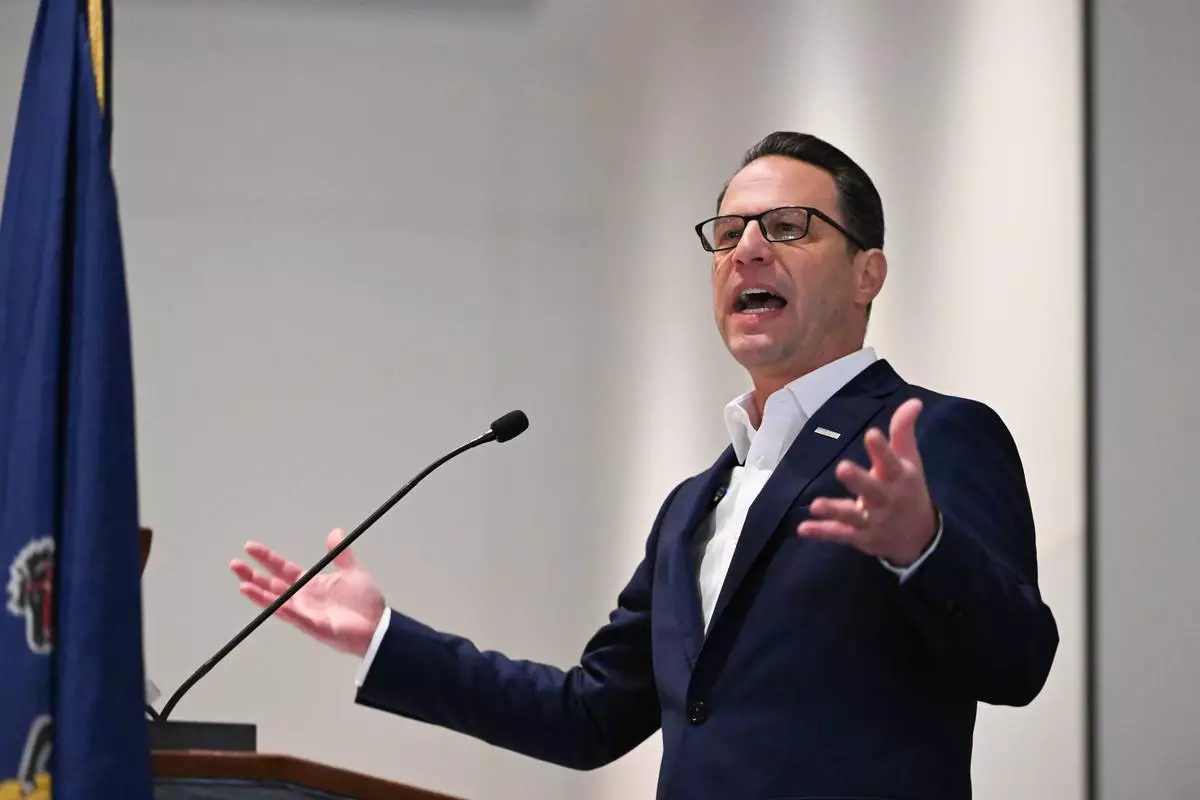
FILE - Pennsylvania Gov. Josh Shapiro speaks to the crowd at a Centre County Democratic Party event at the Penn Stater hotel, April 11, 2026, in State College, Pa. (AP Photo/Marc Levy, File)