LOS ANGELES (AP) — Seven candidates who want to be California’s next governor kicked off their latest debate Tuesday with sharp attacks on each other on issues from gas prices and taxes to immigration in a race that has no clear leader.
The televised debate came as mail voting was already underway in advance of a primary election that ends June 2. It was clear from the testy tone that candidates viewed the matchup as a critical juncture, with a national audience watching as it aired on CNN.
Click to Gallery
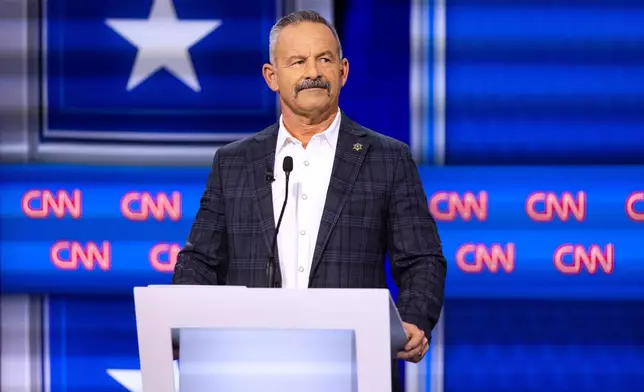
Chad Bianco participates in a California gubernatorial debate hosted by CNN at East Los Angeles College in Monterey Park, Calif. Tuesday, May 5, 2026. (AP Photo/Ethan Swope)
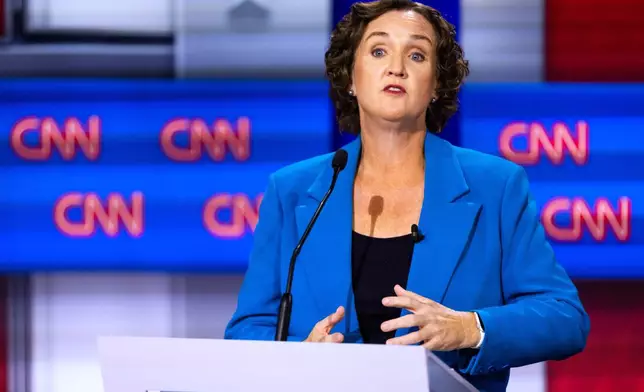
Katie Porter participates in a California gubernatorial debate hosted by CNN at East Los Angeles College in Monterey Park, Calif. Tuesday, May 5, 2026. (AP Photo/Ethan Swope)
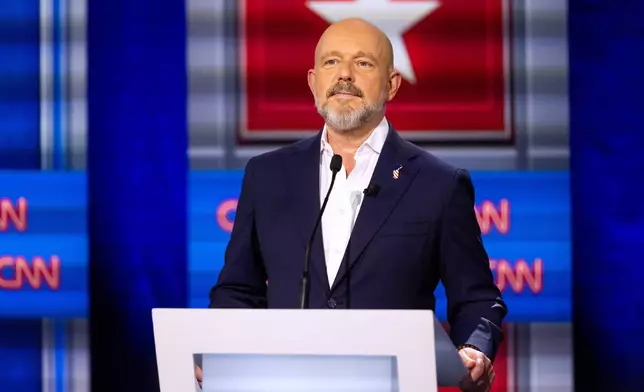
Steve Hilton participates in a California gubernatorial debate hosted by CNN at East Los Angeles College in Monterey Park, Calif. Tuesday, May 5, 2026. (AP Photo/Ethan Swope)
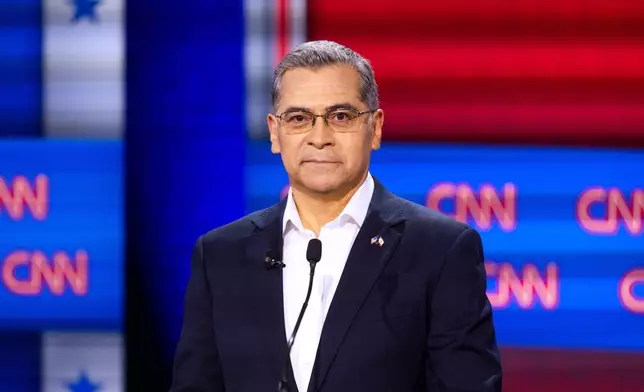
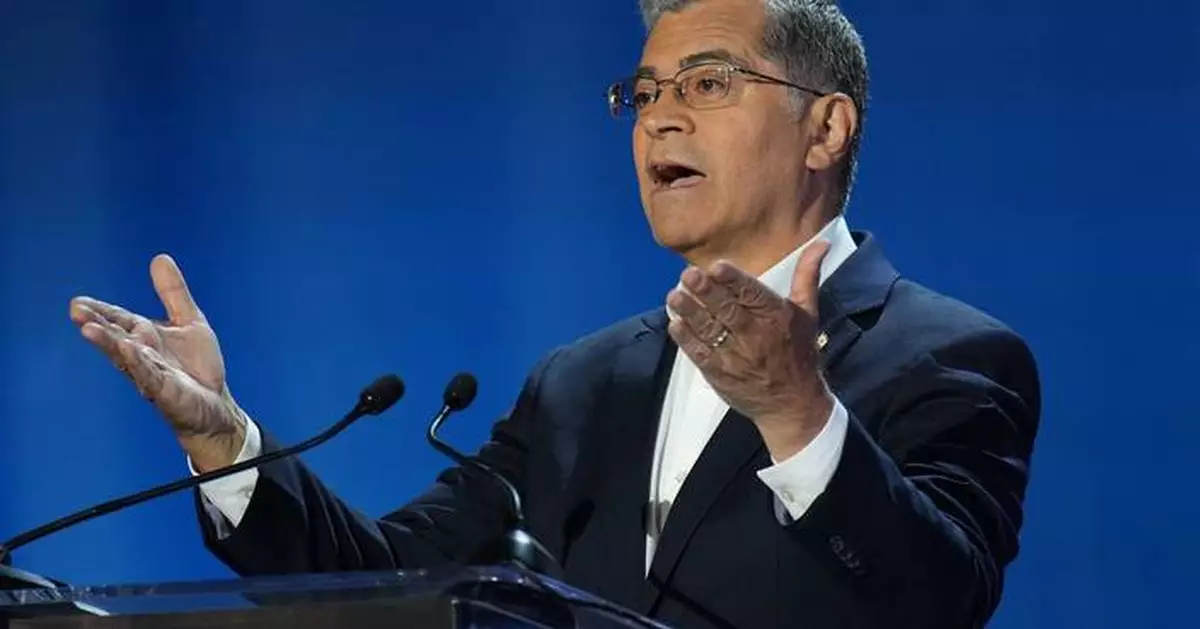
Xavier Becerra participates in a California gubernatorial debate hosted by CNN at East Los Angeles College in Monterey Park, Calif. Tuesday, May 5, 2026. (AP Photo/Ethan Swope)
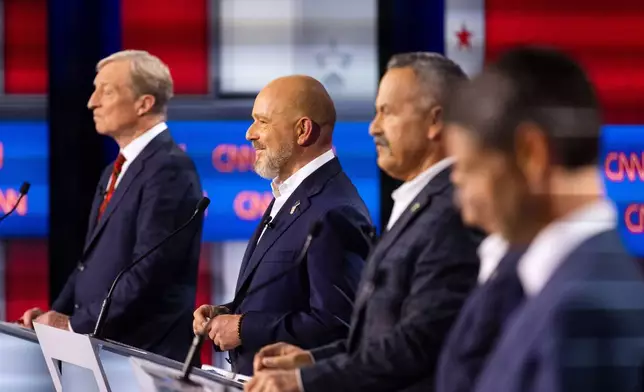
From left to right, Tom Steyer, Steve Hilton, Chad Bianco and Matt Mahan participate in a California gubernatorial debate hosted by CNN at East Los Angeles College in Monterey Park, Calif. Tuesday, May 5, 2026. (AP Photo/Ethan Swope)
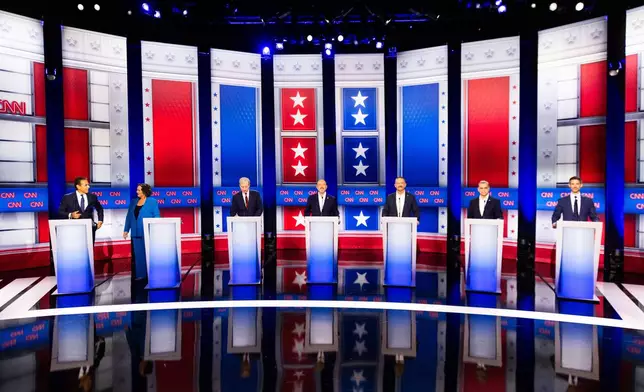
From left to right, Antonio Villaraigosa, Katie Porter, Tom Steyer, Steve Hilton, Chad Bianco, Xavier Becerra and Matt Mahan participate in a California gubernatorial debate hosted by CNN at East Los Angeles College in Monterey Park, Calif. Tuesday, May 5, 2026. (AP Photo/Ethan Swope)
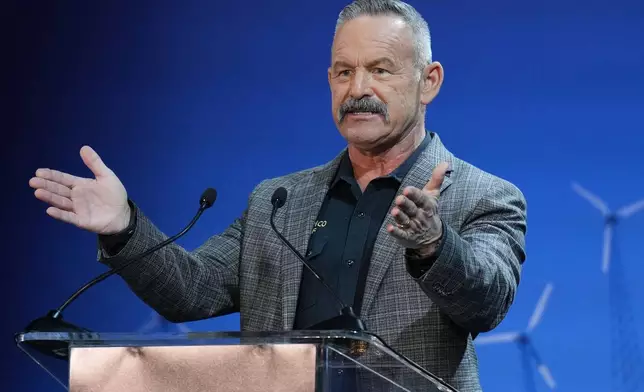
Chad Bianco speaks during a gubernatorial debate hosted by CBS LA at Pomona College in Claremont, Calif., Tuesday, April 28, 2026. (AP Photo/Jae C. Hong)
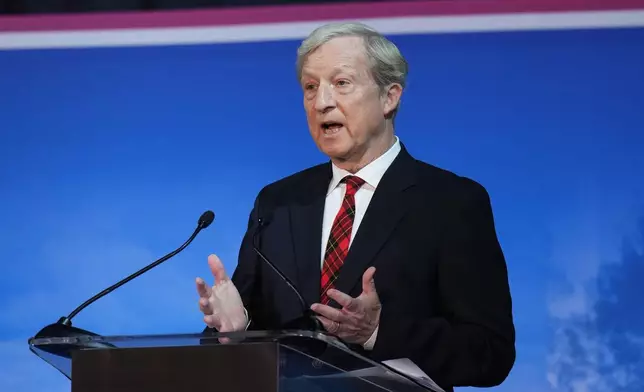
Tom Steyer speaks during a gubernatorial debate hosted by CBS LA at Pomona College in Claremont, Calif., Tuesday, April 28, 2026. (AP Photo/Jae C. Hong)
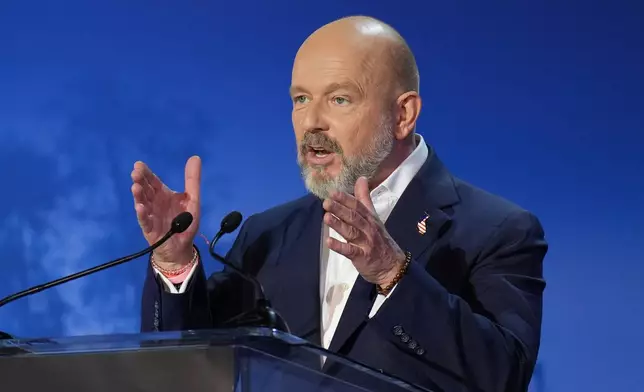
Steve Hilton speaks during a gubernatorial debate hosted by CBS LA at Pomona College in Claremont, Calif., Tuesday, April 28, 2026. (AP Photo/Jae C. Hong)
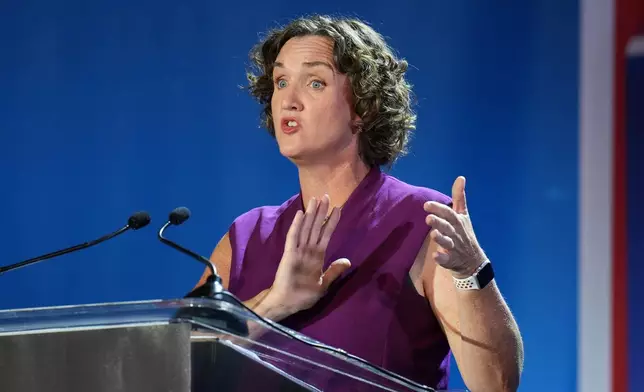
Katie Porter speaks during a California gubernatorial debate hosted by CBS LA at Pomona College in Claremont, Calif., Tuesday, April 28, 2026. (AP Photo/Jae C. Hong)
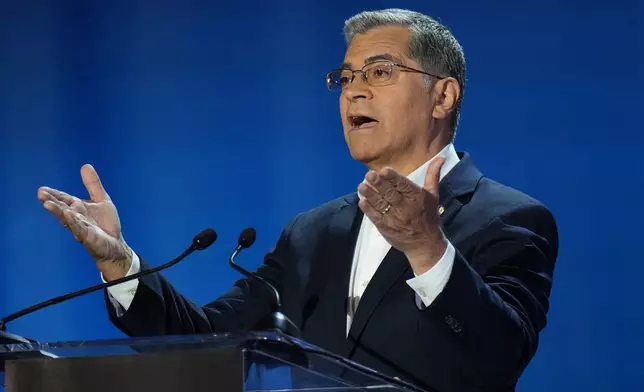
Xavier Becerra speaks during a gubernatorial debate hosted by CBS LA at Pomona College in Claremont, Calif., Tuesday, April 28, 2026. (AP Photo/Jae C. Hong)
The early minutes of the debate were anchored to the punishing cost of living in California and, in particular, gas prices, underscoring deep divides among the candidates on why California prices are so high and how to bring them down. The average gas price topped $6 per gallon in California on Tuesday, according to AAA.
Several Democrats on stage, including former state attorney general Xavier Becerra, said President Donald Trump and the war in Iran are to blame for rapidly rising costs at the pump. Republicans Steve Hilton and Chad Bianco swiftly pushed back, noting gas has long been much more expensive in California compared to other states.
When Republican Steve Hilton said he could reduce gas prices to $3 a gallon, Democrat Matt Mahan fired back, “You’re lying to people.”
“Donald Trump is the president in all the other states in America where the cost of living is way lower than in California," responded Hilton, who has Trump's endorsement.
“Boys, boys, enough with the bickering,” former U.S. Rep. Katie Porter, the only woman on stage, interjected at one point.
It is the first time in a generation that California has a wide-open contest for the heavily Democratic state’s highest office. More than 50 names are on the ballot. Candidates hoping to replace outgoing Democratic Gov. Gavin Newsom were jostling in hopes of gaining a breakout moment.
Candidates who qualified for the debate include the two leading Republicans, conservative commentator Hilton and Riverside County Sheriff Bianco, and five Democrats — Becerra, Porter,billionaire Tom Steyer, Mahan and former Los Angeles Mayor Antonio Villaraigosa.
Trump received frequent mention during the debate, with the Democrats seemingly divided on how often to invoke his name.
“Yes, I’m going to repeat Donald Trump as often as I have to because he’s the real menace that we have in California,” Becerra said.
“Donald Trump sucks,” Porter said bluntly.
The candidates sparred over tax policy, with only Steyer saying he supports a one-time tax on billionaires that's likely to be on the ballot this November. He said it wasn't the only tax increase he'd seek. Porter, meanwhile, said the tax was too narrow and wouldn't make a real change. Mahan said his fellow Democrats have focused too much on expanding government rather than making it work better.
The contest in the nation’s most populous state is unfolding as California struggles with a long-running homeless crisis, wildfire insurance shortages, projected budget shortfalls and staggering housing costs. Voters, meanwhile, are saddled with growing everyday bills for groceries, utilities and gas.
Republicans have been faulting the state's dominant Democrats for the raft of challenges, including heavy taxes and regulation that has been driving out jobs.
Steyer — a hedge fund manager turned liberal activist — has tapped his personal fortune to finance a torrent of advertising but has not broken away from the field. Data compiled by advertising tracker AdImpact show Steyer has spent or booked nearly $150 million in ads for broadcast TV, cable and radio, dwarfing his competitors.
California puts all candidates on a single ballot and the two with the most votes go on to the November general election, regardless of party. Democrats have worried that their crowded field could result in two Republicans advancing, which would be a historic calamity for the party.
The GOP has not won a statewide election in California in two decades, and registered Democrats outnumber Republicans about 2-to-1 statewide.
Austin reported from Sacramento, California.
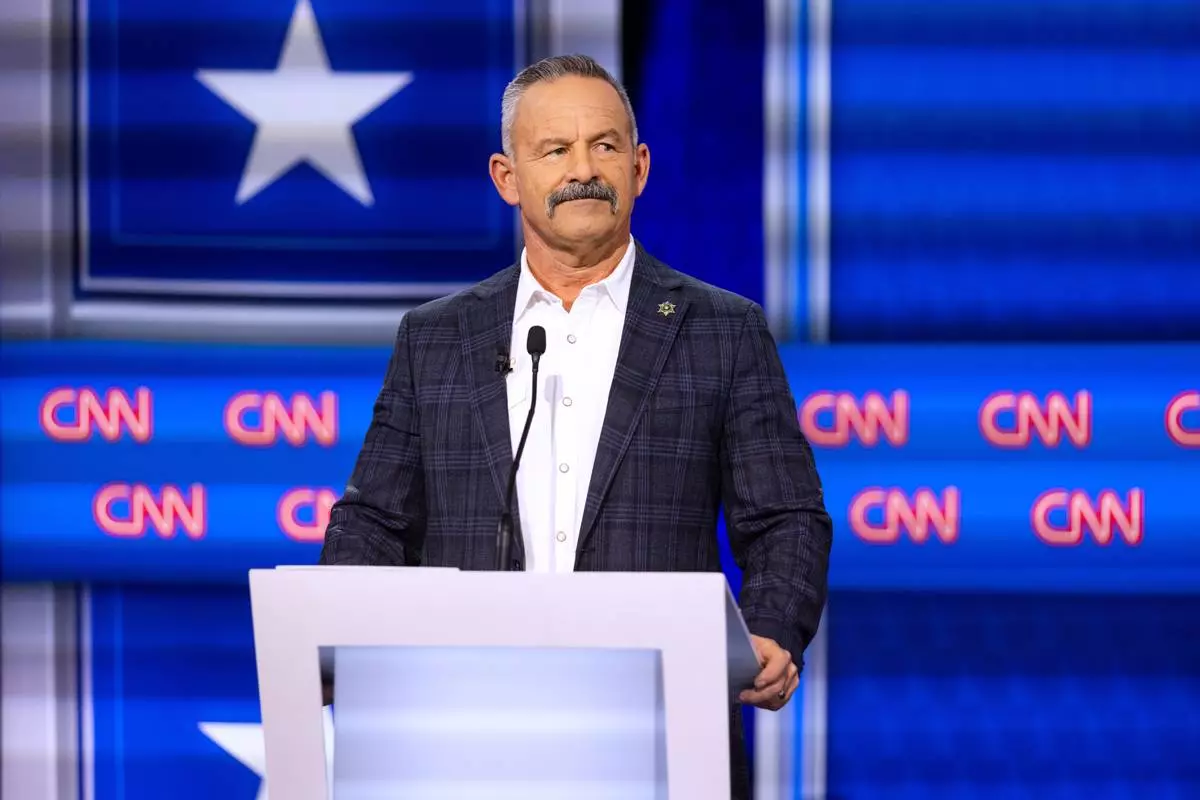
Chad Bianco participates in a California gubernatorial debate hosted by CNN at East Los Angeles College in Monterey Park, Calif. Tuesday, May 5, 2026. (AP Photo/Ethan Swope)
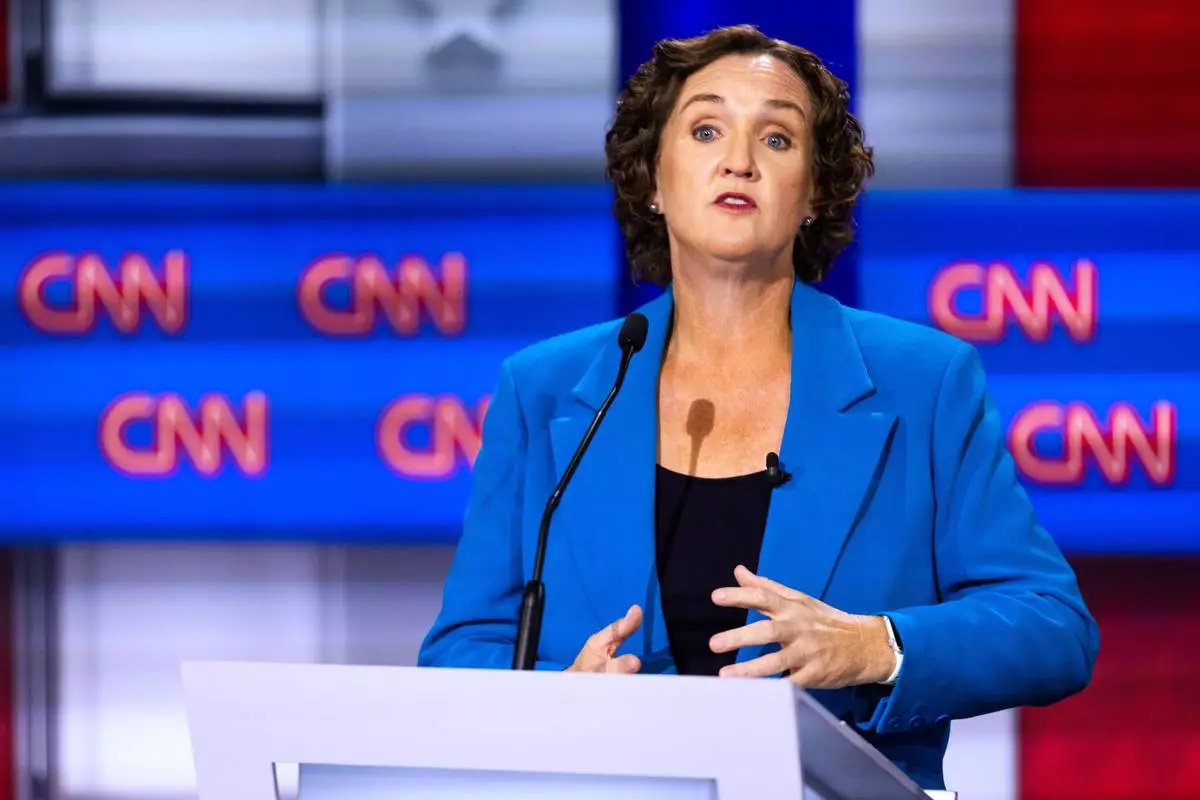
Katie Porter participates in a California gubernatorial debate hosted by CNN at East Los Angeles College in Monterey Park, Calif. Tuesday, May 5, 2026. (AP Photo/Ethan Swope)
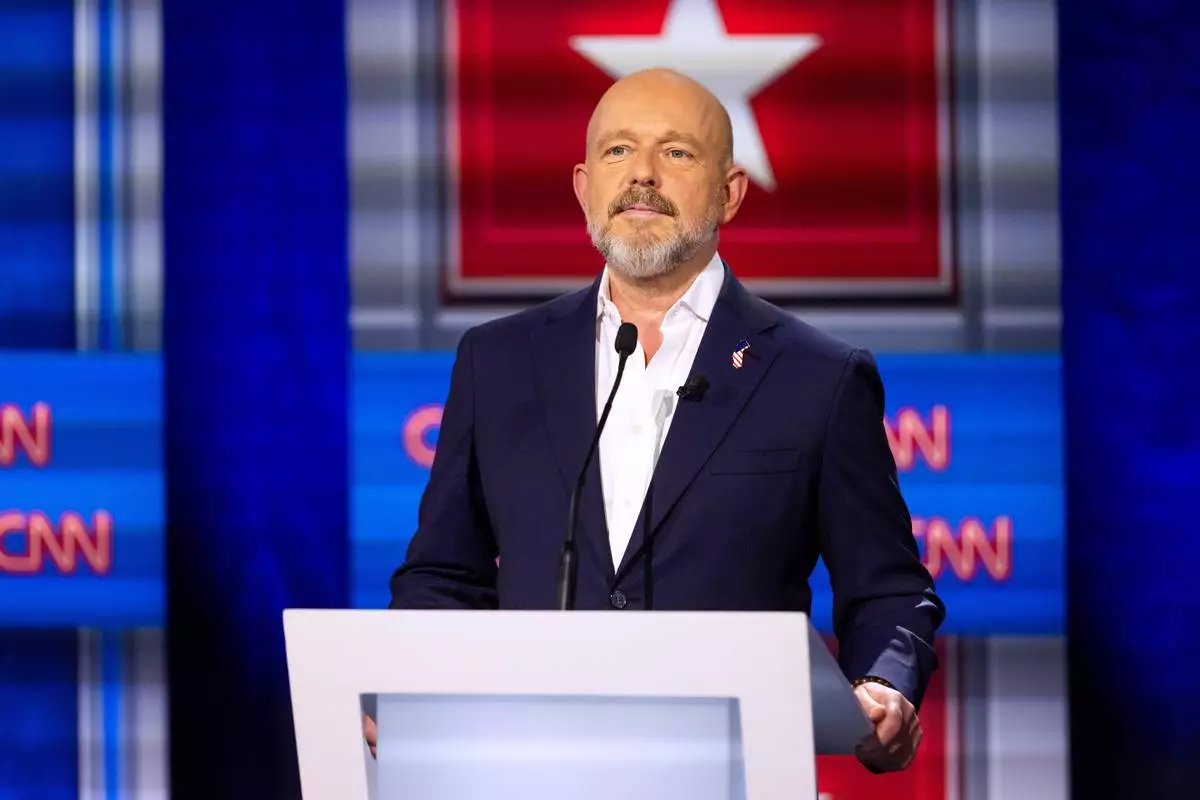
Steve Hilton participates in a California gubernatorial debate hosted by CNN at East Los Angeles College in Monterey Park, Calif. Tuesday, May 5, 2026. (AP Photo/Ethan Swope)
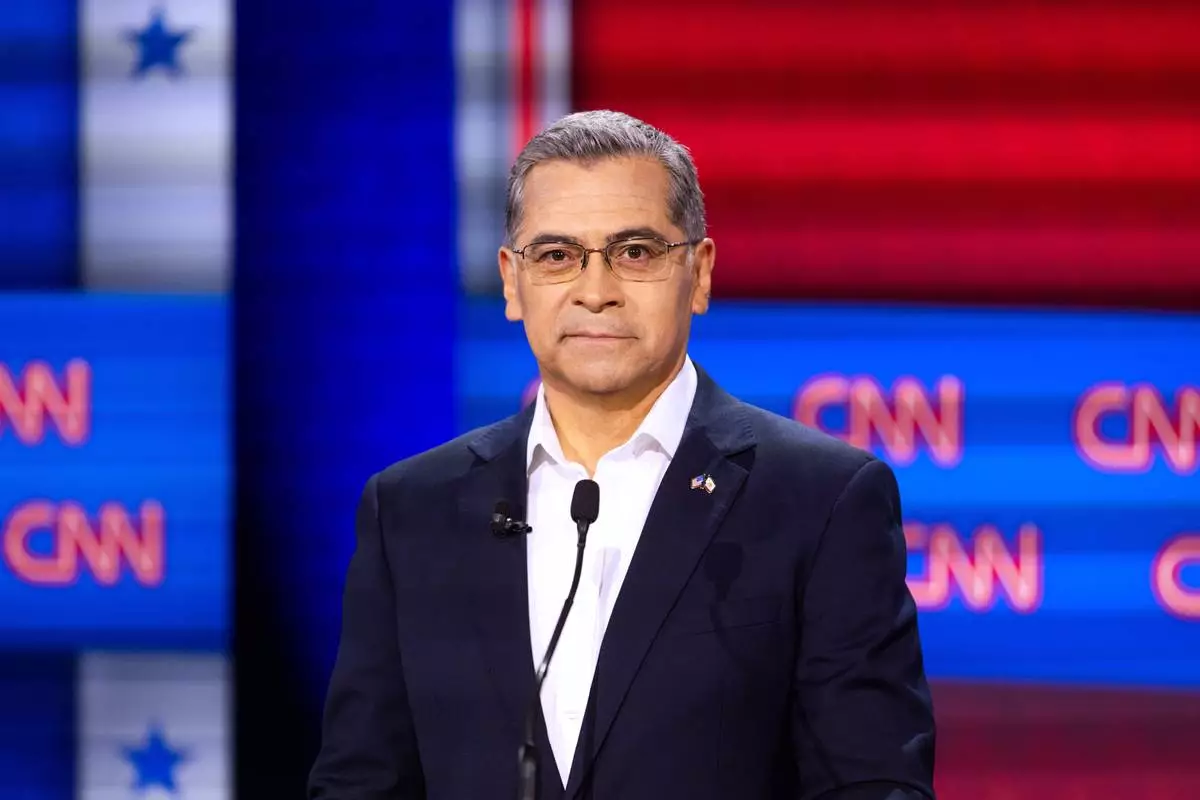
Xavier Becerra participates in a California gubernatorial debate hosted by CNN at East Los Angeles College in Monterey Park, Calif. Tuesday, May 5, 2026. (AP Photo/Ethan Swope)
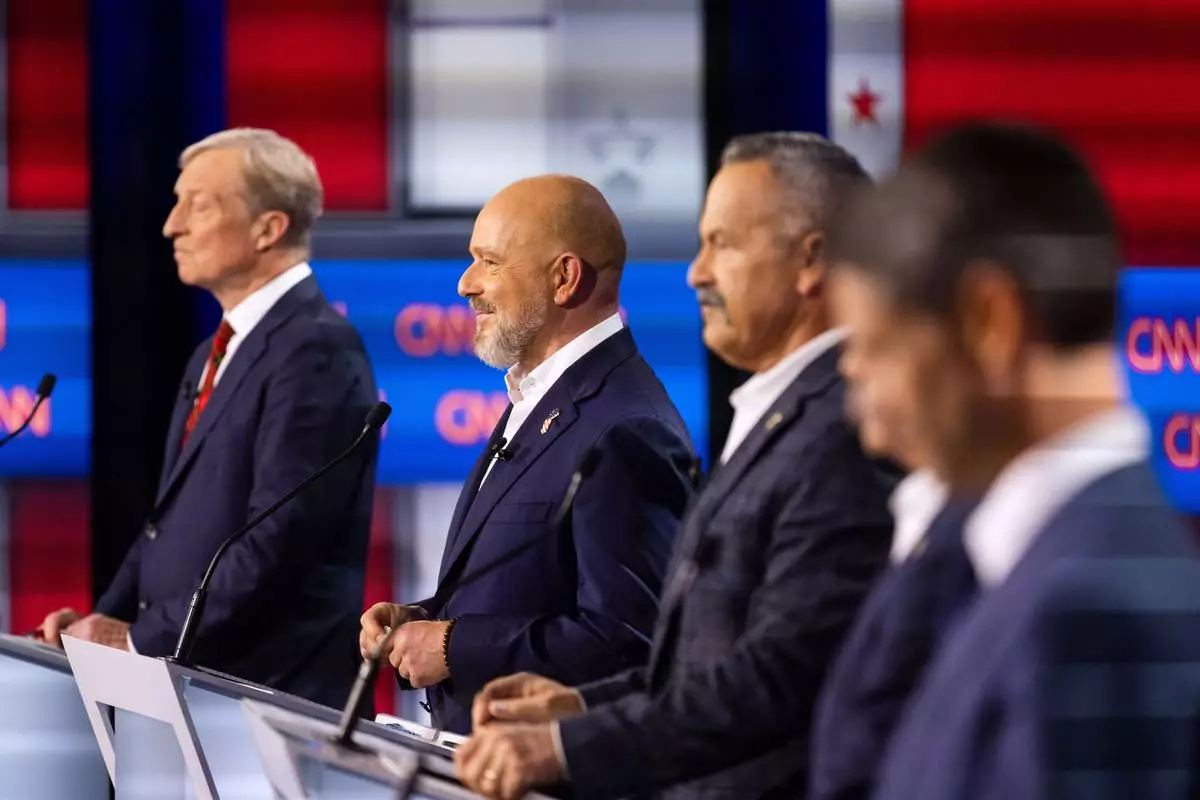
From left to right, Tom Steyer, Steve Hilton, Chad Bianco and Matt Mahan participate in a California gubernatorial debate hosted by CNN at East Los Angeles College in Monterey Park, Calif. Tuesday, May 5, 2026. (AP Photo/Ethan Swope)
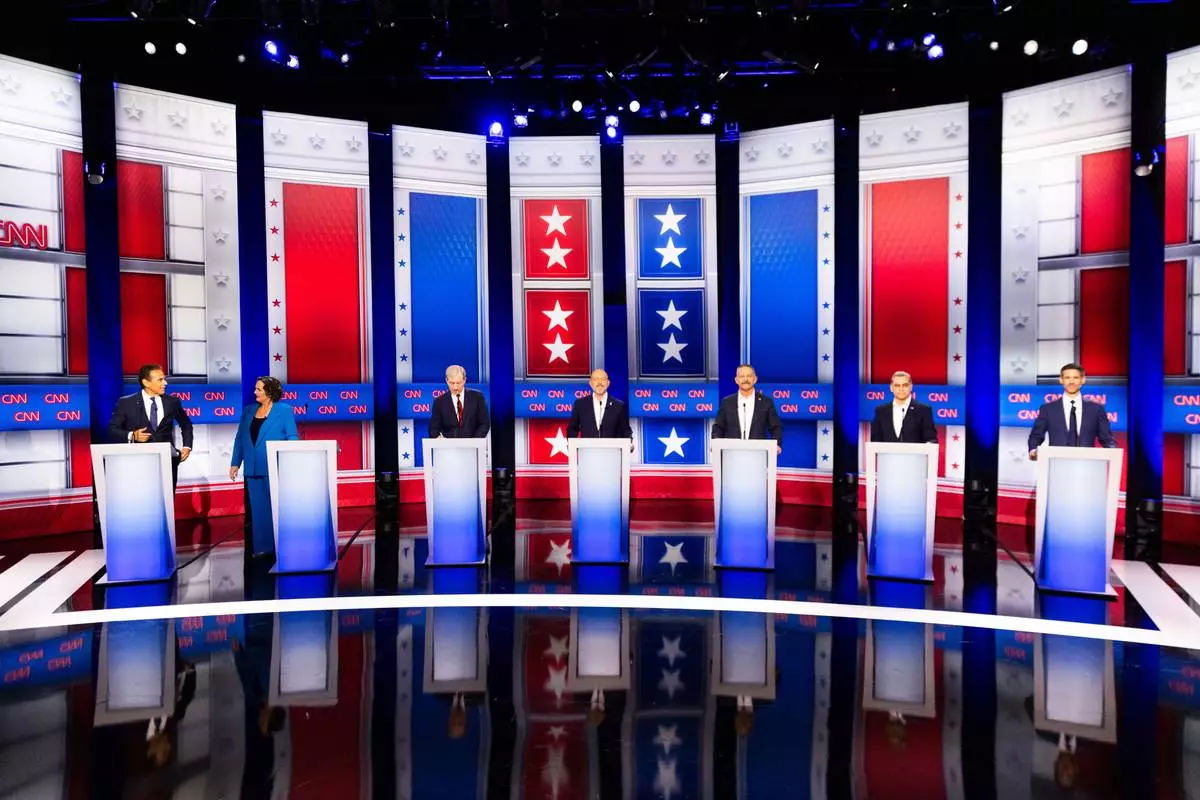
From left to right, Antonio Villaraigosa, Katie Porter, Tom Steyer, Steve Hilton, Chad Bianco, Xavier Becerra and Matt Mahan participate in a California gubernatorial debate hosted by CNN at East Los Angeles College in Monterey Park, Calif. Tuesday, May 5, 2026. (AP Photo/Ethan Swope)
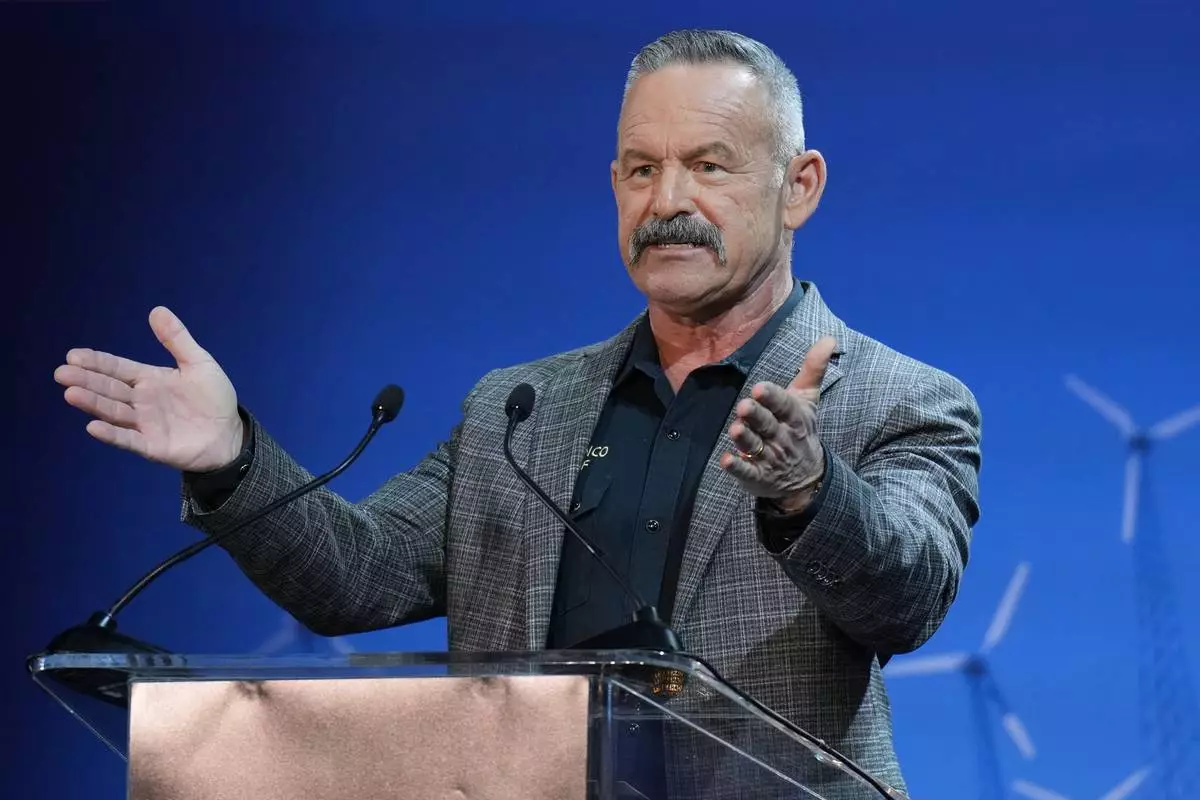
Chad Bianco speaks during a gubernatorial debate hosted by CBS LA at Pomona College in Claremont, Calif., Tuesday, April 28, 2026. (AP Photo/Jae C. Hong)
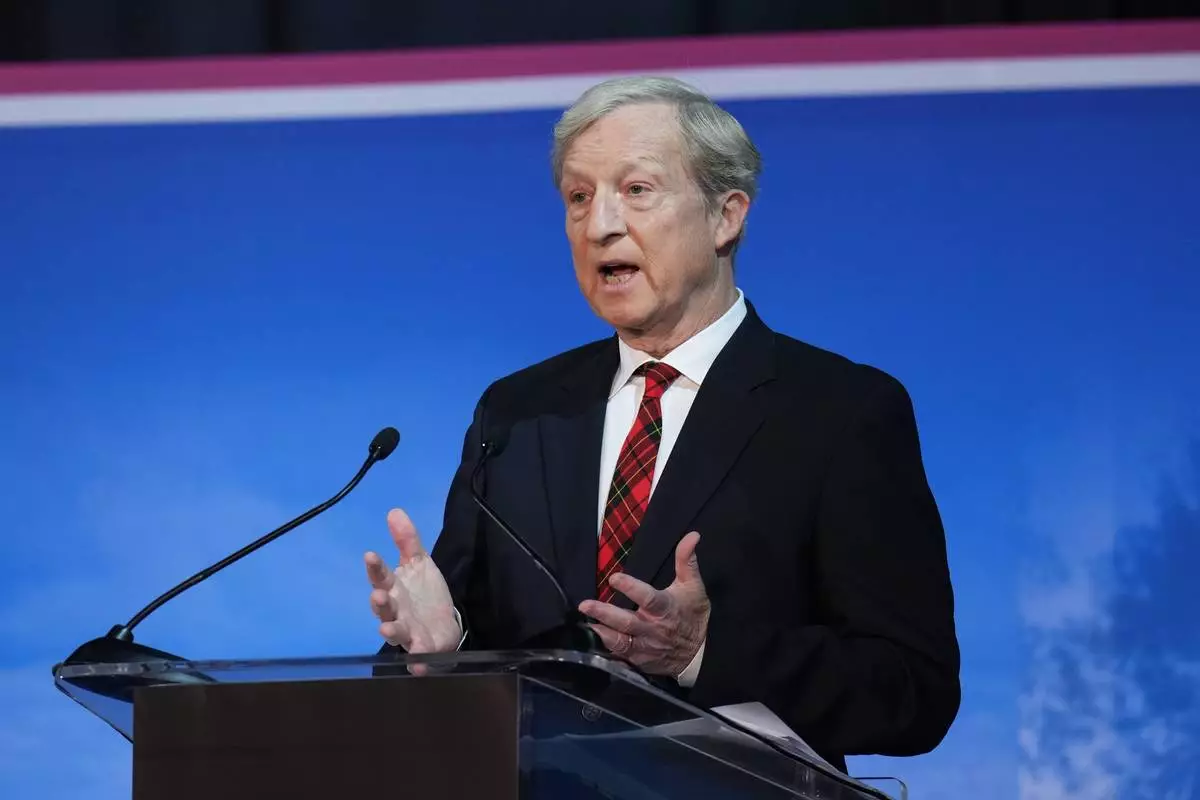
Tom Steyer speaks during a gubernatorial debate hosted by CBS LA at Pomona College in Claremont, Calif., Tuesday, April 28, 2026. (AP Photo/Jae C. Hong)
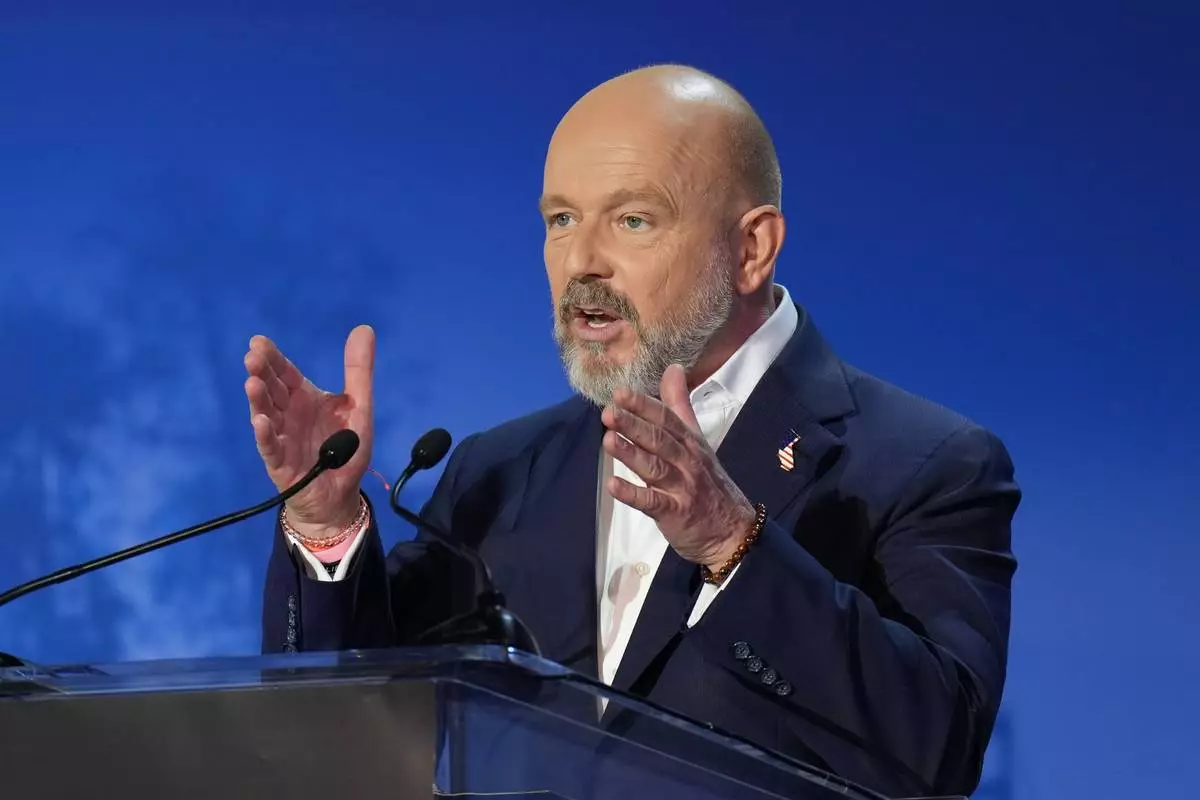
Steve Hilton speaks during a gubernatorial debate hosted by CBS LA at Pomona College in Claremont, Calif., Tuesday, April 28, 2026. (AP Photo/Jae C. Hong)
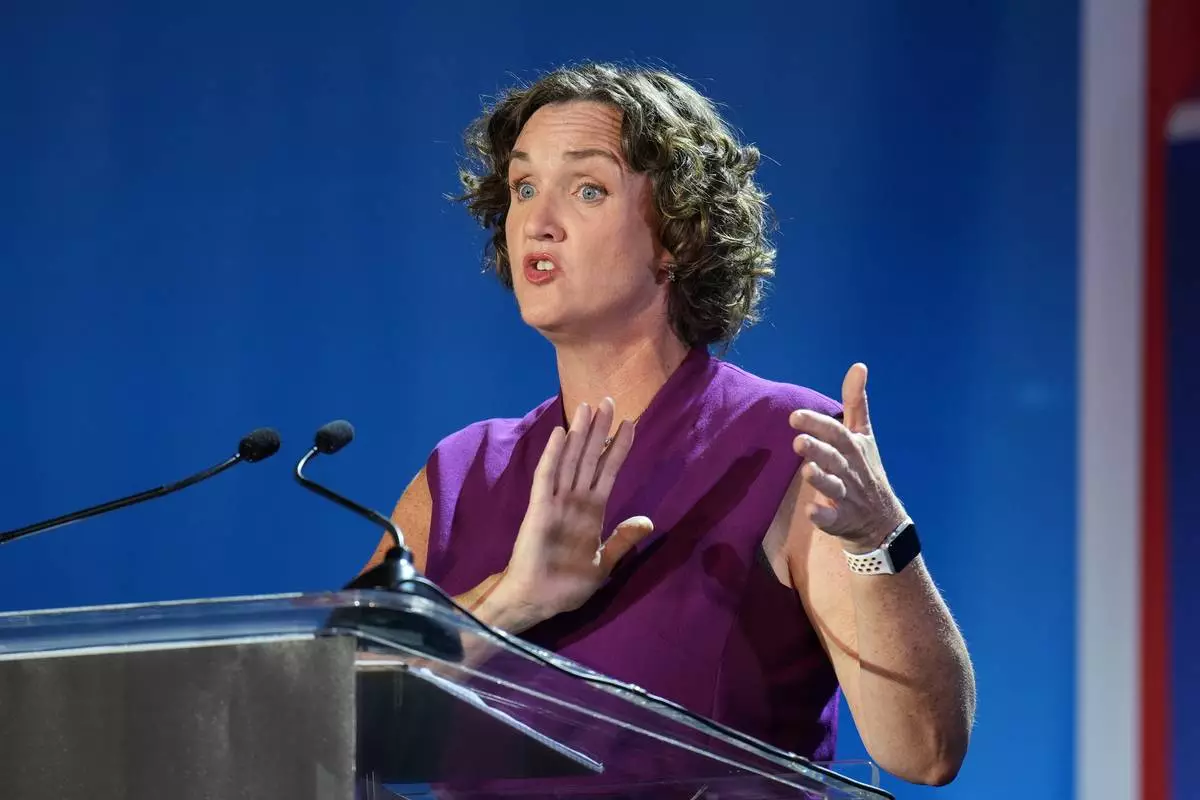
Katie Porter speaks during a California gubernatorial debate hosted by CBS LA at Pomona College in Claremont, Calif., Tuesday, April 28, 2026. (AP Photo/Jae C. Hong)
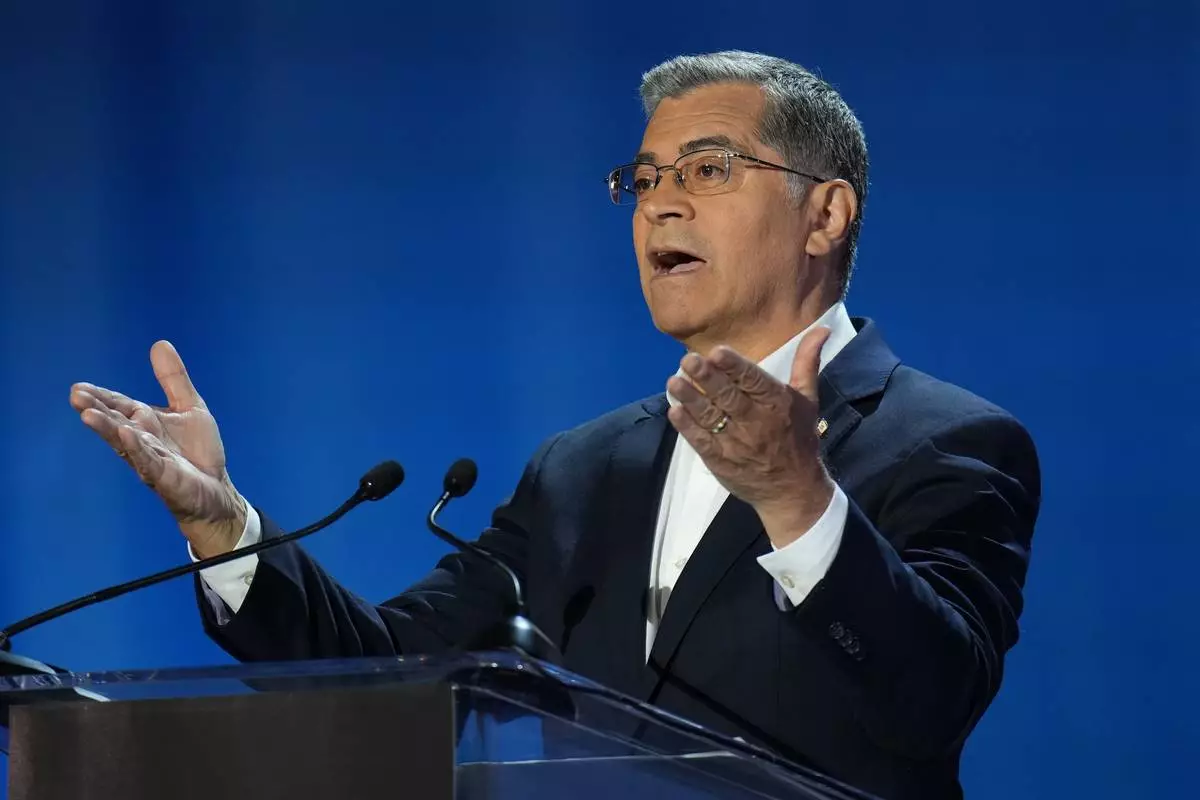
Xavier Becerra speaks during a gubernatorial debate hosted by CBS LA at Pomona College in Claremont, Calif., Tuesday, April 28, 2026. (AP Photo/Jae C. Hong)

The primary election Tuesday in Ohio set up what is expected to be one of the most expensive races for U.S. Senate this year as Republicans try to hold on to the chamber, while biotech billionaire Vivek Ramaswamy will face a challenge from the state’s former health director as he seeks to keep the governor’s office in GOP hands.
In what promises to be one of November’s most high-profile races, former Sen. Sherrod Brown easily defeated a challenger in the Ohio Democratic primary and will now attempt to unseat Republican Sen. Jon Husted.
And in primary elections in Indiana, a majority of the incumbent GOP state senators who opposed a plan backed by President Donald Trump to gerrymander the state’s congressional districts effort have lost their primaries to Trump-backed candidates. The redistricting effort hit a snag last year in Indiana when half of the state’s Republican senators sided with Democrats to defeat the plan. That set up a bellwether primary season that was seen as a test of the president’s sway with Republican voters.
And in Michigan, after 16 months without representation in the state Senate, voters in the competitive District 35 are decided control of the chamber. Chedrick Greene's victory ensures Democrats maintain control of the state Senate through the remainder of Gov. Gretchen Whitmer’s term at year’s end.
Here is the latest:
His victory ensures Democrats maintain control of the state Senate through the remainder of Gov. Gretchen Whitmer’s term at year’s end.
The firefighter and former Marine defeated Republican Jason Tunney in the race for Michigan’s 35th Senate District, which includes Saginaw and Bay City and is surrounded by more rural areas. Democrats had held a one-seat majority in the chamber, putting control at stake.
The race has been closely watched as a potential indicator for November’s midterms in this battleground state. The district is seen as reflective of the entire state and includes part of Saginaw County, the only county in Michigan to back the winning presidential candidate in each of the last five elections.
The three-term U.S. senator from Ohio who lost his seat in the 2024 election thanked supporters at an election night party before pivoting to his longtime economic message.
“No one in the Senate is standing up to these corporations who raise your prices and who game the system,” Brown said to boos from the crowd. “Instead, the people who are supposed to be representing you in Washington, they play the stock market, they cycle through the revolving door, they lobby for special interests the moment they leave the United States Congress.”
He denounced major banks, insurance and pharmaceutical companies, as well as “big corporations” that build data centers in Ohio. He also took aim at Husted, his rival in the general election.
“Ohioans don’t have anyone fighting for you, until November,” Brown told the crowd.
Amy Acton, who won the uncontested Democratic primary in the Ohio governor’s race, said during a victory speech that she was running to make the state more affordable again.
She cited rising costs for gas, electricity and child care as hurdles for families in the state. She said people were doing the right things but still struggling.
“It shouldn’t be this hard,” she said. “It is time to put working families first.”
Baird, who was endorsed by Trump, won his primary in Indiana’s 4th Congressional District, overcoming a tough challenge from a state lawmaker.
Baird defeated state Rep. Craig Haggard, who was endorsed by state Attorney General Todd Rokita, a vocal Trump supporter. Political newcomer John Piper also ran.
Baird is seeking a fifth term in the west-central Indiana district that has been under Republican control for more than 30 years. Baird was hospitalized in January after another vehicle struck his SUV, severely injuring his wife, who died three months later.
GOP U.S. Sen. Jim Banks declared it was a “Big night for MAGA in Indiana” after multiple Trump-backed challengers won their party’s nomination for state senate over incumbent lawmakers who crossed the president.
Conservative activists also touted the election results.
“It’s clear the Trump Team delivered,” Andrew Kolvet, a spokesperson for Turning Point USA, wrote on social media. Kolvet was a confidant of the late conservative activist Charlie Kirk and producer for his podcast.
Kolvet also congratulated activists from the conservative youth group, who he said “worked so hard mobilizing on the ground in Indiana.”
ndiana Sen. Travis Holdman, an 18-year senator from the Fort Wayne area, attributes his loss not to his vote against state redistricting in December but the more than $1.3 million in attack advertising that was bankrolled by super PACs organized by Indiana Gov. Mike Braun and Sen. Jim Banks.
“Welcome to D.C. politics in Indiana because this means that’s what’s coming,” he said. “I did what my constituents asked me to do and it cost me my job,” he said. “But that’s OK”
Carson survived his toughest primary challenge in nearly two decades in Indiana’s 7th Congressional District.
Carson won the four-person primary for the Indianapolis-area district. Carson has been in Congress since winning a special election in 2008 triggered by the death of his grandmother, former Rep. Julia Carson. He is one of four Muslims in Congress.
André Carson on Tuesday defeated George Hornedo, an attorney and Democratic Party strategist who served in the Obama administration and Destiny Wells, a U.S. Army Reserve member who previously lost races for secretary of state and attorney general.
Denise Paul Hatch, who cast herself as an anti-establishment outsider, also ran. Hatch pleaded guilty to felony misconduct in office in 2024, leading to her removal as a constable for Center Township.
Late Tuesday afternoon, before he’d lost the race to hold onto his state Senate seat, Indiana’s Travis Holdman said the last few months had been “a roller coaster.”
He was cold and wet from the 47-degree rain outside the polling place he had visited, though a voter had just thanked him for having “a spine.”
Holdman’s Trump-back challenger Blake Fiechter had entered the race, quit the race and reentered, all while super PACs backed by Gov. Mike Braun and Sen. Jim Banks unloaded more than $1.3 million in his Fort Wayne area district attacking Holdman after he voted against the White House redistricting plan.
“It’s the emotions of not knowing which way it’s going to go,” he explained, before finishing, “I’m at peace with however it goes.”
Billionaire biotech entrepreneur Vivek Ramaswamy has clinched the Republican nomination for Ohio governor and will face off this fall against the state’s COVID-era health director, Democrat Amy Acton.
A newcomer to state politics, Ramaswamy aggressively positioned himself for the job early with the help of endorsements from President Donald Trump and the state Republican Party.
Trump’s endorsement continues to carry weight in Ohio, which favored him three times for president, but Ramaswamy could face headwinds amid the president’s lagging popularity over the war in Iran and the rising cost of living.
Acton, a physician who was unopposed in her primary, has a well-known public profile and robust fundraising.
U.S. Sen. Jon Husted has secured the Republican Senate nomination in Ohio, as the incumbent braces for what is expected to be an expensive fight to hold his seat.
On the Democrats’ side, Dr. Amy Acton won the party’s nomination for governor. The state’s COVID-era state health director moves on to a likely matchup against Republican billionaire biotech entrepreneur Vivek Ramaswamy, who was facing a challenger in the GOP primary.
Husted and Acton were both unopposed in their primaries.
Today’s vote will decide candidates for the marquee Senate and governor’s races this fall. Anyone in line at 7:30 p.m. has the right to vote.
Outside groups have spent more than $8 million targeting incumbents in Indiana, in some cases outspending the money those candidates raised on their own.
In state Senate District 23, Trump endorsed Paula Copenhaver against state Sen. Spencer Deery. Deery raised $500,000, according to the latest state filings, while Copenhaver raised about $15,000. However, outside groups spent more than $2 million in ad reservations boosting Copenhaver, according to AdImpact.
In state Senate District 1, Trevor de Vries -- a challenger endorsed by Trump -- raised just over $30,000 as of latest filings, while incumbent Dan Dernulc has raised over $200,000. But AdImpact shows outside groups spending more than $200,000 to help defeat Dernulc.
Polls remain open in 12 counties in northwestern and southwestern Indiana that are in the central time zone.
“I think it might have some bearing on the country, because I know Trump is obviously looking to hold onto the House and Senate and maintain his advantage there, which is pretty razor-thin I think at this point,” said John Hall, a 69-year-old self-described independent who voted for Democrat Chedrick Greene. “So, I’m sure he’s going to be paying close attention to this particular race.”
Hall, a retiree who worked for years at an area radio station, said the economy is a key issue for him. He spent $58 at the gas station before driving to the public library in Bay City to vote.
“It’s taking a bite out of a lot of people’s budgets right now,” Hall said, adding it would have cost between $35 and $40 to fill up his car’s tank two months ago.
In a social media post while voters were headed to the polls, Trump said Republican state senators who voted against redistricting “couldn’t care less about our Country, or about keeping the Majority in Congress.”
Trump described the senators who crossed him as RINOs, which means “Republican in name only.” And he hailed “Great Patriots” that he’s endorsed to oust them.
Groups allied to defeat Indiana state Sen. Spencer Deery will have spent $2 million in ads attacking him by the time polls close. That’s more than any other district where incumbents are trying to fend off Trump-backed challengers.
Deery is completing his first term and was the first Republican senator to publicly oppose redistricting.
Paula Copenhaver is challenging him. She’s a close ally of Republican Lieutenant Gov. Micah Beckwith and is Fountain County GOP chair in rural, western Indiana. Deery beat Copenhaver in a four-way Republican primary for the seat four years ago.
The super PAC run by Indiana U.S. Sen. Jim Banks, Hoosier Leadership PAC, will have spent more than $1.1 million on ads attacking Deery through Election Day, according to the ad-tracking service AdImpact. Gov. Mike Braun’s American Leadership PAC will have spent more than $900,000 doing the same, according to the group.
Deery is on track to have spent more than $745,000 on this year’s primary, far more than last time.
An engineer and vehicle designer who calls himself “The Car Guy,” Putsch is making a long-shot bid for Ohio governor against Republican Vivek Ramaswamy.
After the last-minute disqualification of another candidate’s ticket, the 44-year-old from northwest Ohio ended up as Ramaswamy’s only primary opponent.
Putsch has attracted fans and critics with his provocative YouTube videos, which often — subtly or overtly — take aim at Ramaswamy’s Indian heritage or Hindu faith.
On the campaign trail, he’s also been critical of President Donald Trump, energy guzzling data centers and national Republicans’ support for Israel and handling of the Epstein files.
Trump is throwing his name behind Republican challengers to GOP senators who opposed redistricting. But Braun is carrying out much of the work.
After Trump’s pledge last year to rally against GOP senators who blocked the effort and are seeking reelection, Braun picked the candidates.
Frustrated by Rodrick Bray, the Senate GOP leader who opposed redistricting, Braun recruited the seven Republicans challengers on the pledge that they oppose Bray for leader.
In his break with party orthodoxy, Braun has also committed $3 million to advertising from his American Leadership PAC attacking those incumbents on the wishes of the president, according statistics collected by the ad-tracking firm AdImpact.
That includes almost $900,000 alone in ads attacking Republican state Sen. Spencer Deery of West Lafayette, the first Republican senator to oppose redistricting and a protege of former GOP Gov. Mitch Daniels, who is an opponent of the redistricting measure.
The Republican-controlled Indiana Senate in December rejected the measure that would have shaded all nine of the states congressional districts as favorable to the party, and halted progress on the party’s effort nationally.
The move defied months of urging by the White House led by Vice President JD Vance, who traveled twice to Indianapolis and hosted many in the caucus in Washington, where Trump phoned in to address the group.
While Indiana was considering the measure, voters in Democratic-leaning California approved Proposition 50, which allowed the state Legislature to bypass the independent commission to redraw districts for the next three biennial elections.
Republicans think they could win up to nine more seats under revised districts in Texas, Missouri, North Carolina and Ohio. But Democrats think they could win as many as 10 additional seats under new districts in California, Utah and Virginia, though legal challenges remain in both Missouri and Virginia.
Emily Bohall Board, 37, an occupational therapist in Columbus, Indiana, said she had never voted in a Republican primary before Tuesday. But the issue of redistricting compelled her to cast a ballot for Sen. Greg Walker.
“Greg Walker is the only option not supported by Donald Trump, and I have been very upset about everything Trump has done,” Board said.
Madison Long, 28, an attorney, who also voted for Walker, criticized Michelle Davis, Walker’s opponent, for her ties to Trump.
“She doesn’t have any promises of her own or any agenda of her own. Her goal is to just follow Trump,” Long said. “I find that extremely concerning given the nature of the nationwide politics.”
The race will determine whether Democrats maintain a majority in the state Senate for the final months of the year.
Democrats currently control the state Senate 19-18. If Democrat Chedrick Greene wins, Democrats keep their majority.
If Republican Jason Tunney wins, the Senate would be tied, making it tougher for Democrats to advance Gov. Gretchen Whitmer’s agenda. While Democratic Lt. Gov. Garlin Gilchrist II would serve as the tie-breaking vote, Republicans could effectively block any measure from passing by not having all members vote.
There’s another reason people are watching the race: The swing district in a battleground state could give clues to what will happen in November’s midterms..
Democratic Ohio Senate candidate Sherrod Brown, a former three-term U.S. senator, left, and wife Connie Shultz react on stage at a primary election night campaign event after Brown won the party's primary for US Senate in Cleveland, Tuesday, May 5, 2026. (AP Photo/Sue Ogrocki)
Republican Ohio gubernatorial candidate Vivek speaks during a watch party at the Spruce St. Sporting sports bar after winning the party's nomination for governor Tuesday, May 5, 2026, in Columbus. (AP Photo/Carolyn Kaster)
Meredith Freedhoff gestures during a watch party for Republican Ohio gubernatorial candidate Vivek Ramaswamy at the Spruce St. Sporting sports bar in Columbus, Ohio, Tuesday, May 5, 2026. (AP Photo/Carolyn Kaster)
Republican Ohio gubernatorial candidate Vivek Ramaswamy fills out his ballot at his polling place at the Burbank Early Childhood School in Columbus, Ohio, Tuesday, May 5, 2026, during the primary election. (AP Photo/Carolyn Kaster)
A poll worker talks with a voter at a polling booth in in Columbus, Ind., on Thursday, May 5, 2026. (AP Photo/Obed Lamy)
A voting sign is seen outside the Bartholomew County Governmental Office Building in Columbus, Ind., on Thursday, May 5, 2026. (AP Photo/Obed Lamy)