Earlier this year, the AI-generated short drama Huo Qubing sent shockwaves through the industry with its ultra-low budget and over 500 million views in the Chinese Mainland, signaling that AI is transforming the traditional film and television production ecosystem. Shortly after, a Hong Kong-based AI lab released a trailer for The Legend of Lü Bu, a cinematic AI short drama created single-handedly by 45-year-old advertising producer Mr. Bruce Chu. The trailer quickly drew an enthusiastic response from industry insiders and even sparked inquiries from major Mainland distribution platforms, including iQiyi, Tencent Video, and Youku. Some have already made buyout offers for exclusive rights, but Mr. Chu has yet to decide.
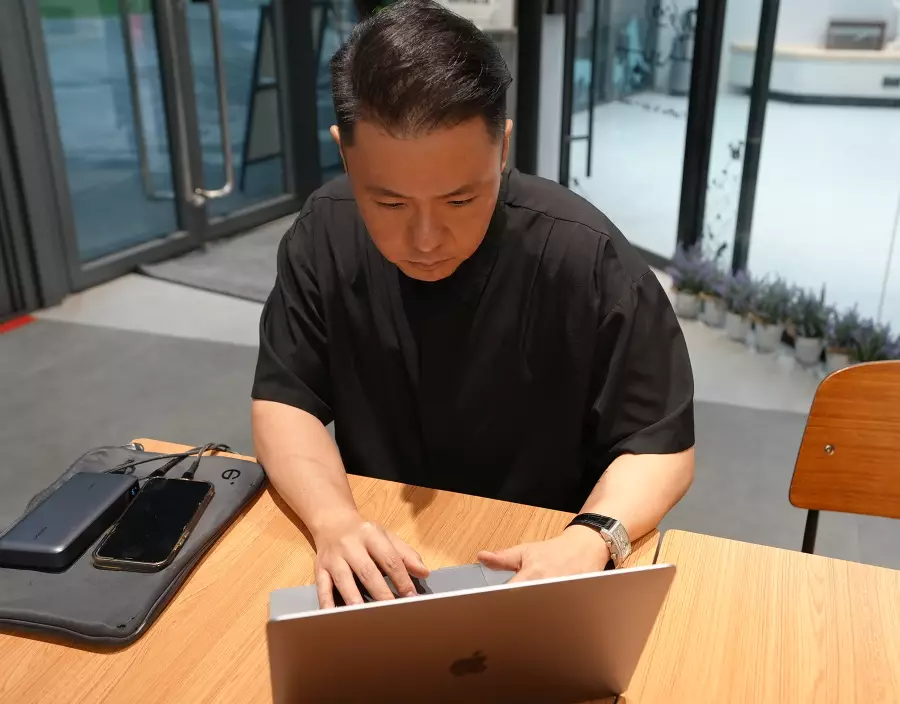
Mr. Bruce Chu, Photo by Bastille Post
AI Realizes Directorial Dream
Click to Gallery
Mr. Bruce Chu, Photo by Bastille Post
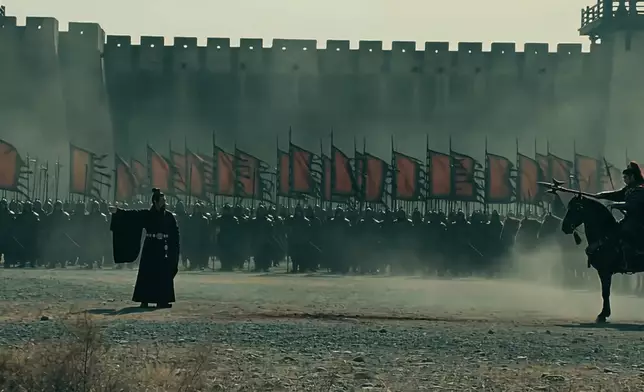
Screenshot from the TV series
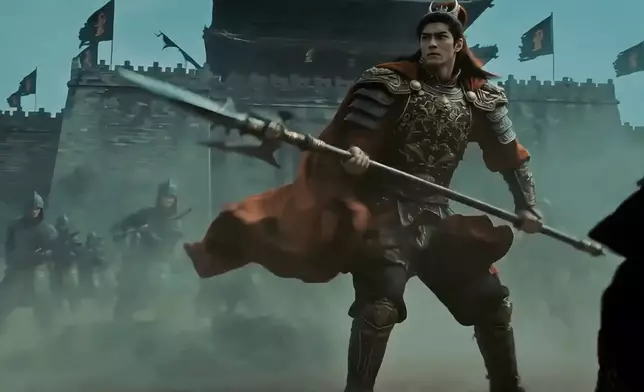
Screenshot from the TV series
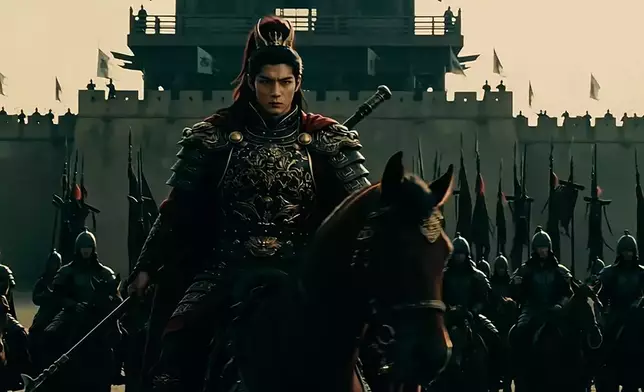
Screenshot from the TV series
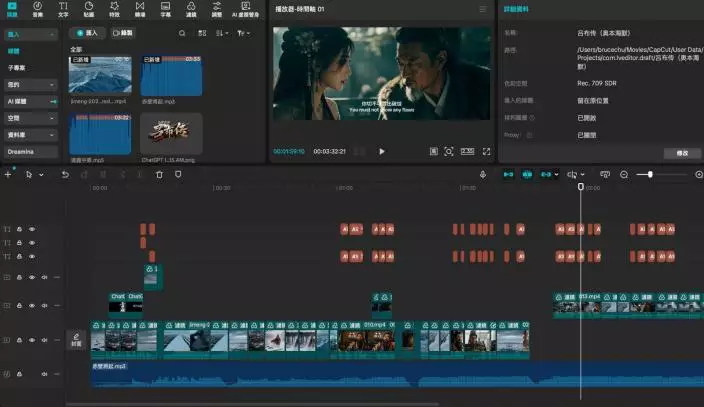
Mr. Chu completed the trailer entirely on his own, Photo by Bastille Post
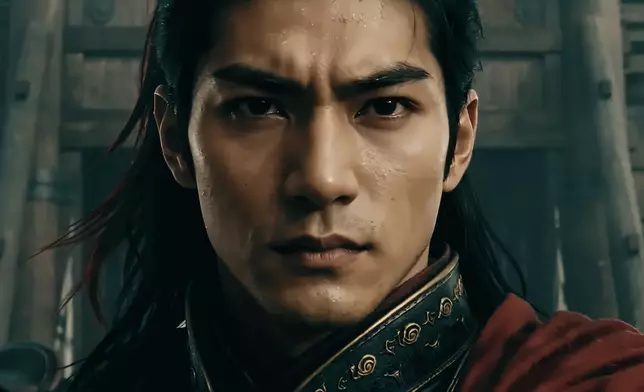
Lü Bu in the drama series
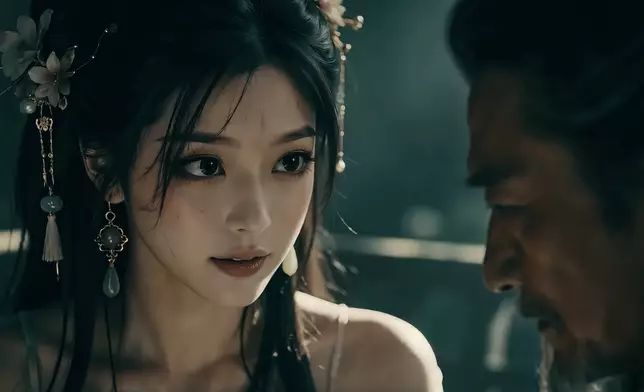
Diaochan in the drama series
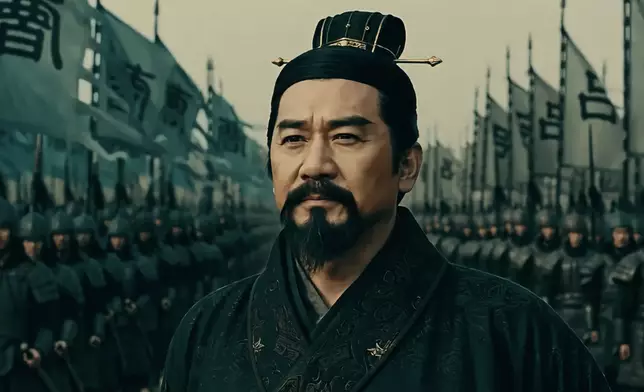
Cao Cao in the drama series
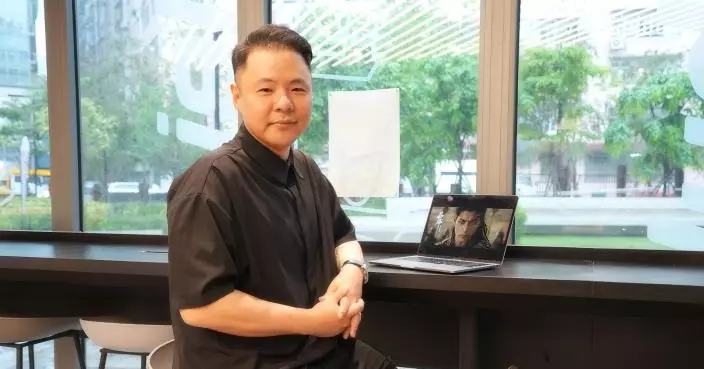
Mr. Bruce Chu, Photo by Bastille Post
Born and raised in Hong Kong by parents from Northern China, Mr. Chu grew up speaking Mandarin at home and Cantonese outside the home, with fluency in both. With over 25 years of experience in the advertising industry, he currently works as an advertising producer, having organized brand launches and fashion shows before moving into advertising and marketing.
Yet advertising was never his true calling. "I've always had a deep interest in film and television," he admitted. Over the years, while watching movies and web series, he developed a habit of studying shooting techniques, camera angles, and lighting. "Beyond the story, I also look at how the shots are done, how the lighting creates a certain mood."
For years, that dream remained unfulfilled. About a decade ago, when online films began emerging in the Chinese Mainland, he tried his hand at small productions. But without formal training, he found it difficult to break into the industry. "Unless I fully finance a film myself, there's no way I could suddenly become a director." That gap, he said, has only now been bridged — by AI.
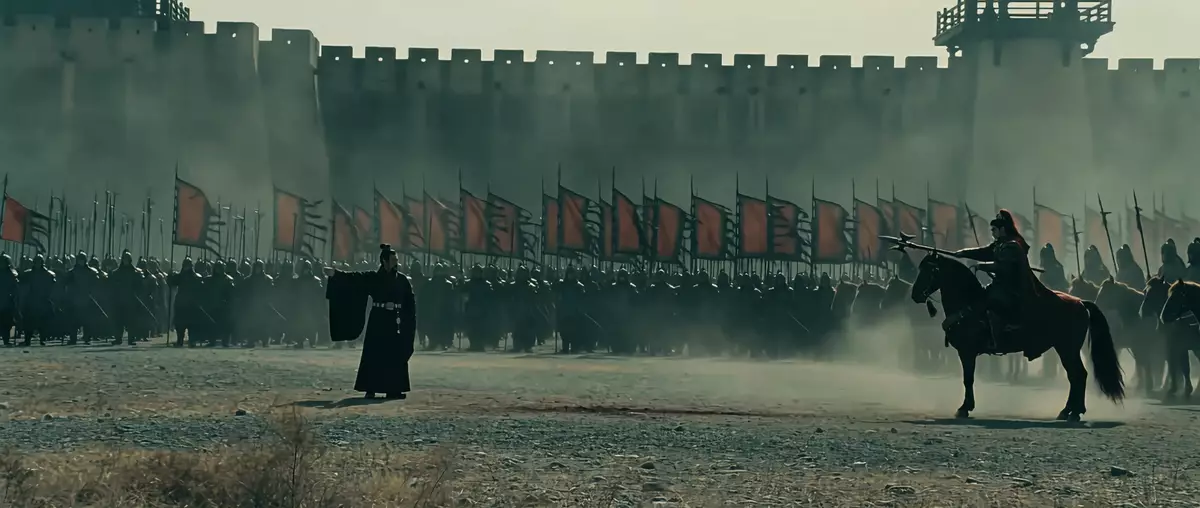
Screenshot from the TV series
Seedance 2.0: A Game-Changer for Output Quality
In early 2025, Mr. Chu began experimenting with various AI video generation tools, starting with "Seashell AI". While it could generate basic videos, the image quality was unstable, character consistency was poor, and the output often suffered from glitches, such as six-fingered hands, unnatural movements, and violations of basic physics.
He noticed many creators using AI to generate kung fu short films, like fictional fights between Donnie Yen and Bruce Lee, but he felt these were more like social media entertainment than complete stories. In early 2026, after ByteDance launched Seedance 2.0, an AI video generation model, he finally met his ideal creative partner. With its cinematic-quality output and "Omni-Reference" technology, Seedance 2.0 fundamentally solved the problem of inconsistent character faces, ensuring that the same character maintains a consistent appearance across different scenes. That was when Mr. Chu decided to officially move forward.
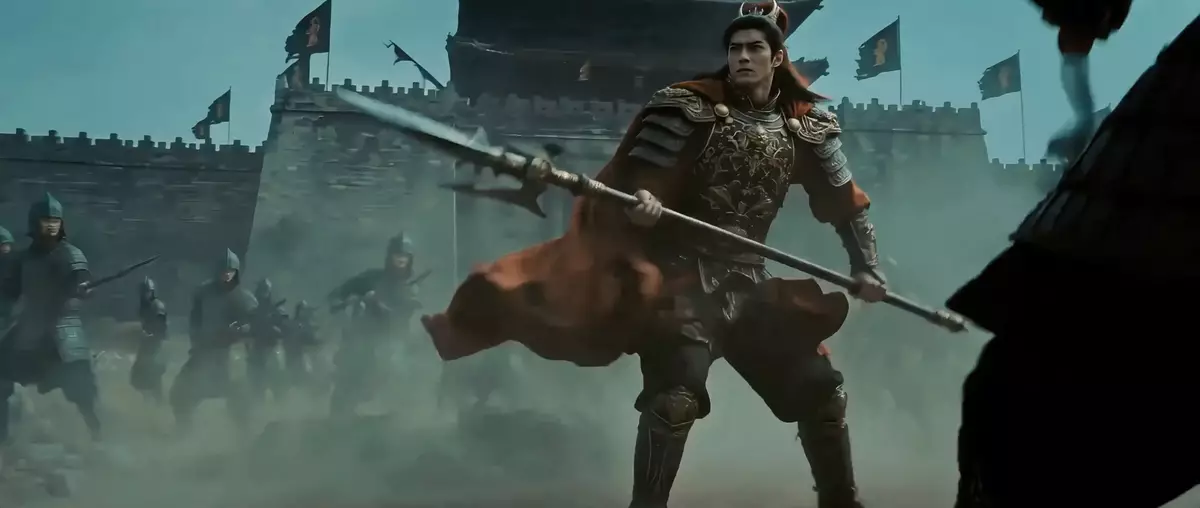
Screenshot from the TV series
"After testing it, I found the results to be really good," he said. He then dove into crafting prompts, repeatedly fine-tuning facial expressions of characters, lighting parameters, and camera movements. Seedance 2.0 can generate clips of up to 15 seconds at a time, and the prompts he wrote for each clip often ran 400 to 600 words, roughly the length of a short article. He typed everything manually, occasionally using AI assistance, and handled the editing himself. "The clearer and more detailed the description I give the AI, the better the final video I get."
Lü Bu: An IP with Natural Hit Potential
After selecting the tool, Mr. Chu chose Lü Bu, a well-known warrior from the Three Kingdoms period, as his first filming IP. His reason was simple: he had loved Three Kingdoms history since childhood, having read both the historical novel Romance of the Three Kingdoms and the official historical text Records of the Three Kingdoms.
After repeated comparisons, he noticed a significant "blank space" in Lü Bu's character arc. "Everyone knows he came from Inner Mongolia and first served Ding Yuan, then Dong Zhuo. But no one really knows how he rose to power step by step. In film and television, I have a lot of creative freedom — As long as the ending aligns with history, everything in between can be created." He also noted that Lü Bu is a name that spans history, games, and pop culture, making it an IP with natural hit potential.
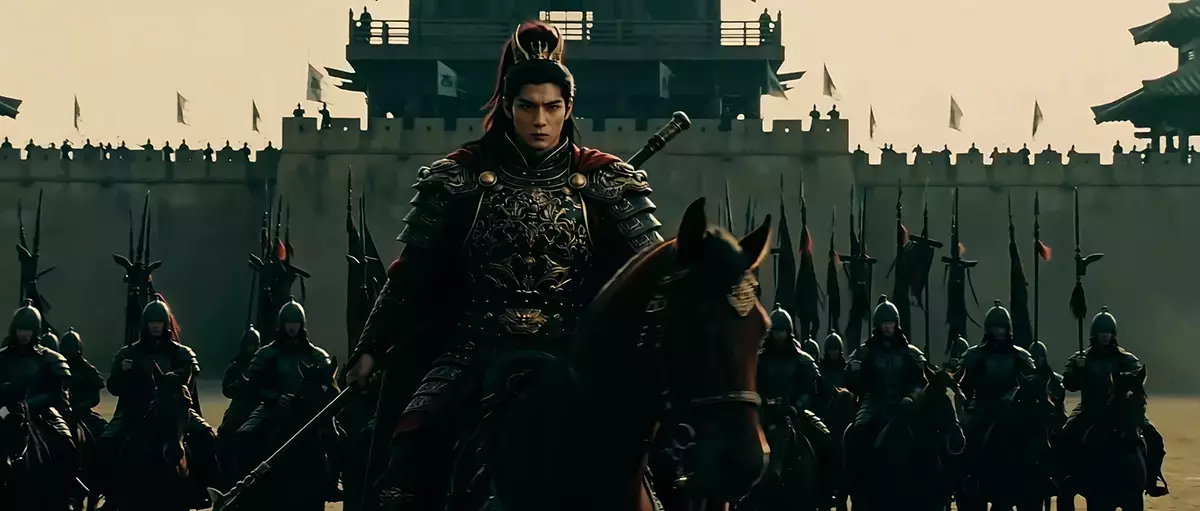
Screenshot from the TV series
Mr. Chu completed the trailer entirely on his own, handling everything from creative conception and scriptwriting to AI generation, editing, color grading, and music composition. He spent the first two days generating and modeling materials, then began editing late on the third day. "Once I start working, I can't stop. If I pause, the inspiration will disappear. So I just kept editing until it was finished." He worked from 11 p.m. until 3 or 4 a.m. and finally finished the work.
What the outside world sees as a three-day turnaround was backed by the generation and selection of 60 video clips. Mr. Chu habitually uses a reverse editing method: He first selects background music from all the footage, then pieces together the visuals according to the music's rhythm. "I listen to the track and think about where to pause, where to put which visuals, and choose the one that feels right." Throughout production, he constantly revised the script. "The first draft of the first two episodes and the final product are two different things. If I suddenly feel the footage is dull, I might introduce a character earlier, like a director rewriting the script on set."
The 80-Episode Drama is On the Way
After the trailer was released on March 24 on the film and television industry platform, it didn't immediately go viral on mainstream social media. Instead, it first circulated among film and advertising professionals, and the response exceeded expectations. That industry enthusiasm led Mr. Chu to officially launch the full short drama series. To date, the script is complete, with approximately 80 episodes, each lasting about 1.5 to 2 minutes. With a total length equivalent to one or two feature films, the series uses a 16:9 horizontal aspect ratio, adopting a short drama format while maintaining a cinematic quality.
Mr. Chu completed the trailer entirely on his own, Photo by Bastille Post
High-Quality Content Worth Expectation
As for the content structure, martial arts, romance, and political intrigue each account for about one-third of the plot. Mr. Chu acknowledges that Lü Bu is traditionally viewed in a negative light. "Everyone calls him a traitor who served three masters. But I want to tell the story from his perspective. Though he was seen as disloyal at the time, there were other reasons behind it." In his view, he hoped the audience could gain a new angle to understand Lü Bu.
At the same time, the characters are all designed to be "handsome men and beautiful women". The storyline covers Lü Bu's rise from commoner to powerful figure and his eventual fate, with ample "historical gaps" providing creative space for Mr. Chu to explore.
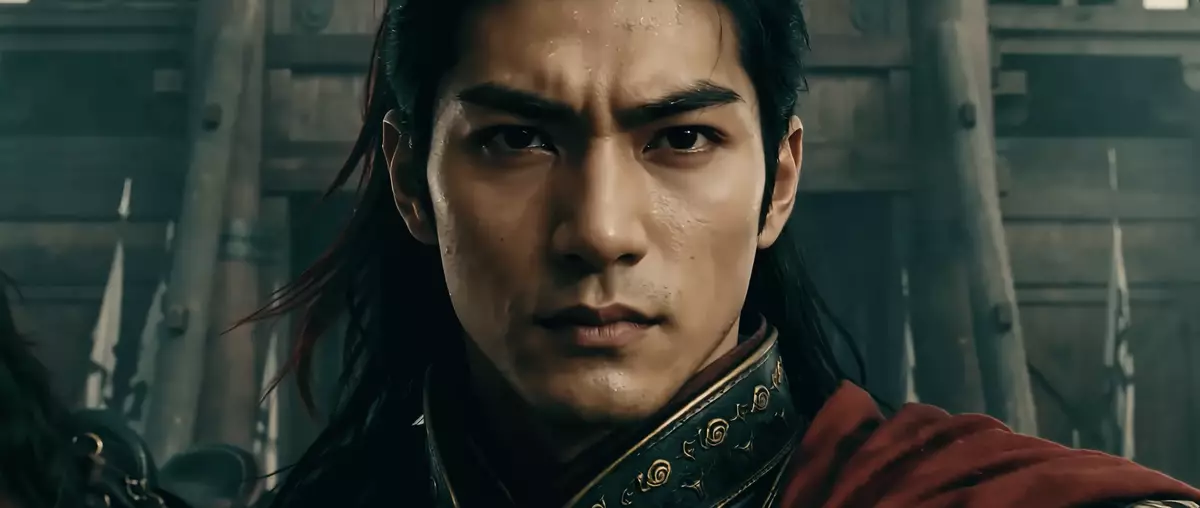
Lü Bu in the drama series
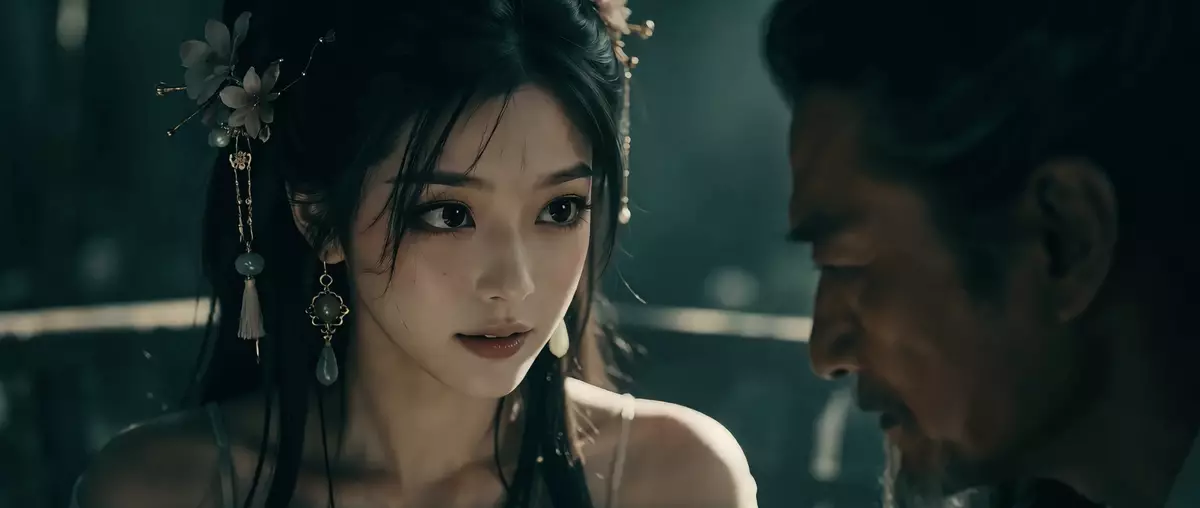
Diaochan in the drama series
Though Mr. Chu owns a small collaborative team of some members in Hong Kong and Shenzhen, handling advertising and other commissioned production projects through cloud-based communication and operations, he chose to independently produce all 80 episodes of The Legend of Lü Bu. "Only I know what I want. If the result isn't good, I can't blame anyone else."
Low-Quality AI Dramas Removed, Making Space for Quality
Mr. Chu distinguishes his approach from that of many AI short drama companies in the Chinese Mainland. "Many Mainland companies are releasing one film every few days, chasing rapid quantity," he said, adding that he has no interest in following that path. "I only produce high-quality content. I want to establish our company's IP as a quality guarantee. In the future, when people see something that is produced by us, they'll know the quality is up to standard."
Just days prior to our interview, the short drama platform of Douyin (the Chinese version of TikTok) announced the removal of more than 3,300 AI-generated short dramas that had been classified as low-quality. Mr. Chu viewed this development as positive news. "When there are enough platforms, audience will naturally filter out low-quality works. It's inevitable, just like the market reshuffle that took place ten years ago after iQiyi, Tencent, and Youku built up their user bases." He expressed his expectation that the platform's rating mechanism would benefit high-quality content. In addition to ad revenue sharing, high-rated works are set to receive traffic support from the platform, effectively assisting creators in promoting their work.
Production to Wrap Around June, Targeting a July Launch
Mr. Chu planned to complete all production by May or June, with a target launch date of July, at which point he will officially enter the Mainland market. He is currently in talks with several distribution platforms, though no final partnership has been finalized. "I need to see who can provide the most resources. Simply providing streaming traffic and having a full promotional plan are two different things." He is also considering setting up a permanent office in Qianhai, Shenzhen, to take advantage of subsidy policies for talents from Hong Kong.
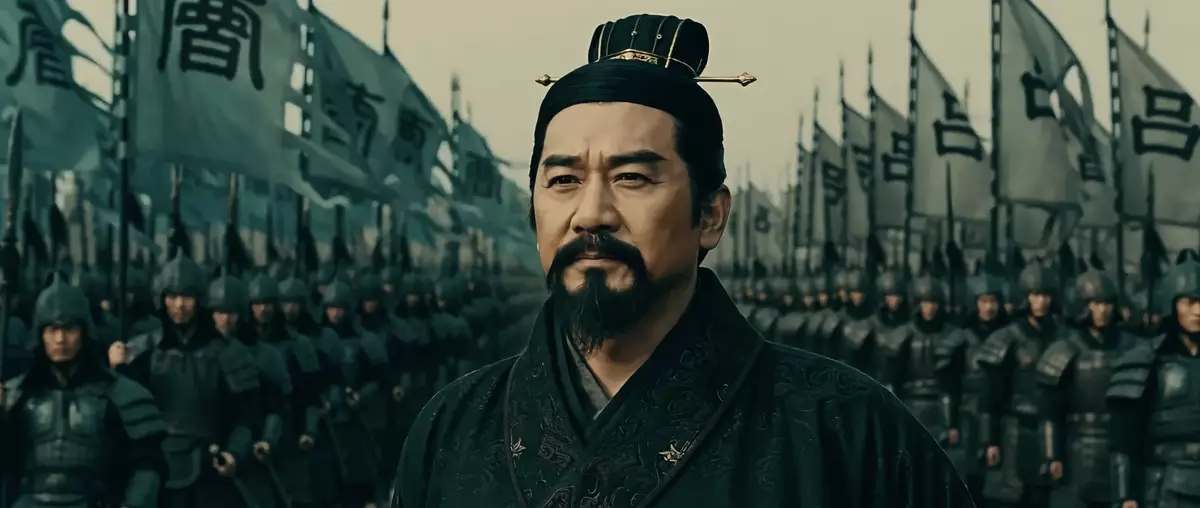
Cao Cao in the drama series
As for overseas markets, he said he has considered it, but is taking things one step at a time. "Foreigners are watching short dramas now, too. Chinese dramas with English subtitles are already finding audiences overseas. But for now, we just need to focus on doing well domestically." The overseas micro-drama market has been growing steadily in recent years. According to the statistics of DataEye Research Institute, the market size exceeded $4 billion in 2025.
From advertising producer to a one-person production team, Mr. Chu realized his directorial dream in just three days. A mere two months after the 2026 Spring Festival, he was about to release his own drama series. "I never expected the dream could be realized so soon."
Mr. Bruce Chu, Photo by Bastille Post
Beyond The Legend of Lü Bu, a local AI film and television brand is beginning to take shape, built on the creation and diligence of one determined Hong Kong creator.