An 18-year-old man was arrested Wednesday in connection with a weekend shooting that left one woman dead and 22 other people wounded during a nighttime party beside an Oklahoma lake, police said.
Jaylan A. Davis was arrested on a charge of assault with a deadly weapon in the wake of Sunday night's shooting, which erupted after an apparent argument broke out amid a large crowd gathered at Arcadia Lake in the north Oklahoma City suburb of Edmond, its police chief said.
Click to Gallery
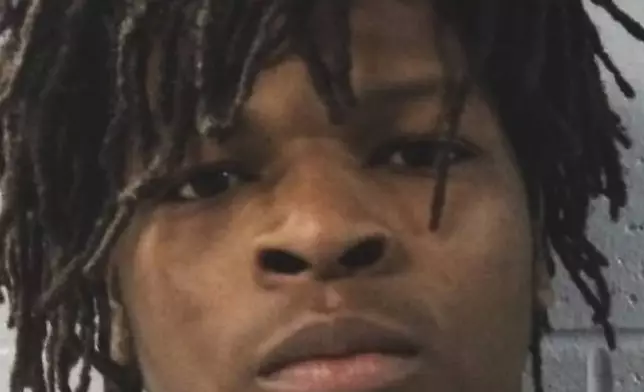
This undated booking photo provided by Edmond, Okla., Police Department shows Jaylan A. Davis, who is charged in connection with a mass shooting that took place, Sunday, May 3, 2026, at Arcadia Lake, north of Oklahoma City. (Edmond Police Department via AP)
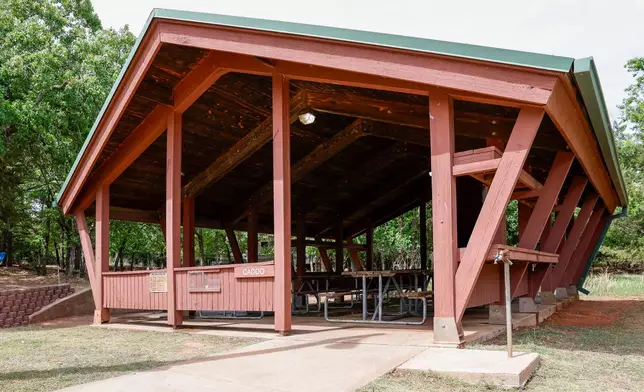
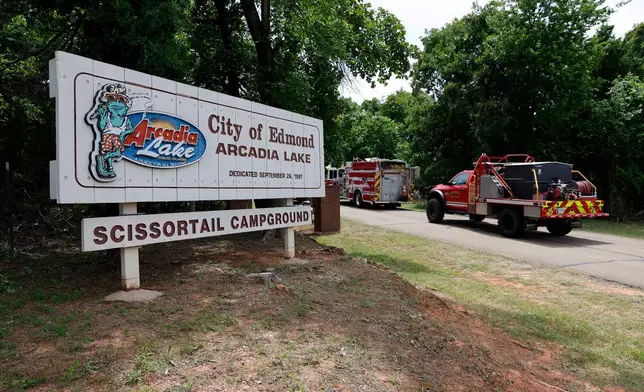
A view of the pavilion where shootings took place inside Scissortail Campground at Arcadia Lake in Edmond, Okla. on Monday, May 4, 2026 a day after a party shooting on Sunday evening. (AP Photo/Alonzo Adams)
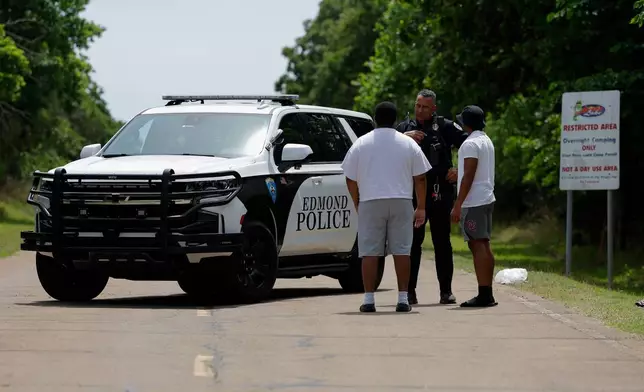
Police talks to two guys at the entrance to Scissortail Campground at Arcadia Lake in Edmond, Okla. who are wanting to get their belongings from the campground on Monday, May 4, 2026 after a party shooting on Sunday evening. (AP Photo/Alonzo Adams)
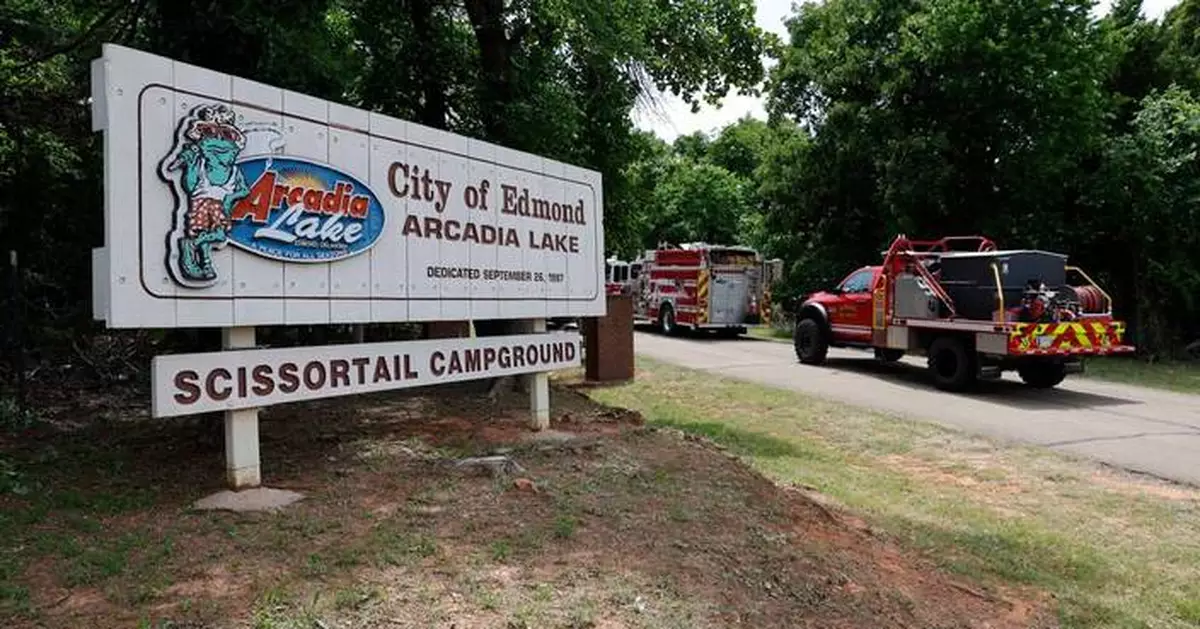
Edmond fire crews enter Scissortail Campground at Arcadia Lake in Edmond, Okla. on Monday, May 4, 2026 after a party shooting on Sunday evening. (AP Photo/Alonzo Adams)
Edmond Police Chief J.D. Younger announced the arrest at a news conference and said the initial charge against Davis was in the process of being upgraded to felony murder following the death of an 18-year-old woman who was shot. Police identified the woman as Avianna Smith-Gray.
Davis was being held in the Edmond jail on a $1 million bond. He was listed in jail records as an Oklahoma City resident.
There was no lawyer listed for Davis in court documents, and the Oklahoma County Public Defender’s Office said Davis would not be assigned an attorney until the upgraded charges have been filed.
Detectives believe the incident began with an argument between two women attending the gathering and escalated into an altercation between rival gang members, the police chief said. Younger also said police think there is at least one more suspect.
In addition to the 18-year-old woman killed, authorities said, others suffered gunshot and shrapnel wounds as dozens of shots were fired at the popular boating, fishing and swimming lake some 20 miles (32 kilometers) north of downtown Oklahoma City.
Six of the victims are juveniles, some as young as 15, Younger said.
Davis turned himself in Wednesday morning after police produced an arrest warrant, the chief said.
“We’re trying to find justice for 23 people that were shot, one that’s deceased and even the people that were involved. I think it’s important not to demonize or separate the parties here,” Younger said.
He added that multiple people discharged weapons and that more than 80 rounds were fired.
The woman who died, Smith-Gray, was a high school senior who was looking forward to walking the stage at her upcoming graduation, her family said on a fundraising page for her funeral expenses. The family said she loved to dance, sing, do hair and much more. Her sisters described her as a loving, smart person who was good with kids and “so full of life.”
The party had been promoted across social media and drew a large crowd of mostly young adults from around the Oklahoma City area to a picnic pavilion beside the lake. The shooting occurred just as officers were responding to a noise complaint about the party, police said.
Authorities noted that organizers hadn't sought the necessary reservations for such an event.
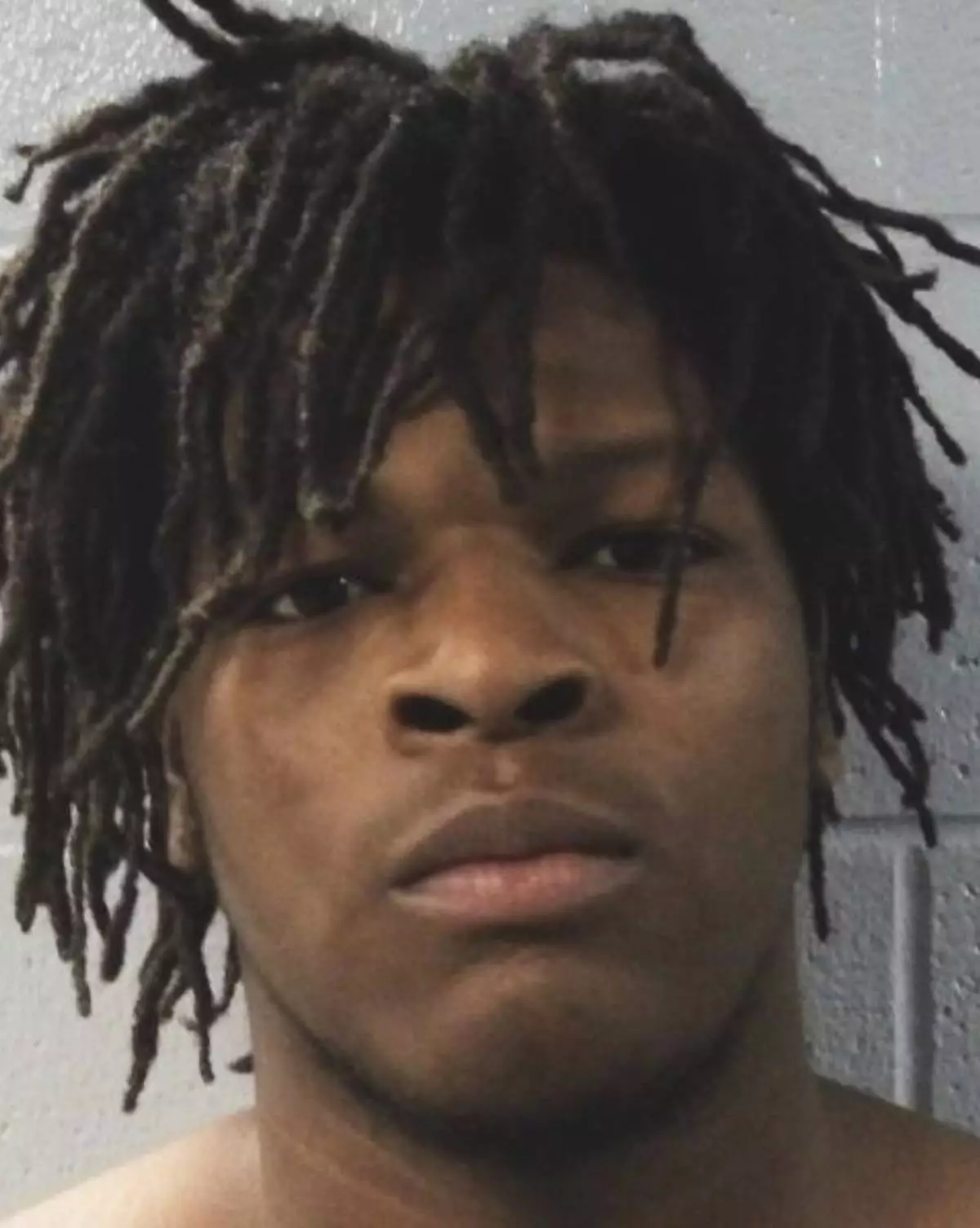
This undated booking photo provided by Edmond, Okla., Police Department shows Jaylan A. Davis, who is charged in connection with a mass shooting that took place, Sunday, May 3, 2026, at Arcadia Lake, north of Oklahoma City. (Edmond Police Department via AP)
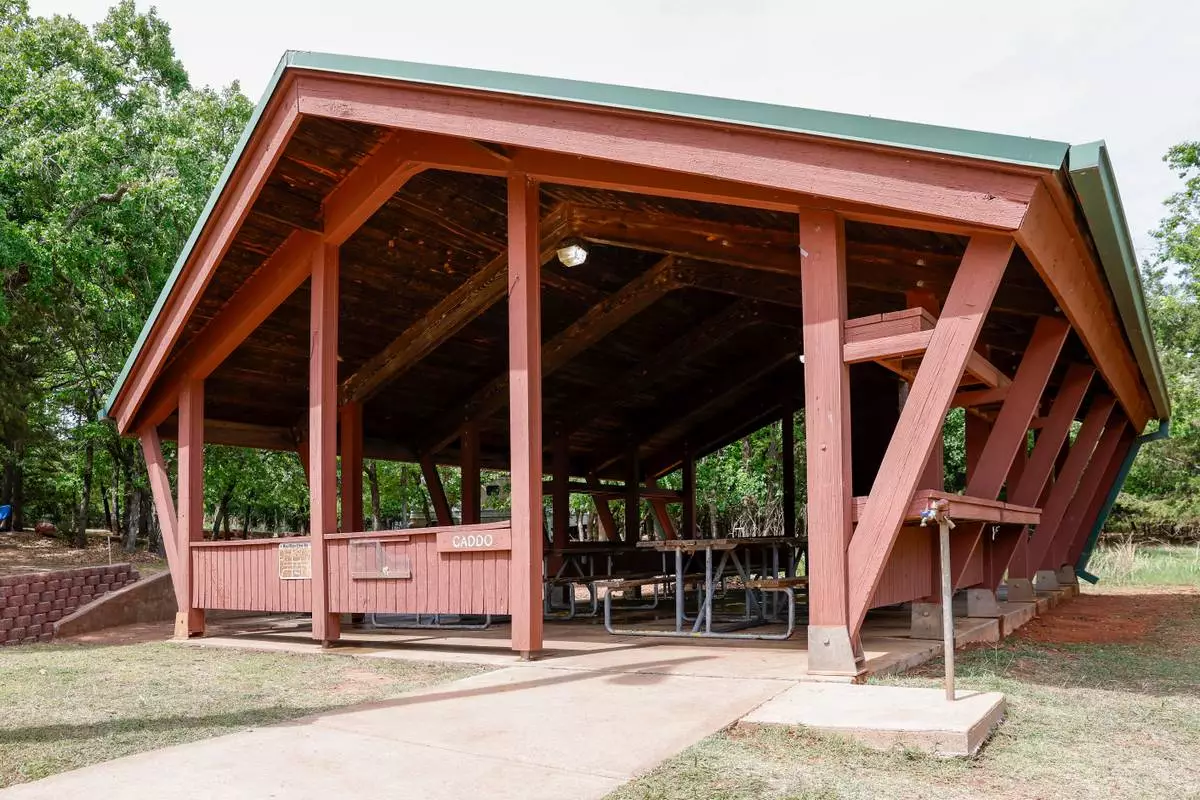
A view of the pavilion where shootings took place inside Scissortail Campground at Arcadia Lake in Edmond, Okla. on Monday, May 4, 2026 a day after a party shooting on Sunday evening. (AP Photo/Alonzo Adams)
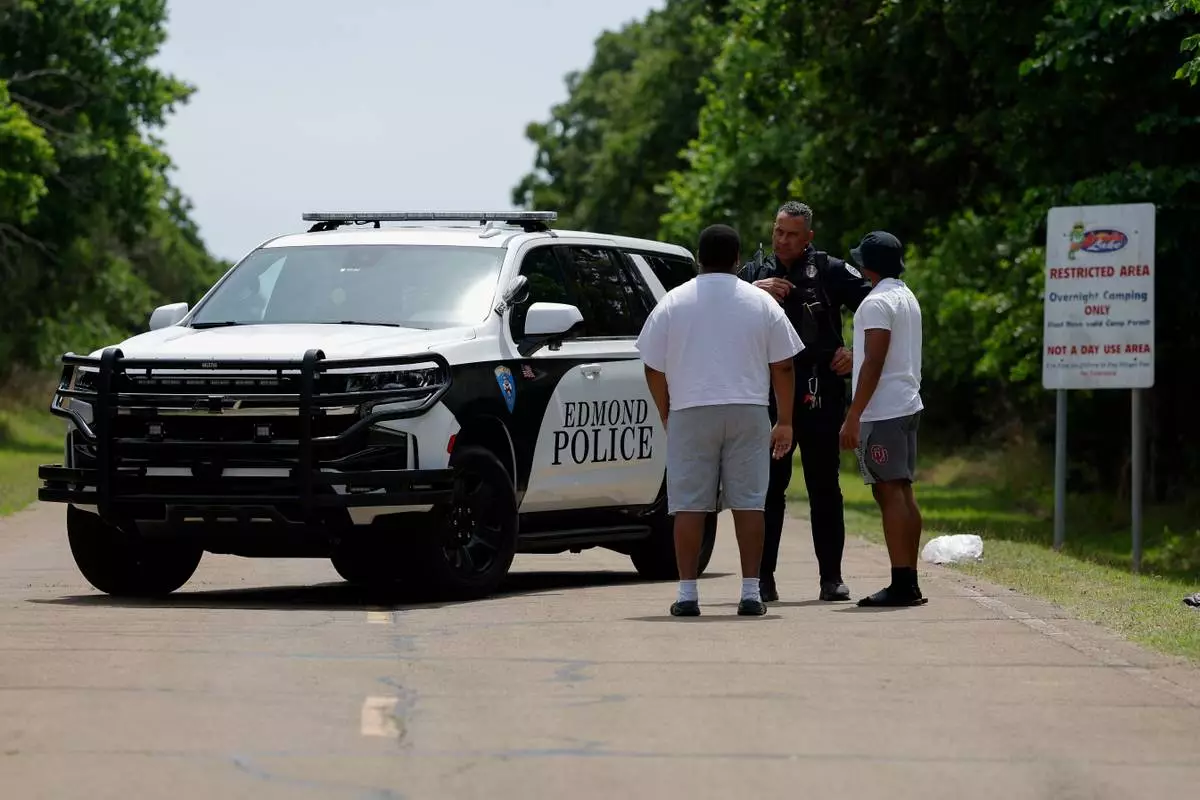
Police talks to two guys at the entrance to Scissortail Campground at Arcadia Lake in Edmond, Okla. who are wanting to get their belongings from the campground on Monday, May 4, 2026 after a party shooting on Sunday evening. (AP Photo/Alonzo Adams)
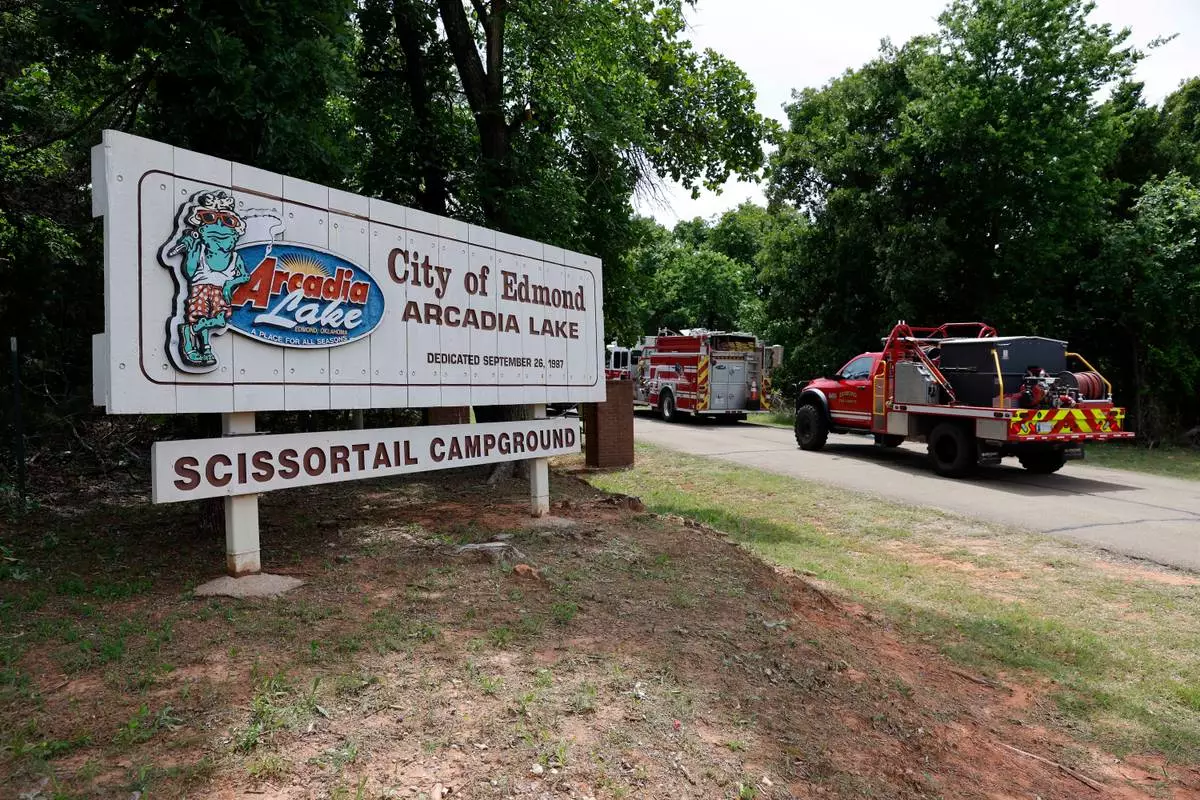
Edmond fire crews enter Scissortail Campground at Arcadia Lake in Edmond, Okla. on Monday, May 4, 2026 after a party shooting on Sunday evening. (AP Photo/Alonzo Adams)
NEW YORK (AP) — Ted Turner could never be defined by just one role. He was a media mogul, philanthropist and conservationist. A yachtsman who won boating’s most famous race and owner of a baseball team that captured the World Series trophy.
The brash television pioneer who died Wednesday made his greatest mark on the news business when he launched CNN nearly a half-century ago and with it, the 24-hour cable news cycle — a revolutionary moment that transformed the industry.
His media empire grew to include CNN International, the Cartoon Network, TNT and Turner Classic Movies. Then he used his riches to become one of America’s most extensive landowners, dedicating his final years to preserving natural habitats, saving endangered species and reducing nuclear weapons.
Turner died at age 87 while surrounded by his family, according to Turner Enterprises, which oversees his vast businesses and investments. A cause was not released. He was diagnosed in 2018 with Lewy body dementia, a progressive neurological disorder.
A Southerner with outspoken wit, he earned the nicknames “Captain Outrageous” and “The Mouth of the South” during his youthful years.
“If only I had a little humility, I’d be perfect," he once bragged.
Turner was a celebrity in his own right when he married actor Jane Fonda in 1991, just before being named Time magazine’s Man of the Year.
“He swept into my life, a gloriously handsome, deeply romantic, swashbuckling pirate and I’ve never been the same,” Fonda wrote Wednesday on Instagram.
Slowed late in life by his illness and long out of the television business, Turner concentrated on philanthropy — donating a stunning $1 billion to United Nations charities — and his more than 2 million acres (800,000 hectares) of property, including the nation’s largest bison herd.
His garrulous personality sometimes overshadowed a driven, risk-taking business acumen. By the time he sold his Turner Broadcasting System to Time Warner Inc. in a 1996 media megadeal, Turner had turned his late father’s billboard company into a global conglomerate that included seven major cable networks, three professional sports teams and a pair of hit movie studios.
President Donald Trump on Wednesday called him “one of the Greats of All Time.”
Turner’s signature achievement was creating CNN, the first 24-hour, all-news television network in 1980. It was born of frustration — he often worked late after network newscasts had gone off the air, and was in bed by the time his local stations did their own news.
He took a chance by launching what some called the “chicken noodle network” in the early days of cable television, living in an apartment above its Atlanta office.
“I was going to have to hit hard and move incredibly fast and that’s what we did — move so fast that the (broadcast) networks wouldn’t have the time to respond, because they should have done this, not me,” Turner recalled in a 2016 interview with The American Academy of Achievement. “But they didn’t have the imagination.”
CNN’s breakthrough came during the Gulf War with Iraq in 1991. Most television journalists fled Baghdad. CNN stayed, capturing images of the war’s outbreak, with anti-aircraft tracers streaking across the sky and correspondents flinching from the concussion of bombs.
“His first love was family and he had five children. But very close behind, he’s always told me that his greatest achievement was CNN. But he had so many over the years,” Tom Johnson, CNN's president from 1990 to 2001, told The Associated Press on Wednesday.
Turner was promised a role in CNN after his company’s sale to Time Warner for $7.3 billion in stock but was gradually pushed out, much to his regret.
“I made a mistake,” he later said. “The mistake I made was losing control of the company.”
That same year — 1996 — saw the birth of Fox News Channel and arrival of a new dominant mogul in cable news, Rupert Murdoch. Turner once compared Murdoch to Adolf Hitler. The bitter rivals later reconciled over environmental concerns.
Warner Bros. Discovery CEO David Zaslav on Wednesday called Turner a visionary and a trailblazer.
“Ted’s entrepreneurial spirit, creative ambition and willingness to take risks changed the media industry forever,” Zaslav said in a note to employees at Warner, CNN’s parent company, which is nearing a mega merger with Paramount.
Robert Edward Turner III was born Nov. 19, 1938, in Cincinnati. When he was 9, his family moved to Savannah, Georgia. After being expelled from Brown University for sneaking a female student into his room, Turner came to Atlanta to work for his father’s billboard company.
His ambitions at that point were broad, he later recalled: “I used to tell people I wanted to become the world’s greatest sailor, businessman and lover all at the same time.”
After his father’s 1963 suicide, Turner took over the company. In 1970, he bought an independent UHF station with a signal so weak it didn’t even cover Atlanta.
On Dec. 17, 1976, he began transmitting the station to cable systems across the country via satellite. It became TBS Superstation. “It was the start of something bigger than we ever imagined,” Turner said.
TBS’ collection of old movies and “The Andy Griffith Show” reruns was augmented by Turner’s acquisition of baseball’s Atlanta Braves, which slowly attracted fans across the nation and declared themselves “America’s team.”
Major League Baseball Commissioner Rob Manfred said Turner transformed how fans experience sports.
In the 1980s, Turner went deeply into debt to buy MGM, another move greeted with skepticism.
But the acquisition gave his company a huge library of vintage movies that eventually launched the TNT and Turner Classic Movies networks. His devotion to older movies earned Turner a star on the Hollywood Walk of Fame in 2004. He was also criticized for adding color to classic movies like “Casablanca,” which he said he did to appeal to a younger audience.
TBS also acquired the Hanna-Barbera animation library, which led to the Cartoon Network.
“He sees the obvious before most people do,” Bob Wright, former president and CEO of NBC, told The New Yorker in 2001. “We all look at the same picture, but Ted sees what you don’t see. And after he sees it, it becomes obvious to everybody.”
Asked to share the secret to his success, Turner said: “Early to bed, early to rise, work like hell and advertise.”
Married three times, the mustachioed Turner wooed beautiful women with a roguish charm. He was married to Fonda from 1991 to 2001. She quit acting while married to Turner, but tired of his philandering and divorced him, although they remained friends.
“He was sexy. He was brilliant. He had 2 million acres by the time I left. It would have been easy to stay,” Fonda once said.
He struck up friendships with world leaders, bonding with Cuban leader Fidel Castro over hunting and arguments about politics.
Turner's sports empire included professional baseball, basketball and hockey teams in Atlanta, but he was best remembered at the helm of the Braves, turning the perennial doormats into World Series champions in 1995. Their former stadium, built for the 1996 Olympics, was named Ted Turner Field.
He acquired millions of acres in ranches complete with roaming buffalo. He spoke often of reviving the West’s bison herds, and in 2002 started a restaurant chain serving bison burgers, Ted’s Montana Grill.
Forbes estimated his net worth at $2.8 billion at the time of his death.
He had enough time, and money, to devote his energy to such lofty goals as promoting world peace and protecting the environment.
“See, my life is more an adventure than a quest to make money. Adventure is going out and doing something for the pure hell of it,” Turner once said. “You just want to see if you can do it, period. There’s no thought of gain other than your own satisfaction.”
Through the years, Turner’s antics occasionally overshadowed his business activities.
Fresh from skippering his boat “Courageous” to the 1977 America’s Cup title, a very inebriated Turner was captured by TV cameras stretched out on the floor at the victory celebration.
Turner managed to insult many with his shoot-from-the-lip style. An atheist since his only sister died of lupus at age 17, he called Christians “losers” and “Jesus freaks,” later apologizing.
He once suggested in a speech that unemployed Black people be used to haul mobile missiles with ropes “like the Egyptians building the pyramids.” He said he was joking after civil rights leaders demanded an apology. And he once told an audience in Berlin that “you Germans had a bad century.”
“You were on the wrong side of two wars. You were the losers. I know what that’s like. When I bought the Atlanta Braves, we couldn’t win, either. You guys can turn it around. You can start making the right choices. If the Atlanta Braves could do it, then Germany can do it,” Turner said, according to The New Yorker.
Turner's 1997 pledge to give $100 million a year for 10 years to United Nations charities made him a leader in American philanthropy. He made good on his promise even as his fortune shrank after the AOL Time Warner merger, calling it the best hope for peace.
U.N. Secretary-General Antonio Guterres on Wednesday called Turner “a visionary whose conviction, generosity and audacious spirit left a lasting imprint on the United Nations and our world.”
Turner promoted a range of humanitarian causes. He joined former U.S. Sen. Sam Nunn to start the nonprofit Nuclear Threat Initiative.
“If I had to predict, the way things are going, I’d say the chances are about 50-50 that humanity will be extinct in 50 years,” Turner said in 2003. “Weapons of mass destruction, disease, I mean this global warming is scaring the living daylights out of me.”
Bauder, a longtime media writer who retired from The Associated Press in 2026, was the principal writer of this story. Seewer reported from Toledo, Ohio. Former Associated Press correspondent Ryan Nakashima and AP writers R.J. Rico in Atlanta, Edith M. Lederer at the United Nations and Susan Montoya Bryan in Albuquerque, New Mexico, contributed.
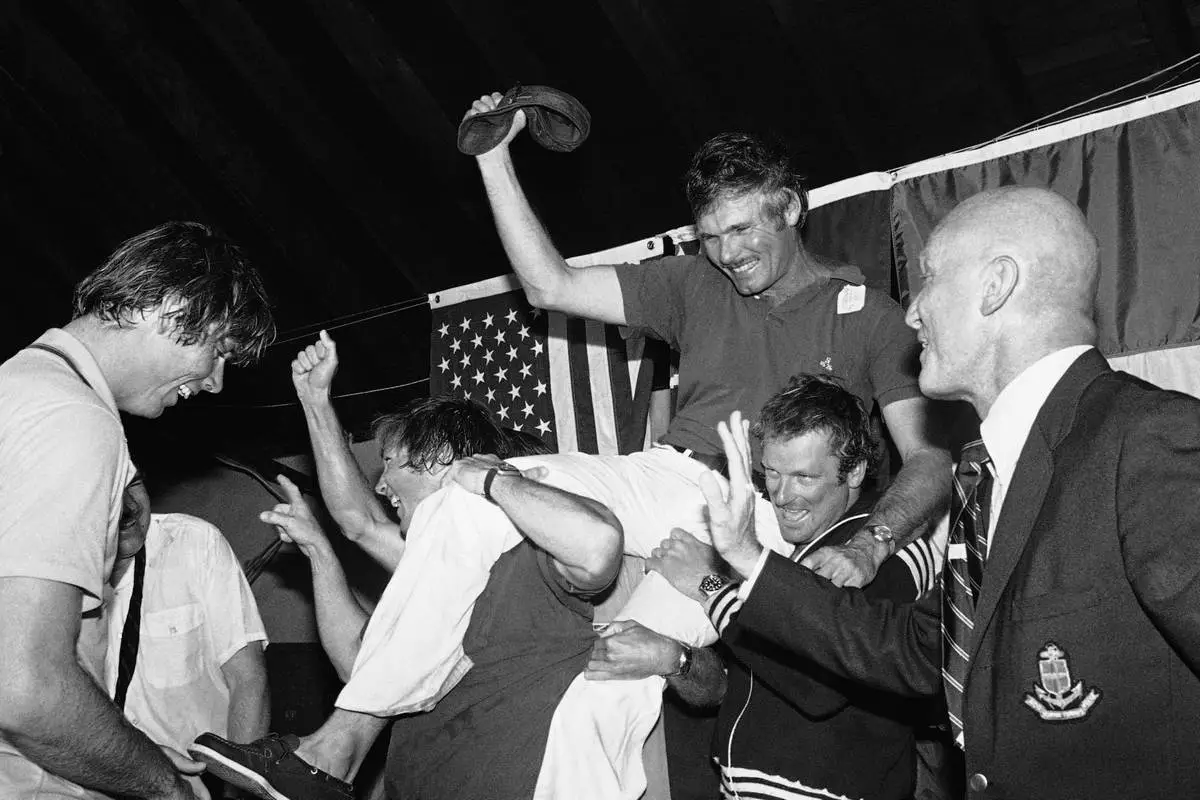
FILE - Ted Turner, center, is carried off by his crew following a news conference after his vessel Courageous won the Americas Cup sailing race, Sept. 19, 1977, in Newport, R.I. At right is Bill Ficker, skipper of cup winner Intrepid in 1970. (AP Photo/J. Walter Green, File)
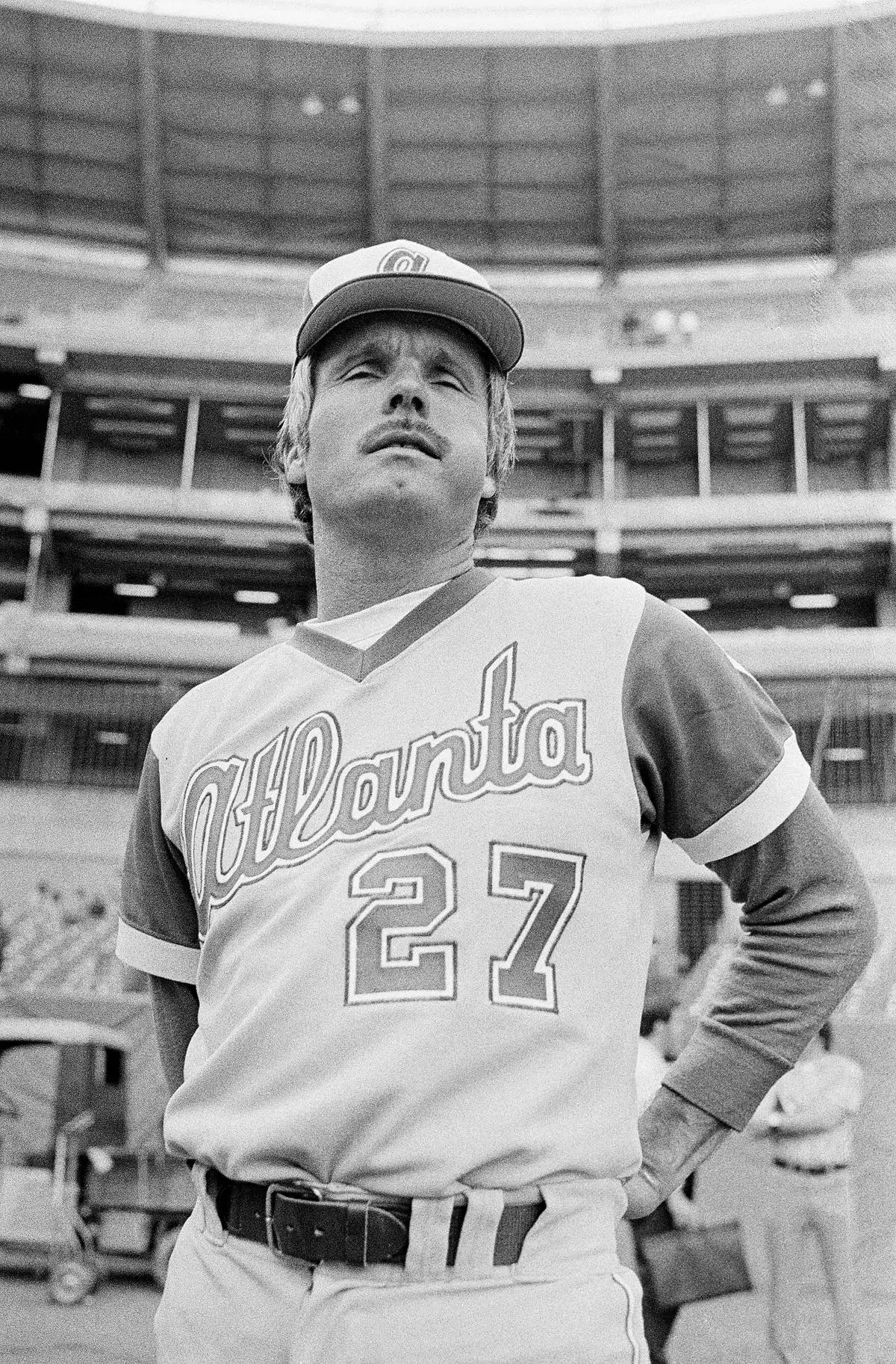
FILE - Ted Turner, owner of the Atlanta Braves, took over as manager of the Braves prior to the game, May 11, 1977, in Pittsburgh. (AP Photo, File)
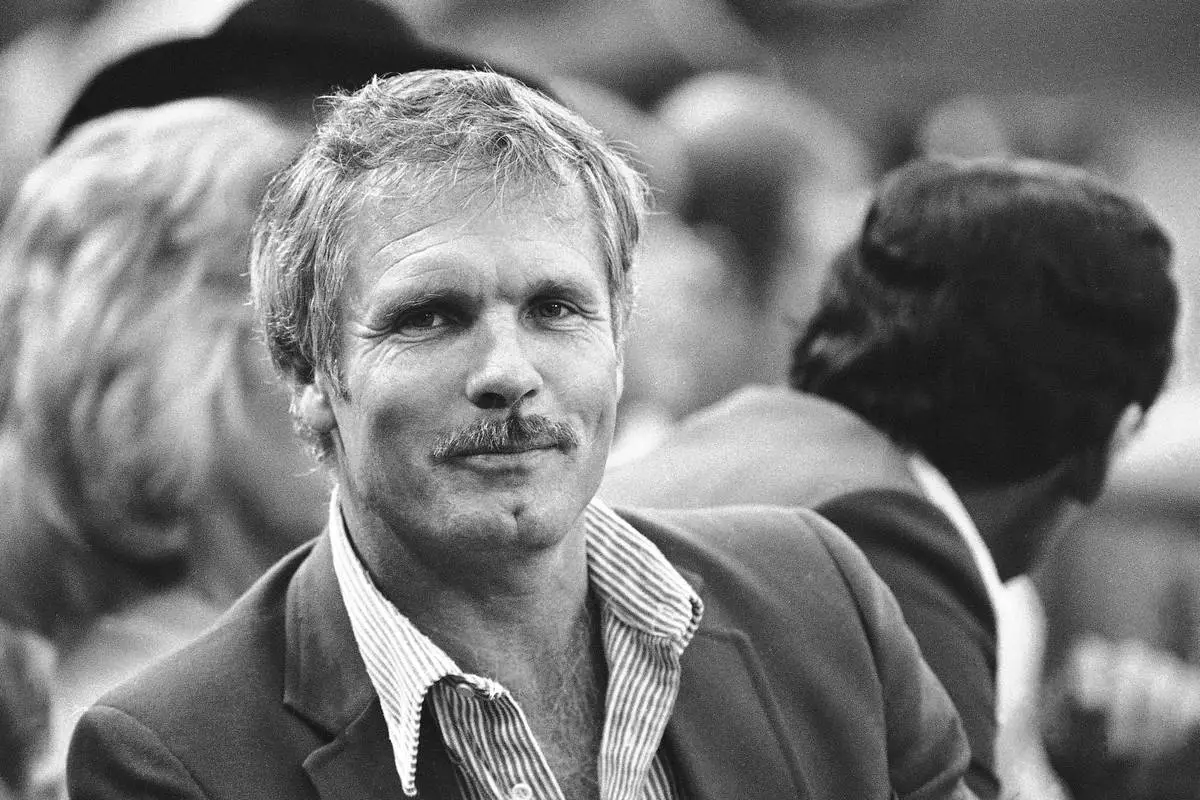
FILE - Atlanta Braves owner Ted Turner watches his team in action against the St. Louis Cardinals during the first National League Championship game, Oct. 6, 1982, St. Louis. (AP Photo/Rusty Kennedy, File)
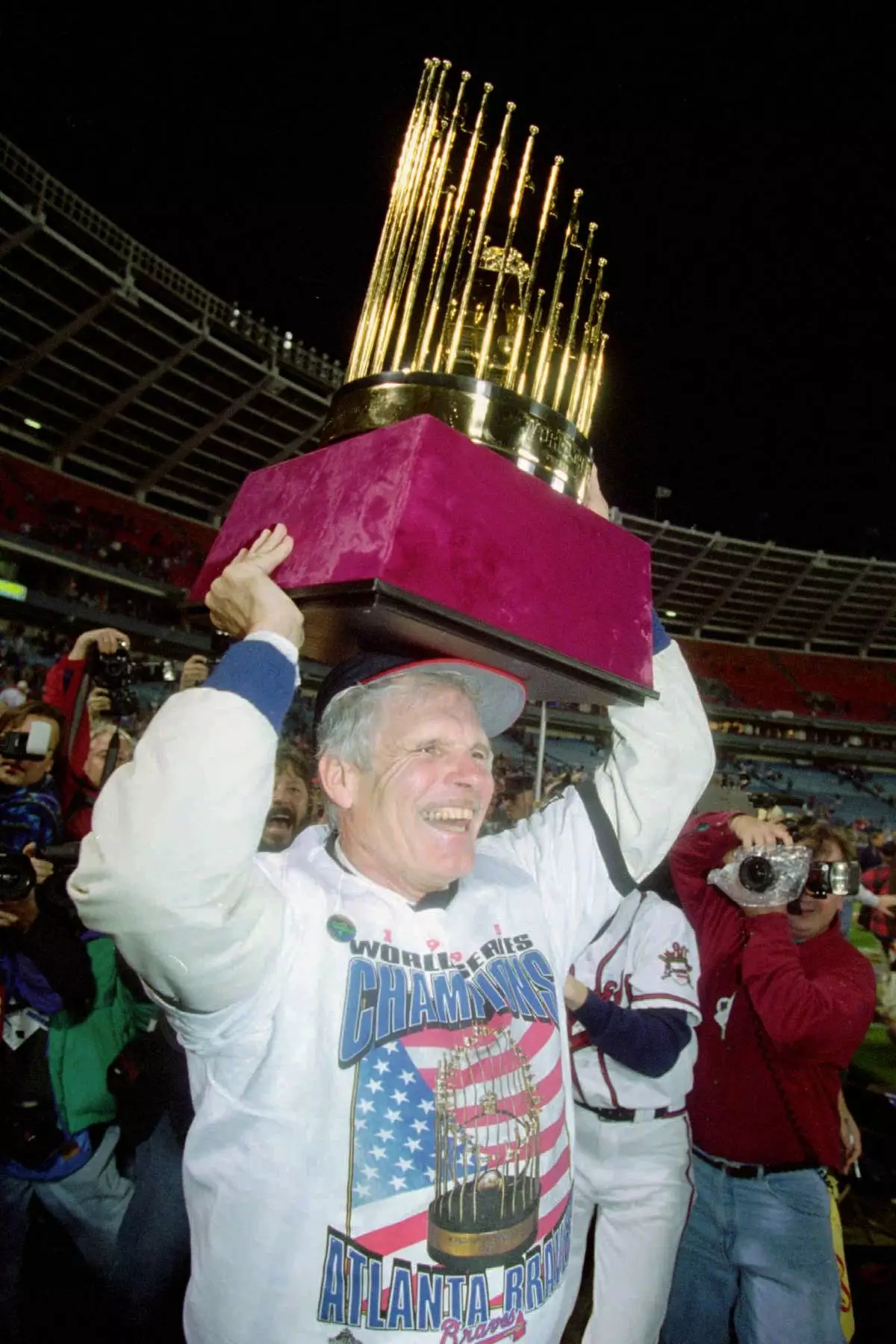
FILE - Atlanta Braves owner Ted Turner holds up the World Series trophy on the field at Atlanta Fulton County Stadium after the Braves won the 1995 World Series, Oct. 28, 1995, in Atlanta. (AP Photo/John Bazemore, File)
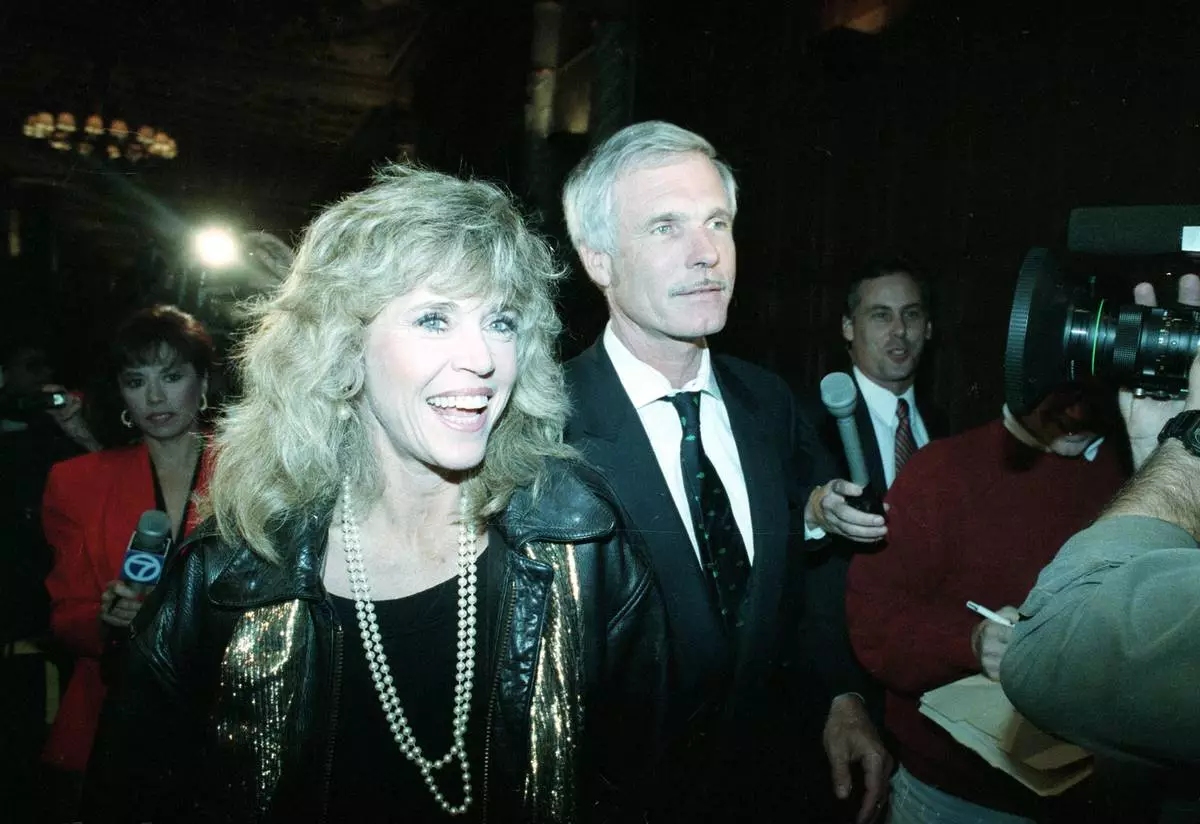
FILE - Actress and political activist Jane Fonda and media mogul Ted Turner arrive at a party in support of Proposition 128 in Los Angeles on Nov. 6, 1990. (AP Photo/Reed Saxon, File)
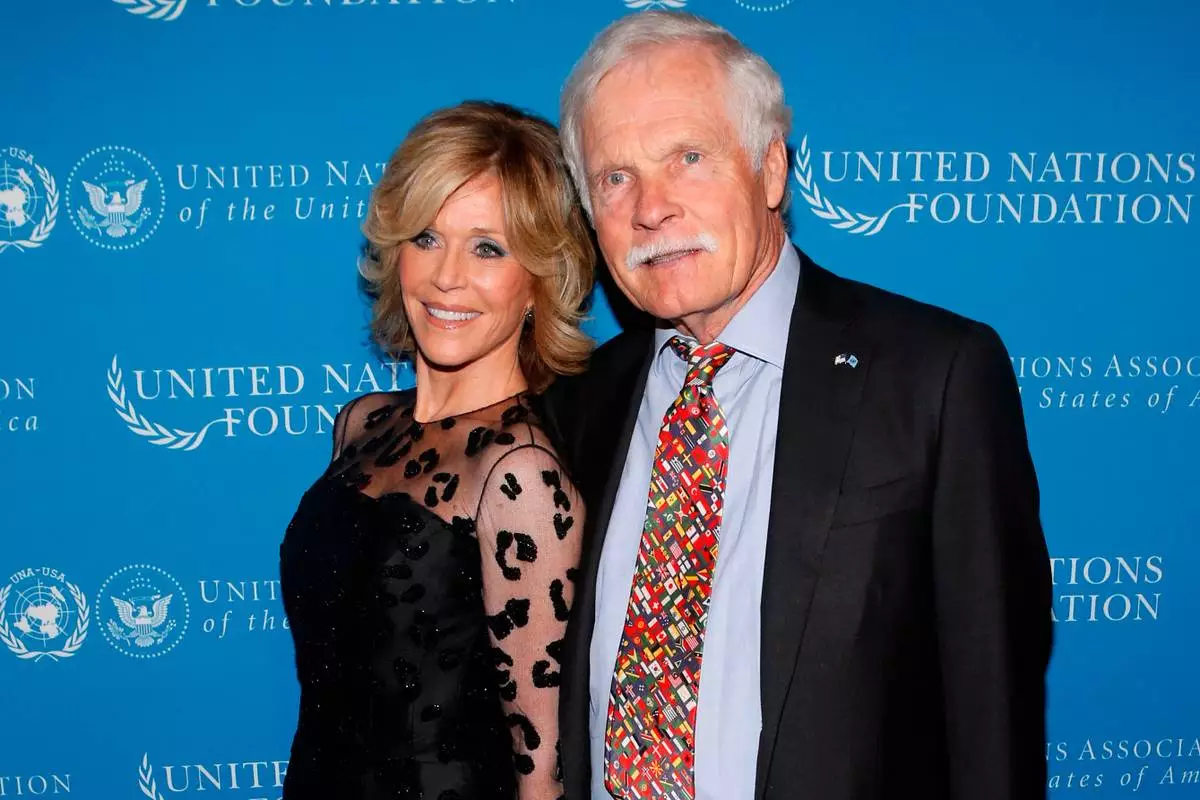
FILE - Actress Jane Fonda and CNN founder Ted Turner pose together at the United Nations Foundation Global Leadership Dinner, Nov. 6, 2013, in New York. (AP Photo/Jason DeCrow, File)
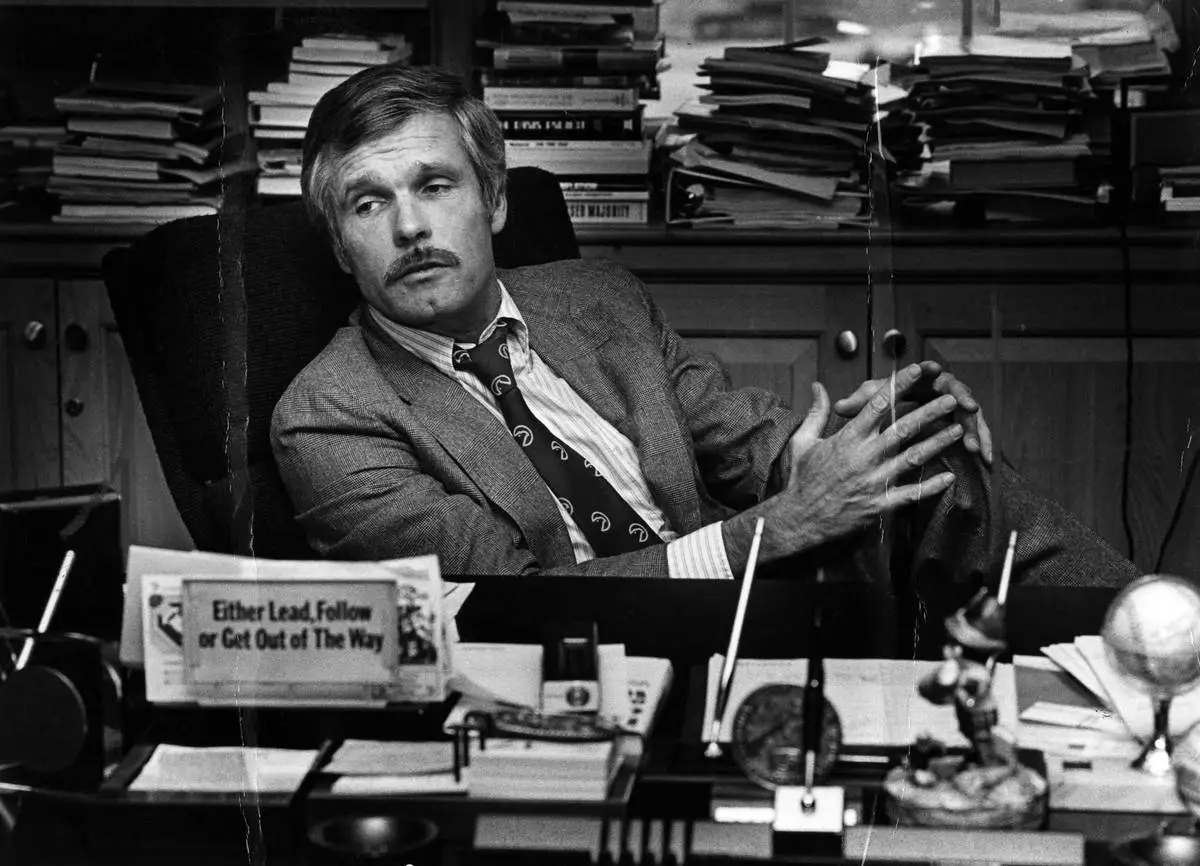
FILE - Ted Turner is seen at his desk inside the CNN Center in 1982. (Nancy Mangiafico/Atlanta Journal-Constitution via AP, File)
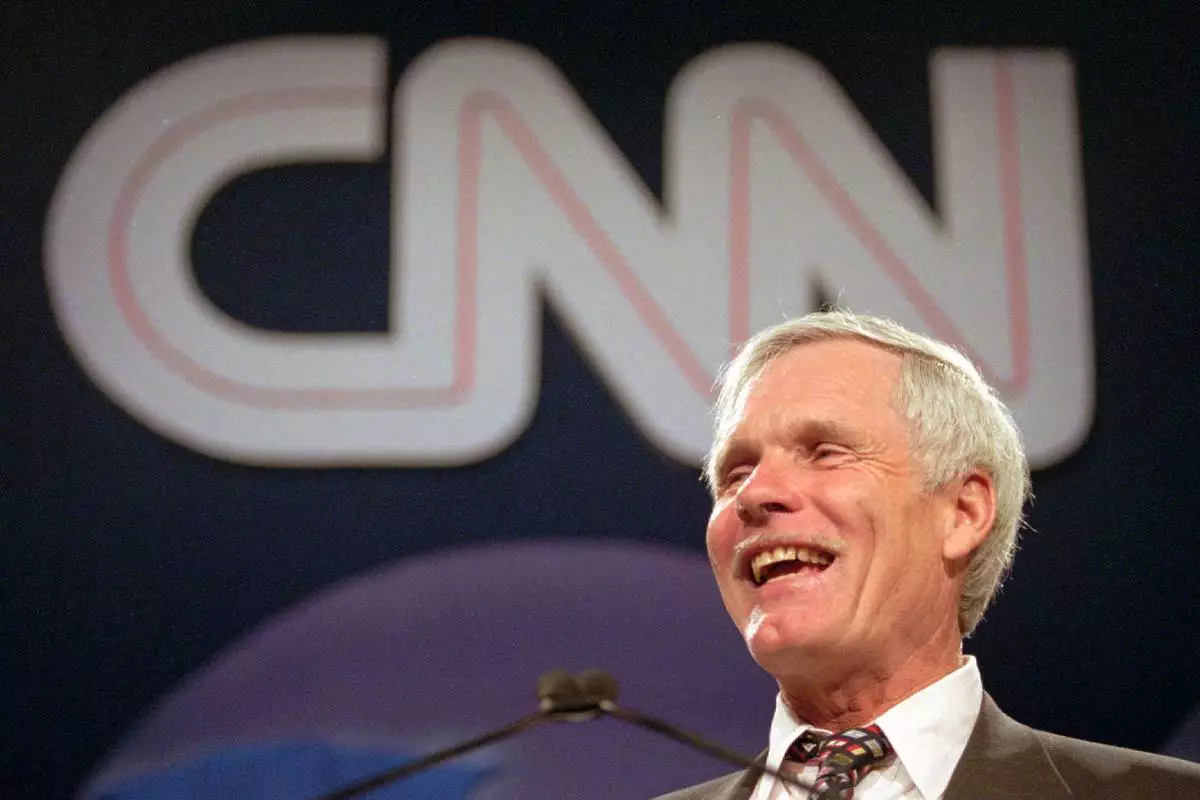
FILE - Ted Turner speaks during the CNN World Report Contributors banquet in Atlanta on May 4, 1995. (AP Photo/John Bazemore, File)