KAWASAKI, Japan--(BUSINESS WIRE)--May 6, 2026--
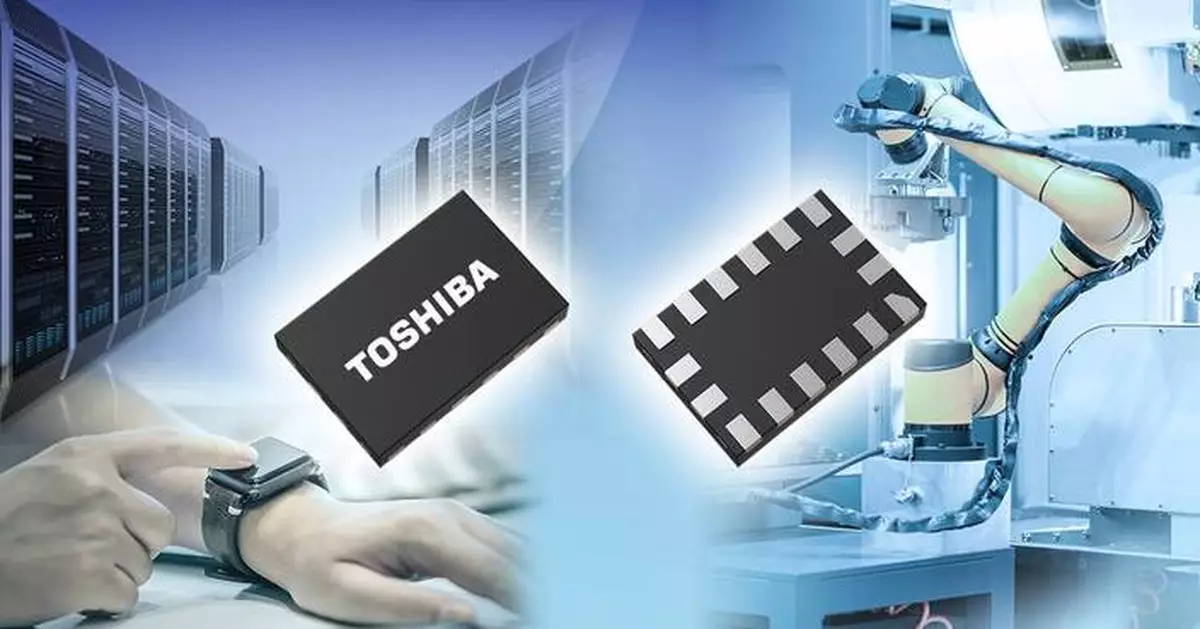
Toshiba Electronic Devices & Storage Corporation ("Toshiba") has launched “ TDS5C212MX ” and “ TDS5B212MX,” 2:1 multiplexer (Mux) / 1:2 demultiplexer (De‑Mux) switches that support next-generation high-speed interfaces such as PCIe® 6.0 [1] and USB4® Version 2.0 [2]. Volume shipments of the new products start today.
This press release features multimedia. View the full release here: https://www.businesswire.com/news/home/20260506857843/en/
As servers, industrial testers, robots, and PCs continue to evolve, demand is growing for reliable switching of ultra‑high‑speed, wide‑bandwidth differential signals—such as PCIe® 6.0 and USB4® Version 2.0—within increasingly limited board space. Toshiba’s new products meet this requirement with a proprietary SOI process (TarfSOI™) [3] that achieves an industry‑leading [4] -3‑dB bandwidth (differential) of 34GHz (typ.) for TDS5C212MX and 29GHz (typ.) for TDS5B212MX. These wide bandwidths significantly suppress signal waveform distortion and help to improve reliability in high-speed data transmission.
The new devices can be used as 2-input/1-output Mux switches or 1-input/2-output De-Mux switches in high-speed differential signal applications, such as PCIe® 6.0 and USB4® Version 2.0. They support sharing of a single high-speed interface among multiple devices and switching signal paths according to system requirements.
Both products feature pin layouts optimized for high-frequency characteristics. In particular, TDS5C212MX minimizes signal path length to reduce reflections and losses, improving high-speed signal integrity. They both support an operating temperature range of -40°C to 125°C, making them suitable for industrial applications.
Toshiba will continue to contribute to next‑generation systems by developing high‑performance, highly reliable analog switches that support the evolution of high‑speed interfaces.
Applications
Supported Interfaces
Features
Main Specifications
Follow the links below for more on the new products.
TDS5C212MX
TDS5B212MX
Follow the link below for more on Toshiba’s General Purpose Logic ICs.
General Purpose Logic ICs
To check availability of the new products at online distributors, visit:
TDS5C212MX
Buy Online
TDS5B212MX
Buy Online
* USB4 ® is a registered trademark of USB Implementers Forum.
* Thunderbolt™ is a trademark of Intel Corporation or its subsidiaries.
* DisplayPort™ is a trademark owned by the Video Electronics Standards Association (VESA ® ) in the United States and other countries.
* PCIe ® is a registered trademark of PCI-SIG.
* TarfSOI™ is a trademark of Toshiba Electronic Devices & Storage Corporation.
* Other company names, product names, and service names may be trademarks of their respective companies.
* Information in this document, including product prices and specifications, content of services and contact information, is current on the date of the announcement but is subject to change without prior notice.
About Toshiba Electronic Devices & Storage Corporation
Toshiba Electronic Devices & Storage Corporation, a leading supplier of advanced semiconductor and storage solutions, draws on over half a century of experience and innovation to offer customers and business partners outstanding discrete semiconductors, system LSIs and HDD products.
Its 17,400 employees around the world share a determination to maximize product value, and to promote close collaboration with customers in the co-creation of value and new markets. The company looks forward to building and to contributing to a better future for people everywhere.
Find out more at https://toshiba.semicon-storage.com/ap-en/top.html
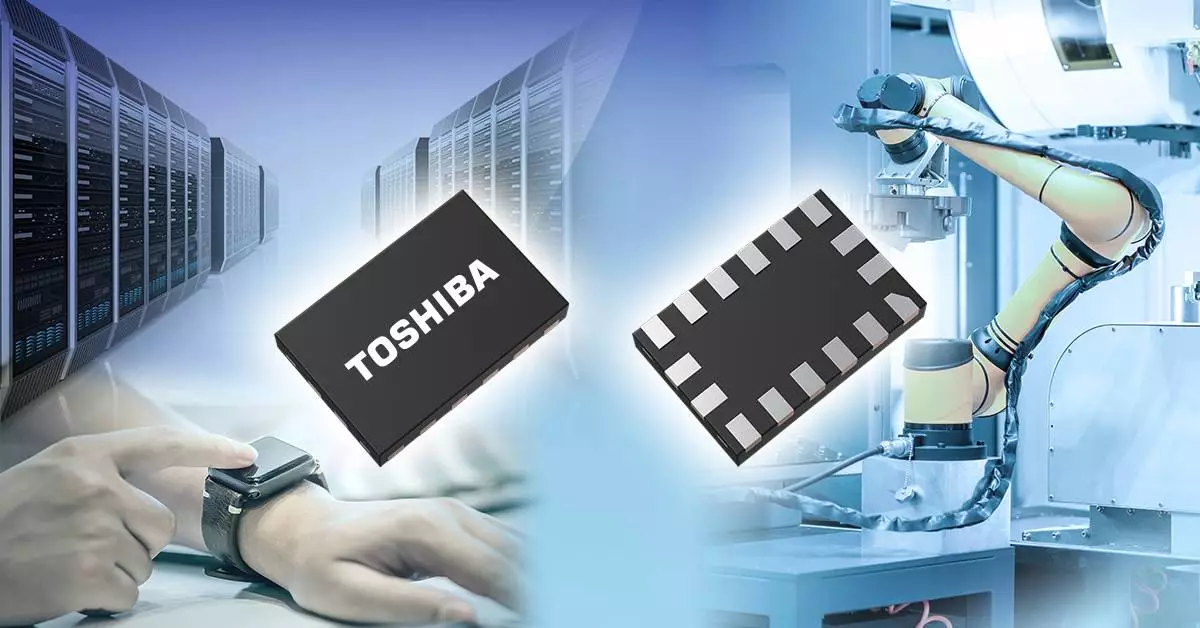
Toshiba: TDS5C212MX and TDS5B212MX, multiplexer/demultiplexer switches for high-speed differential signals such as PCIe® 6.0 and USB4® Ver.2, for PCs, servers and more.