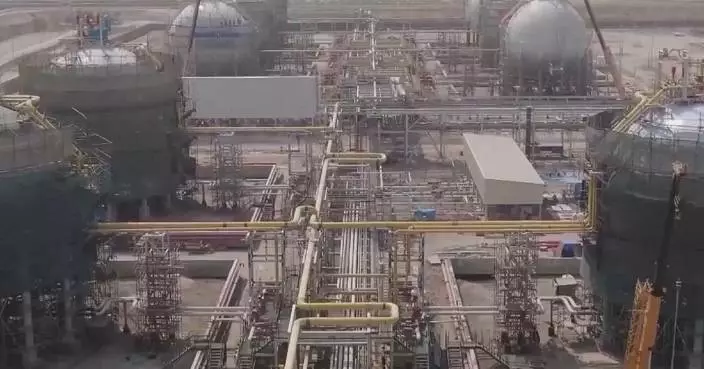
Global airlines are facing soaring fuel costs after military strikes by the United States and Israel on Iran disrupt shipping through the Strait of Hormuz, sending global energy prices sharply higher.
Major U.S. passenger airlines spent more than 5 billion U.S. dollars on jet fuel in March, a 56 percent jump from February and up 30.4 percent year on year, according to data released by the U.S. Department of Transportation on Wednesday.
To alleviate pressure from soaring fuel costs, major U.S. airlines have raised airfares and baggage fees, and introduced other cost-cutting measures.
Fuel expenses now account for as much as 25 percent to 40 percent of the operating costs on some routes.
The U.S. low-cost carrier Spirit Airlines, which ceased operations last Saturday, said the fuel price surge added 100 million U.S. dollars in extra fuel costs in March and April. The company said the fuel burden was a key factor in the failure of its restructuring plan, which ultimately forced it to cease operations.
Several European airlines have also seen their operating costs surge due to rising energy prices.
Lufthansa Group said on Wednesday that it expects its 2026 fuel costs to increase by 1.7 billion euro, as Middle East tensions are driving up prices and the escalations in the Strait of Hormuz deepening market fears over supply shortages.
The German airline said it had hedged about 80 percent of its fuel needs but still expects a significant increase in annual operating costs.
The airline group's chief financial officer Till Streichert said that fuel supplies at the group's hubs are expected to remain stable until at least the end of June, but the group is preparing for possible supply disruptions, including adding refueling stops on some long-haul flights.
Lufthansa is also adjusting its route network and cutting costs to cushion the impact from rising fuel prices.
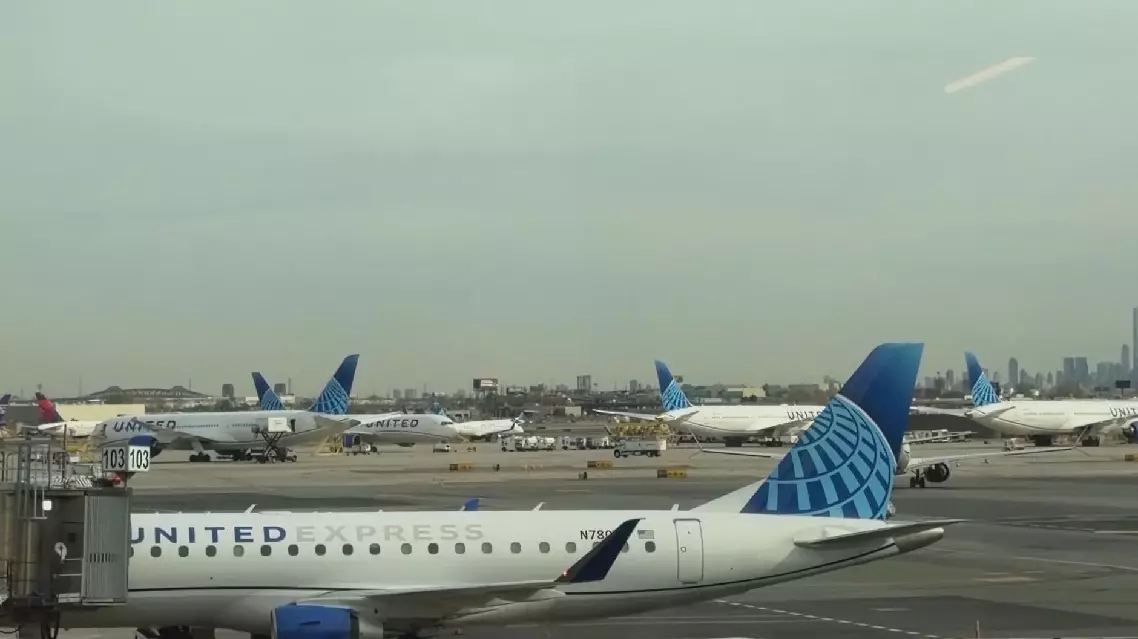
Global airlines hit by fuel price surge as Hormuz Strait tensions disrupt supply
U.S. President Donald Trump on Wednesday threatened to intensify airstrikes against Iran if a peace deal is not reached, while Tehran vowed it would not let Washington exit the crisis without paying a price.
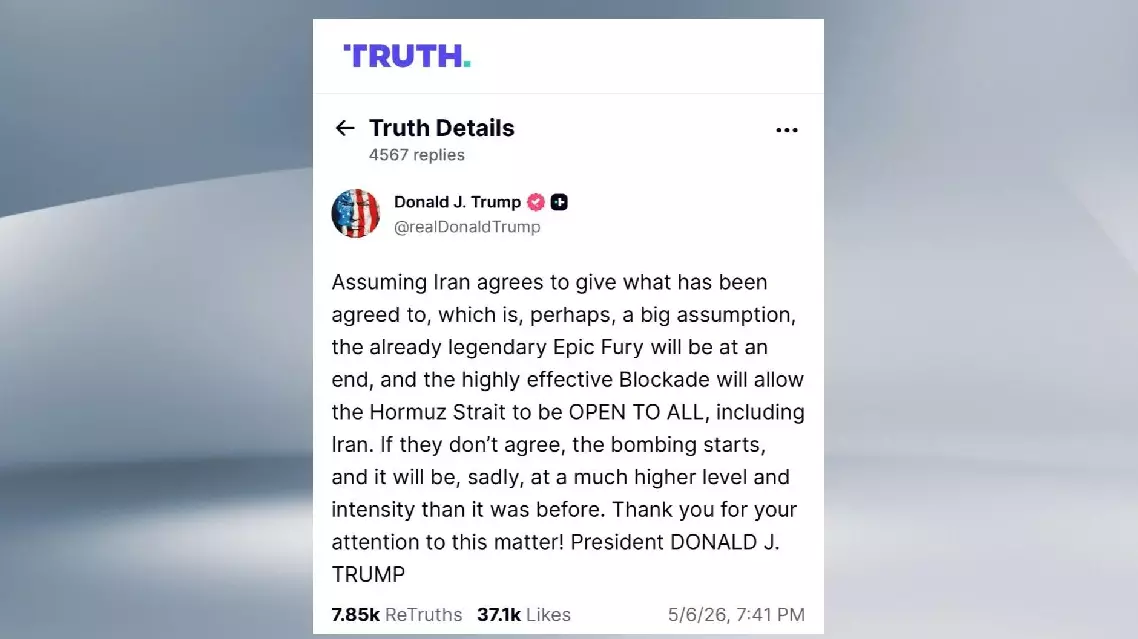
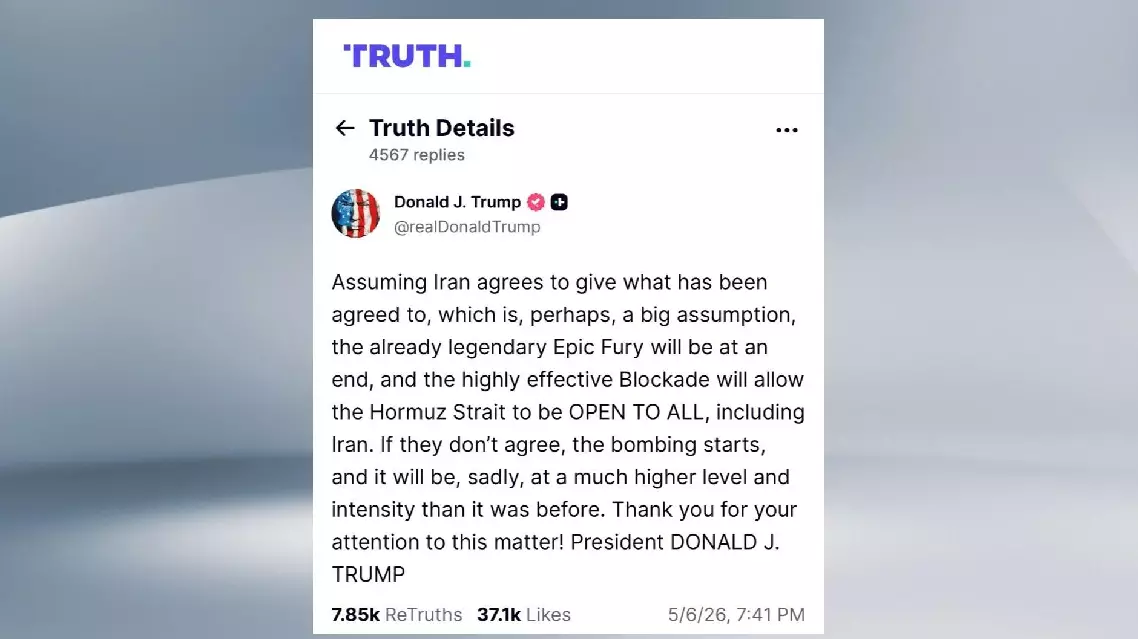
"Assuming Iran agrees to give what has been agreed to, which is, perhaps, a big assumption, the already legendary Epic Fury will be at an end, and the highly effective Blockade will allow the Hormuz Strait to be OPEN TO ALL, including Iran," Trump wrote in a post on Truth Social.
"If they don't agree, the bombing starts, and it will be, sadly, at a much higher level and intensity than it was before," he added.
On the same day, Mohsen Rezaei, a senior military advisor to Iran's Supreme Leader, said in an interview that Iran would not allow the United States to extricate itself from the crisis without paying a price.
Rezaei dismissed the U.S. proposal to reopen the Strait of Hormuz as a "show" designed to facilitate a withdrawal from the region, asserting that Iran would not allow it.
He emphasized that the United States must compensate Iran for incurred losses, adding that Tehran "will certainly obtain its rights and compensation."
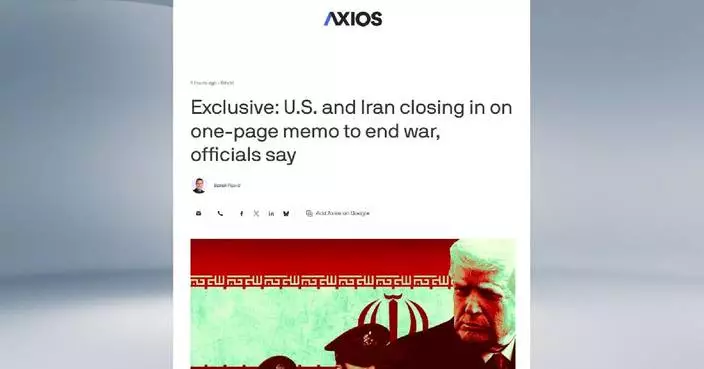
The United States and Iran are close to agreeing a one-page memo to end their war, U.S. online media outlet Axios reported on Wednesday.
A potential deal would involve Iran committing to a moratorium on nuclear enrichment and the United States agreeing to lift sanctions, with both sides lifting restrictions on transit through the Strait of Hormuz, it said.
The New York Post reported on Wednesday that Trump said it is "too soon" to start thinking about face-to-face peace talks between the United States and Iran, despite optimistic reports that the two nations were closing in on a potential framework to end their war.
The United States and Israel began attacks on Tehran and other Iranian cities on Feb 28, killing senior Iranian officials and civilians, including then-Supreme Leader Ali Khamenei. Iran responded with missile and drone attacks against Israel and U.S. interests in the region and tightened control over the Strait of Hormuz.
A ceasefire took effect on April 8. Talks between the Iranian and U.S. delegations in Islamabad on April 11-12 ended without an agreement. After negotiations collapsed, the U.S. imposed a blockade of the strait.
Trump threatens heavier bombing if no deal reached, Iran seeks reparations
Trump threatens heavier bombing if no deal reached, Iran seeks reparations