When Vladimir Osechkin wants to take his children to school or go to the supermarket, he calls the police.
The Russian activist has lived under protection since 2022 because French officials believe Russia is trying to kill him.
Click to Gallery
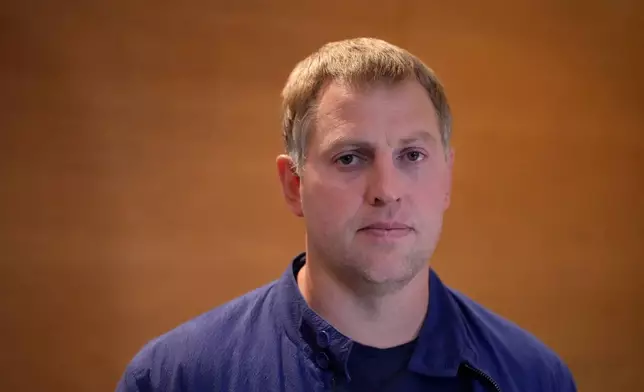
FILE - Vladimir Osechkin is interviewed by The Associated Press in Paris on Sept. 20, 2022. (AP Photo/Francois Mori, File)
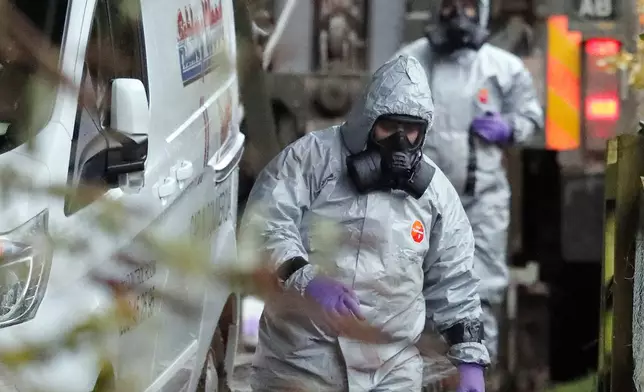
FILE - In this March 12, 2018, photo, personnel in protective gear work on a van in Winterslow, England, as investigations continue into the nerve-agent poisoning of Russian ex-spy Sergei Skripal and his daughter Yulia, in Salisbury, England. (AP Photo/Frank Augstein, File)
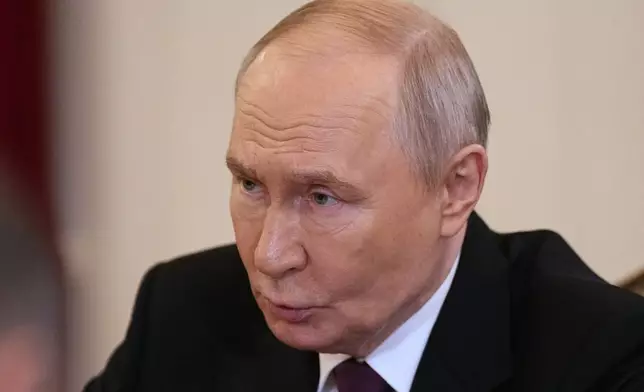
FILE - Russian President Vladimir Putin attends the talks with Iranian Foreign Minister Abbas Araghchi at the Boris Yeltsin Presidential Library, in St. Petersburg, Russia, April 27, 2026. (AP Photo/Dmitri Lovetsky, Pool, File)
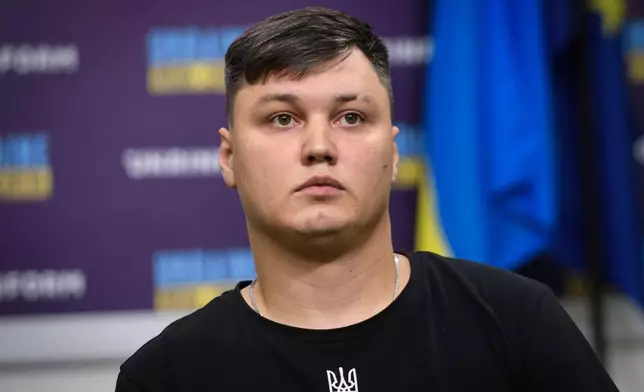
FILE - Russian defector Maksim Kuzminov attends a news conference in Kyiv, Ukraine, Sept. 5, 2023. (AP Photo/Vladyslav Musiienko, File)
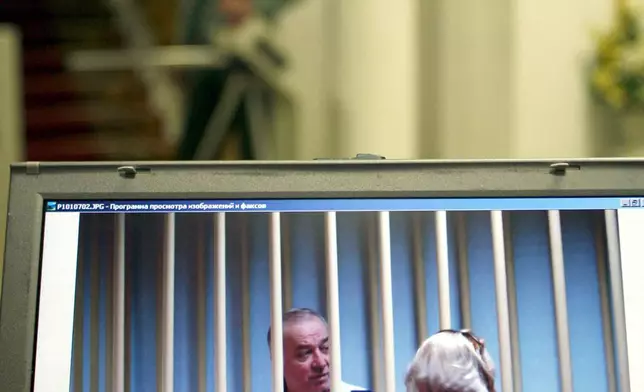
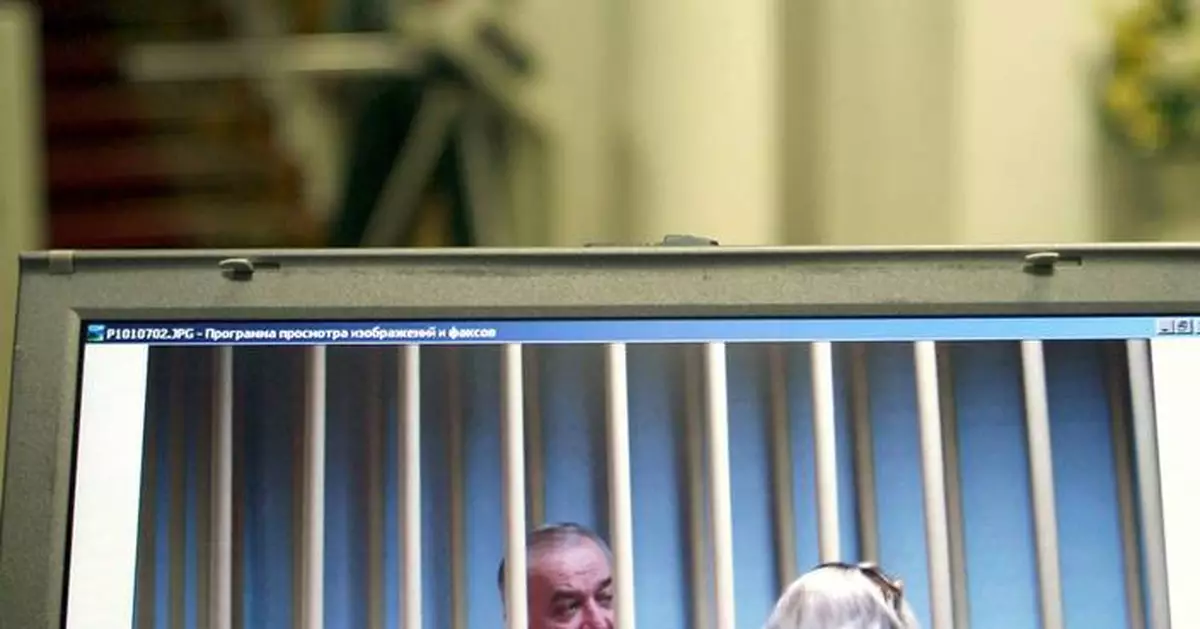
FILE - Sergei Skripal, left, is seen on a screen speaking to his lawyer from behind bars in Moscow on Aug. 9, 2006. (AP Photo/Misha Japaridze, File)
In April 2025, a crew of Russian men staked out Osechkin's home and the surrounding area in southwestern France for several hours, taking videos and photos in suspected groundwork for an assassination, according to court documents seen by The Associated Press that are not public. Several years earlier, Osechkin said, a red dot — which he thought was a laser sight for a gun — appeared on his wall.
Elsewhere in Europe, Lithuanian officials disrupted a plot last year to kill a Lithuanian supporter of Ukraine and another against a Russian activist. Officials in Germany have similarly broken up two plots: one to target the head of a German weapons company supplying Ukraine, the other against a Ukrainian military official. Polish authorities arrested a man in 2024 in what they said was a plot to assassinate Ukrainian President Volodymyr Zelenskyy. And that same year, a Russian helicopter pilot who defected was killed in Spain — with Russian operatives the prime suspects.
While Russian officials have long been accused of silencing the country’s enemies abroad, three Western intelligence officials from different countries told AP that a campaign of targeted killings has ramped up since President Vladimir Putin's 2022 invasion of Ukraine.
The officials said Russia's security services are now more brazen in their choice of targets, going after Russian activists and foreign supporters of Ukraine, in addition to the usual suspects like military defectors. All three officials spoke on condition of anonymity to discuss sensitive information.
“This campaign is not by accident or chance," said one of them, a senior European intelligence official. "There is political authorization.”
The intelligence officials, a former senior British counterterrorism official and prosecutors in Lithuania see the campaign as connected to Russia's broader efforts to undermine European countries that support Ukraine, including 191 acts of sabotage, arson and other disruption linked to Russia by Western officials that the AP has mapped across Europe since the beginning of the war.
Many accused in that campaign are people who were recruited as cheap proxies for Russian intelligence operatives. Moscow is now using that model to target its perceived enemies abroad, according to the French court documents, officials and information from the Lithuanian prosecutor.
Putin's spokesperson Dmitry Peskov told AP he didn't see “any need” to comment. Russian officials have previously denied that Moscow is behind attempts to kill its opponents abroad.
The AP spoke to three of the people targeted: Osechkin; Lithuanian activist Valdas Bartkevičius; and Ruslan Gabbasov, who advocates for independence for the Russian region of Bashkortostan.
Three of the four men detained by French police in the plot to kill Osechkin traveled to the beach resort of Biarritz, where Osechkin lives, in April 2025, court documents show. They surveilled his house “with a view to assassinating him and subsequently intimidating all political opponents of the Russian authorities living in France,” the documents said.
All four were born in Russia's Dagestan region. One has multiple criminal convictions while another said he had been arrested by Russia's domestic security service and fled the country to avoid being sent to Ukraine.
Osechkin founded a rights group for prisoners years ago and runs a project that exposes abuses in Russia's prison system, but he said the threats against him escalated after he began investigating alleged Russian abuses in Ukraine and helping Russian military defectors flee.
He moved to France in 2015 and was put under police protection seven years later when French officials received information that his life was in danger.
“If it weren’t for them, I probably would have been killed,” he said.
Across the continent in Lithuania, Gabbasov, the activist from Bashkortostan, discovered an Apple AirTag tracker hidden on his car in February 2025. Police told him to leave the device and followed the people following him, he said.
A few weeks later, Gabbasov said he was attending celebrations marking Lithuania’s independence from the Soviet Union with his wife and 5-year-old son when officers called and told him not to return home.
The next day, he said officers told him: “Yesterday, a killer was detained near your house; he was waiting for you with a gun. ... He was ready to wait for you all night.”
Lithuanian authorities, he said, offered him the chance to completely “disappear” — change his name, move and stop his work.
He turned them down, saying many people from his mainly Muslim home region near Kazakhstan see him as a leader in the campaign for independence. The region is important to the Kremlin, Gabbasov said, because of its gold reserves and because large numbers of its men have been sent to fight in Ukraine.
“I can’t betray them all by simply disappearing, especially out of fear,” Gabbasov said, adding that would play into Moscow’s hands.
“What difference does it make to them?” Gabbasov asked, referring to Russia’s security services. “They could kill me ... or I could hide from everyone and stop engaging in political activity. That’s exactly what they want.”
The authorities in Lithuania made the same offer to Bartkevičius, after he said they discovered a plot to kill him with a bomb planted in his mailbox in March 2025.
But disappearing also wasn't an option for the activist who raises money for Ukraine and who gained notoriety for his anti-Russian acts, including urinating on a Russian war memorial.
That, he said, would be “social death."
Lithuanian prosecutors charged 13 people from at least seven countries with involvement in the two plots — among at least 20 people authorities have detained, charged or identified as involved in such plots in Europe over the past year.
The people involved in the Lithuanian cases were directly ordered by Russian military intelligence, prosecutors said, and some had connections to Russian organized crime and could be linked to other arson and espionage plots elsewhere in Europe.
Moscow's switch to relying on such proxies can be traced to a previous attempted assassination, Cmdr. Dominic Murphy told AP before he retired as head of the counterterrorism squad at Britain’s Metropolitan Police.
In 2018, former Russian spy Sergei Skripal was poisoned with a nerve agent in Salisbury, England — an attack the U.K. government accused Moscow of carrying out with military intelligence officers.
In response, Britain and other Western nations kicked out hundreds of Russian diplomats — and spies — making it harder for Russian officers to operate in Europe, Murphy, a lead investigator, said.
The fact that most of the plots made public by Western officials since 2022 have been foiled could indicate that it’s harder for Moscow to carry them out with proxies, as opposed to its own officers, one of the Western intelligence officials said.
Still, the attempted killings may serve additional purposes, they said, including scaring the Kremlin’s opponents into silence and wasting European law enforcement resources.
Pointing to the case of Maxim Kuzminov — the helicopter pilot who defected and was threatened with death by masked men in military fatigues on Russian state television — the official said it’s clear Russia’s security services can kill someone in Europe if they really want to.
For that reason, the European intelligence official said, targets will never be safe.
“Even if you thwart an operation once, you still need to be ready in case they strike again.”
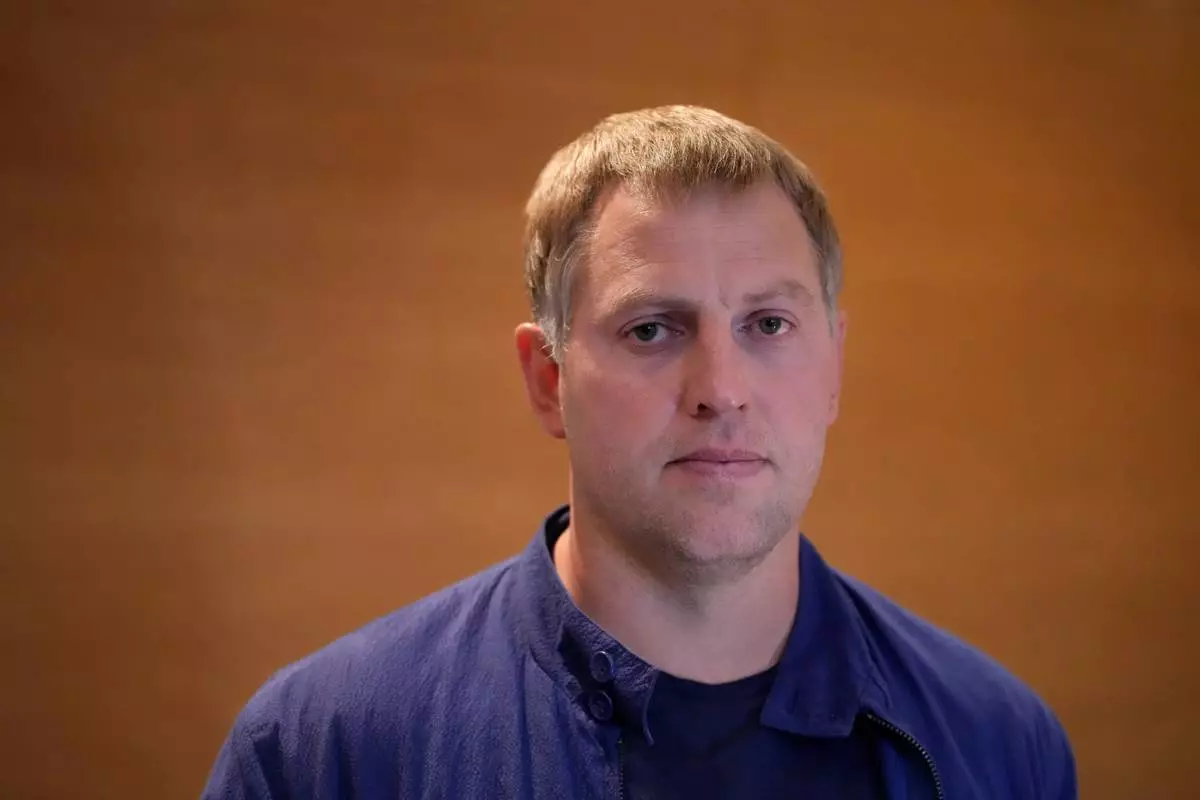
FILE - Vladimir Osechkin is interviewed by The Associated Press in Paris on Sept. 20, 2022. (AP Photo/Francois Mori, File)
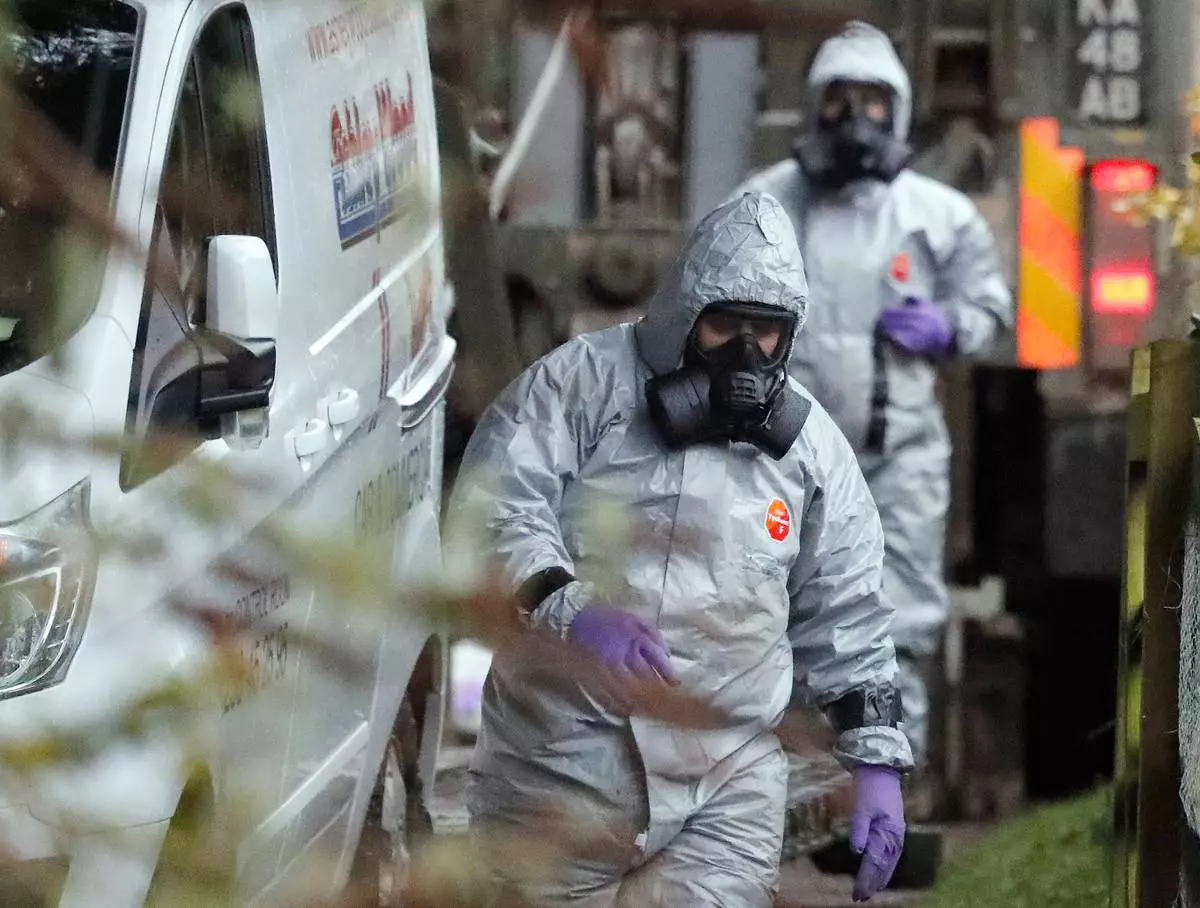
FILE - In this March 12, 2018, photo, personnel in protective gear work on a van in Winterslow, England, as investigations continue into the nerve-agent poisoning of Russian ex-spy Sergei Skripal and his daughter Yulia, in Salisbury, England. (AP Photo/Frank Augstein, File)
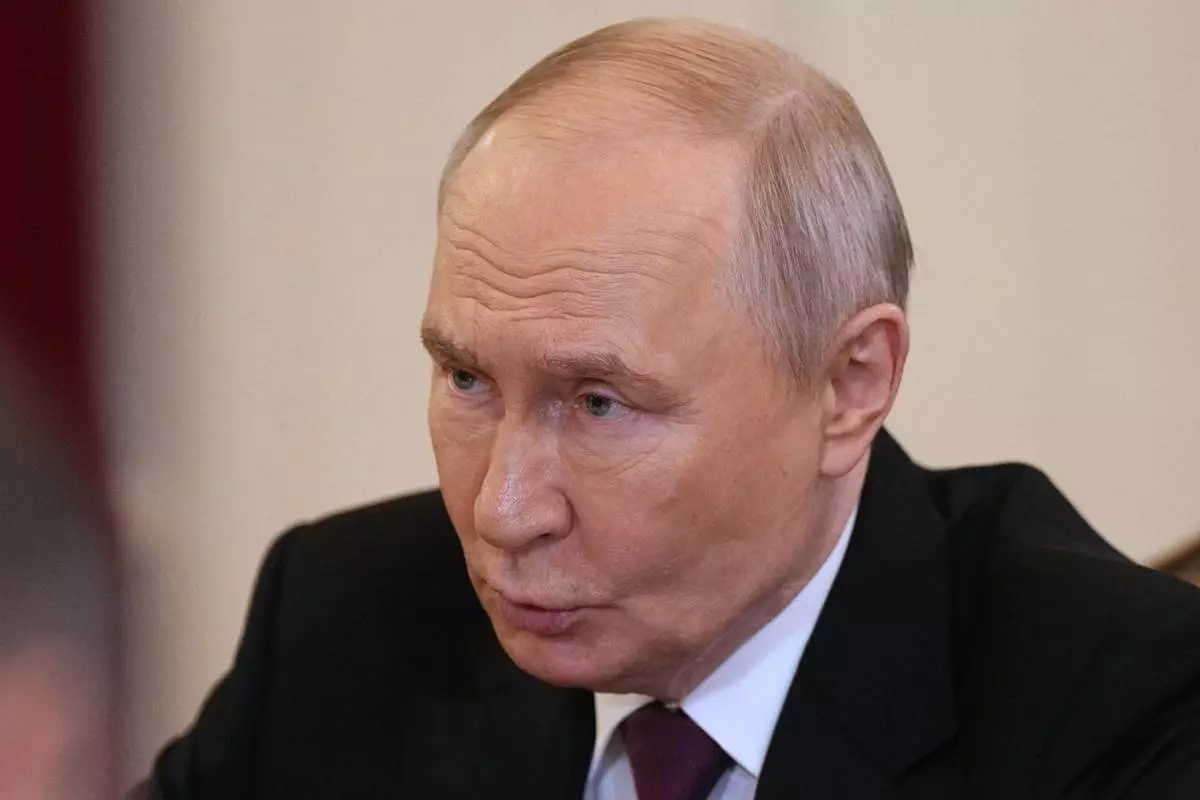
FILE - Russian President Vladimir Putin attends the talks with Iranian Foreign Minister Abbas Araghchi at the Boris Yeltsin Presidential Library, in St. Petersburg, Russia, April 27, 2026. (AP Photo/Dmitri Lovetsky, Pool, File)
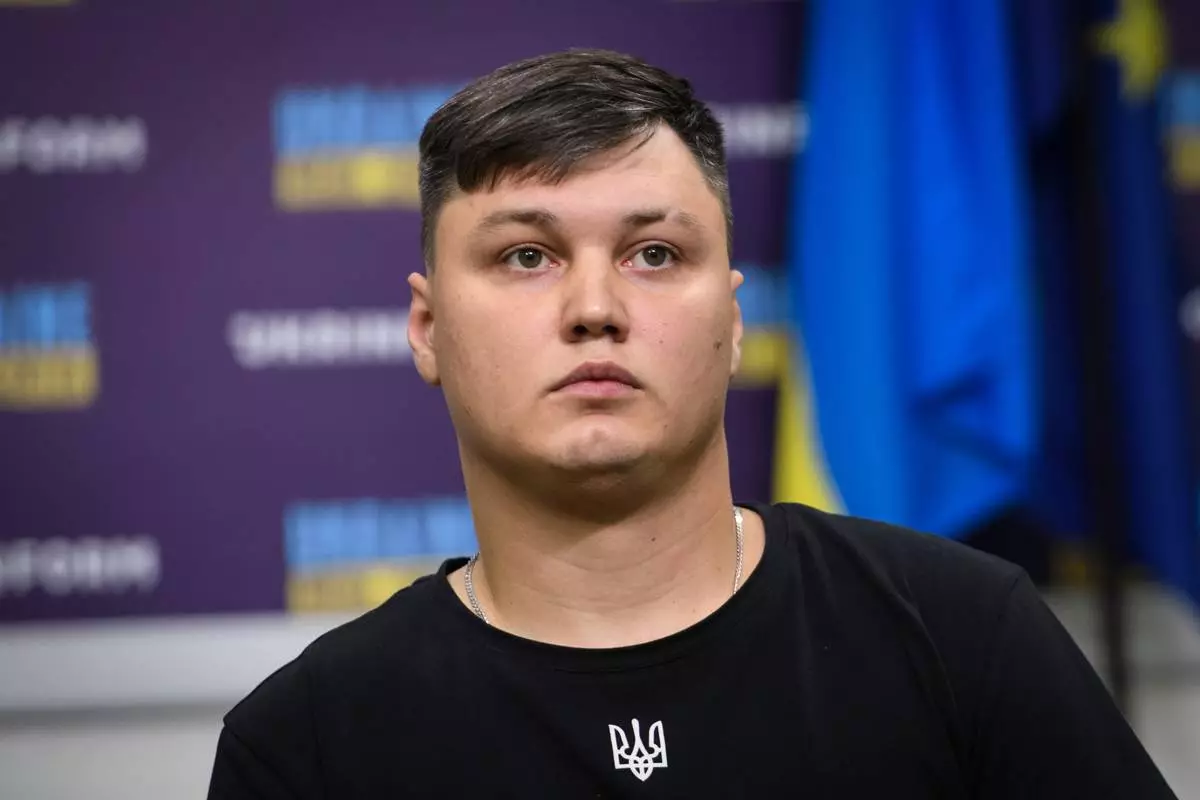
FILE - Russian defector Maksim Kuzminov attends a news conference in Kyiv, Ukraine, Sept. 5, 2023. (AP Photo/Vladyslav Musiienko, File)
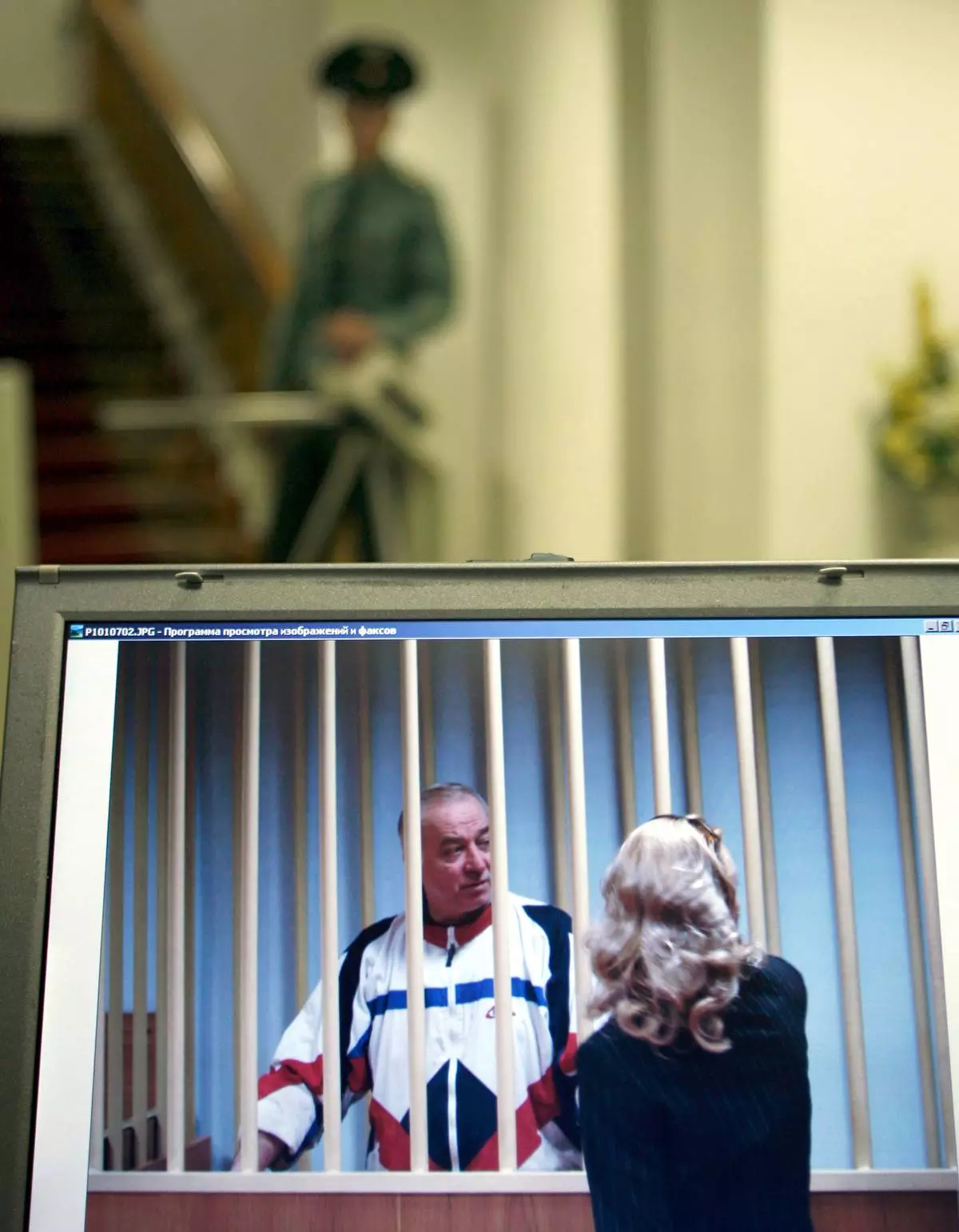
FILE - Sergei Skripal, left, is seen on a screen speaking to his lawyer from behind bars in Moscow on Aug. 9, 2006. (AP Photo/Misha Japaridze, File)