ALBUQUERQUE, N.M. (AP) — Ted Turner loved the land, and lots of it: As one of the largest private landowners in the United States, he fueled conservation work across some 3,125 square miles (8,094 square kilometers) of ranchland in several states, aiming to leave it in better shape for future generations.
Framing conservation as essential for human survival, Turner saw habitat restoration, stewardship and endangered species work as ways to address climate change, the loss of biodiversity and resource depletion.
Click to Gallery
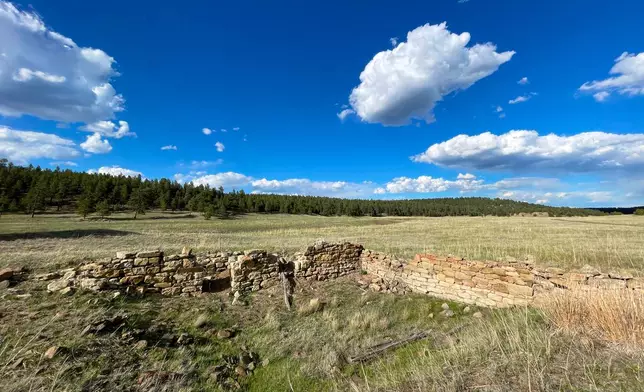
Ted Turner's Vermejo Park Ranch is seen, May 17, 2024, in northern New Mexico. (AP Photo/Susan Montoya Bryan)
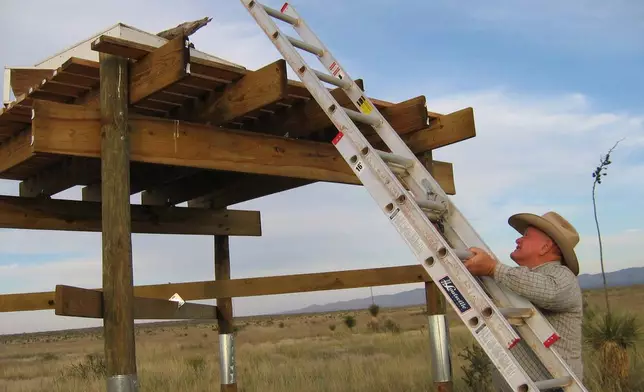
FILE - Ranch Manager Tom Waddell prepares to feed a group of endangered northern Aplomado falcons, Oct. 3, 2006, at Ted Turner's Armendaris Ranch in southern New Mexico. (AP Photo/Susan Montoya Bryan)
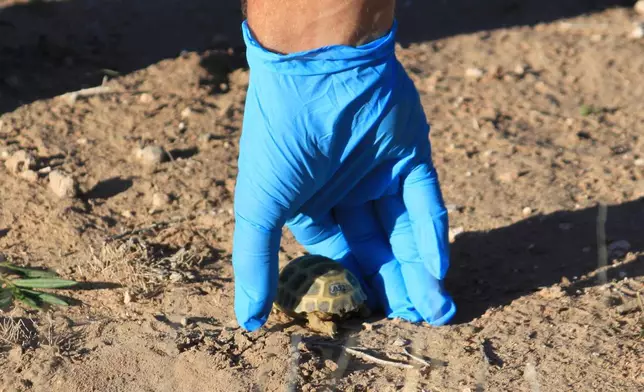
FILE - Mike Phillips, director of the Turner Endangered Species Fund, releases a young Bolson tortoise at Ted Turner's Armendaris Ranch in Engle, N.M., Sept. 22, 2023. (AP Photo/Susan Montoya Bryan, File)
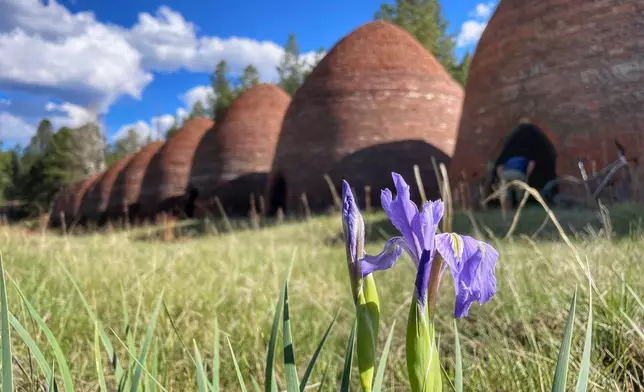
Rocky Mountain irises bloom in a meadow bordered by historic charcoal kilns at Ted Turner's Vermejo Park Ranch in northern New Mexico, May 17, 2024. (AP Photo/Susan Montoya Bryan)
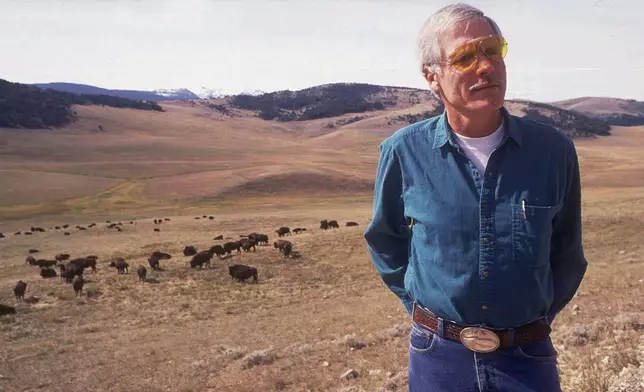
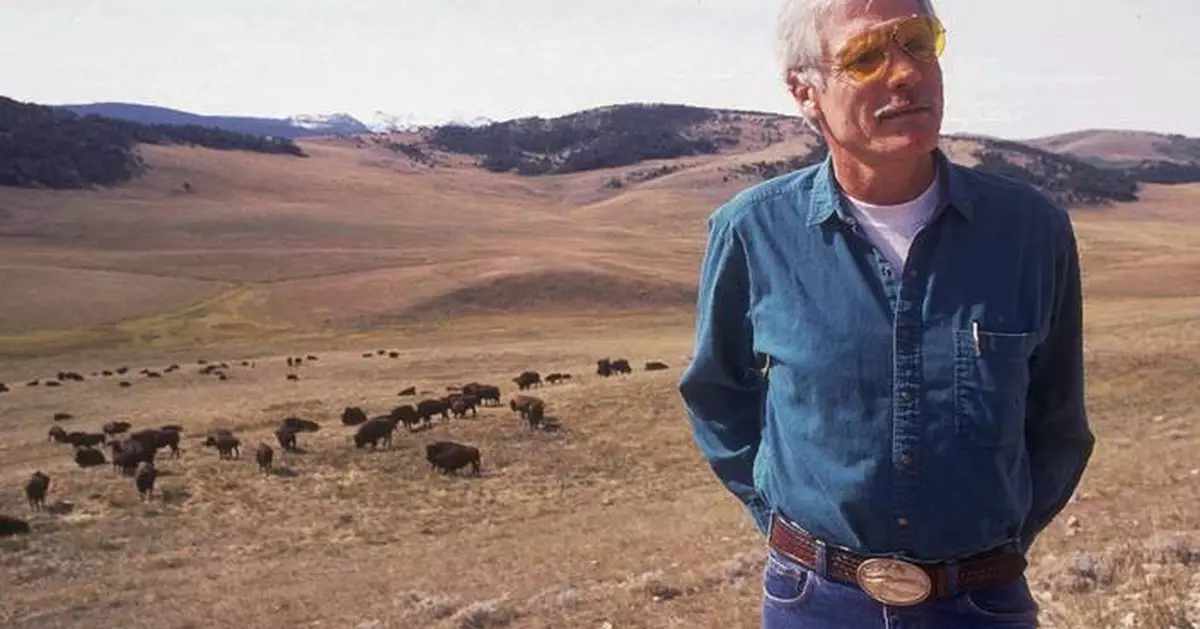
FILE - Ted Turner poses near a herd of his bison in September 1991 at his Flying D Ranch near Bozeman, Mont. (Linda Best/Bozeman Daily Chronicle via AP, File)
“I want to inspire people to care about the environment,” Turner said in a 2016 interview with a travel publication. “When we connect with nature, we heal ourselves. When we protect nature, we heal the planet.”
The media mogul's death Wednesday leaves a legacy of conservation work that spanned decades — from when Turner bought his first bison a half-century ago to the large-scale restoration work and species reintroductions ongoing today. His ranches in New Mexico, Montana, Nebraska and elsewhere have become living laboratories. His "estancias" in Patagonia are models of ecotourism.
And according to Turner Enterprises, which manages his land along with his other business interests and investments, Turner ensured that his holdings would continue to be protected from development.
Turner purchased his first bison in 1976, fulfilling a childhood dream.
“When I was a little boy, about 10 years old, I read National Geographic magazine and it had an article about bison, and it said how close they came to extinction. I decided then that, if I could, I would do what I could to help bring the bison back,” he said in a 2019 CNN program, “Ted Turner: Captain Planet.”
But he said “I had to make a lot of money first. Because ranches are not cheap.”
Turner bought his first ranch in 1987. Not long after, he acquired the Flying D Ranch near Bozeman, Montana, which is now one of the largest, most prominent examples of “rewilding.”
He initially used his properties for hunting and fishing before working on habitat restoration and the reintroduction of native species. The Flying D, for example, had been overgrazed so he replaced traditional cattle operations with a bison herd to restore the native ecosystem.
At Vermejo Park Ranch, purchased in the mid-1990s from Pennzoil and spanning more than 870 square miles (2,253 square kilometers) near the New Mexico-Colorado border, Turner's team has worked to restore mountainsides and valleys degraded by overgrazing, mining and clear-cutting. It's also home to a herd of what ranch managers describe as genetically pure wild bison.
In all, Turner owned 13 ranches in six states. At some of the ranches, Ted Turner Reserves and Turner Enterprises have woven revenue-generating programs like bison ranching, recreation and tourism with ecology.
“He wanted part of America to still be preserved and in some way protected as it was at the time that the American Indians roamed those lands,” former CNN President Tom Johnson said Wednesday. “In this era of development and commercialization and bad zoning, he cleaned up the streams and brought back the gray wolves and the prairie dog. I mean, he really cared about nature and was seeing what was happening.”
Jennifer Morris, CEO of The Nature Conservancy, said Wednesday that Turner just didn't believe in protecting nature, he acted on it and did so at a large scale.
“He invested in land, restored ecosystems, and showed what’s possible when you pair vision with real commitment,” she said in a statement. “His work helped redefine conservation, proving that private lands and private capital can be powerful forces for public good.”
Turner purchased his ranches in Argentina during a privatization wave in the 1990s and 2000s when wealthy foreigners bought huge tracts. This sometimes sparked nationalist sentiments and concerns about resource exploitation and public access to rivers and lakes. Turner's celebrity made him a target, but he ultimately drew less criticism as he focused on low-impact ecotourism and conservation.
In the western U.S., not all ranchers were pleased as Turner shifted land management practices on his ranches, including switching from cattle to bison.
His support of wolves, including a Mexican wolf breeding program on the Ladder Ranch in New Mexico, drew the ire of ranching organizations that were raising the alarm about wild wolves killing livestock.
And to the dismay of some cattle ranchers, Turner raised the world's largest bison herd, broadening the species' genetics and boosting markets for their meat as he supplied burgers and steaks to about three dozen Ted's Montana Grill locations in 14 states.
"By making it a commodity, by making a business out of it, it caused people to get into the bison ranching business, which spread the gene pool dramatically and has made the bison herd extremely healthy,” restaurateur George McKerrow, co-founder of Ted’s Montana Grill, said Wednesday.
In interviews, Turner described his role as a caretaker, not owner, and stressed that business and conservation could align through "eco-capitalism,” a concept he popularized.
What started with bison hooves helping to restore the prairie grass continues through the Turner Endangered Species Fund, which gives the Bolson tortoise — North America’s largest and rarest tortoise — a leg up through a captive breeding program at the Armendaris Ranch in New Mexico.
At Vermejo and the Bad River Ranch in South Dakota, Turner's team is partnering with state and federal scientists to recover black-footed ferrets. one of the rarest mammals on the planet with an estimated wild population of less than 300.
From Aplomado falcons and desert bighorn sheep to bats and monarch butterflies, it all mattered to Turner. His philosophy revolved around the interconnection of all living things and the idea that no species should be discounted. It was simple enough to be immortalized by a bumper sticker.
“Save Everything.”
Rico contributed from Atlanta.
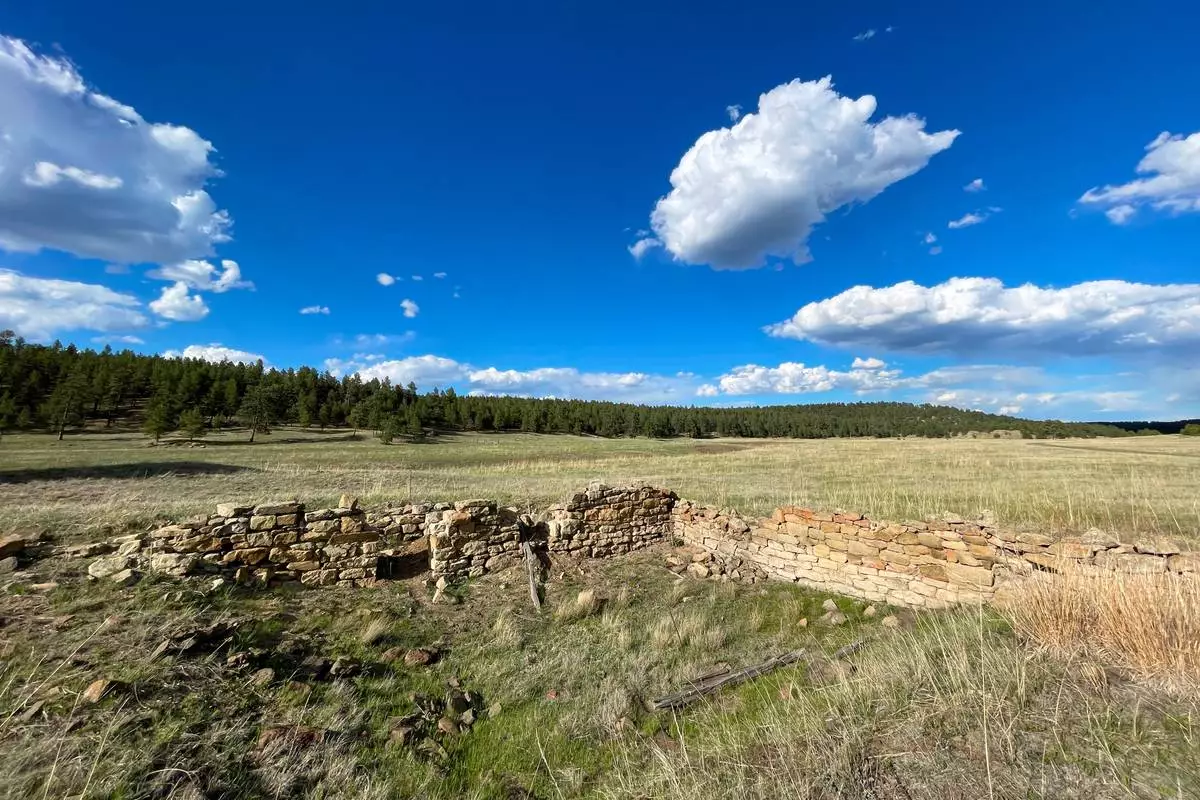
Ted Turner's Vermejo Park Ranch is seen, May 17, 2024, in northern New Mexico. (AP Photo/Susan Montoya Bryan)
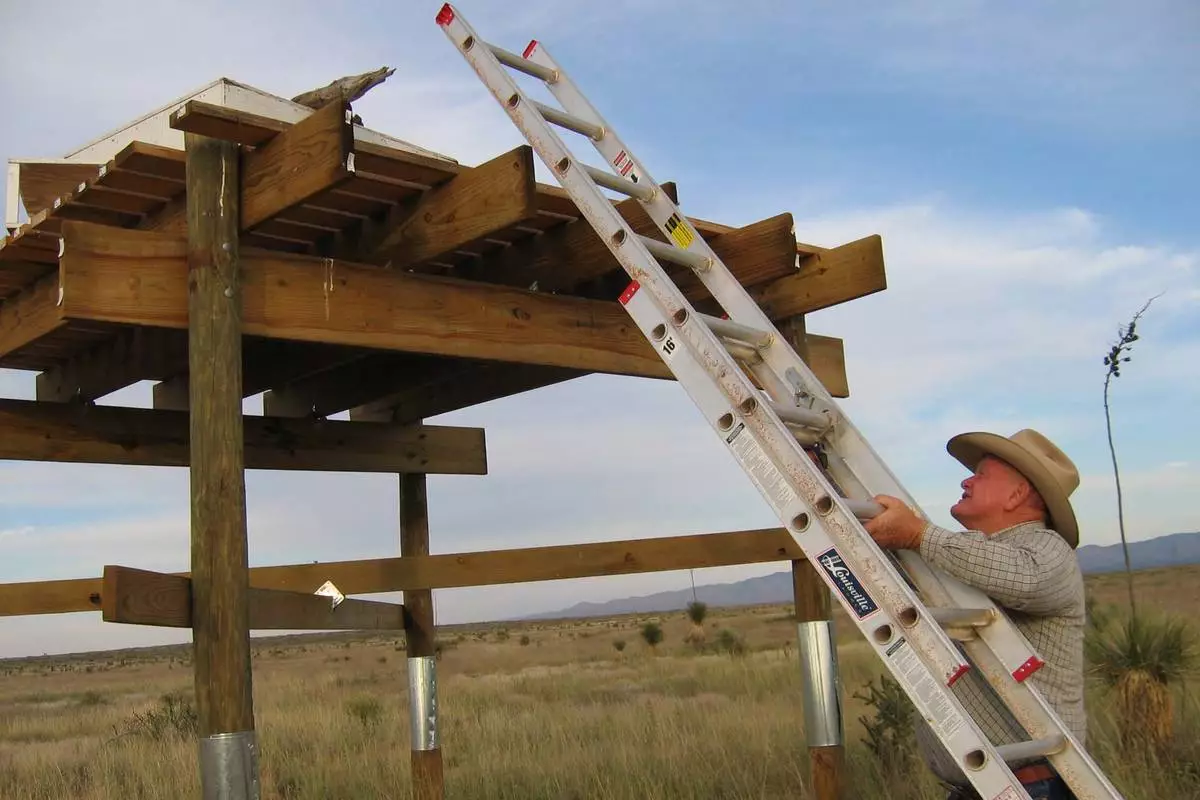
FILE - Ranch Manager Tom Waddell prepares to feed a group of endangered northern Aplomado falcons, Oct. 3, 2006, at Ted Turner's Armendaris Ranch in southern New Mexico. (AP Photo/Susan Montoya Bryan)
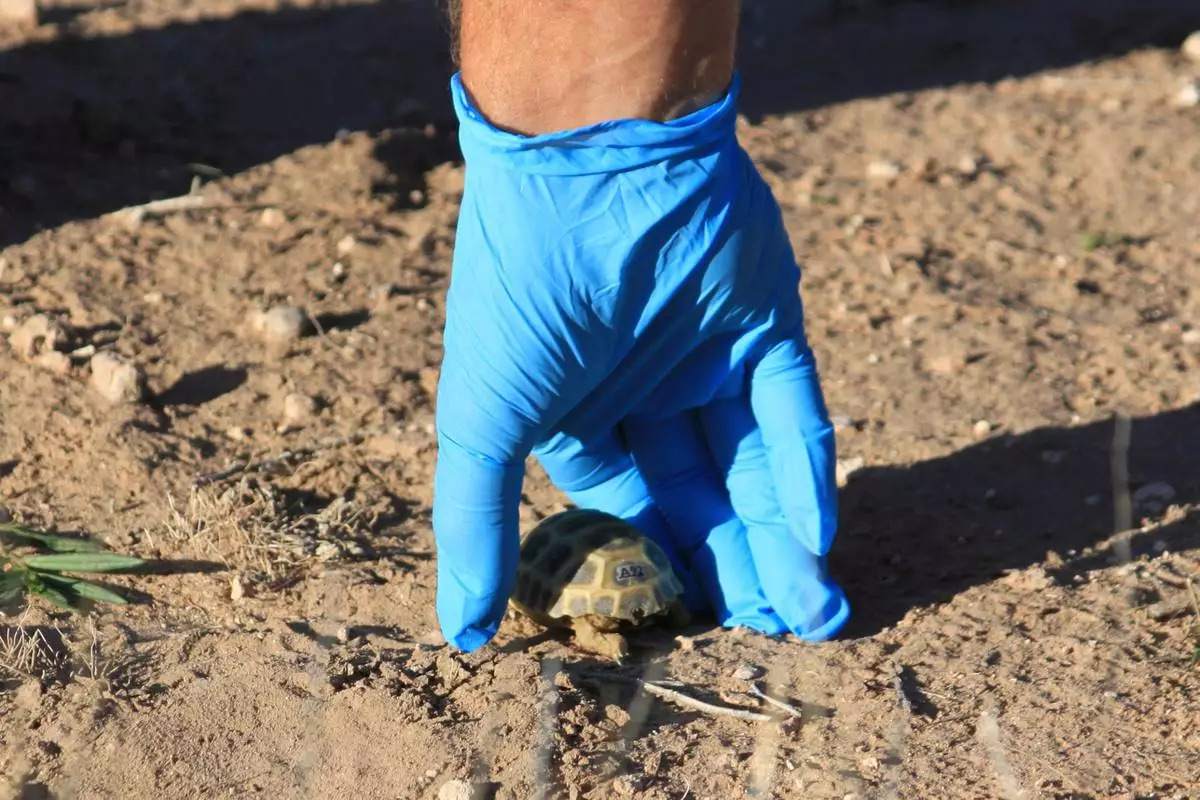
FILE - Mike Phillips, director of the Turner Endangered Species Fund, releases a young Bolson tortoise at Ted Turner's Armendaris Ranch in Engle, N.M., Sept. 22, 2023. (AP Photo/Susan Montoya Bryan, File)
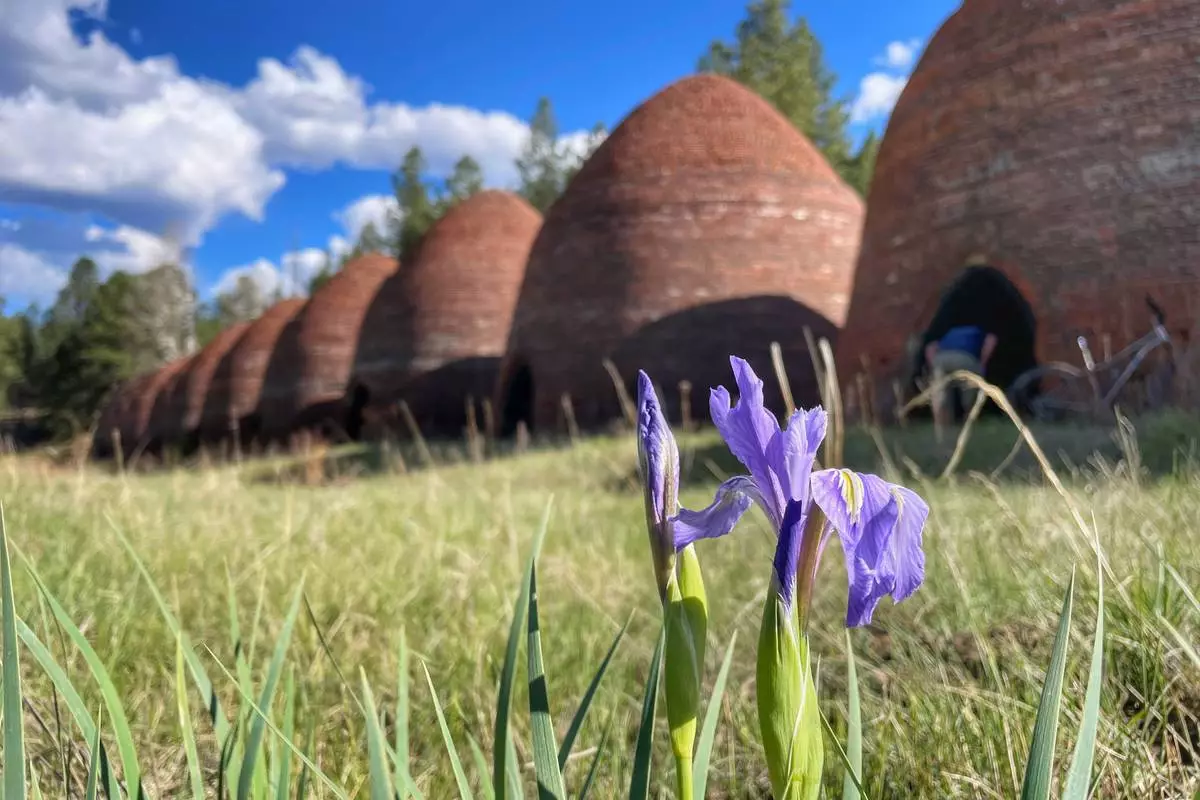
Rocky Mountain irises bloom in a meadow bordered by historic charcoal kilns at Ted Turner's Vermejo Park Ranch in northern New Mexico, May 17, 2024. (AP Photo/Susan Montoya Bryan)
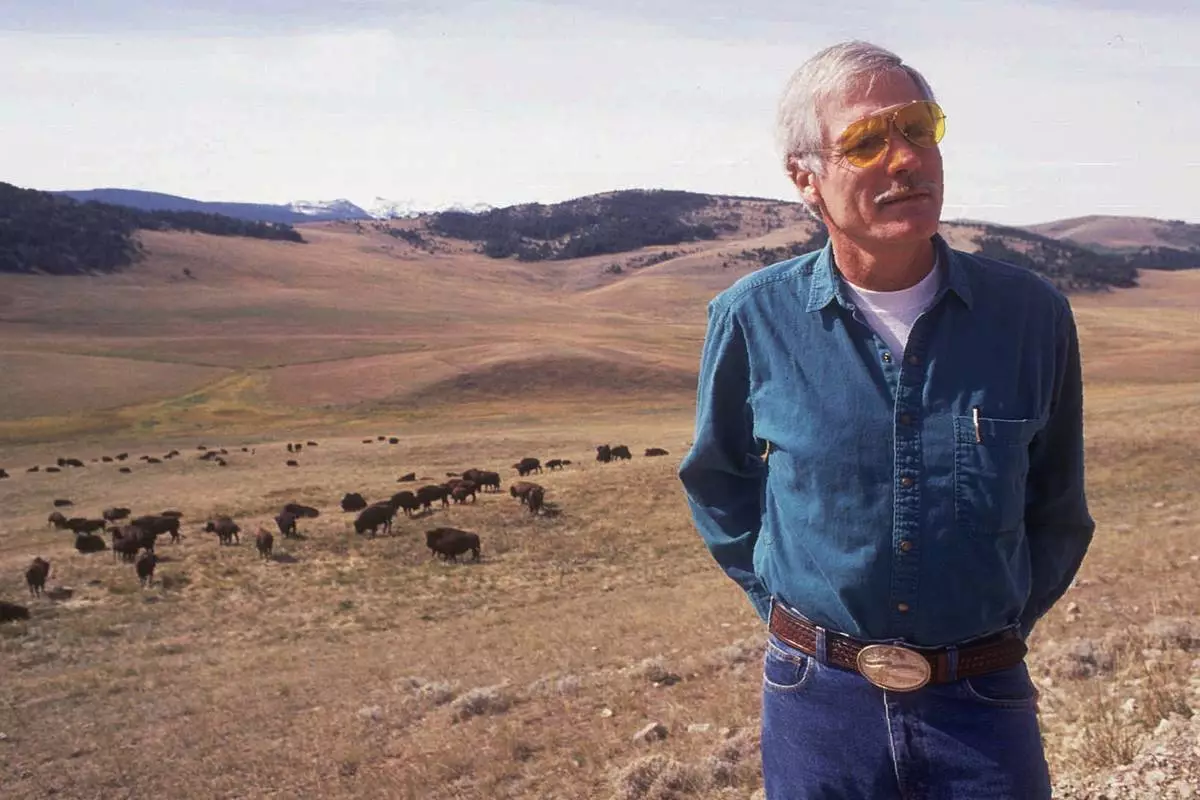
FILE - Ted Turner poses near a herd of his bison in September 1991 at his Flying D Ranch near Bozeman, Mont. (Linda Best/Bozeman Daily Chronicle via AP, File)