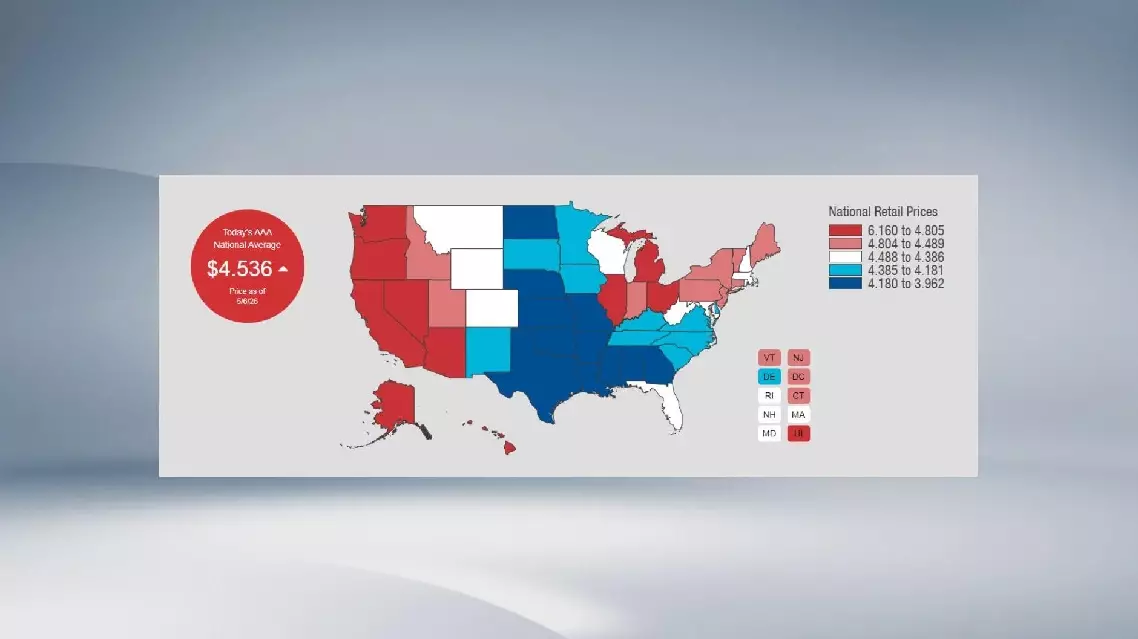
The average price of a gallon of regular gasoline in the U.S. surged to 4.536 U.S. dollars on Wednesday, a jump of more than 50 percent since the U.S.-Israel war on Iran, according to the American Automobile Association (AAA).
AAA data show that since the U.S. and Israel began military action against Iran in late February, U.S. oil prices spiked by 48 cents within the first week of March, a weekly increase very close to the record surge of 60 cents seen in March 2022.
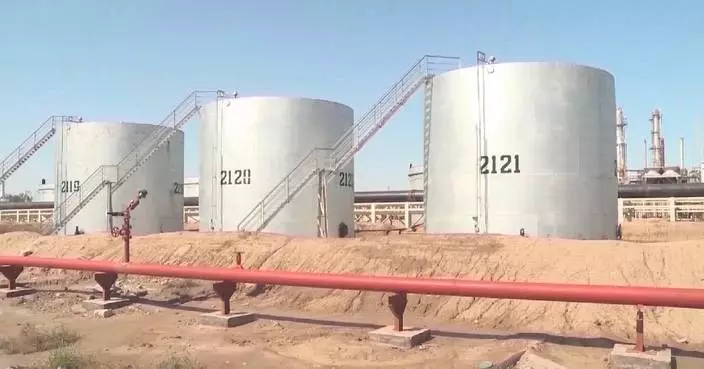
The primary driver of the recent rise is the blockade of the Strait of Hormuz, a vital global oil transit chokepoint, with some U.S. experts accusing the American naval blockade of Iranian ports, imposed on April 13, of deepening the energy crunch.
In states with higher taxes and refining costs, such as California, local gas prices have climbed significantly above the national average.
Broader economic data also reflect the toll. The U.S. Department of Commerce reported on April 30 that the Personal Consumption Expenditures (PCE) price index rose 3.5 percent year on year in March, the highest since June 2023. Analysts say the steep rise in gasoline prices is among the key factors pushing inflation higher.
US average gas prices rise 50 pct since Iran conflict
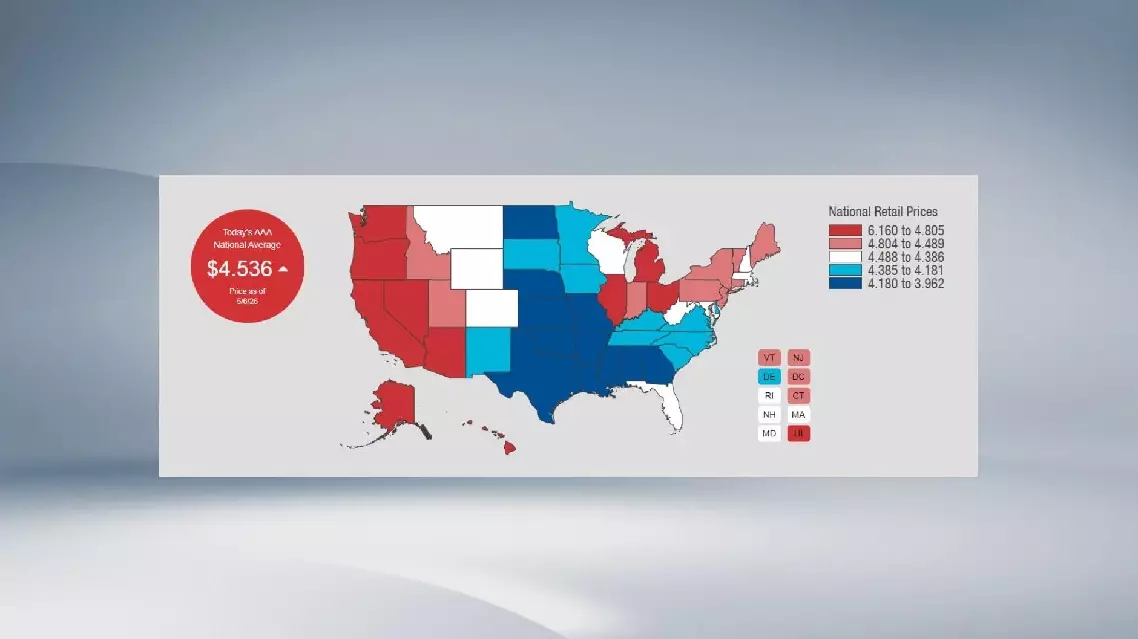
US average gas prices rise 50 pct since Iran conflict
The global energy crunch and its impacts on Southeast Asia are driving efforts to link the power grids of ASEAN member states, with officials and analysts saying the push could strengthen energy security and accelerate the shift to renewables.
For decades, the idea of an interconnected ASEAN power grid has been on the regional agenda. The current crisis in the wake of wars in Iran and other Gulf states has added urgency, highlighting both the region's diverse energy resources and its vulnerabilities.
Some countries in the region have abundant natural gas or hydropower, others hold vast solar potential, while countries like Singapore rely almost entirely on imports. Even power-producing nations at times face shortages, making cross-border supply an attractive solution.
"It will help us to strengthen our energy security. And of course, a diversified and cheaper supply of energy will boost our regional economic integration and economy. So I think everyone benefits from this," said Chheang Vannarith, chairman of the Cambodian National Assembly Advisory Council.
Malaysia, as ASEAN chair last year, pressed for stronger commitments. Analysts say the current crisis is sharpening focus on the issue.
"It is definitely a wake-up call. It acts as a catalyst. It is also our hope that the Philippines, as the chair of ASEAN this year, and given the circumstances that we are in today with the global energy crisis and the global supply crisis, that this agenda is put at the forefront of the ASEAN discussion," said Amir Fareed Raheem, geo-economist at KRA Group, an ASEAN-focused public affairs and political risk consultancy.
Even as the idea gains momentum, major challenges remain ahead in terms of agreeing on regulations, technical standards and pricing. Further out still are the more ambitious proposals, such as undersea cables to transmit hydropower from northern Malaysia to Singapore and beyond.
Despite the lingering questions, tangible progress is being made. Since 2022, a flagship pilot project has enabled hydropower from Laos to flow through Thailand and Malaysia to Singapore. An agreement signed earlier this year will double its maximum capacity.
"Eleven countries, [with] different systems, different pricing mechanisms. It has to be tested in smaller groupings first before it is scaled up to the whole ASEAN operating system," said Raheem.
With countries striving to expand renewable energy and the crisis straining supplies, consensus is building to move the ASEAN power grid from long-standing aspiration to practical reality.

ASEAN power grid integration gathers pace amid energy crisis