Skip to Content Facebook Feature Image

Ouster and DXOMARK Announce Strategic Collaboration on the World’s First Native Color Lidar with REV8

Business

Ouster and DXOMARK Announce Strategic Collaboration on the World’s First Native Color Lidar with REV8
Business

Business

Ouster and DXOMARK Announce Strategic Collaboration on the World’s First Native Color Lidar with REV8

2026-05-07 19:02 Last Updated At:19:20

SAN FRANCISCO--(BUSINESS WIRE)--May 7, 2026--

Ouster, Inc. (Nasdaq: OUST) (“Ouster” or the “Company”), a leader in sensing and perception for Physical AI, announced today its strategic collaboration with DXOMARK, a global leader in image quality evaluation and developer of advanced testing solutions. This partnership aims to test and optimize the next generation of sensing technologies, starting with the new Ouster Rev8 OS family, the world’s first native color lidar.

More Images
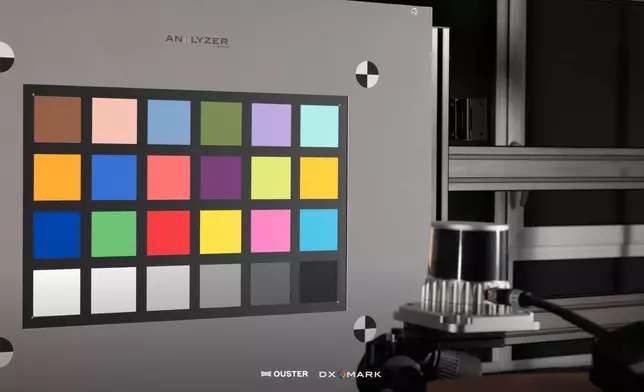
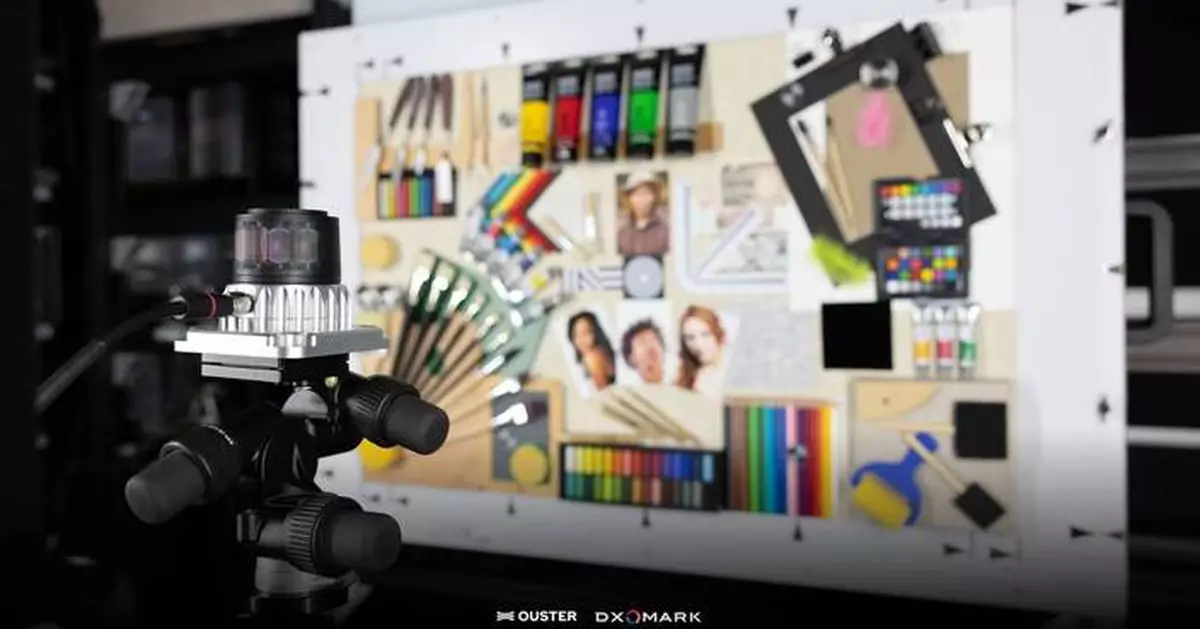
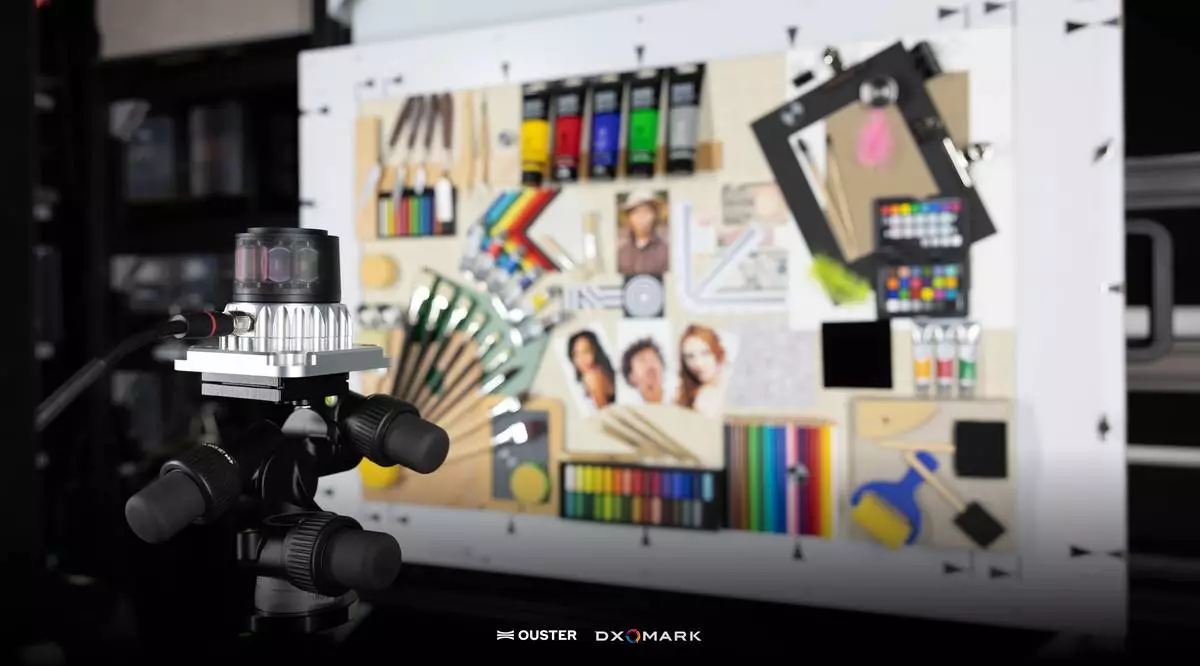
DXOMARK tests color fidelity on Ouster's Rev8 OS digital lidar.
DXOMARK tests color fidelity on Ouster's Rev8 OS digital lidar.

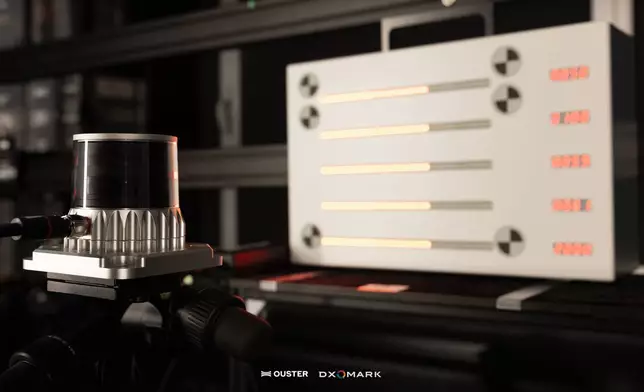
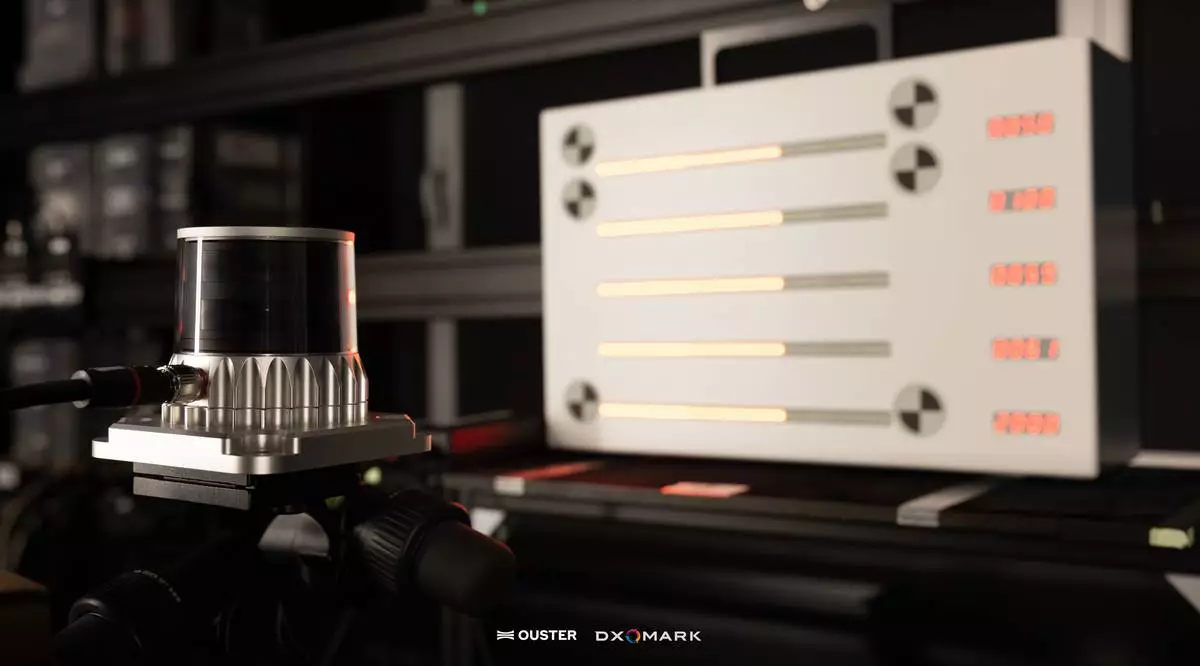
DXOMARK tests rolling shutter and timing precision on Ouster's Rev8 OS digital lidar.
DXOMARK tests rolling shutter and timing precision on Ouster's Rev8 OS digital lidar.

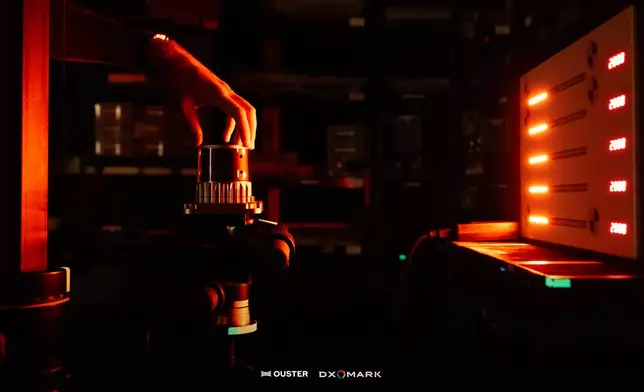
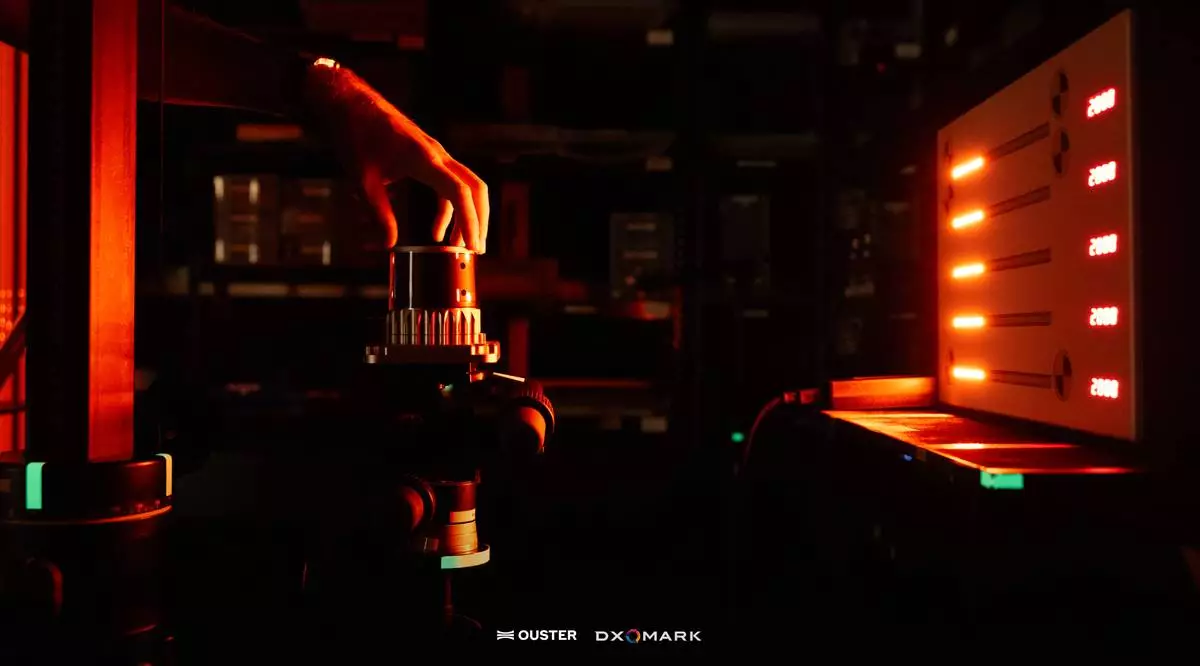
DXOMARK tests LED flickering on Ouster's Rev8 OS digital lidar.
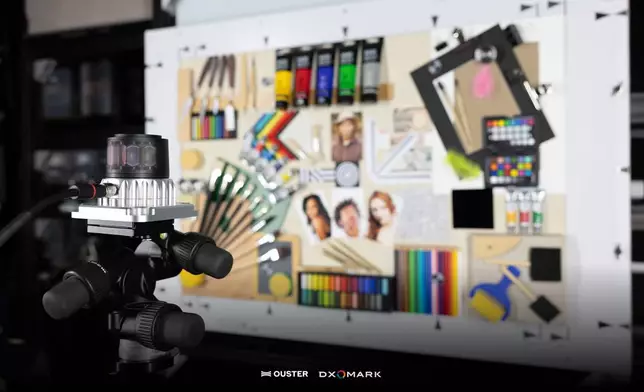
DXOMARK tests LED flickering on Ouster's Rev8 OS digital lidar.

DXOMARK tests image quality and color accuracy on Ouster's Rev8 OS digital lidar.

DXOMARK tests image quality and color accuracy on Ouster's Rev8 OS digital lidar.

This press release features multimedia. View the full release here: https://www.businesswire.com/news/home/20260507729786/en/

As sensing technologies evolve toward more complex, multi-modal systems, the need for accurate, reliable, and standardized performance evaluation becomes critical. This collaboration brings DXOMARK's 20 years of expertise in image quality testing and sensor benchmarking to Ouster’s cutting-edge digital lidar technology to support the development and optimization of next-generation sensing products. Through rigorous independent testing, DXOMARK enables Ouster to maximize system performance and image quality for the most demanding real-world environments.

During the development of Ouster Rev8, DXOMARK provided a comprehensive analysis of Image Sensor Processing and conducted a series of advanced tests to assess and optimize system performance in real-world scenarios. These included computation and evaluations of color fidelity, environmental robustness, and perception accuracy under varying lighting and weather conditions, ensuring Rev8 meets the requirements of next generation use cases.

“DXOMARK is a leader in image quality testing across multiple industries. Their rigorous and trusted benchmarking methodologies make them an ideal partner as we continue to push the boundaries of sensing performance and perception systems,” said Ouster CEO Angus Pacala.

Where traditional cameras struggle in adverse weather and lidar has historically been limited to near-infrared light, Ouster’s Rev8 native color lidar bridges the gap. By expanding the sensor’s vision to the full range of human-visible color, Rev8 captures a massive increase in environmental data with intuitive visual information. Critically, even when objects exceed the lidar’s detection range, integrated color data continues to provide a rich stream of information, maintaining visual awareness where depth data cannot reach. With structural and color data fused through physics at the silicon level, the system requires no complex calibration, allowing the industry to instantly pair lidar precision with computer vision to power the next era of Physical AI.

“We are proud to collaborate with Ouster, a company that shares our commitment to innovation, on its new Rev8 sensors. This partnership represents an important step in extending our image quality expertise to new 3D depth sensing domains and supporting the development of next-generation perception systems,” said Frédéric Guichard, CEO of DXOMARK.

For more information on Rev8 with native color, visit ouster.com/rev8 or view the product video here.

About DXOMARK

DXOMARK is a global leader in imaging quality evaluation, helping industries to design, validate and optimize products to deliver outstanding visual experiences. Combining scientific testing with real-world analysis, DXOMARK provides objective, reliable elements that translate directly into product performance improvements. Independent and privately owned, DXOMARK supports the imaging ecosystem across the entire product lifecycle, from development to benchmarking, through advanced testing services, proprietary lab solutions, and in-depth performance analysis. Headquartered in Boulogne-Billancourt (France), DXOMARK brings together around 100 experts in imaging technologies and operates a global network of state-of-the-art laboratories. For over 20 years, the company has conducted thousands of evaluations annually and deployed more than 200 turnkey lab solutions within customers’ R&D centers worldwide.

DXOMARK’s offerings include:

Learn more about DXOMARK’s professional solutions at corp.dxomark.com. Stay up to date with the latest DXOMARK news on LinkedIn.

About Ouster

Ouster (Nasdaq: OUST) is a leader in sensing and perception for Physical AI across industrial, robotics, automotive, and smart infrastructure. With a unified platform of high-performance digital lidar, cameras, AI compute, sensor fusion and perception software, and AI models, Ouster delivers solutions that improve quality of life in the physical world. Headquartered in San Francisco, CA, Ouster has a global presence serving thousands of customers with offices in the Americas, Europe, and Asia-Pacific. For more information about our products, visit www.ouster.com, contact our sales team, or connect with us on X or LinkedIn.

Forward-Looking Statements

This press release contains forward-looking statements within the meaning of the Private Securities Litigation Reform Act of 1995. The Company intends such forward-looking statements to be covered by the safe harbor provisions for forward-looking statements contained in Section 27A of the Securities Act of 1933, as amended and Section 21E of the Securities Exchange Act of 1934, as amended. Such statements are based upon current plans, estimates and expectations of management that are subject to various risks and uncertainties that could cause actual results to differ materially from such statements. The inclusion of forward-looking statements should not be regarded as a representation that such plans, estimates and expectations will be achieved. Words such as “expect,” “will”, “may,” “anticipate,” “intend,” “reflect,” “should,” “plan,” “can,” “could,” “offer,” “estimate,” “possible,” “potential,” “pursue,” “demonstrate,” and the negative of these terms and similar expressions are intended to identify forward-looking statements, though not all forward-looking statements use these words or expressions. All statements, other than historical facts, including statements regarding the capabilities and benefits of Ouster’s digital lidar, the demand for Ouster’s product offerings, Ouster’s strategy and its competitive position constitute forward-looking statements. All forward-looking statements are subject to risks and uncertainties that may cause actual results to differ materially from those that we expected, including, but not limited to, Ouster’s ability to anticipate market demand for its products and offerings; the possibility of cancellation or postponement of contracts or unsuccessful implementations; risks related to the adoption of Ouster’s products, inaccurate forecasts of market growth and customer demand; Ouster’s ability to respond to evolving regulations and standards; product quality and liability risks; and other important risk factors discussed in the Company’s Annual Report on Form 10-K for the year ended December 31, 2025, and as may be further updated from time to time in the Company’s Quarterly Reports on Form 10-Q and other filings with the SEC. Readers are urged to consider these factors carefully and in the totality of the circumstances when evaluating these forward-looking statements, and not to place undue reliance on any of them. Any such forward-looking statements represent management’s reasonable estimates and beliefs as of the date of this press release. While Ouster may elect to update such forward-looking statements at some point in the future, it disclaims any obligation to do so, other than as may be required by law, even if subsequent events cause its views to change.
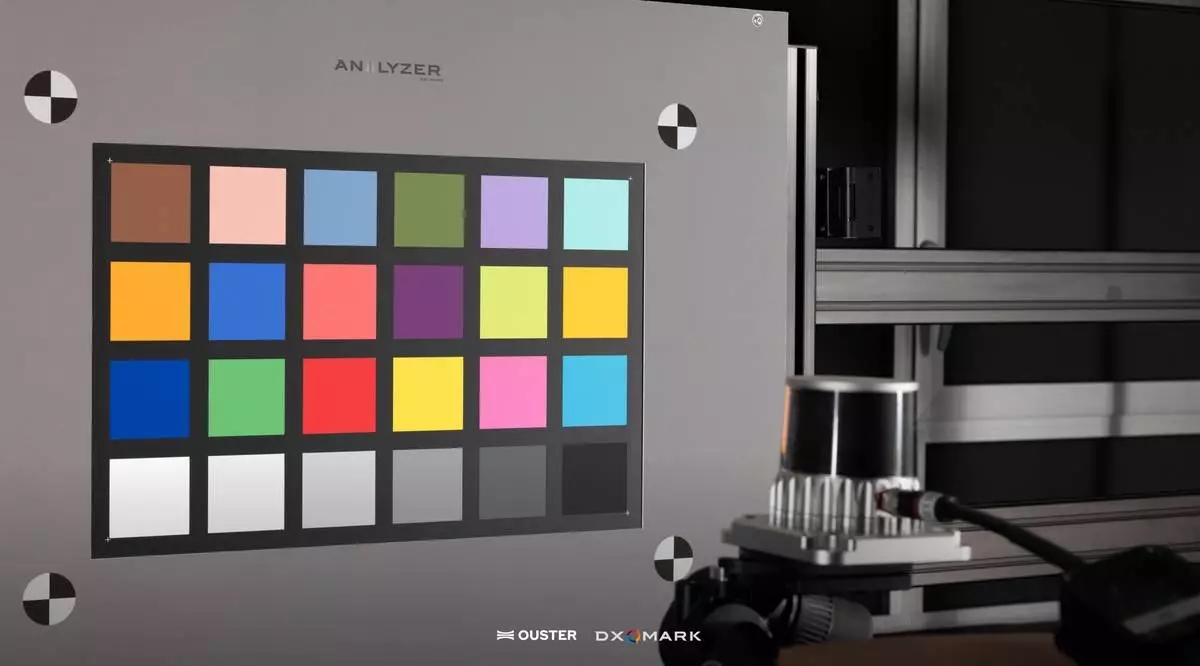
DXOMARK tests color fidelity on Ouster's Rev8 OS digital lidar.
DXOMARK tests color fidelity on Ouster's Rev8 OS digital lidar.

DXOMARK tests rolling shutter and timing precision on Ouster's Rev8 OS digital lidar.
DXOMARK tests rolling shutter and timing precision on Ouster's Rev8 OS digital lidar.

DXOMARK tests LED flickering on Ouster's Rev8 OS digital lidar.
DXOMARK tests LED flickering on Ouster's Rev8 OS digital lidar.

DXOMARK tests image quality and color accuracy on Ouster's Rev8 OS digital lidar.


DXOMARK tests image quality and color accuracy on Ouster's Rev8 OS digital lidar.

LONDON (AP) — British Prime Minister Keir Starmer pledged to revive his struggling government but faced growing calls to resign after a disastrous set of local and regional elections for his Labour Party.

As the final results came in Saturday, Labour suffered a net loss of more than 1,100 local council seats across England, lost control of several local authorities it had held for decades and was booted from power in Wales after 27 years. Anti-immigration party Reform UK gained over 1,300 seats across England and made significant gains in legislative elections in Wales and Scotland.

It was a blunt verdict from voters in elections widely seen as an unofficial referendum on Starmer, whose popularity has plummeted since he led the center-left party to power less than two years ago.

Here are five things we’ve learned from the elections.

Starmer insisted he would not walk away and "plunge the country into chaos,” and the dire election results did not produce an immediate challenge to his leadership.

"The right thing to do is rebuild and show the path forward,” Starmer said Saturday. “That’s what I’m going to do in the coming days.”

Starmer’s Cabinet colleagues expressed support, and none of the high-profile Labour politicians considered potential challengers has made a move. Health Secretary Wes Streeting, former Deputy Prime Minister Angela Rayner and Greater Manchester Mayor Andy Burnham are keeping quiet for now.

But a growing number of Labour lawmakers urged the prime minister to set a timetable for his departure this year. British politics allows parties to change leader midterm without the need for a new election.

“There has to be a timetable,” legislator Clive Betts told the BBC. Another lawmaker, Tony Vaughan, said there should be an “orderly transition of leadership.”

Starmer tried to demonstrate change on Saturday by bringing back two figures from past Labour governments. He made former Prime Minister Gordon Brown a special envoy on global finance, and appointed the party's ex-deputy leader Harriet Harman an adviser on women and girls.

Starmer is due to make a speech on Monday in an attempt to regain momentum, before the government sets out its legislative plans on Wednesday in a speech delivered by King Charles III at the State Opening of Parliament.

The elections were a breakthrough for Reform UK, the latest hard-right party led by the veteran nationalist politician Nigel Farage.

Running on an anti-establishment and anti-immigration message, the party won hundreds of local council seats in working-class areas in England’s north, such as Sunderland, that were solid Labour turf for decades. It also made gains from the Conservatives in areas like the county of Essex, east of London, and increased its vote share in Wales and Scotland, new terrain for the party.

Farage said the results marked a “historic change in British politics.” He said he's confident that “voters who have come to us are not doing it as a short-term protest.”

Reform UK currently holds just eight of the 650 seats in the House of Commons and it’s unclear whether it could repeat its success in a national election.

The elections produced semiautonomous administrations in Scotland and Wales led by parties devoted to independence and the breakup of the United Kingdom — though neither has that policy on the front burner.

The Scottish National Party, which has governed in Edinburgh since 2007, won another term but fell short of a majority, meaning an independence referendum is unlikely. Labour and Reform tied in a distant second place.

Plaid Cymru (The Party of Wales) won the most seats in the Cardiff-based legislature, the Senedd. The party, which has an ambition for Wales to leave the U.K. but no plan to do so anytime soon, fell short of a majority but will likely form the new government. Reform came second and Labour a distant third in one of its most historic heartlands, with outgoing First Minister Eluned Morgan losing her seat.

The economy lies at the heart of Labour’s troubles, as it does for many incumbent governments.

Since ending 14 years of Conservative rule roiled by austerity and the COVID-19 pandemic, Labour has struggled to ease the cost of living and jump-start a sluggish economy against the tough economic backdrop of war in Ukraine and, more recently, Iran. Starmer also has angered supporters with attempts to cut welfare spending, some of which were reversed after Labour revolts.

Some in Labour say the government's achievements, including protections for renters and a higher minimum wage, are going unnoticed. Many blame Starmer, an uninspiring leader distracted by scandals including his disastrous decision to appoint Peter Mandelson, a scandal-tarnished friend of Jeffrey Epstein, as Britain’s ambassador to Washington.

But Stephen Houghton, the outgoing leader of Barnsley council in northern England, where Labour lost to Reform, said the problem “goes deeper than the prime minister.”

“This has been coming for 30 years around the country, in post-industrial communities, coastal communities, that have been left behind,” he said. “You can change prime ministers all day long. If you don’t change policy, it’s not going to change.”

The results reflect a fragmentation of U.K. politics after decades of domination by Labour and the Conservative Party, which also suffered major losses on Thursday.

The elections offered voters a rainbow of choices, including the centrist Liberal Democrats and the nationalist parties in Scotland and Wales.

But the big winners were populist insurgents, Reform UK and the Green Party, whose focus has expanded from the environment to social justice and the Palestinian cause under self-described “eco populist” leader Zack Polanski. The Greens won hundreds of council seats from Labour in urban centers and university towns and took control of several local authorities.

Tony Travers, professor of government at the London School of Economics, said the results suggest the next national election, due by 2029, won’t produce a majority for any party.

“So then you’re in the world of, after the election, two or three big minority parties trying to work out how they would govern,” he said — something traditionally considered “very un-British.”

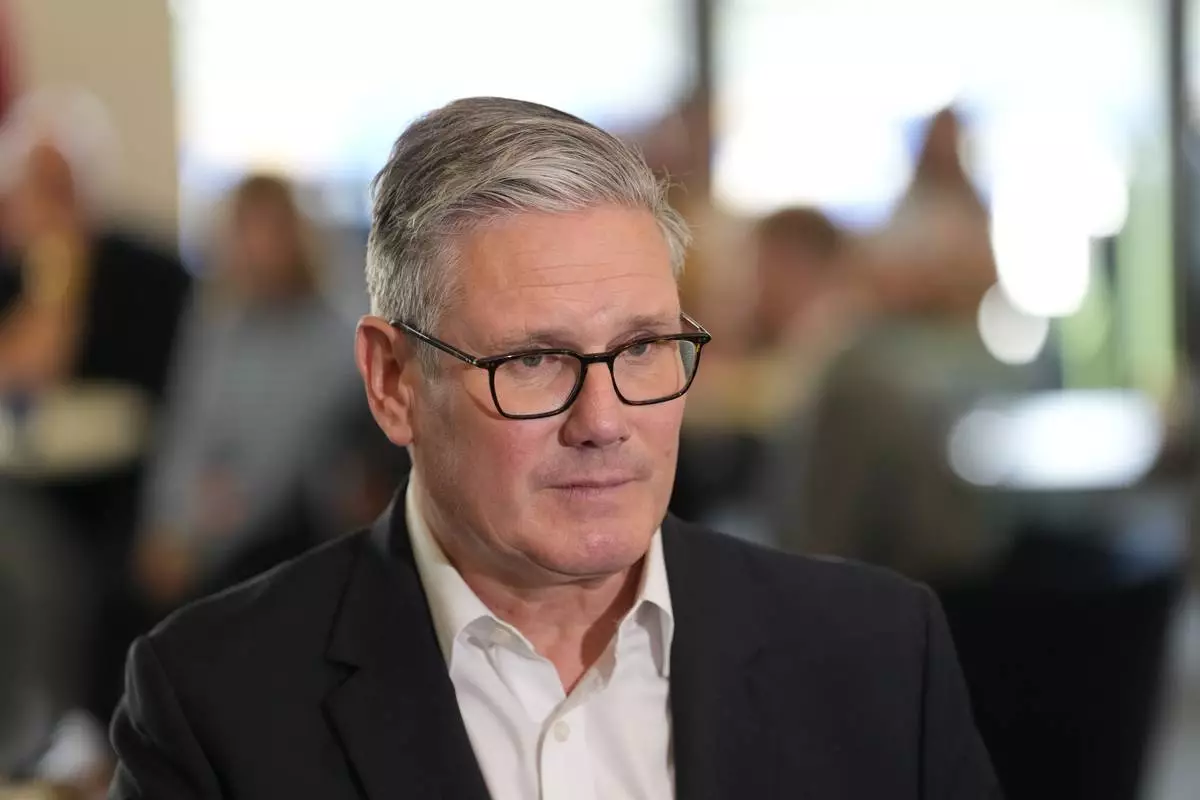
British Prime Minister Sir Keir Starmer speaking to the media after meeting Labour Party members during a visit to AFC Wimbledon in south London, Saturday May 9, 2026. (Maja Smiejkowska/PA via AP)

British Prime Minister Sir Keir Starmer speaking to the media after meeting Labour Party members during a visit to AFC Wimbledon in south London, Saturday May 9, 2026. (Maja Smiejkowska/PA via AP)

First Minister and SNP leader John Swinney with some of the newly elected SNP MSPs in Edinburgh, Saturday May 9, 2026, following the 2026 Holyrood elections. (Jane Barlow/PA via AP)

First Minister and SNP leader John Swinney with some of the newly elected SNP MSPs in Edinburgh, Saturday May 9, 2026, following the 2026 Holyrood elections. (Jane Barlow/PA via AP)

British Prime Minister Sir Keir Starmer and Foreign Secretary David Lammy meeting Labour Party members during a visit to AFC Wimbledon in south London, Saturday May 9, 2026. (Maja Smiejkowska/PA via AP)

British Prime Minister Sir Keir Starmer and Foreign Secretary David Lammy meeting Labour Party members during a visit to AFC Wimbledon in south London, Saturday May 9, 2026. (Maja Smiejkowska/PA via AP)

British Prime Minister Sir Keir Starmer speaking to the media after meeting Labour Party members during a visit to AFC Wimbledon in south London, Saturday May 9, 2026. (Maja Smiejkowska/PA via AP)

British Prime Minister Sir Keir Starmer speaking to the media after meeting Labour Party members during a visit to AFC Wimbledon in south London, Saturday May 9, 2026. (Maja Smiejkowska/PA via AP)

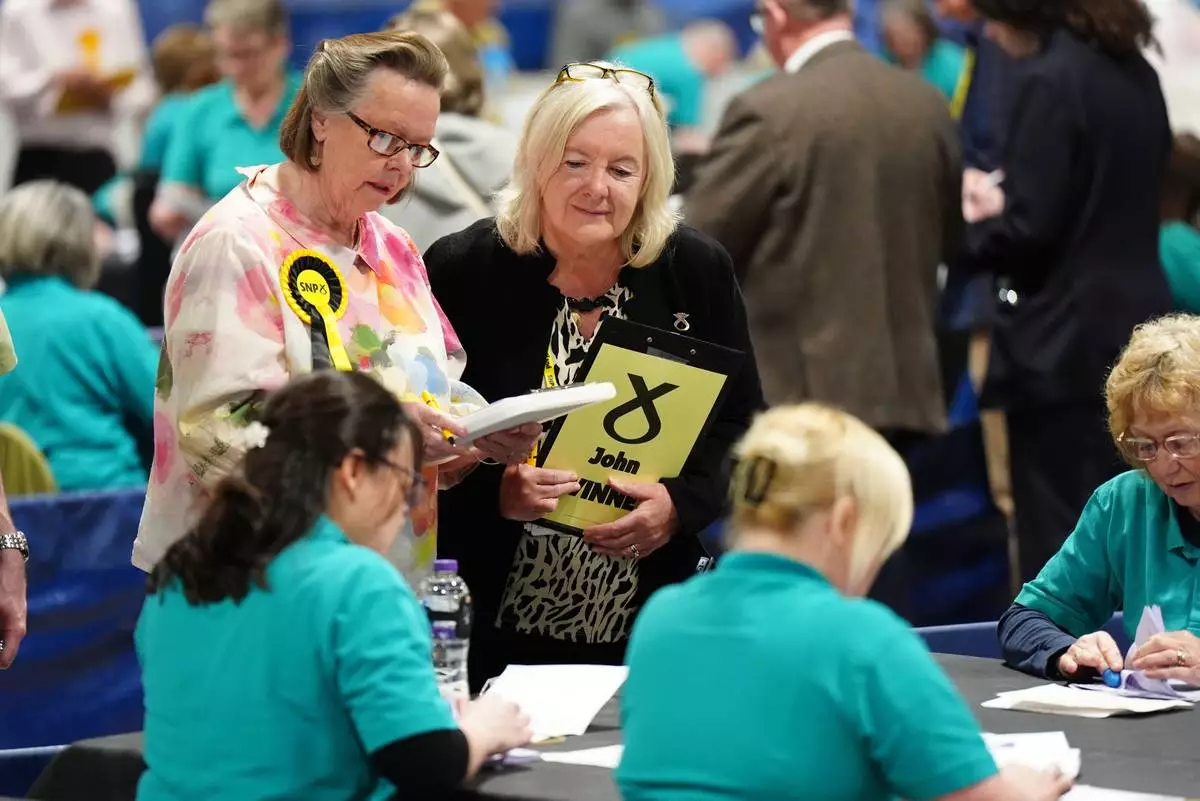
Observers from the Scottish National Party (SNP) watch as votes are counted for the 2026 Holyrood elections, at Dewars Centre in Perth, Scotland, Friday May 8, 2026. (Jane Barlow/PA via AP)

Observers from the Scottish National Party (SNP) watch as votes are counted for the 2026 Holyrood elections, at Dewars Centre in Perth, Scotland, Friday May 8, 2026. (Jane Barlow/PA via AP)

Reform UK leader Nigel Farage speaks to supporters at Chelmsford City Racecourse, Friday May 8, 2026, in Essex, England, following the 2026 local election results. (Jordan Pettitt/PA via AP)

Reform UK leader Nigel Farage speaks to supporters at Chelmsford City Racecourse, Friday May 8, 2026, in Essex, England, following the 2026 local election results. (Jordan Pettitt/PA via AP)

Britain's Prime Minister Sir Keir Starmer speaks to Labour Party members at Kingsdown Methodist Church Hall, in Ealing, west London, Friday May 8, 2026, a day after the local elections. (Stefan Rousseau/PA via AP)

Britain's Prime Minister Sir Keir Starmer speaks to Labour Party members at Kingsdown Methodist Church Hall, in Ealing, west London, Friday May 8, 2026, a day after the local elections. (Stefan Rousseau/PA via AP)

Recommended Articles