VAUGHAN, Ontario--(BUSINESS WIRE)--May 7, 2026--
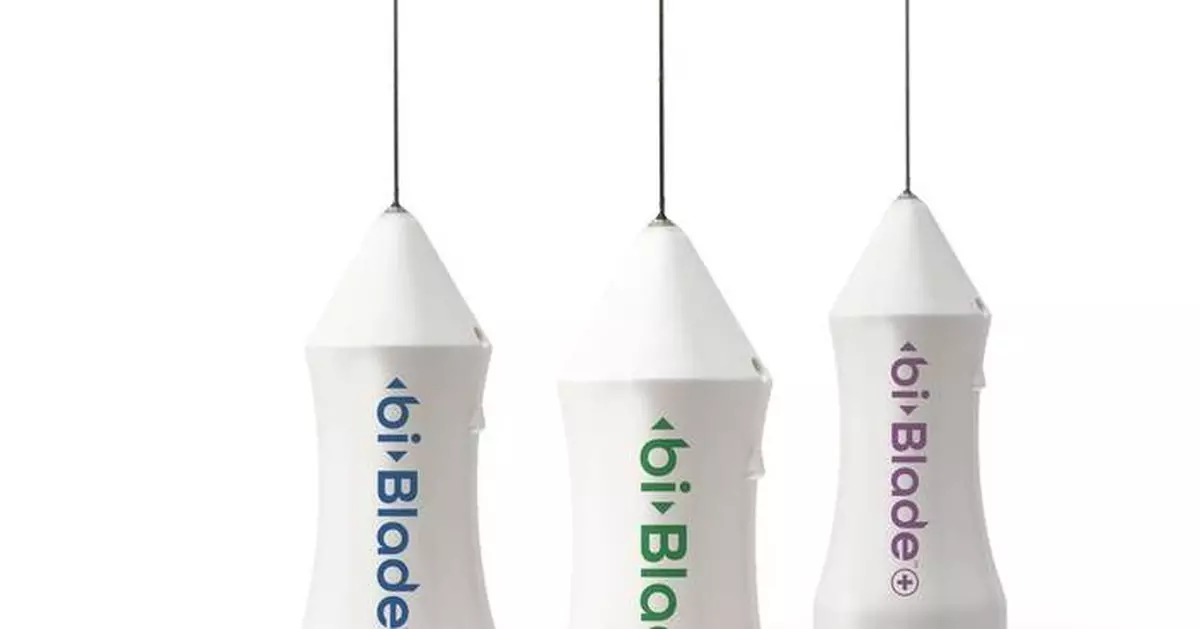
Bausch + Lomb Corporation (NYSE/TSX: BLCO), a leading global eye health company dedicated to helping people see better to live better, today announced the European launch of the Bi-Blade+ advanced dual-port vitrectomy cutter on the Stellaris Elite ® Vision Enhancement System.
This press release features multimedia. View the full release here: https://www.businesswire.com/news/home/20260507552089/en/
“The launch of Bi-Blade+ is the latest example of our commitment to delivering meaningful innovation in Europe,” said Luc Bonnefoy, president, Surgical, Bausch + Lomb. “Stellaris Elite has long been relied upon by European surgeons, and the 2024 Adaptive Fluidics software upgrade further enhanced the precise control and efficiency of the platform. We’re confident that the addition of Bi-Blade+ will also deliver meaningful benefits to retina surgeons and their patients.”
Bi-Blade+ provides an increased flow rate of 25%, enabling more efficient vitreous removal compared to Bi-Blade. 1* At maximum speed, Bi-Blade+ also demonstrates a 62% reduction in cutter vibration compared to Bi-Blade, offering the surgeon optimized feel and comfort toward a stable surgical experience. 4
Adaptive Fluidics automates fluid infusion to the eye in response to real-time vacuum commands from the surgeon, delivering precise and responsive fluidics infusion at every step of a vitrectomy procedure.
These two technologies combine to support and maintain IOP stability and control. When combined with Adaptive Fluidics, Bi-Blade+ demonstrated a 62% reduction in average infusion pressure compared to surgeries in which Adaptive Fluidics was not used. 3 Continuous aspiration also provides consistent intraocular pressure (IOP) stability. 3* In one study, use of Bi-Blade+ with Adaptive Fluidics resulted in a significant improvement in chamber IOP at a range closer to physiologic IOP (10 – 20 mmHg) even during high vacuum levels. 3**
“The higher cut rate of Bi-Blade+ offers a significant advantage when removing vitreous,” said Professor Marco Mura, MD, University of Ferrara, Ferrara, Italy. “The ability to increase flow rate while maintaining a small sphere of influence and calm environment means surgeons can have more confidence when working close to the retina.”
*Based on ex vivo and in vitro testing.
**Based on ex vivo and in vitro testing comparing original Bi-Blade to single-port cutter.
† Bi-Blade ® is a trademark of Medical Instrument Development Laboratories, Inc. and is used by Bausch + Lomb under license.
Bi-Blade™+ Indications and Important Safety Information
Indications and Intended Use: The Bausch + Lomb vitrectomy cutter pouches are intended to cut and remove vitreous from the eye. They are indicated for any ocular condition requiring anterior vitrectomy during anterior segment surgery and for any vitreoretinal condition requiring vitrectomy during posterior or combined surgery.
Compatible Equipment: Stellaris Elite Bi-Blade+ accessories are only intended to operate with Bausch + Lomb Stellaris Elite vision enhancement systems with Bi-Blade+ procedure pack compatibility.
Known residual risks and complications include but are not limited to: infection; inflammation; ocular damage; trauma; cataract formation (not applicable in cataract removal procedures); foreign body/particulates in eye; intraocular pressure (IOP) variance that may cause damage to patient’s eye; visual impairment; ischemia; allergic reaction; edema.
ATTENTION: See the Instructions for Use for detailed directions, proper use, and full risk and safety information.
CAUTION: Federal (U.S.) Law restricts this device to sale, by or on the order of a physician.
About Bausch + Lomb
Our mission is simple – we help people see better to live better, all over the world. For nearly two centuries we’ve evolved with the changing needs of patients and customers, and our commitment to innovation and improving the standard of care in eye health has never been stronger. From contact lenses to prescription products, over-the-counter options, surgical devices and more, we’re turning bold ideas into better outcomes through passion, perseverance and purpose. Learn more at www.bausch.com and connect with us on Facebook, Instagram, LinkedIn, X and YouTube.
Forward-looking Statements
This news release may contain forward-looking information and statements within the meaning of applicable securities laws (collectively, “forward-looking statements”). Forward-looking statements may generally be identified by the use of the words “anticipates,” “seeks,” “expects,” “plans,” “should,” “could,” “would,” “may,” “will,” “believes,” “potential,” “pending” or “proposed” and variations or similar expressions. These statements are based upon the current expectations and beliefs of management and are subject to certain risks and uncertainties that could cause actual results to differ materially from those described in the forward-looking statements. These risks and uncertainties include, but are not limited to, the risks and uncertainties discussed in Bausch + Lomb’s filings with the U.S. Securities and Exchange Commission and the Canadian Securities Administrators, which factors are incorporated herein by reference. Readers are cautioned not to place undue reliance on any of these forward-looking statements. These forward-looking statements speak only as of the date hereof. Bausch + Lomb undertakes no obligation to update any of these forward-looking statements to reflect events or circumstances after the date of this news release or to reflect actual outcomes, unless required by law.
References
© 2026 Bausch + Lomb.
BBL.0008.USA.26
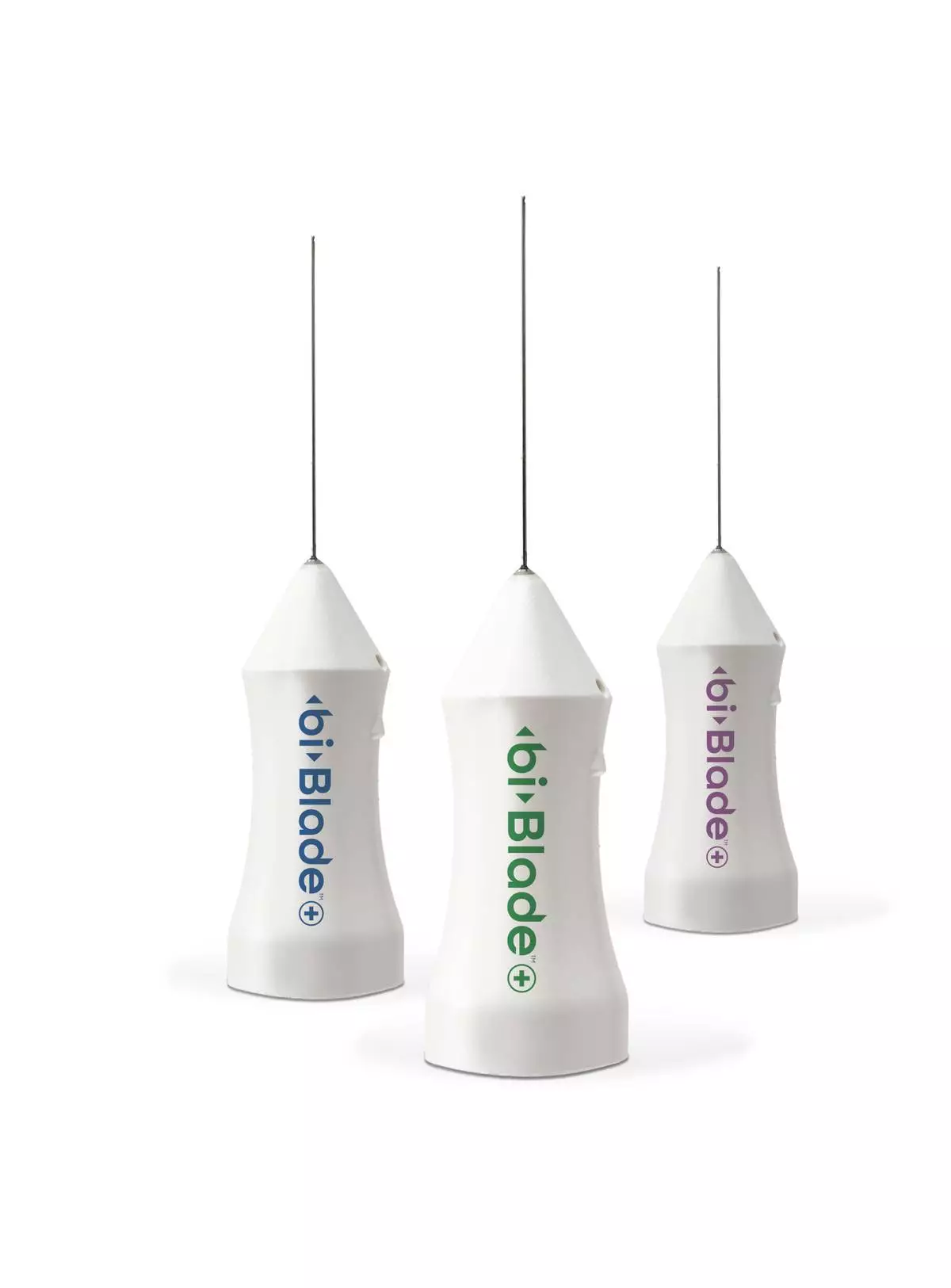
Bausch + Lomb Launches Bi-Blade+™ Dual-Port Vitrectomy Cutter in Europe
LONDON (AP) — British Prime Minister Keir Starmer pledged to revive his struggling government but faced growing calls to resign after a disastrous set of local and regional elections for his Labour Party.
As the final results came in Saturday, Labour suffered a net loss of more than 1,100 local council seats across England, lost control of several local authorities it had held for decades and was booted from power in Wales after 27 years. Anti-immigration party Reform UK gained over 1,300 seats across England and made significant gains in legislative elections in Wales and Scotland.
It was a blunt verdict from voters in elections widely seen as an unofficial referendum on Starmer, whose popularity has plummeted since he led the center-left party to power less than two years ago.
Here are five things we’ve learned from the elections.
Starmer insisted he would not walk away and "plunge the country into chaos,” and the dire election results did not produce an immediate challenge to his leadership.
"The right thing to do is rebuild and show the path forward,” Starmer said Saturday. “That’s what I’m going to do in the coming days.”
Starmer’s Cabinet colleagues expressed support, and none of the high-profile Labour politicians considered potential challengers has made a move. Health Secretary Wes Streeting, former Deputy Prime Minister Angela Rayner and Greater Manchester Mayor Andy Burnham are keeping quiet for now.
But a growing number of Labour lawmakers urged the prime minister to set a timetable for his departure this year. British politics allows parties to change leader midterm without the need for a new election.
“There has to be a timetable,” legislator Clive Betts told the BBC. Another lawmaker, Tony Vaughan, said there should be an “orderly transition of leadership.”
Starmer tried to demonstrate change on Saturday by bringing back two figures from past Labour governments. He made former Prime Minister Gordon Brown a special envoy on global finance, and appointed the party's ex-deputy leader Harriet Harman an adviser on women and girls.
Starmer is due to make a speech on Monday in an attempt to regain momentum, before the government sets out its legislative plans on Wednesday in a speech delivered by King Charles III at the State Opening of Parliament.
The elections were a breakthrough for Reform UK, the latest hard-right party led by the veteran nationalist politician Nigel Farage.
Running on an anti-establishment and anti-immigration message, the party won hundreds of local council seats in working-class areas in England’s north, such as Sunderland, that were solid Labour turf for decades. It also made gains from the Conservatives in areas like the county of Essex, east of London, and increased its vote share in Wales and Scotland, new terrain for the party.
Farage said the results marked a “historic change in British politics.” He said he's confident that “voters who have come to us are not doing it as a short-term protest.”
Reform UK currently holds just eight of the 650 seats in the House of Commons and it’s unclear whether it could repeat its success in a national election.
The elections produced semiautonomous administrations in Scotland and Wales led by parties devoted to independence and the breakup of the United Kingdom — though neither has that policy on the front burner.
The Scottish National Party, which has governed in Edinburgh since 2007, won another term but fell short of a majority, meaning an independence referendum is unlikely. Labour and Reform tied in a distant second place.
Plaid Cymru (The Party of Wales) won the most seats in the Cardiff-based legislature, the Senedd. The party, which has an ambition for Wales to leave the U.K. but no plan to do so anytime soon, fell short of a majority but will likely form the new government. Reform came second and Labour a distant third in one of its most historic heartlands, with outgoing First Minister Eluned Morgan losing her seat.
The economy lies at the heart of Labour’s troubles, as it does for many incumbent governments.
Since ending 14 years of Conservative rule roiled by austerity and the COVID-19 pandemic, Labour has struggled to ease the cost of living and jump-start a sluggish economy against the tough economic backdrop of war in Ukraine and, more recently, Iran. Starmer also has angered supporters with attempts to cut welfare spending, some of which were reversed after Labour revolts.
Some in Labour say the government's achievements, including protections for renters and a higher minimum wage, are going unnoticed. Many blame Starmer, an uninspiring leader distracted by scandals including his disastrous decision to appoint Peter Mandelson, a scandal-tarnished friend of Jeffrey Epstein, as Britain’s ambassador to Washington.
But Stephen Houghton, the outgoing leader of Barnsley council in northern England, where Labour lost to Reform, said the problem “goes deeper than the prime minister.”
“This has been coming for 30 years around the country, in post-industrial communities, coastal communities, that have been left behind,” he said. “You can change prime ministers all day long. If you don’t change policy, it’s not going to change.”
The results reflect a fragmentation of U.K. politics after decades of domination by Labour and the Conservative Party, which also suffered major losses on Thursday.
The elections offered voters a rainbow of choices, including the centrist Liberal Democrats and the nationalist parties in Scotland and Wales.
But the big winners were populist insurgents, Reform UK and the Green Party, whose focus has expanded from the environment to social justice and the Palestinian cause under self-described “eco populist” leader Zack Polanski. The Greens won hundreds of council seats from Labour in urban centers and university towns and took control of several local authorities.
Tony Travers, professor of government at the London School of Economics, said the results suggest the next national election, due by 2029, won’t produce a majority for any party.
“So then you’re in the world of, after the election, two or three big minority parties trying to work out how they would govern,” he said — something traditionally considered “very un-British.”

British Prime Minister Sir Keir Starmer speaking to the media after meeting Labour Party members during a visit to AFC Wimbledon in south London, Saturday May 9, 2026. (Maja Smiejkowska/PA via AP)

First Minister and SNP leader John Swinney with some of the newly elected SNP MSPs in Edinburgh, Saturday May 9, 2026, following the 2026 Holyrood elections. (Jane Barlow/PA via AP)
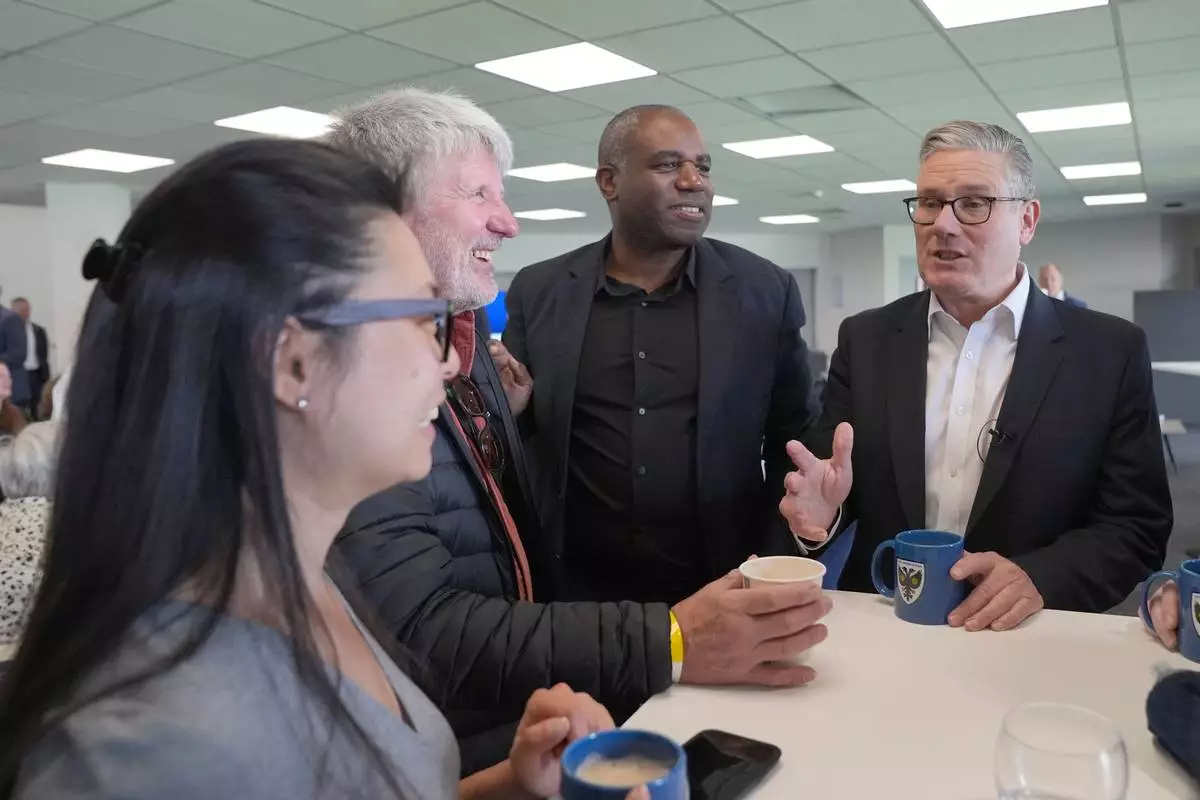
British Prime Minister Sir Keir Starmer and Foreign Secretary David Lammy meeting Labour Party members during a visit to AFC Wimbledon in south London, Saturday May 9, 2026. (Maja Smiejkowska/PA via AP)
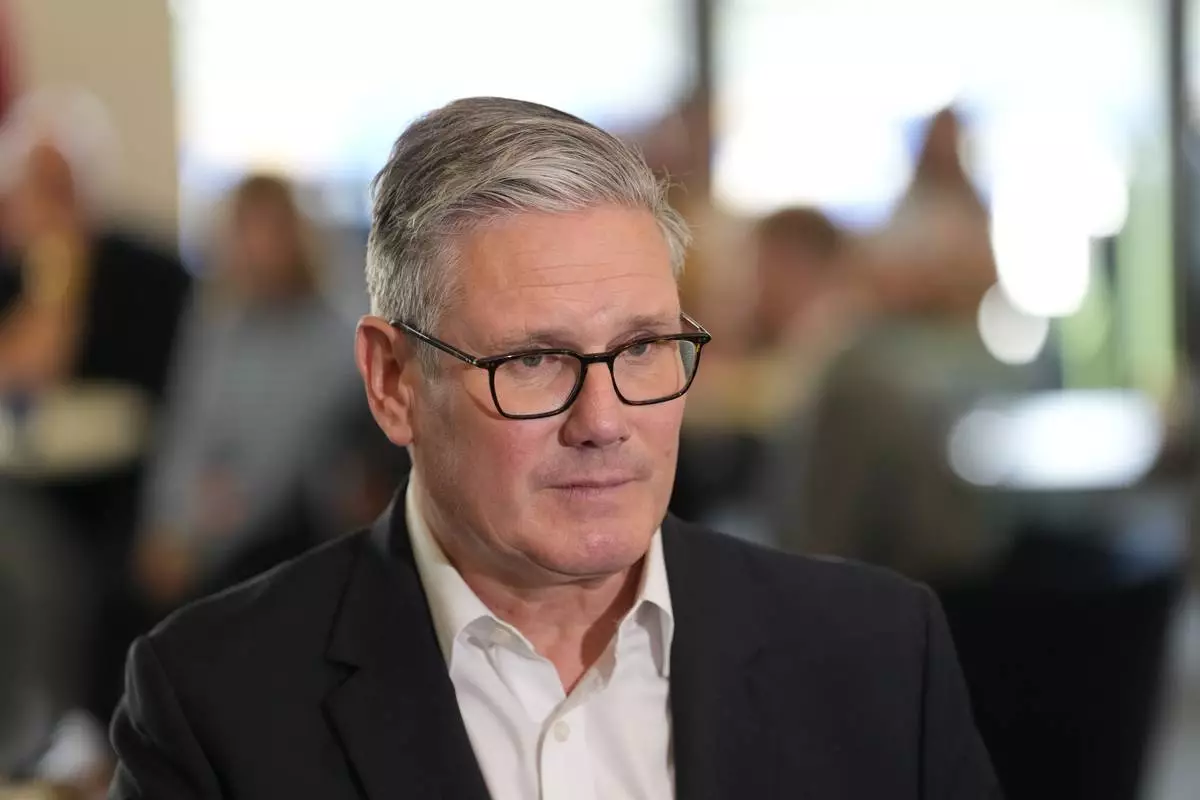
British Prime Minister Sir Keir Starmer speaking to the media after meeting Labour Party members during a visit to AFC Wimbledon in south London, Saturday May 9, 2026. (Maja Smiejkowska/PA via AP)
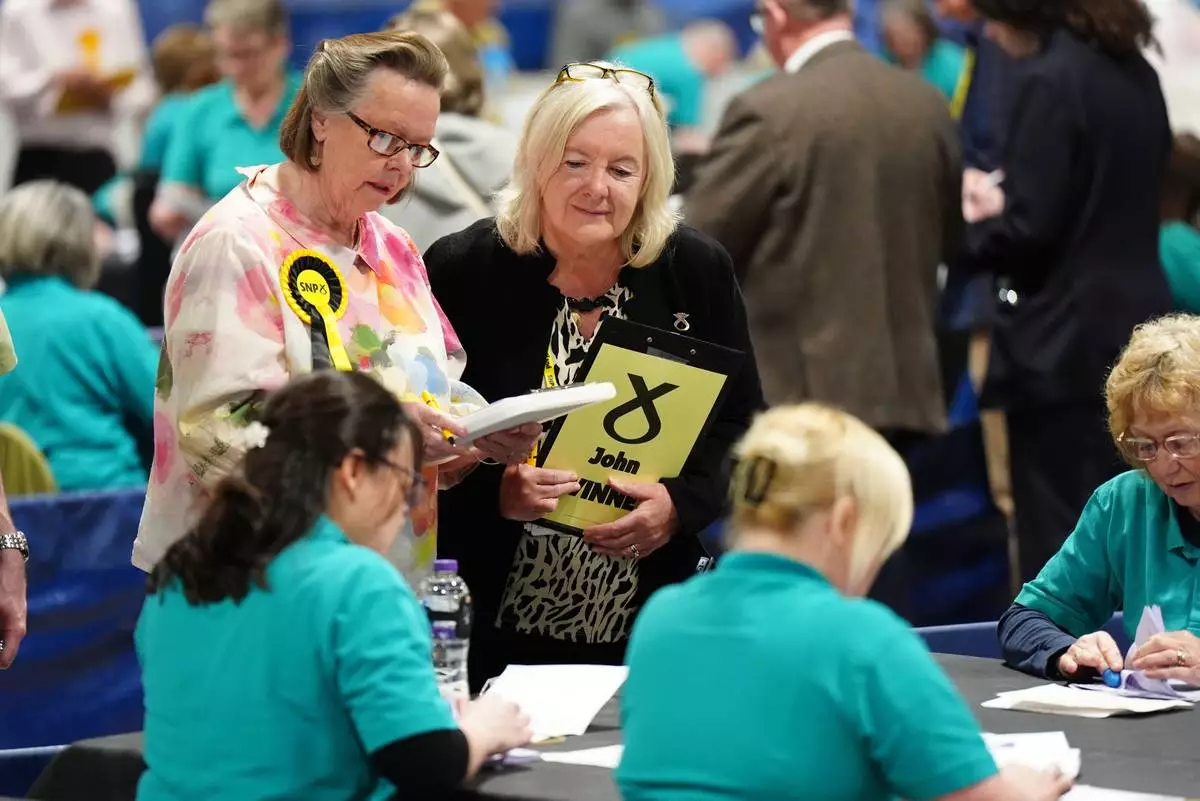
Observers from the Scottish National Party (SNP) watch as votes are counted for the 2026 Holyrood elections, at Dewars Centre in Perth, Scotland, Friday May 8, 2026. (Jane Barlow/PA via AP)
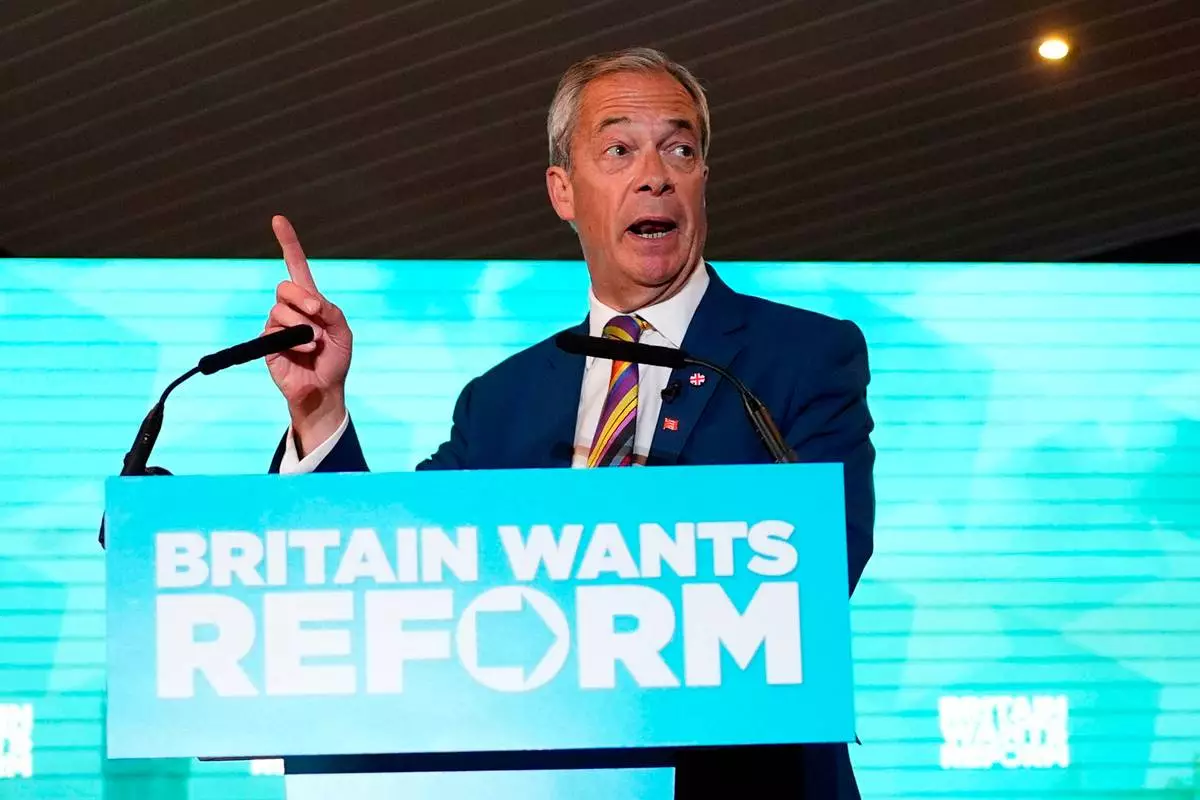
Reform UK leader Nigel Farage speaks to supporters at Chelmsford City Racecourse, Friday May 8, 2026, in Essex, England, following the 2026 local election results. (Jordan Pettitt/PA via AP)

Britain's Prime Minister Sir Keir Starmer speaks to Labour Party members at Kingsdown Methodist Church Hall, in Ealing, west London, Friday May 8, 2026, a day after the local elections. (Stefan Rousseau/PA via AP)