LOS ANGELES (AP) — As concerns mount over artificial intelligence and its rapid integration into society, tech companies are increasingly turning to faith leaders for guidance on how to shape the technology — a surprising about-face on Silicon Valley’s longstanding skepticism of organized religion.
Leaders from various religious groups met last week with representatives from companies including Anthropic and OpenAI for the inaugural “Faith-AI Covenant” roundtable in New York to discuss how best to infuse morality and ethics into the fast-developing technology. It was organized by the Geneva-based Interfaith Alliance for Safer Communities, which seeks to take on issues such as extremism, radicalization and human trafficking. The roundtable is expected to be the first of several around the globe, including in Beijing, Nairobi and Abu Dhabi.
Tech executives need to recognize their power — and their responsibility — to make the right decisions, said Baroness Joanna Shields, a key partner in the initiative. She worked as a tech executive with stints at Google and Facebook before pivoting to British politics.
“Regulation can’t keep up with this," she said. “This dialogue, this direct connection is so important because the people who are building this understand the power and capabilities of what they’re building and they want to do it right — most of them.”
The goal of this initiative, according to Shields, is an eventual “set of norms or principles” informed by different groups and faiths, from Christians to Sikhs to Buddhists, that companies will abide by.
Present at the meeting were a variety of faith groups, including representatives from the Hindu Temple Society of North America, the Baha’i International Community, The Sikh Coalition, the Greek Orthodox Archdiocese of America and The Church of Jesus Christ of Latter-day Saints, widely known as the Mormon church.
Before these companies initiated outreach, some traditions had issued their own ethical guidance on using AI. The Church of Jesus Christ of Latter-day Saints has given a qualified approval of the technology in its handbook. “AI cannot replace the gift of divine inspiration or the individual work required to receive it. However, AI can be a useful tool to enhance learning and teaching,” it reads.
The Southern Baptist Convention, the largest Protestant denomination in the U.S., passed a resolution in 2023: “We must proactively engage and shape these emerging technologies rather than simply respond to the challenges of AI and other emerging technologies after they have already affected our churches and communities."
One challenge in creating a list of common principles is that global faiths, despite common ground, differ in their values and needs. “Religious communities see priorities differently,” said Rabbi Diana Gerson, a roundtable participant and the associate executive vice president of the New York Board of Rabbis.
The partnership highlights a growing coalition between faith and tech, born out of an effort to create moral AI — a contested concept which begs questions about whether that is possible and what it means.
“We want Claude to do what a deeply and skillfully ethical person would do in Claude’s position,” Anthropic states in the public “Claude Constitution” written for its chatbot. That constitution was made with the help of a host of religious and ethics leaders.
In this burgeoning alliance, Anthropic has been the most assertive, at least publicly, in their efforts to court faith leaders. The move follows a public dispute earlier this year with the Pentagon over military use of artificial intelligence after Anthropic said it would restrict its technology from being used to develop autonomous weapons or for mass surveillance of Americans.
“There’s some aspect of PR to it. The slogan was ‘Move fast and break things.’ And they broke too many things and too many people,” said Brian Boyd, the U.S. faith liaison for the nonprofit Future of Life Institute. “There’s both a moral obligation on the part of the companies that they’re belatedly recognizing, as well as I think, for some members of the companies, an earnest questioning.”
But other advocates for AI regulation and safety aren’t so sure these efforts are genuine.
“At best it’s a distraction. At worst it’s diverting attention from things that really matter,” said Rumman Chowdhury, the CEO of the nonprofit Humane Intelligence and the U.S. science envoy for AI under the Biden administration.
Chowdhury says she’s not inclined to believe religion is the best place to help answer questions surrounding AI and ethics, but thinks she understands why companies are increasingly turning to it.
“I think a very naive take that Silicon Valley has had for a couple of years related to generative AI was that we could arrive at some sort of universal principles of ethics,” she said. “They have very quickly realized that that’s just not true. That’s not real. So now they’re looking at maybe religion as a way of dealing with the ambiguity of ethically gray situations.”
It’s unclear to what extent these notoriously opaque companies are translating what they hear from faith leaders into action — and what that action might look like. But some critics fear the conversation about creating ethical versions of the technology distract from broader conversations about AI and its role in society.
“Under the guise of, ‘We’re gonna build all this stuff. That’s a given. And when we do build these things in these ways, how do we make sure that the end result is maybe good,’” said Dylan Baker, the lead research engineer at the Distributed AI Research Institute. “It’s like, ’Wait, wait, wait. We need to question whether we want to be building these things at all."
Associated Press religion coverage receives support through the AP’s collaboration with The Conversation US, with funding from Lilly Endowment Inc. The AP is solely responsible for this content.
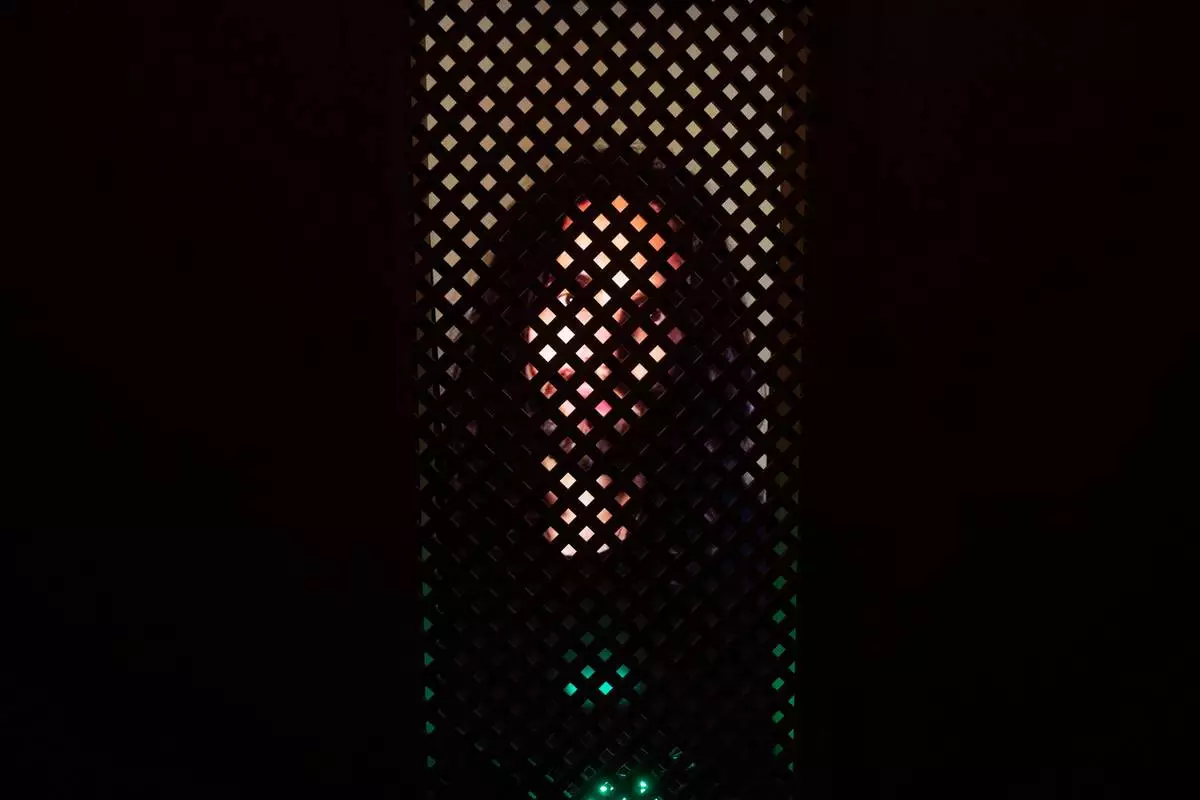
FILE - An experimental art installation with an AI Jesus entitled, Deus in Machina, installed in a confessional in St. Peter's Chapel in the old town of Lucerne, Switzerland, Aug. 25, 2024. (Urs Flueeler/Keystone via AP, File)
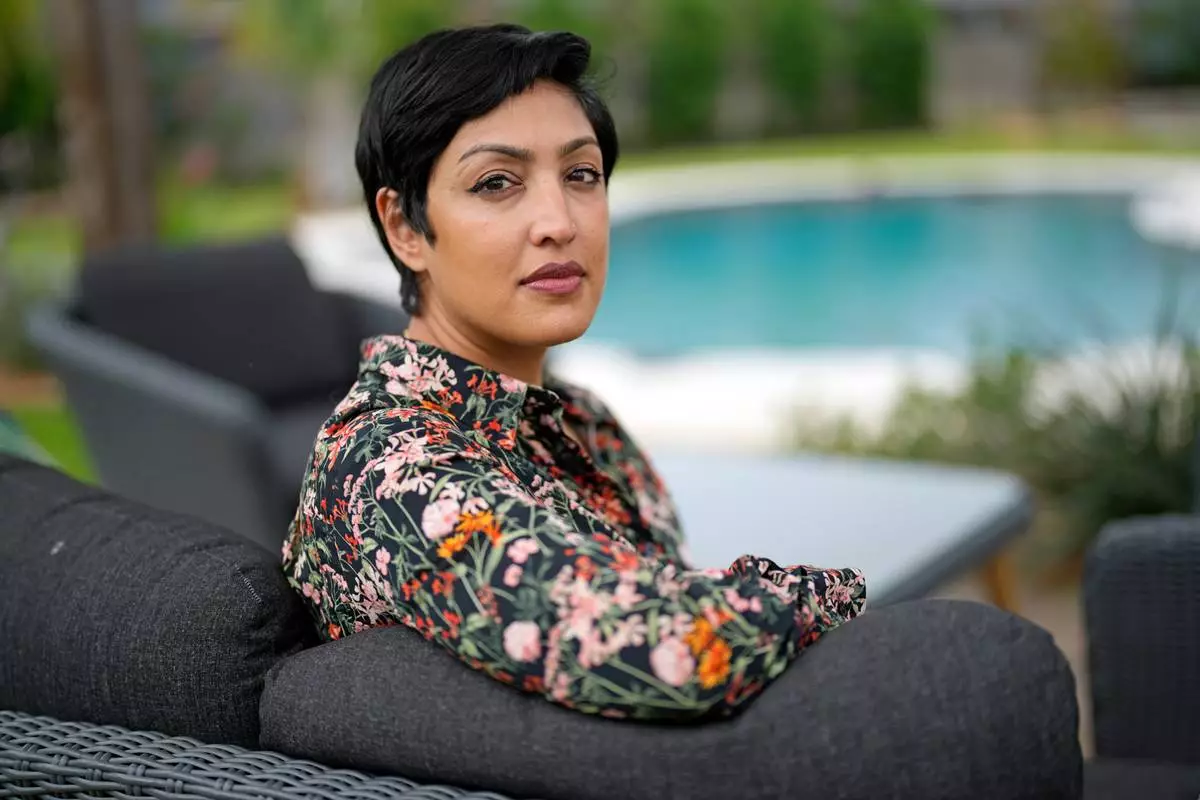
FILE - Rumman Chowdhury, co-founder of Humane Intelligence, a nonprofit developing accountable AI systems, poses for a photograph at her home May 8, 2023, in Katy, Texas. (AP Photo/David J. Phillip, File)
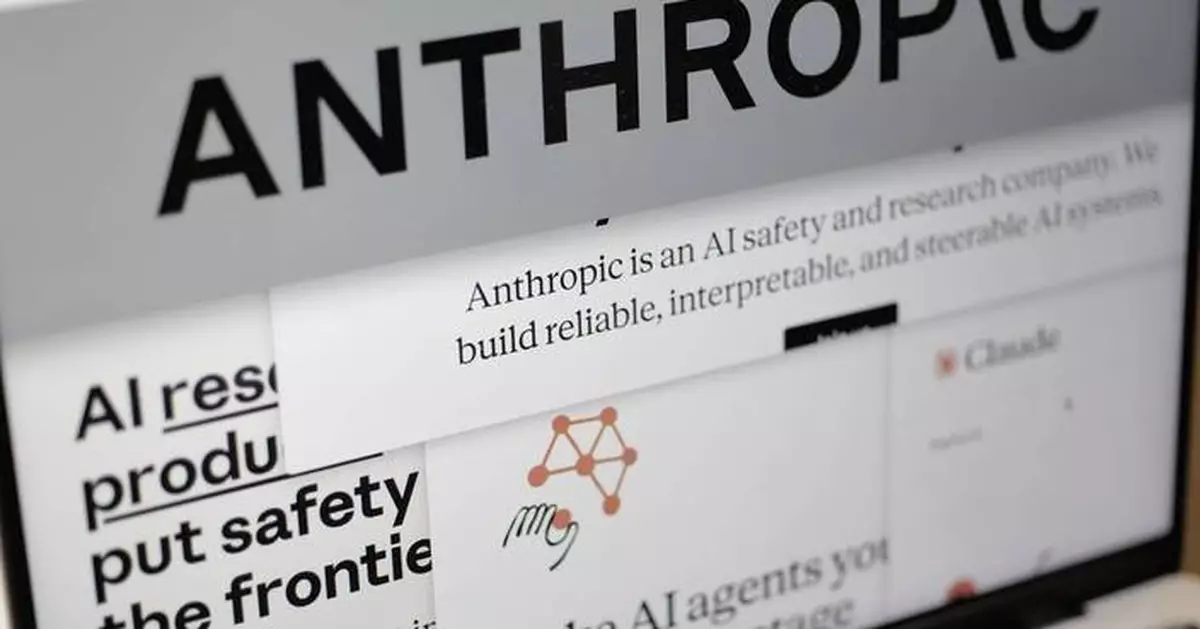
FILE - Pages from the Anthropic website and the company's logo are displayed on a computer screen in New York on Feb. 26, 2026. (AP Photo/Patrick Sison, File)
MADRID (AP) — Health authorities across four continents Thursday were tracking down and monitoring passengers who disembarked a hantavirus-stricken cruise ship before its deadly outbreak was detected, and trying to trace others who may have come into contact with them since then.
In Argentina, a team of investigators tasked with determining the origins of the deadly hantavirus on a cruise ship has yet to leave for the southern town they suspect is the source, officials from the country's Health Ministry told The Associated Press on Thursday.
On April 24, nearly two weeks after the first passenger had died on board, more than two dozen people from at least 12 different countries left the ship without contact tracing, the ship’s operator and Dutch officials said Thursday.
Three passengers have died in the outbreak — a Dutch couple and a German national — and several others are sick. Symptoms usually show between one and eight weeks after exposure.
None of the remaining passengers or crew on the ship are currently symptomatic, the Netherlands-based Oceanwide Expeditions cruise ship company said Thursday.
The World Health Organization says the risk to the wider public is low. Hantavirus is usually spread by the inhalation of contaminated rodent droppings and isn't easily transmitted between people.
“We believe this will be a limited outbreak if the public health measures are implemented and solidarity is shown across all countries,” said Dr. Abdirahman Mahamud, the WHO's alert and response director on Thursday.
Three people, including the ship’s doctor, were evacuated Wednesday while the ship was near the West African island country of Cape Verde and taken to specialized hospitals in Europe for treatment.
The body of the Dutch man who was the first to die on board on April 11 was taken off the ship on the remote South Atlantic island of St. Helena on April 24, when his wife also disembarked. She then flew to South Africa a day later and died there.
The ship's operator said Thursday that a total of 30 passengers — including the deceased Dutch man and his wife — left the vessel at St. Helena. The Dutch Foreign Ministry has put the figure at about 40. The company had not previously said publicly that dozens more people left the ship on April 24.
It wasn't until May 2 that health authorities first confirmed hantavirus in a passenger on the ship, the WHO says. That was in a British man evacuated from the ship to South Africa three days after the St. Helena stop. He was tested in South Africa and is in intensive care there.
It emerged Wednesday that a man tested positive for hantavirus in Switzerland after he disembarked at St. Helena, though his precise movements in between aren’t clear.
On Thursday, Singaporean health authorities said they were monitoring two men who got off the ship at St. Helena, flew to South Africa and then home. The two men, who arrived in Singapore at different times, were being isolated and tested, officials said.
Authorities in St. Helena, the volcanic British territory in the South Atlantic where passengers disembarked, said they were monitoring a small number of people who were considered “higher risk contacts.” Those higher risk contacts were being told to isolate for 45 days, the St. Helena government said.
The Dutch health ministry said Thursday that a flight attendant on a plane briefly boarded by an infected cruise passenger in South Africa was showing symptoms of hantavirus and would be tested in an isolation ward at a hospital in Amsterdam. The cruise passenger, also a Dutch woman, was too ill to fly and was taken off the plane in Johannesburg, where she died.
If the woman tests positive, she could be the first known person not on the MV Hondius to become infected in the outbreak.
The vessel is now sailing to Spain’s Canary Islands, where it is expected to arrive on Saturday or Sunday, with more than 140 passengers and crew members still on board.
WHO Director-General Tedros Adhanom Ghebreyesus said Thursday that he had been in regular touch with the ship's captain, and that morale improved once it began moving again.
Authorities in South Africa are also trying to trace contacts of any passengers who previously got off the ship. They have focused mainly on an April 25 flight from St. Helena to Johannesburg, the day after passengers disembarked there.
A French citizen with “benign symptoms” is in isolation and undergoing medical tests, after being identified as a contact case linked to the ship passenger who flew April 25 from St. Helena to Johannesburg and was confirmed to have hantavirus, the French Health Ministry said in a statement Thursday.
The Dutch woman from the cruise ship who later died in South Africa briefly boarded that flight, officials have said. It's not known how many other cruise passengers also were among the 88 people on it, but flights from St. Helena go to South Africa and are rare, normally once a week.
The body of the third fatality, a German woman, is also still on board the ship after she died on May 2.
Tests have confirmed that at least five people who were on the ship were infected with a hantavirus found in South America, called the Andes virus. The only hantavirus thought to spread human-to-human, it can cause a severe and often fatal lung disease called hantavirus pulmonary syndrome.
The ship departed from Argentina and investigations into the outbreak’s source are focusing there.
The Dutch couple that presented the first two cases had traveled through Argentina, Chile and Uruguay on a bird-watching trip before boarding the ship, the WHO said. They visited sites where the species of rat known to carry Andes virus was present.
The WHO is working with health authorities in Argentina to understand the couple's movements and has arranged to ship 2,500 diagnostic kits from Argentina to laboratories in five countries.
Argentina’s health ministry said there were 28 deaths from hantavirus last year, up from an average mortality rate of 15 in the five years before that. Nearly a third of cases last year were fatal, it said.
Argentina’s Health Ministry has zeroed in on the town of Ushuaia in their investigation, but they’ve yet to dispatch the team, according to a written statement given to AP. Officials were unable to provide details about the investigation, telling AP only that scientists from the state-funded Malbrán Institute planned to travel to Ushuaia “in the coming days.”
When asked about the delay, the ministry said only that authorities were still making preparations. Ushuaia is a 3.5-hour flight from Argentina’s capital, Buenos Aires.
Quell reported from The Hague, Netherlands. Imray reported from Cape Town, South Africa. AP writers Jill Lawless in London and Geir Moulson in Berlin contributed.
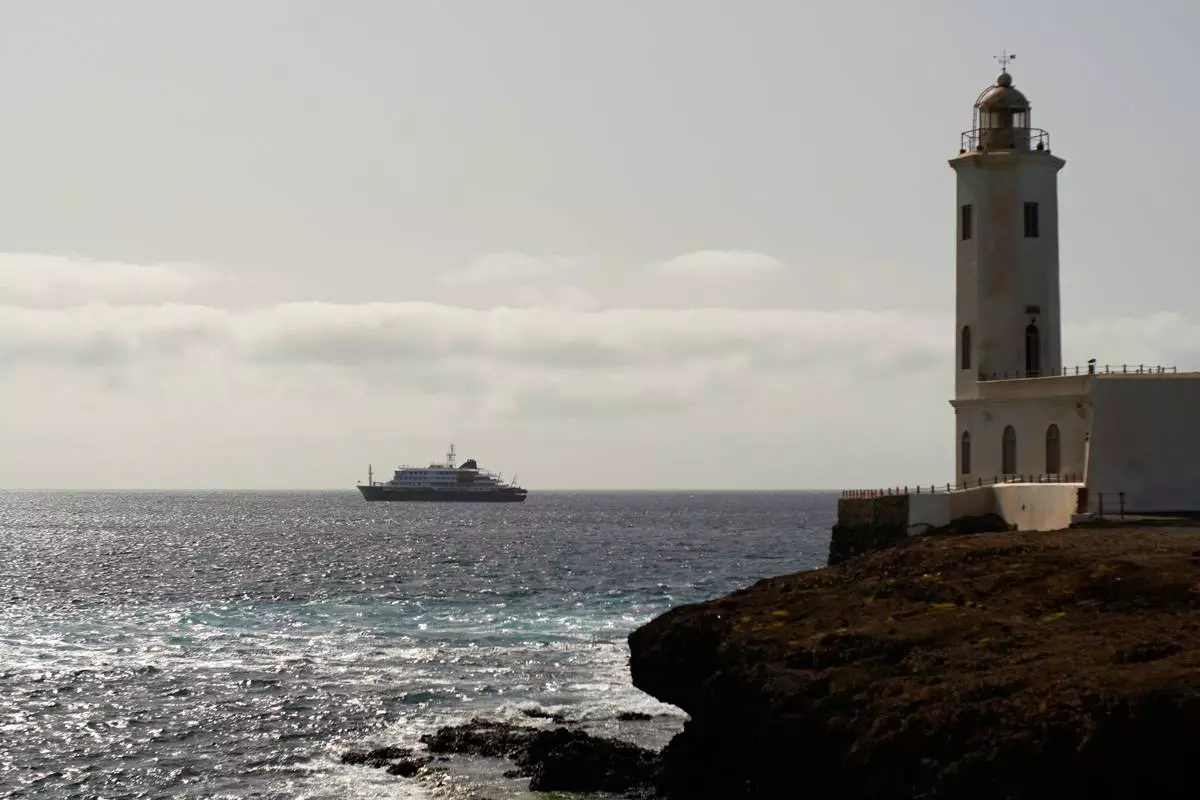
A view of the m/v Hondius Cruise ship anchored at a port in Praia, Cape Verde, Monday, May 4, 2026. (AP Photo/Arilson Almeida)
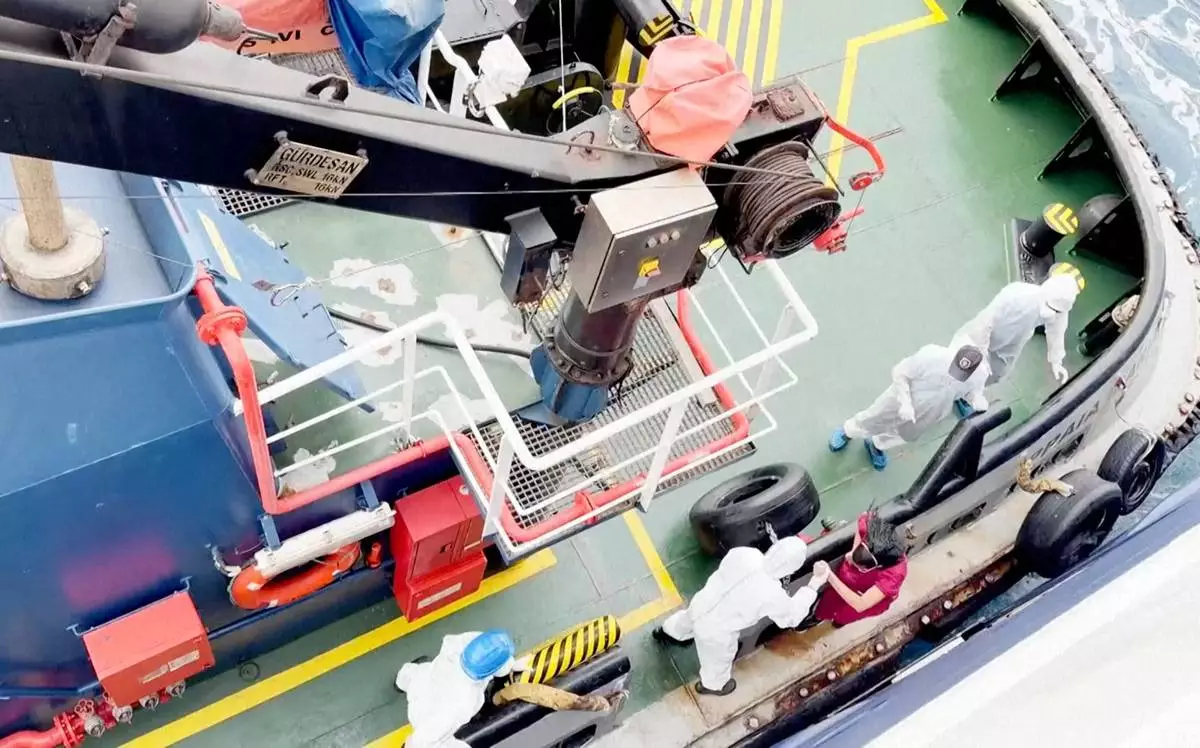
Health workers get off the Dutch-flagged MV Hondius, a cruise ship carrying nearly 150 people as it remains off Cape Verde on Monday, May 4, 2026 after three passengers died and several others fell seriously ill in a suspected hantavirus outbreak. (Qasem Elhato via AP)
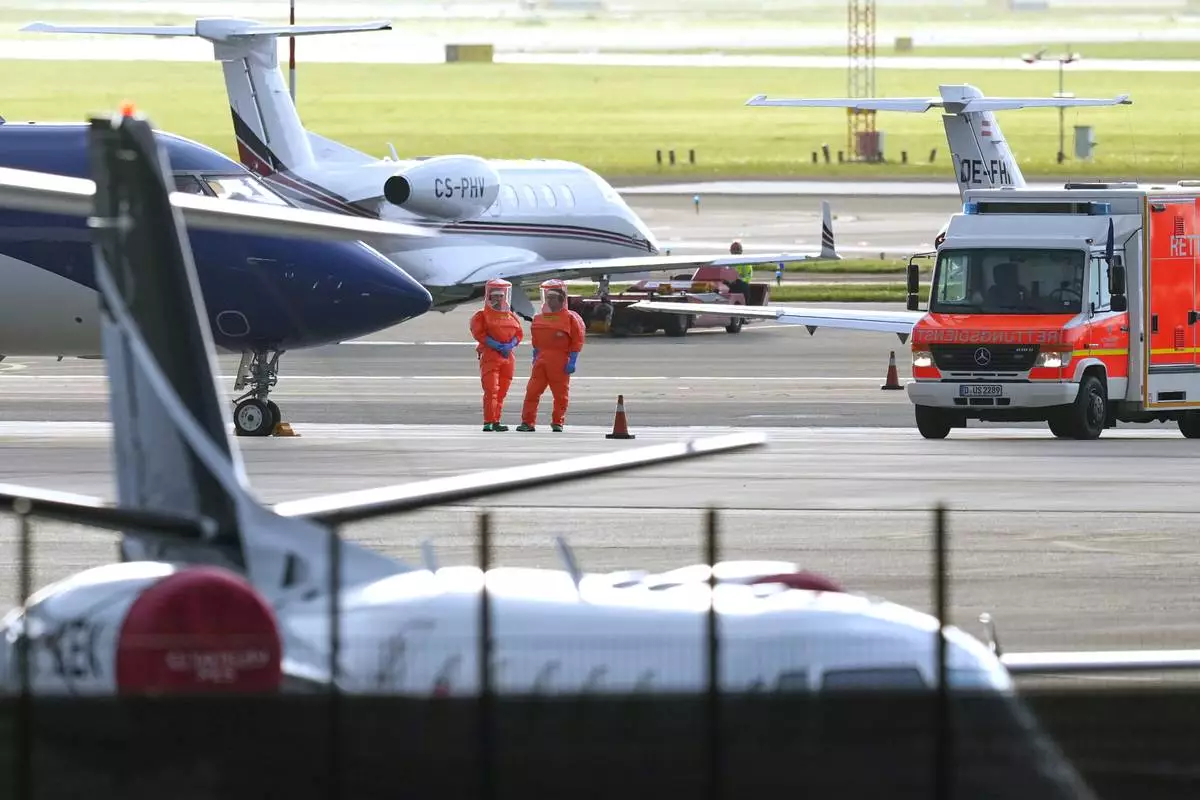
Medical personnel in hazmat suits wait for patients, evacuated from the MV Hondius cruise ship with suspected hantavirus infection, at Schiphol airport, Amsterdam, Netherlands, Wednesday, May 6, 2026. (AP Photo/Peter Dejong)
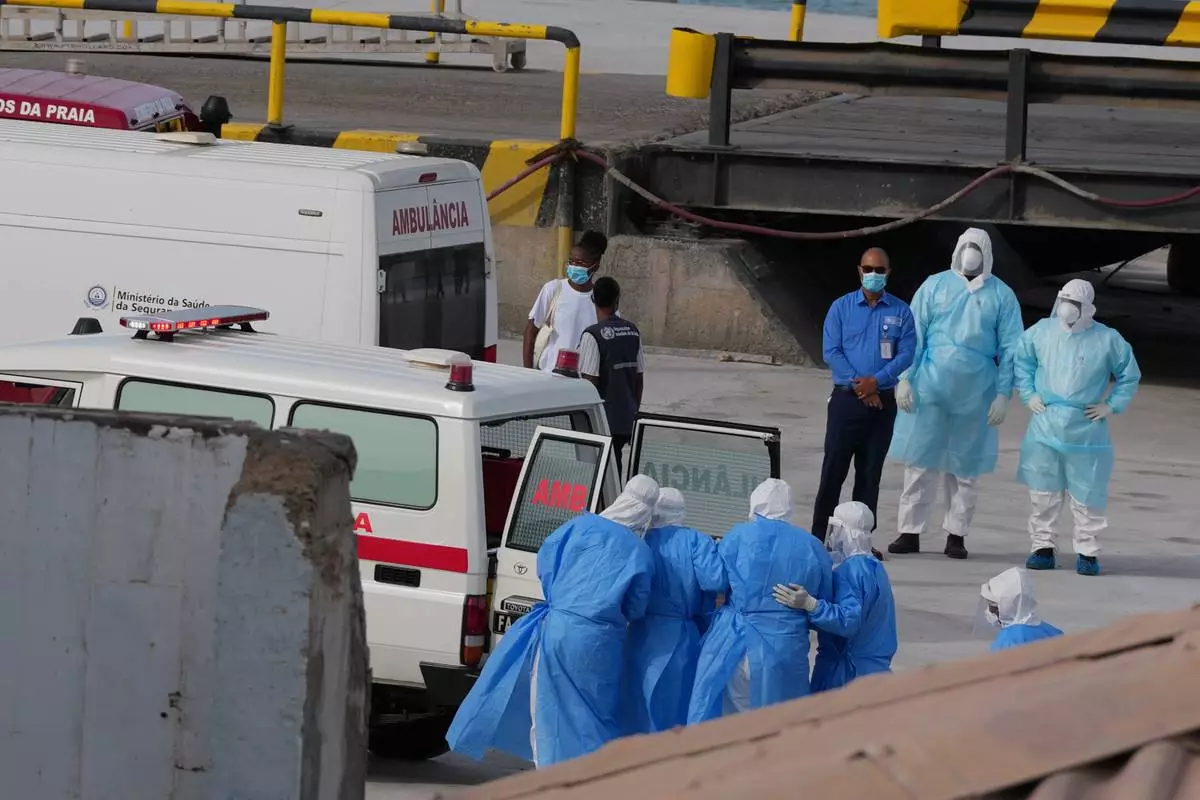
Health workers in protective gear evacuate patients from the MV Hondius cruise ship into an ambulance at a port in Praia, Cape Verde, Wednesday, May 6, 2026. (AP Photo/Misper Apawu)
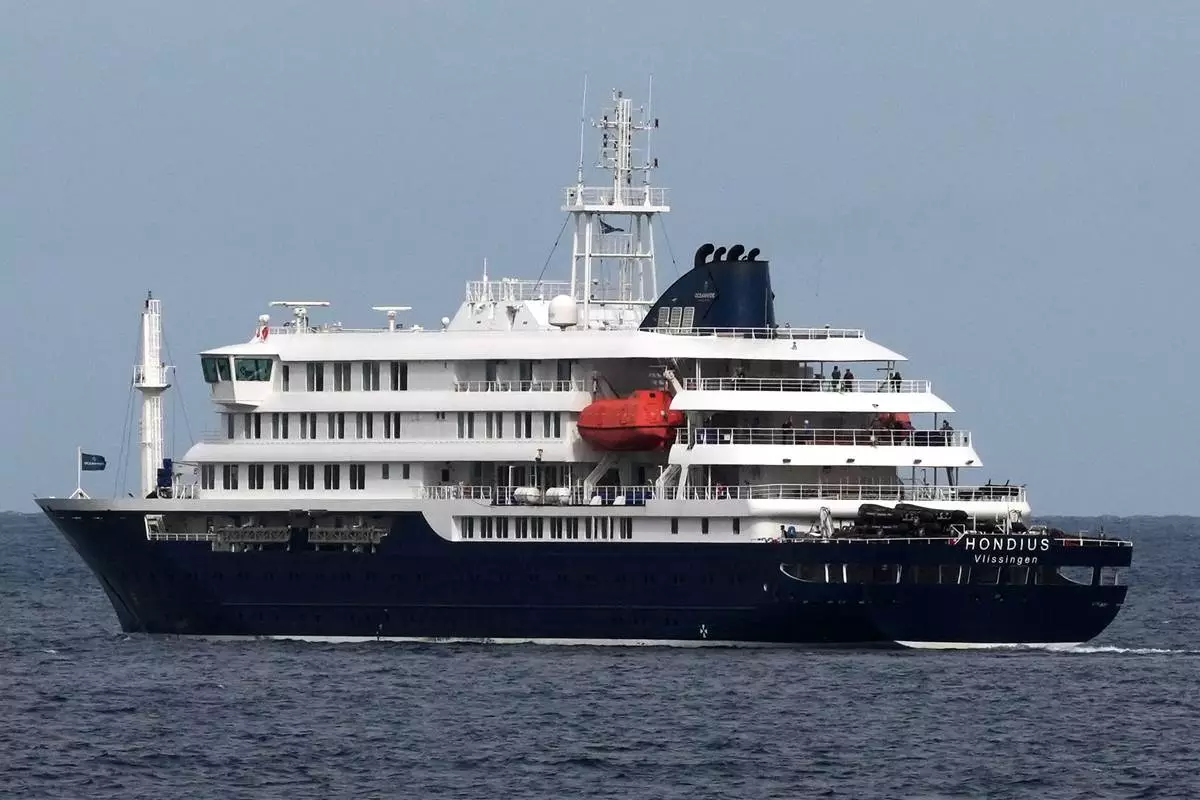
The MV Hondius cruise ship departs the port in Praia, Cape Verde, Wednesday, May 6, 2026. (AP Photo/Misper Apawu)