Skip to Content Facebook Feature Image

US int'l trade court rules Trump's new global tariff illegal

China

China

China

US int'l trade court rules Trump's new global tariff illegal

2026-05-08 13:59 Last Updated At:15:27

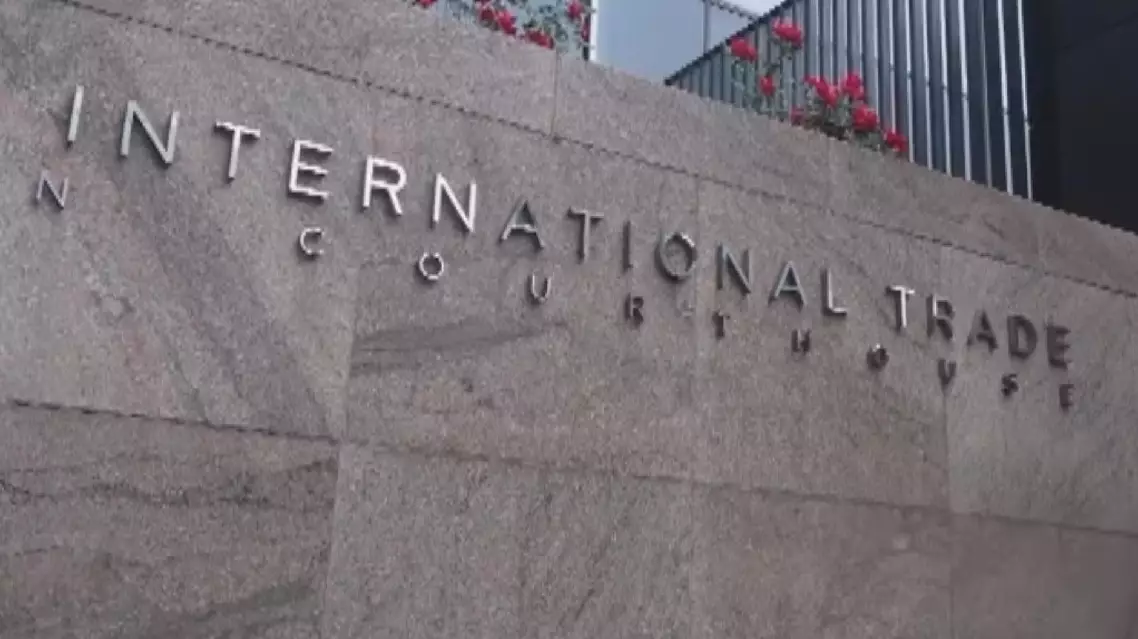
The U.S. Court of International Trade on Thursday ruled that U.S. President Donald Trump's new global tariff is illegal, invalidating his 10 percent tariffs on most U.S. imports.

The court ruled that Section 122 of the Trade Act of 1974 allows tariffs only when there are "large and serious balance-of-payment deficits."

"But no such thing exists," Oregon Attorney General Dan Rayfield's office said in a release. "A trade deficit is not a balance-of-payment deficit. As the court ruled, the President's tariffs proclamation is invalid, and the tariffs imposed on Plaintiffs are unauthorized by law."

The Trump administration initially invoked the International Emergency Economic Powers Act to impose universal tariffs worldwide in April 2025. The Supreme Court ruled those tariffs were unlawful in February this year.

Trump then immediately resorted to Section 122 of the Trade Act of 1974 and announced a 10 percent ad valorem duty on "all articles imported into the United States," supposedly in response to trade deficits.

The duty went into effect at 12:01 a.m. Eastern Standard Time on Feb 24, 2026, and is set to remain in effect until 12:01 a.m. Eastern Daylight Time on July 24, 2026, unless "suspended, modified, or terminated on an earlier date" or "extended by an Act of the Congress." In the face of the new global tariff, a coalition of 24 U.S. states filed their respective complaints in March 2026.
US int'l trade court rules Trump's new global tariff illegal
US int'l trade court rules Trump's new global tariff illegal

US int'l trade court rules Trump's new global tariff illegal

US int'l trade court rules Trump's new global tariff illegal
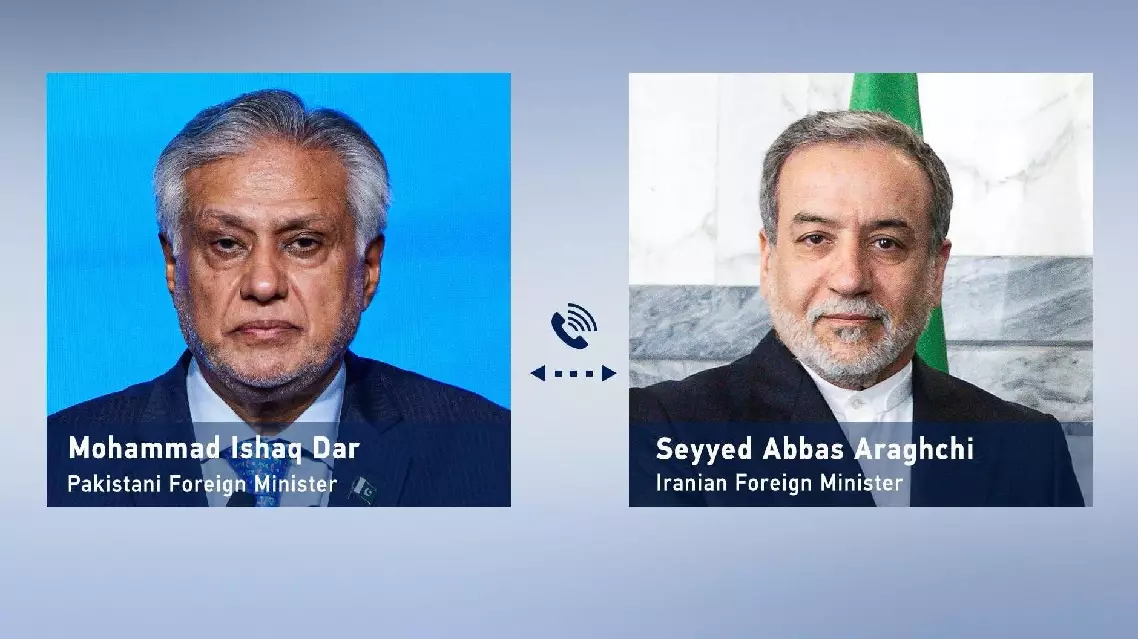
Iranian Foreign Minister Seyyed Abbas Araghchi and his Pakistani counterpart Mohammad Ishaq Dar on Thursday exchanged views on the latest regional developments over phone, according to a statement from the Iranian Foreign Ministry.

The two sides also highlighted the necessity to continue the path of dialogue and diplomacy, as well as constructive cooperation among regional countries, to protect lasting stability and security in the region and prevent the escalation of tensions, the statement said.

The phone conversation came as Al Arabiya reported earlier in the day, citing a Pakistani source, that Iran could send its response to a U.S. peace proposal through Pakistan, which mediates Tehran-Washington talks, on Thursday.

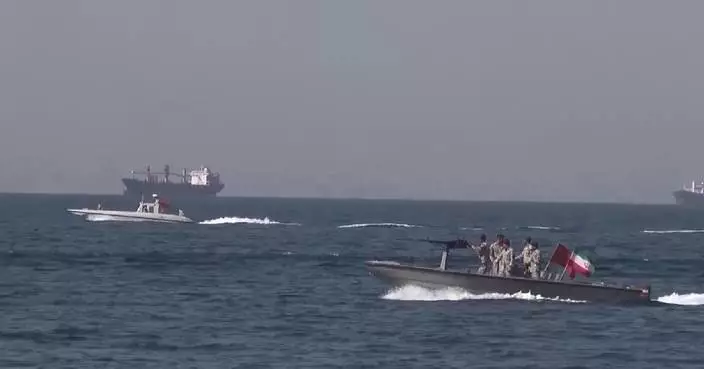
Al Arabiya also quoted sources as saying that understandings have been reached regarding easing the U.S. naval blockade in exchange for the gradual reopening of the Strait of Hormuz.

Iran, the United States and Israel reached a ceasefire on April 8 after 40 days of fighting that started with U.S. and Israeli attacks on Tehran and other Iranian cities on Feb 28.

Following the truce, Iranian and U.S. delegations held one round of peace talks in Pakistan's capital Islamabad on April 11 and 12, which failed to yield an agreement.

Over the past weeks, the two sides have reportedly exchanged several proposed plans outlining conditions for ending the war through Pakistan.

Iranian, Pakistani FMs discuss regional developments over phone

Iranian, Pakistani FMs discuss regional developments over phone

Recommended Articles