Iran's Foreign Ministry spokesman Esmaeil Baghaei said Thursday that the country has yet to reach a conclusion on the latest U.S. peace proposal, with the response still under review.
In an interview with the news agency IRNA, Baghaei said Iran is still reviewing messages exchanged through Pakistani mediation. He noted that recent talks with Islamabad centered on Tehran’s 14-point plan to end the war with the United States and Israel, which has already been delivered to Washington.
The spokesman added that the United States has conveyed its views on Iran’s proposal in the form of a plan. He stressed that Iran is examining the U.S. proposal and will relay its response to Pakistan once a conclusion is reached, after which the next step will be decided.
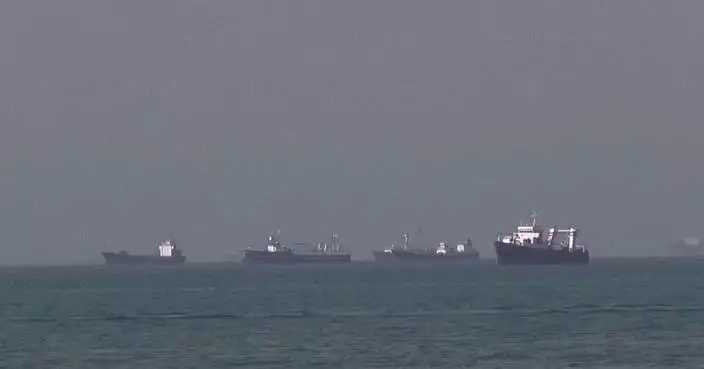
Baghaei’s remarks followed reports by Al Arabiya earlier in the day, citing a Pakistani source, that Iran could deliver its response to the U.S. peace proposal through Pakistan on Thursday. The outlet also said understandings had been reached on easing the U.S. naval blockade in exchange for gradually reopening the Strait of Hormuz, a vital artery for global oil shipments.
A day earlier, U.S. media reported Washington believes it is close to a memorandum of understanding with Iran built around a 14-point proposal.
Iran, the United States and Israel reached a ceasefire on April 8 after more than 40 days of fighting that began with U.S. and Israeli strikes on Tehran and other Iranian cities in late February. Following the truce, Iranian and U.S. delegations held a round of peace talks in Pakistan’s capital Islamabad on April 11 and 12, which ended without agreement.
In the weeks since, the two sides have exchanged several proposed plans through Pakistan outlining conditions for ending the conflict. On Thursday, the United States and Iran traded fire, but President Donald Trump said the ceasefire remained in place and warned of further action if Tehran does not sign a deal.
Baghaei also highlighted that Supreme Leader Mojtaba Khamenei holds full authority over all state decisions, saying no action is taken without his approval and that government institutions remain in complete coordination under his leadership. With the Supreme Leader’s role emphasized, Iranian lawmakers also weighed in on the negotiations.
On the same day, parliament member Behnam Saeidi stressed that no uranium has been transferred out of the country under any circumstances. He reaffirmed that uranium enrichment, the complete lifting of sanctions, and the release of Iran’s frozen assets remain absolute red lines that Tehran will not negotiate away.
Saeidi dismissed U.S. claims that 400 kilograms of uranium had been removed from Iran, calling them "political nonsense and an outright fabrication." Trump said Wednesday the United States would obtain enriched uranium from Iran.

Iran says no conclusion reached yet on US peace proposal