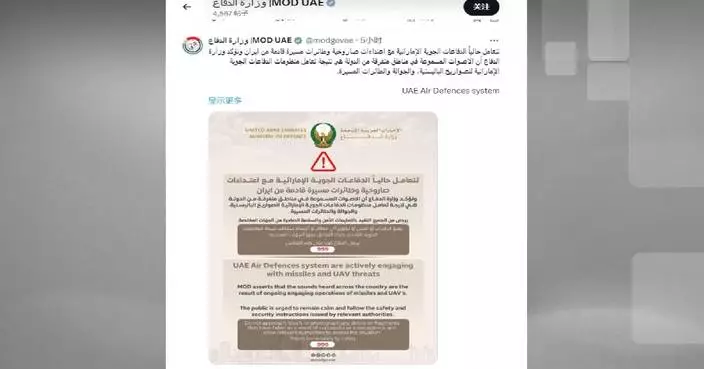
Eight years of U.S. sanctions have already crippled Iran's economy, and now the U.S.-Israeli war on the Islamic republic is deepening the woes, leaving businesses shuttered, inflation soaring, and ordinary Iranians struggling to make ends meet.
In the heart of Tehran, Shanmloo runs a travel agency. Eight years ago, when the U.S. reinstated sanctions that were lifted under the 2015 nuclear deal, his business lost most of its international clients. Then came two rounds of Israeli and U.S. strikes in the past year, which brought his operations to a near-complete halt.
Now, he told China Central Television (CCTV), even the domestic tourists he was counting on have disappeared amid deadly clashes in recent months.
"These days, hotels are losing money, and eco-tourism and tourism complexes are struggling too. Tour guides and everyone in the travel industry are all losing income. With no tour groups, most hotels are empty. I've checked that some hotels have actually closed down. That means there are basically no tourists left," said Shanmloo.
Given the current regional tensions, many Iranians have expressed mixed feelings. While they hope for a deal between Tehran and Washington that could lift sanctions and ease economic pressure, they have not forgotten Washington's track record of tearing up agreements and derailing negotiations.
"We want an agreement that fully respects the rights of the Iranian people, one that lifts sanctions without unreasonable conditions, unlike before when Iran made so many concessions but the sanctions persisted. The agreement should be what people truly expect, with the will of the Iranian people fully considered. The shadows of war and insecurity must be completely removed," said a local man Hojjat.
Iranian economist Saeed Laylaz noted that the past eight years of sanctions and the recent violence have proven a simple truth, saying the United States and its Western allies have tried every means to bring Iran to its knees, yet none have succeeded.
He argued that amid the current turmoil, the Iranian government must tap into the country's own potential and roll out fresh policies to ensure people's livelihoods.
"We have no choice but to resist. We have to endure the pressure. War has fueled inflation. But I believe the Iranian government can overcome this by adopting new monetary and fiscal policies, and opening up new border [trade routes] to boost both exports and imports," said Leilaz.
In 2018, the Trump administration unilaterally withdrew from the Iran nuclear deal. Thereafter, it slapped back and escalated sanctions against Iran.
Over the past eight years, those sanctions have touched nearly every sector of Iran's economy, hobbling development and crushing ordinary families under the weight of rising prices and shrinking opportunities. Today, those sanctions are still being ramped up, as Iran finds itself once again under the shadow of war and conflict.
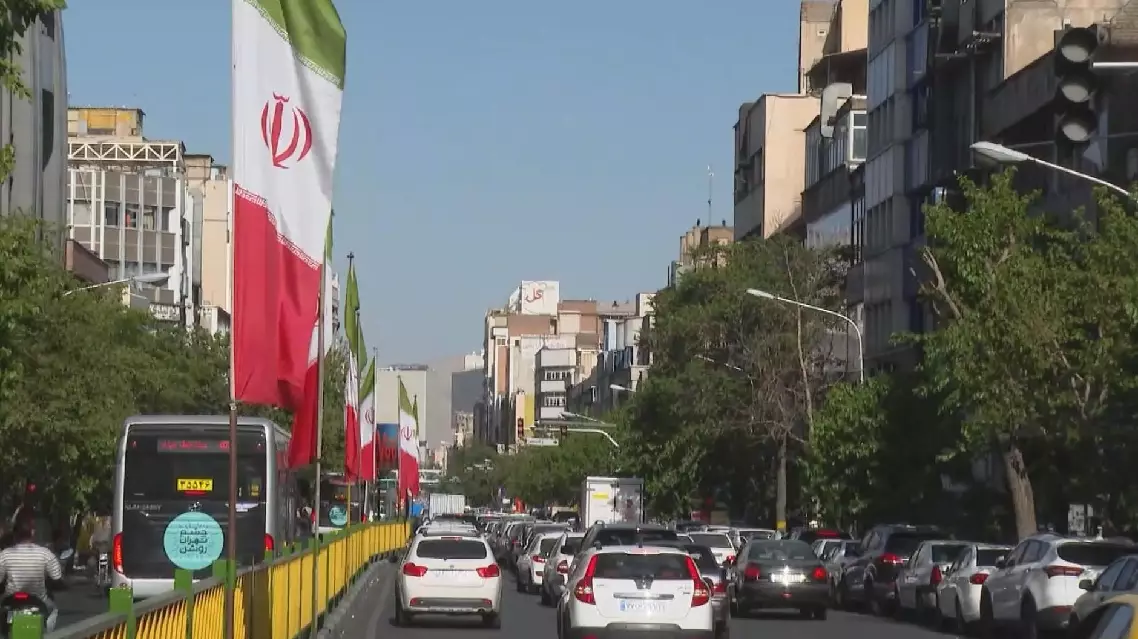
War compounds Iran's economic crisis as U.S. sanctions drag on
War compounds Iran's economic crisis as U.S. sanctions drag on