Cote d'Ivoire has launched a digital customs platform to streamline cargo movements from the Port of Abidjan to Burkina Faso and Mali, aiming to boost efficiency in regional trade.
Under the initiative, the platform will electronically transmit geo-located cargo information directly from Abidjan to destination offices in the capitals of both the Sahel nations, reinforcing the security and efficiency of trade corridors.
"We no longer need this visa because traceability and transparency are now guaranteed electronically. We have better oversight of transactions between our countries. There was therefore no reason to keep this visa, which, in a way, could create bottlenecks. There are numerous benefits to eliminating this visa; there will be greater fluidity in transport, less road hurdle and much greater transparency, making the management of data much easier," said Amadou Coulibaly, Ivorian Minister of Communication and government spokesperson.
Cote d'Ivoire has historically served as the natural transit route for goods heading to its Sahel neighbors. However, recent regional tensions have pushed landlocked Burkina Faso and Mali toward the port of Lome in Togo for their commodity exchanges.
Ivorian authorities say the new initiative is designed to eliminate barriers, lower costs, and rebuild trust in order to draw partners back to the Abidjan corridor.
Analysts regard the effort as vital for intra-African trade and sub-regional integration, noting that it has drawn broad backing from stakeholders.
"In this project, everyone benefits in several ways. Malian and Burkinabe products will be able to transit through Cote d'Ivoire, generating revenue for the country; this will boost the vitality of the port of Abidjan; and all three countries will also save time, since in the past it took three to four days for the same procedure. There is also a financial benefit for Mali and Burkina Faso, as they used to spend a great deal of money transiting through the port of Lome," historian and Political Analyst Abdoulaye Bamba said.

Cote d'Ivoire launches digital customs platform to ease regional trade
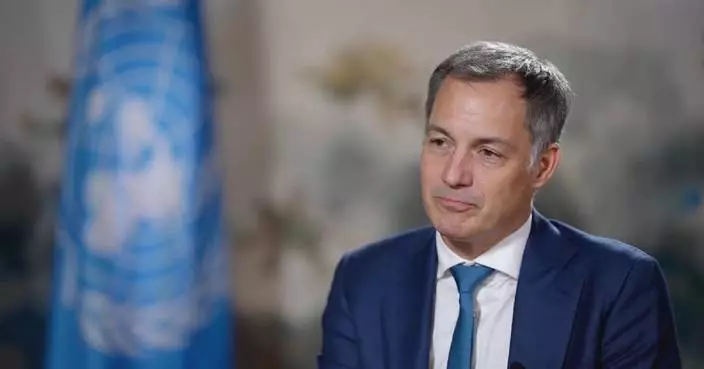
Mounting global conflicts, from the devastating human suffering in war zones to trade disruptions that threaten basic survival, create challenges no single nation can solve alone, United Nations Development Programme (UNDP) Administrator Alexander De Croo said Thursday.
Speaking to China Media Group in Beijing, De Croo called for a collective international response and a decisive "multilateral turning point" to restore functional diplomacy in an increasingly fractured world.
He stressed that while international bodies face constant scrutiny, an effective United Nations remains essential to enforce ceasefires, protect vulnerable populations, and halt the cycle of "development in reverse".
"I think first of all it's quite clear if you look at the big endeavors that we have in the world, no one can solve it on their own, being it climate change, being it eradicating poverty, fighting extremist violence. There is no country, even the most prosperous one, even the most powerful one, even the largest one, no one can say I'm going to do this on my own. And so for those big, what you would call worldwide global goods, I mean, these are things that you can only solve together. But I think we need to be challenged every day and I have no problem whatsoever that we are being challenged. I believe that in many conflicts, you need a performing United Nations that has that basic mission to reduce conflicts, to stop conflicts," said De Croo.
Highlighting the mounting economic toll on vulnerable families, De Croo criticized international failure to prioritize ceasefires, warning that ongoing warfare is actively reversing global development progress.
"We have so many conflicts in the world. And I find it worrying that in many of those conflicts, we almost don't talk about peace anymore. It is almost that trying to find a ceasefire or trying to maintain a ceasefire is being seen as less important, as being seen as not a priority. Conflict is development in reverse. Unfortunately, many places of the world, people are feeling what development in reverse is, if you have a conflict such as now in the Strait of Hormuz. This is increasing the cost of living for many people, and it's increasing the cost of living for people who are the most vulnerable ones who at some point have to make choices, and have to use money that maybe was being used to send children to school to just get access to basic food. And so anyone who does an honest effort in trying to stop a conflict and trying to maintain a ceasefire will get our support," he said.
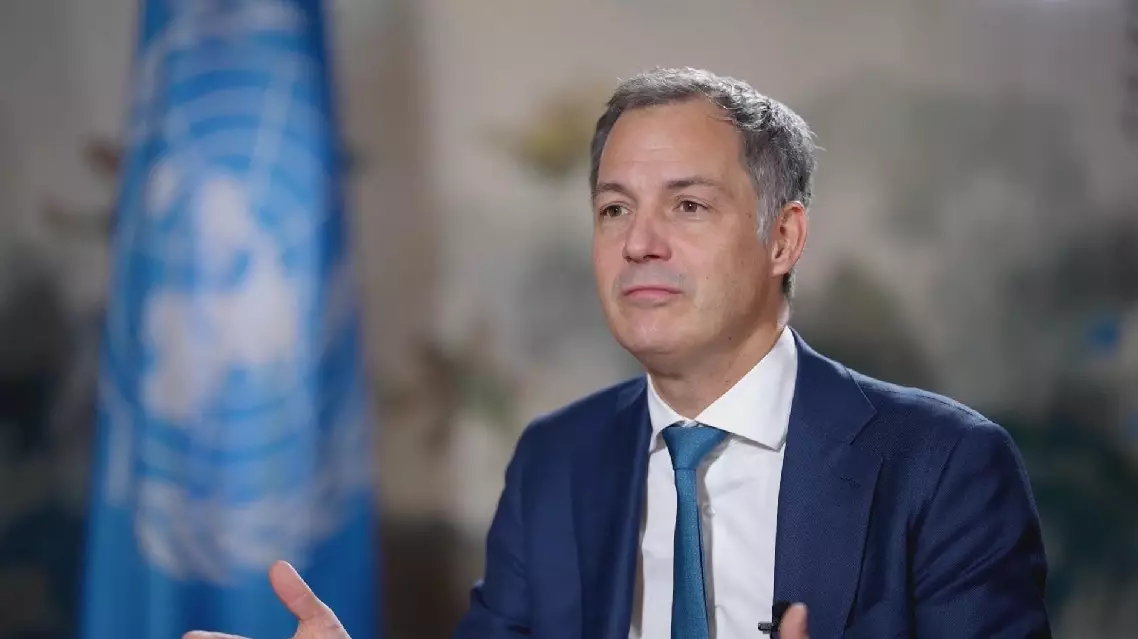
No country can solve global issues alone amid escalating conflicts: UNDP chief