The U.S. dollar weakened in late trading on Friday.
The dollar index, which measures the greenback against six major peers, fell 0.17 percent to 97.900 at 1900 GMT.
In late New York trading, the euro rose to 1.1778 dollars from 1.1751 dollars in the previous session, and the British pound was up to 1.3622 dollars from 1.3583 dollars in the previous session.
The U.S. dollar bought 156.71 Japanese yen, higher than 156.67 Japanese yen in the previous session. The U.S. dollar decreased to 0.7766 Swiss francs from 0.7788 Swiss francs, and it climbed to 1.3681 Canadian dollars from 1.3635 Canadian dollars. The U.S. dollar lost to 9.2323 Swedish kronor from 9.2432 Swedish kronor.
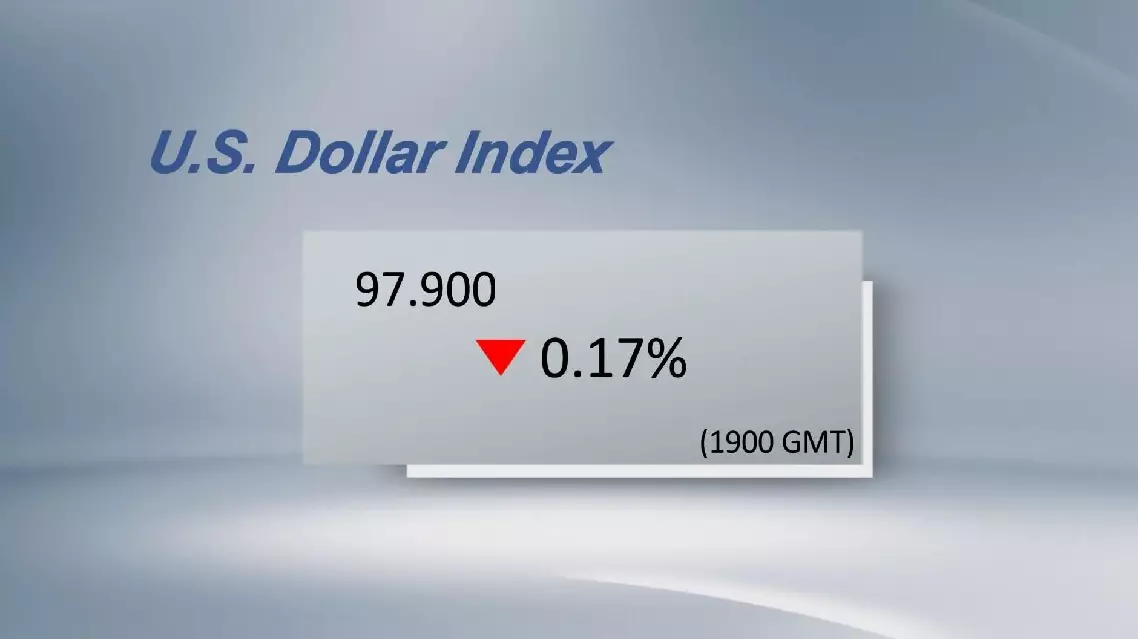
U.S. dollar ticks down
The 12th Chinese Peacekeeping Infantry Battalion to the United Nations Mission in South Sudan (UNMISS) in Juba was awarded the UN Peace Medal on Tuesday.
The awarding ceremony took place at the camp of the Chinese peacekeeping force to the UNMISS.
Since rotating into South Sudan last December, the 521 members of the Chinese infantry battalion have remained at the forefront of operations, carrying out joint patrols, armed escorts, and other missions. They have also actively engaged in humanitarian efforts, forging bonds of friendship with sincerity and compassion.
The medal is awarded by the United Nations to recognize individuals who demonstrate exceptional dedication and outstanding contributions in peacekeeping operations.
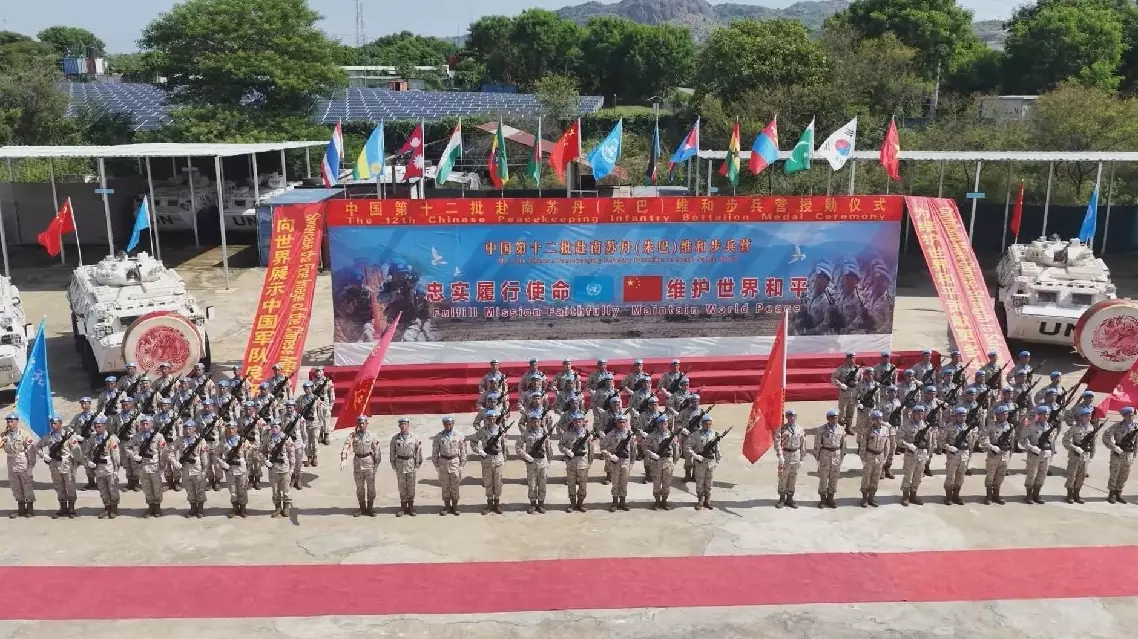
Chinese peacekeepers to South Sudan awarded UN Peace Medal