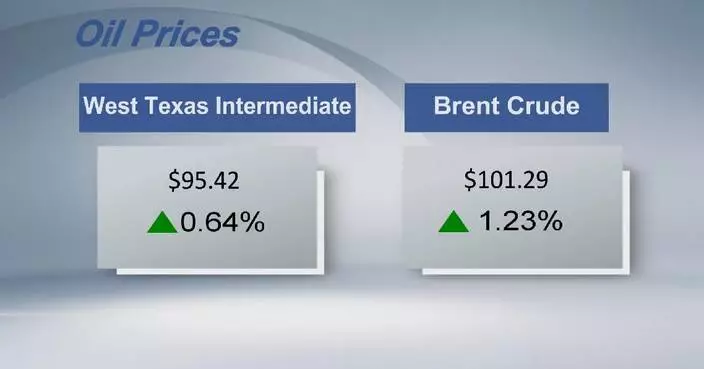
The U.S. consumer sentiment falls for the third straight month in May, hitting its lowest level since 1952, as inflation worries mount amid surging oil prices caused by the U.S.-Israeli war on Iran.
The U.S. Consumer Sentiment Index fell to 48.2 in May 2026, according to a preliminary reading released Friday by the University of Michigan (UM) Surveys of Consumers, down from the final reading of 49.8 in April 2026 and below the final reading of 52.2 last May.
The survey found that inflation worries were the primary driver of the continued downward trend in consumer confidence.
As for the drivers of inflation, about one-third of consumers mentioned gasoline prices and about 30 percent mentioned tariffs. Together, the findings suggest consumers remain under strain from rising costs, with surging fuel prices standing out as the most acute pressure.
Consumers are increasingly worried about their personal finances as inflation persists, CNBC reported on Friday, noting that fears of rising costs remain the dominant factor weighing on sentiment.
Continued disruptions in the Strait of Hormuz have kept global energy prices elevated, resulting in average U.S. gasoline prices staying high for several consecutive weeks, CNN reported on the same day. The average gasoline price across the United States has increased by more than 50 percent since the outbreak of the Iran war, data from the American Automobile Association showed.
Analysts believe that market confidence is expected to remain subdued until supply disruptions are fully resolved and energy prices fall.

US consumer sentiment falls to new low in May
U.S. stocks ended higher on Friday, fueled by a better-than-expected jobs report and a major partnership in the semiconductor industry.
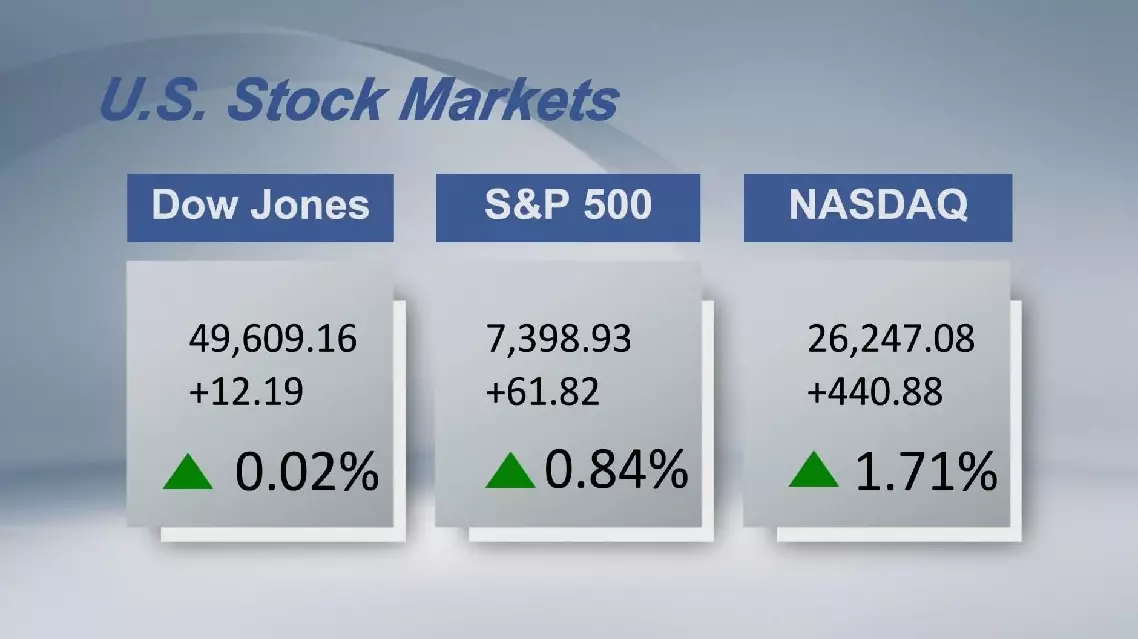
The Dow Jones Industrial Average rose 12.19 points, or 0.02 percent, to 49,609.16. The S&P 500 added 61.82 points, or 0.84 percent, to 7,398.93. The Nasdaq Composite Index increased by 440.88 points, or 1.71 percent, to 26,247.08.
Six of the 11 primary S&P 500 sectors ended in the green, with technology and consumer discretionary leading the gainers by rising 2.74 percent and 0.5 percent, respectively. Meanwhile, utilities and health led the laggards by dropping 0.91 percent and 0.86 percent, respectively.
The semiconductor industry provided a massive tailwind for the tech-heavy Nasdaq. Shares of chipmakers rallied Friday afternoon following a Wall Street Journal report that Apple and Intel reached a deal for Intel to provide chips for a portion of Apple's device lineup. On the news, Intel stock soared nearly 14 percent, while Apple shares rose over 2 percent.
Investor sentiment also received a lift from the April employment data. U.S. nonfarm payrolls rose by a seasonally adjusted 115,000 for the month. While this was a deceleration from the unusually strong 185,000 jobs created in March, it comfortably beat the Dow Jones consensus estimate of 55,000, suggesting the labor market remains resilient despite broader economic headwinds.
The report shows the labor market has been "pretty much stable for a year, year and a half," Austan Goolsbee, president of the Federal Reserve Bank of Chicago, said in a CNBC interview. "I characterize that we've been stable without being good. The unemployment rate has been stable, the hiring rate's been stable, the layoff rate's been stable, the vacancy rate has been stable. So, I still think there's not a lot of evidence that the job market is falling apart."
Despite the broader market gains, several individual companies faced post-earnings pressure. Cloudflare plummeted 23.62 percent. In the travel and AI infrastructure sectors, Expedia Group pulled back 9.02 percent and CoreWeave lost 11.4 percent.
U.S. stocks finish higher after jobs report, chip deal