Japan's recent policy changes will exacerbate tensions in East Asia and undermine Asian nations' trust in the country, said a Japanese lawyer in Tokyo.
The Japanese government has made a series of dangerous policy changes, including expanding the defense budget, attempting to breach the Three Non-Nuclear Principles, lifting lethal weapon export restrictions, and pushing for changes of the country's postwar pacifist constitution.
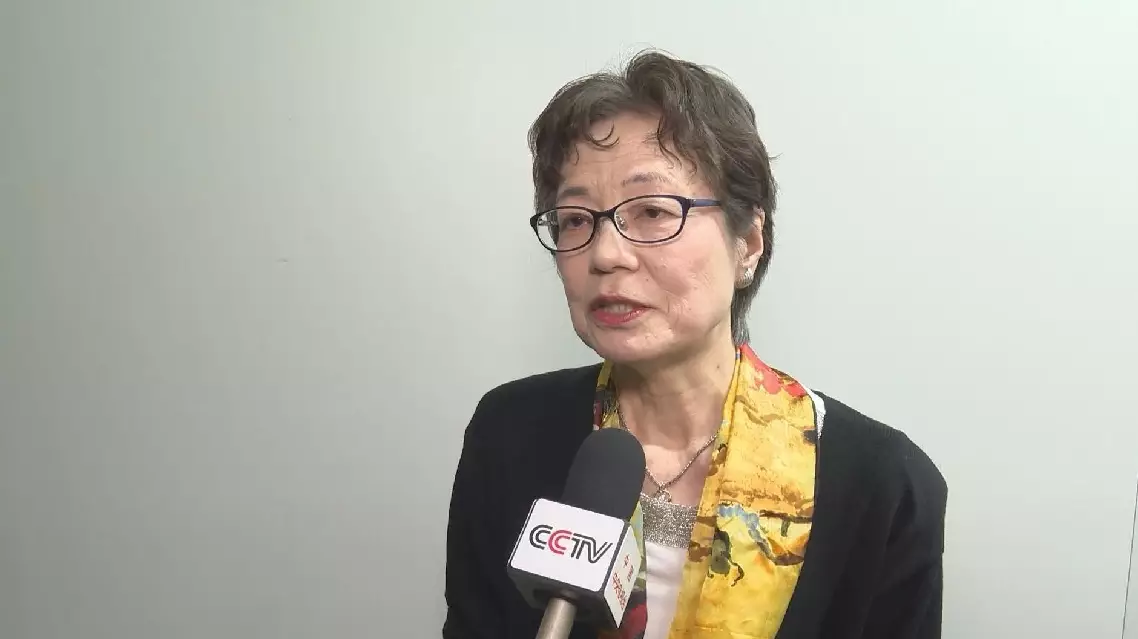
"As the defense spending increases, budgets in other areas will inevitably be cut, such as welfare, education, or local post-disaster reconstruction. The bigger problem lies in what kind of impact the military buildup will actually have on neighboring countries. Putting massive amounts of money into military spending will only make neighboring countries feel threatened. Furthermore, given that Japan is a nation that once waged war, such actions will erode the trust Asian nations have in Japan. Therefore, I am strongly opposed to the Japanese government's expansion of the defense spending," said Hitomi Sugiura, a Japanese lawyer, in an interview with the China Central Television (CCTV).
The Three Non-Nuclear Principles, not possessing, not producing and not allowing introduction of nuclear weapons into Japanese territory, were first declared in the Diet, Japan's parliament, by then Japanese Prime Minister Eisaku Sato in 1967 and viewed as a national credo.
Japan's Constitution, which took effect in 1947, is often referred to as the pacifist Constitution as Article 9 states that the Japanese people forever renounce war as a sovereign right of a nation which will not threaten or use force to settle international disputes.
The lawyer said that Japan should uphold its constitution rather than rely on military buildup to seek security.
"In East Asia, it is largely because Japan, with its Article 9 of the constitution, is a 'nation that does not wage war' that Japan has been able to earn trust. Now that some are talking about amending the Constitution, this will only aggravate tensions in East Asia. If Japan does not change its current stance, I believe it is extremely dangerous," she said.
At a Diet meeting in November last year, Japanese Prime Minister Sanae Takaichi claimed that the Chinese mainland's "use of force on Taiwan" could constitute a "survival-threatening situation" for Japan, which has immediately drawn strong criticism at home.
Sugiura said that such statements are seriously problematic and should be retracted immediately.
"I think [Takaichi] should retract her erroneous remarks as soon as possible. However, (Takaichi) has not only failed to back down, but has also continued to strengthen Japan's military buildup. Hence, the outside world perceives Japan as moving toward militarism. Moreover, such actions do not contribute to establishing peace in Asia or fostering friendship among nations. Rather, they are heading in a dangerous direction that runs counter to these goals. Therefore, I oppose them," she said.
Japan's recent policy changes to escalate tensions in East Asia: lawyer