Yemen, a country located at the southwestern tip of the Arabian Peninsula, is experiencing a devastating decline in local wildlife populations due to the prolonged civil war and a severe humanitarian crisis.
Environmentalists and ecologists are raising urgent calls for public attention to wildlife protection, warning that many endangered species could face extinction without effective conservation measures.
The diverse ecosystems of Yemen are home to a wealth of native and migratory wildlife. The Yemeni government has identified 57 critical ecological areas, with many them recognized by international organizations as vital habitats for globally endangered birds, such as the saker falcon, peregrine falcon, and Arabian woodpecker.
However, the ongoing conflict presents enormous challenges to local conservation efforts, with Illegal hunting and wildlife trafficking on the rise, severely threatening the survival of numerous species. Among them, the endangered Arabian leopard is particularly at risk.
"The war has had a severe impact on wildlife, particularly the Arabian leopard. Currently, only about 50 to 80 Arabian leopards are registered in Yemen. Between 2014 and 2021, 25 Arabian leopards were confirmed killed. At the same time, multiple cases of illegal trafficking of gazelles and birds of prey have been documented, including seizures of rare birds such as saker and peregrine falcons in provinces like Saada and Hodeidah," said Abdullah Abu Al-Futuh, head of local water resources and environmental protection authority.
Despite that Yemen has enacted more than 10 laws related to nature reserves and designated about 60 ecologically sensitive areas, ten of which are officially established as nature reserves, the security situation has interrupted international cooperation efforts. The country lacks technical support and equipment for wildlife breeding, habitat monitoring, and ecological research. Furthermore, many researchers have fled, exacerbating the crisis.
Yemeni environmental authorities have called on the international community to recognize the long-term impact of the war on the country's ecological environment and expressing their hope for a revival of conservation efforts.
Yemen has been mired in a civil war since late 2014 when the Houthi group seized several northern provinces, forcing the Yemeni internationally recognized government out of the capital Sanaa.
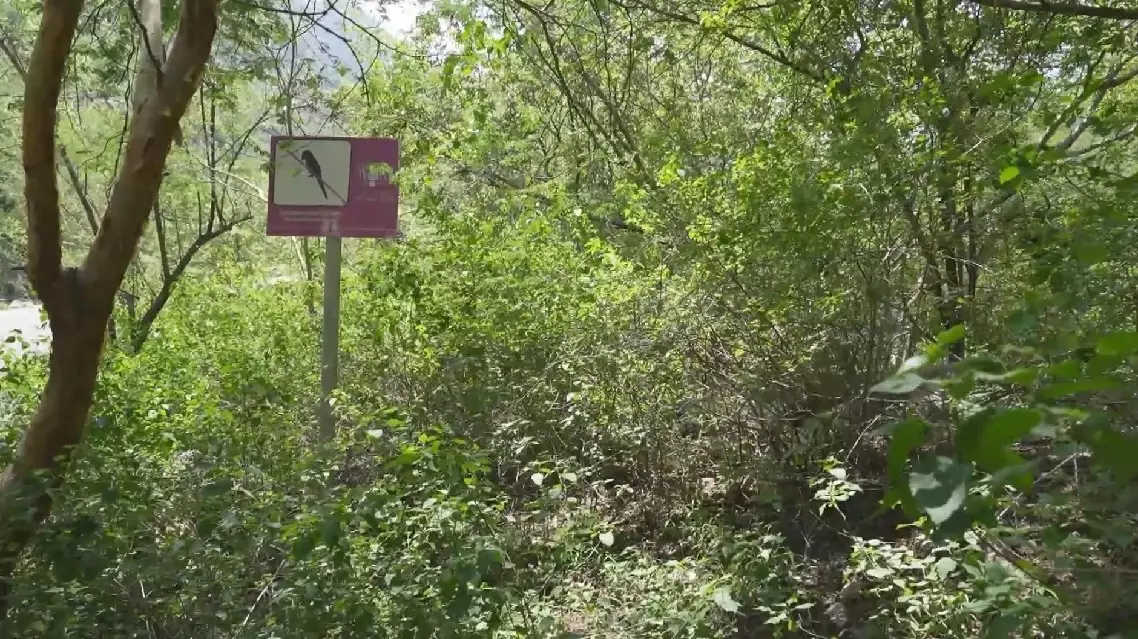
Ongoing civil war exacerbates survival threats to wildlife in Yemen