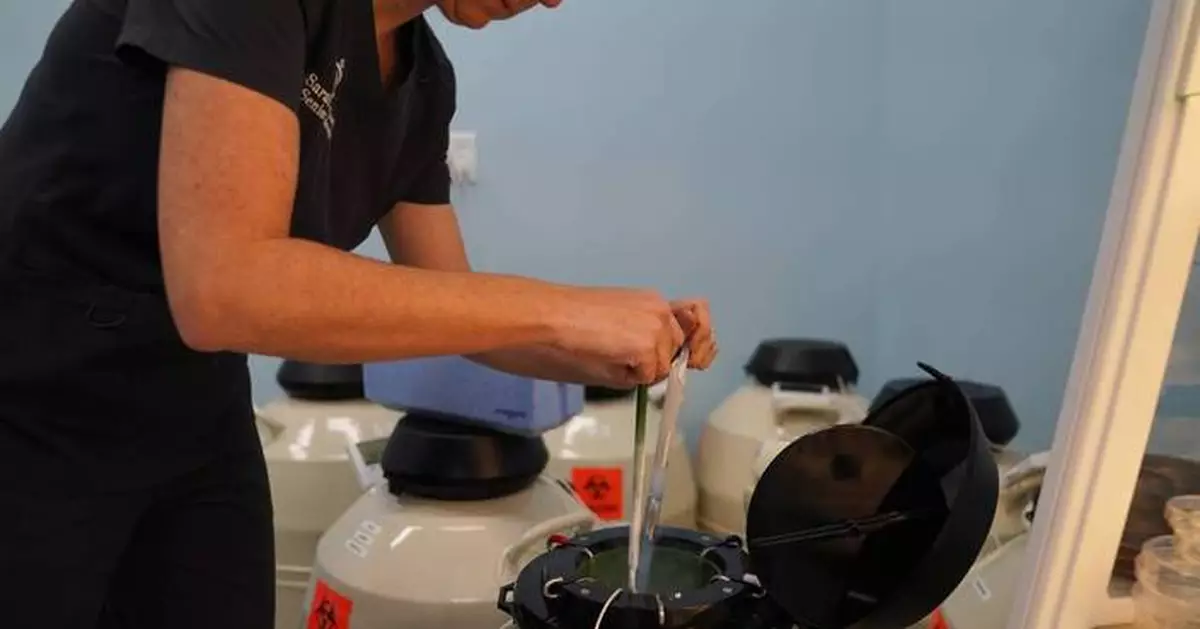
Dr. John Gordon, a Christian IVF doctor, was co-director of a large fertility clinic when he started to have doubts about his profession.
He was troubled over helping create surplus embryos, which would often languish in storage or be discarded. With the expansion of genetic testing, couples could choose the sex of their baby. They could screen out painful or fatal diseases, but also milder impairments like hearing loss.
“What are children?” he asked recently. “I mean, are they a gift from the Lord or are they just a product where you’re trying to manufacture the best product you can?”
In 2019, Gordon relocated from suburban Washington, D.C., to Knoxville, Tennessee, to create a faith-based clinic aligned with his evolving views. Rejoice Fertility does not discard viable embryos, genetically test them or donate them to science. It facilitates embryo adoptions and tries to limit the number of embryos created.
Used to treat infertility, in vitro fertilization is an assisted reproductive technology that combines sperm and egg in a lab to create an embryo. The embryo can be frozen and later transferred to a patient’s uterus in hopes of achieving a pregnancy.
More than 100,000 U.S. babies were born through IVF in 2024, the most recorded in a single year, according to a recent announcement from the American Society of Reproductive Medicine. Medical experts estimate about 1.5 million frozen embryos are stored in the U.S., though advocates say that number could be higher.
For Christians and anti-abortion activists who believe life begins with fertilization, IVF can present challenges because of the risks it poses to embryos. Some Christians also believe reproduction should not be separated from marital sex, making IVF and some fertility interventions off-limits.
The Catholic Church has long opposed IVF, and evangelicals are increasingly grappling with it. In 2024, the Southern Baptist Convention, the largest U.S. Protestant denomination, called for IVF restrictions when it destroys “embryonic human life.”
Gordon belongs to the Presbyterian Church in America, an evangelical Reformed denomination. His local church has been supportive of Rejoice’s mission.
Recent legal decisions have prompted questions about IVF, from the U.S. Supreme Court ending federal abortion rights to the Alabama Supreme Court designating embryos as children. IVF remains popular in polling though, and President Donald Trump has taken steps to expand access.
Gordon believes his practice addresses many moral concerns. As he said, “I need to practice in a way that I can live with the decisions I’m making.”
Rejoice tries to limit surplus embryos. Gordon asks patients for their ideal family size and tailors their treatment around it.
His patients often choose minimal stimulation IVF, or “mini-IVF,” which uses less fertility medication and generally results in fewer eggs. Patients may then opt to fertilize fewer eggs, yielding fewer embryos. Patients can also choose natural cycle IVF, which retrieves one egg produced during a woman’s regular monthly cycle. Other clinics offer these options but Rejoice is unusual in prioritizing them.
The downside is if patients go through their limited embryos and need another IVF cycle, which typically costs between $8,000 and 10,000 at Rejoice. Despite that expense, Gordon said his patients largely want to create fewer embryos because of their beliefs.
In rare cases when his patients have unused embryos, Gordon asks them to be placed for adoption. Embryo donations are known as embryo adoptions within conservative Christian circles, which view embryos not as property but as children waiting to be adopted.
The clinic recently launched Rejoice Embryo Rescue, which Gordon calls an “orphanage.” The clinic stores donated embryos and works with agencies, most of them Christian, that specialize in coordinating embryo adoptions.
Associated Press religion coverage receives support through the AP’s collaboration with The Conversation US, with funding from Lilly Endowment Inc. The AP is solely responsible for this content.
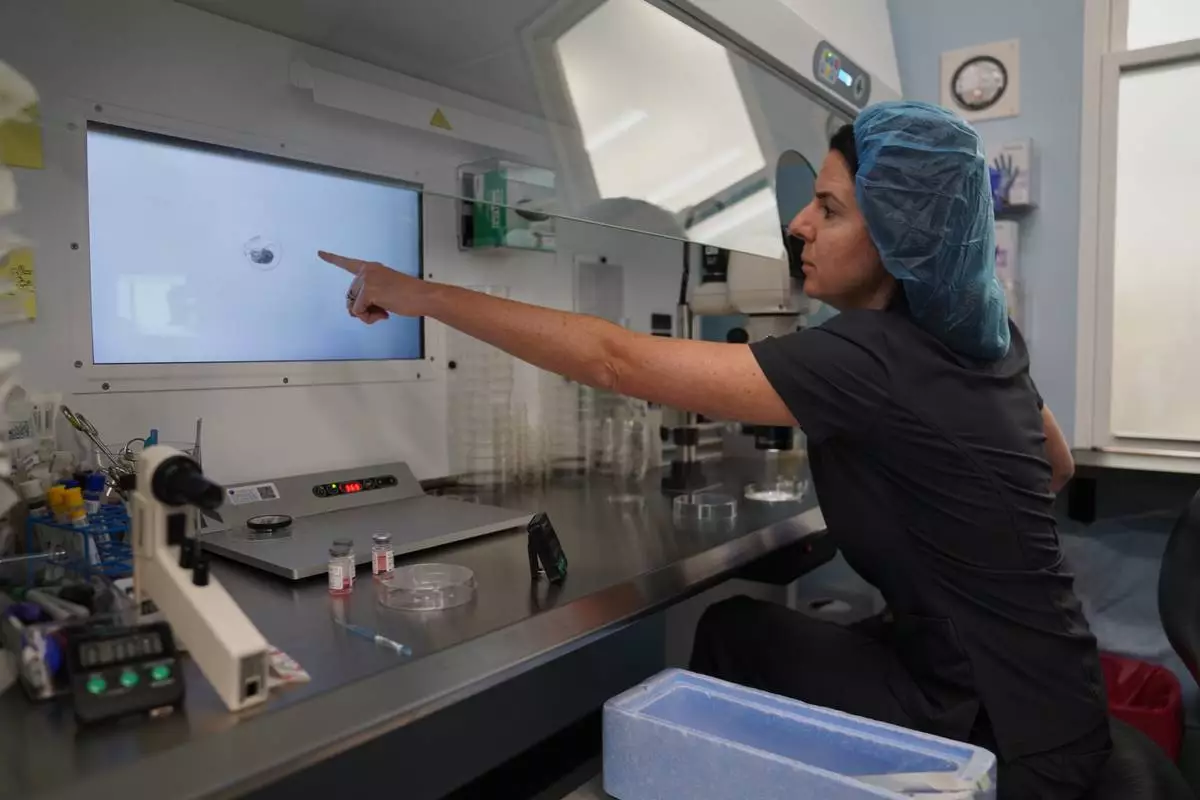
Sarah Atkinson, senior embryologist and lab supervisor, shows an embryo while preparing for a transfer at Rejoice Fertility, Jan. 11, 2026, in Knoxville, Tenn. (AP Photo/Jessie Wardarski)
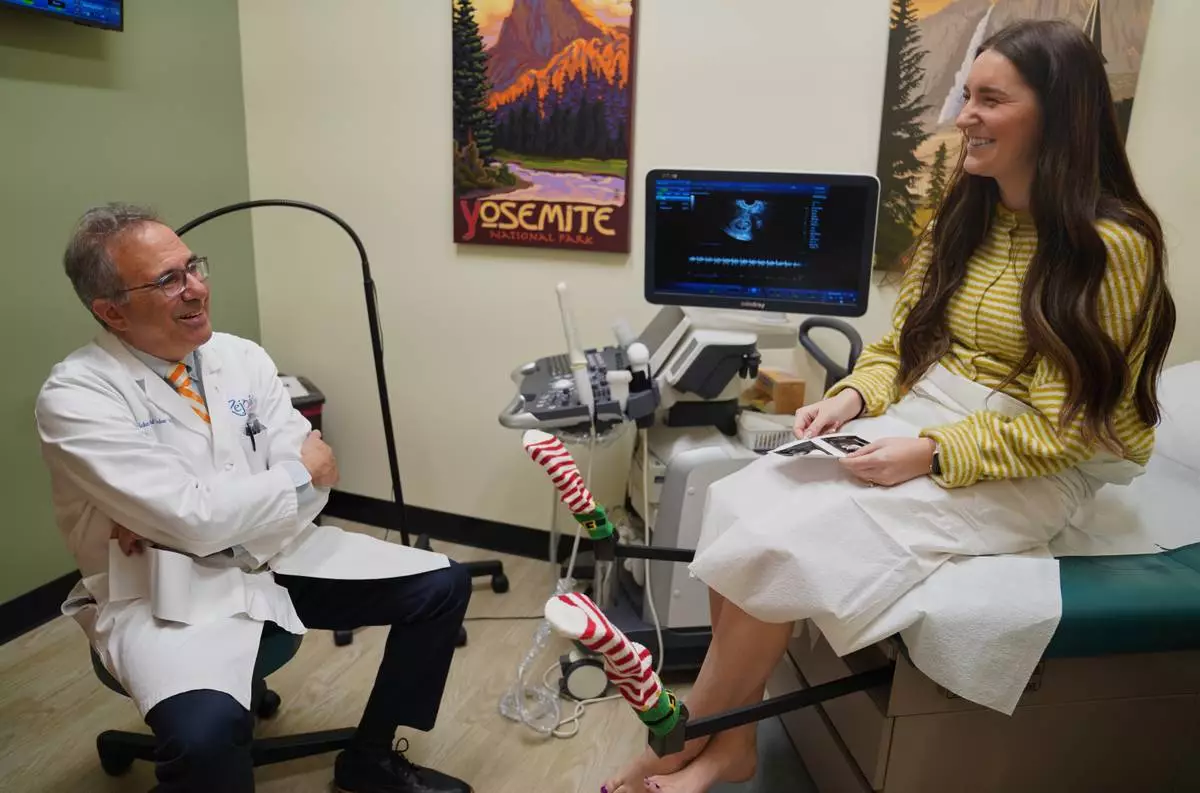
Dr. John Gordon talks with patient Maggie Lichfield after an ultrasound at Rejoice Fertility, Jan. 9, 2026, in Knoxville, Tenn. (AP Photo/Jessie Wardarski)
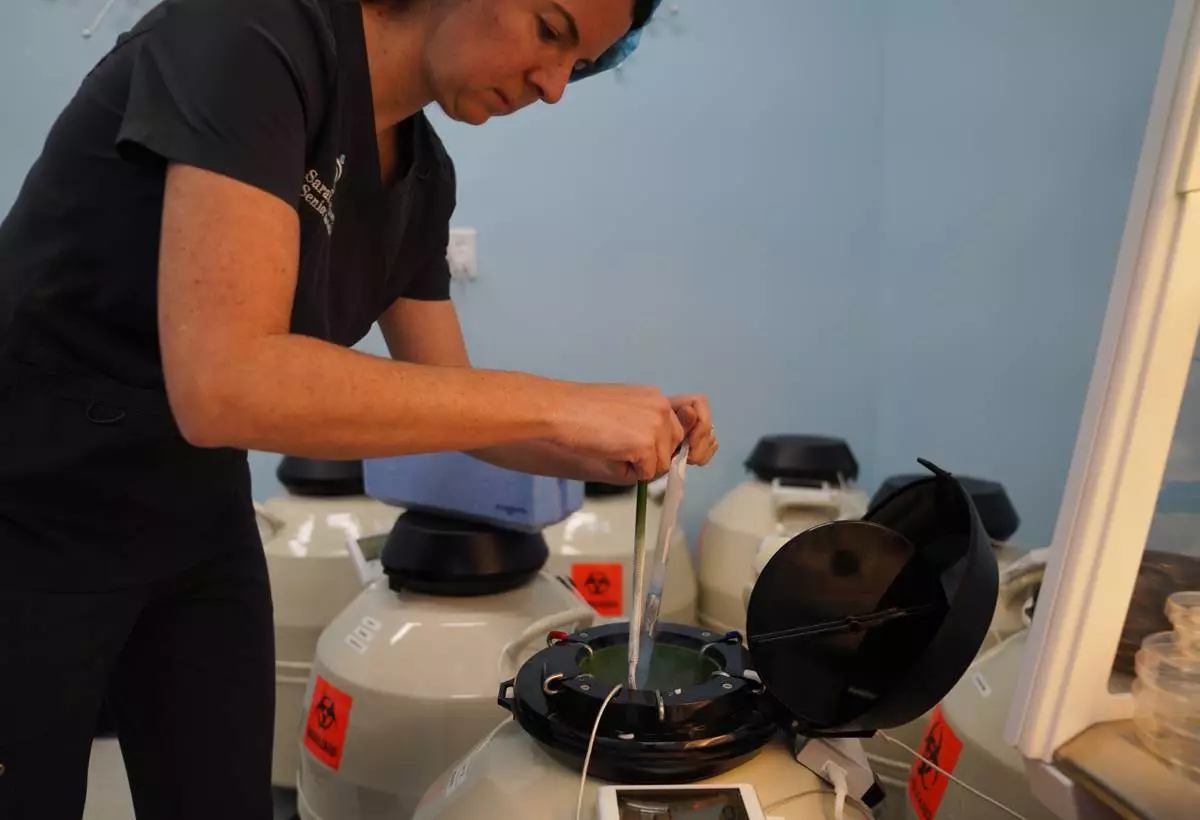
Sarah Atkinson, senior embryologist and lab supervisor at Rejoice Fertility, takes a cryo device containing a patient's frozen embryo from a preservation tank before an embryo transfer, Jan. 11, 2026, at Rejoice Fertility in Knoxville, Tenn. (AP Photo/Jessie Wardarski)