Rising oil prices driven by the Middle East conflict have exacerbated Nigeria's energy crisis, leaving many of the country's factories facing surging power costs with some even struggling to stay afloat amid extortionate electricity bills.
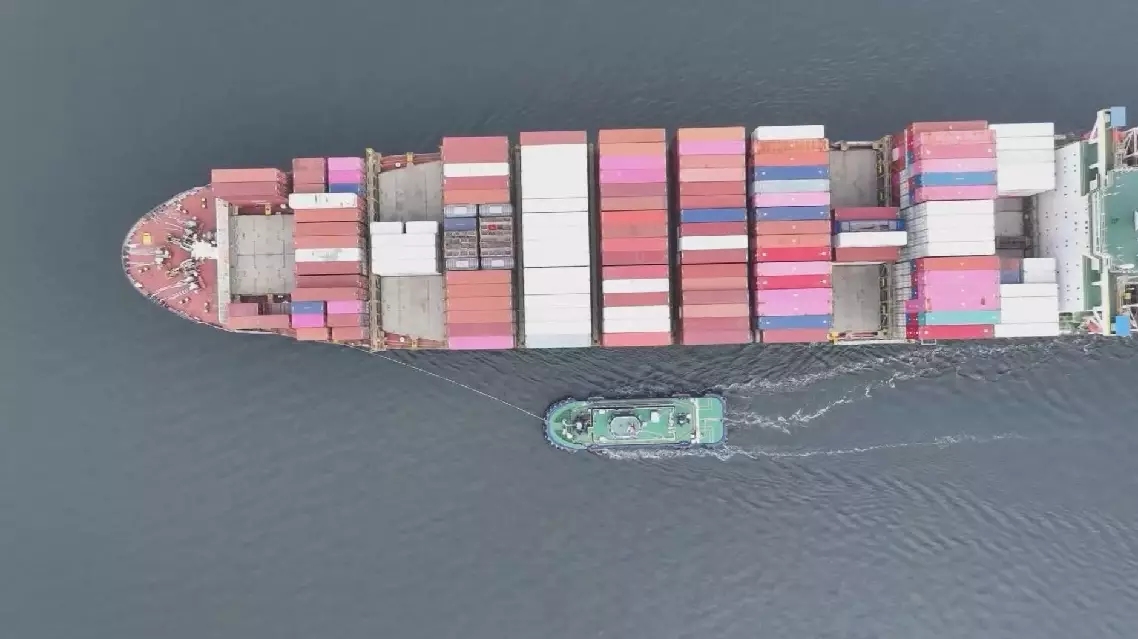
The spillover effects of the U.S.-Israeli war on Iran are being widely felt, with the disruption to shipping along the Strait of Hormuz, a key shipping passageway for oil and gas supplies, sending energy costs soaring.
The impact has been profound on Nigeria's all-important manufacturing sector, with factories being hit with colossal bills of up to 200 million naira (over 146,000 U.S. dollars) per month.
Frank Onyebu, executive director of the Lagos-based Universal Luggage Industries, said he has been forced to scale back operations at his luggage and plastic manufacturing plant.
"Currently, we pay as much as 190 to 200 million (naira) every month for electricity. And we still don't have electricity as much as we would like to. Just today alone, we've had two major power outages, which is not right. Our machineries are being affected, and our costs of operation have shot up to the high heavens. And because of that, we are unable to sell our large stock of inventory of finished goods. Our warehouses have been filled up for the past few months. We're unable to sell. We've had to actually cut down on costs, on our prices, below our cost price now to be able to sell, which is quite ridiculous," he said.
With businesses of all sizes feeling the strain, Onyebu also warned that many factories would be forced to shut down if the industrial power price hikes persist.
"Most manufacturers are unable to cope, only the big ones. And even the ones that are coping, they're just there waiting and hoping against hope that things will get better. So, if things continue going bad, I'm afraid a lot more manufacturers will go under," he said.
The pressure brought by the energy crunch is highlighted by the Manufacturers Association of Nigeria, who say that electricity costs typically account for about 40 percent of a company's expenses, making manufacturers especially vulnerable to the current power crisis.
"Before it became very complicated, we had indicated that we are spending about 72 billion naira on alternative sources of power. Now that was before we had this hike. So, your guess is as good as mine how much it will have increased. So, when that percentage of your cost escalates by about 200, 300, 400 percent, you have a major problem in your hands. So, this is compounding our perennial problem of uncompetitiveness," said Segun Ajayi-Kadir, director general of the association.
The cost burden adds more misery to a sector already facing weak consumer demand and razor-thin profit margins.
The government has recently announced some fiscal measures including duty waivers on machinery to support manufacturers, but many warn that any gains would be completely erased if structural challenges like the unreliable power supply remain unresolved.
"It's impossible to continue running a business like this. We are still calling on the government and we are hopeful the government will do something. If not, a lot of manufacturers will actually run out of business. I'm sure that the government doesn't want this to happen. So, I believe if the government is listening, it should try to do something about the manufacturing sector, which should be one of the major sustainers of our economy," Onyebu said.
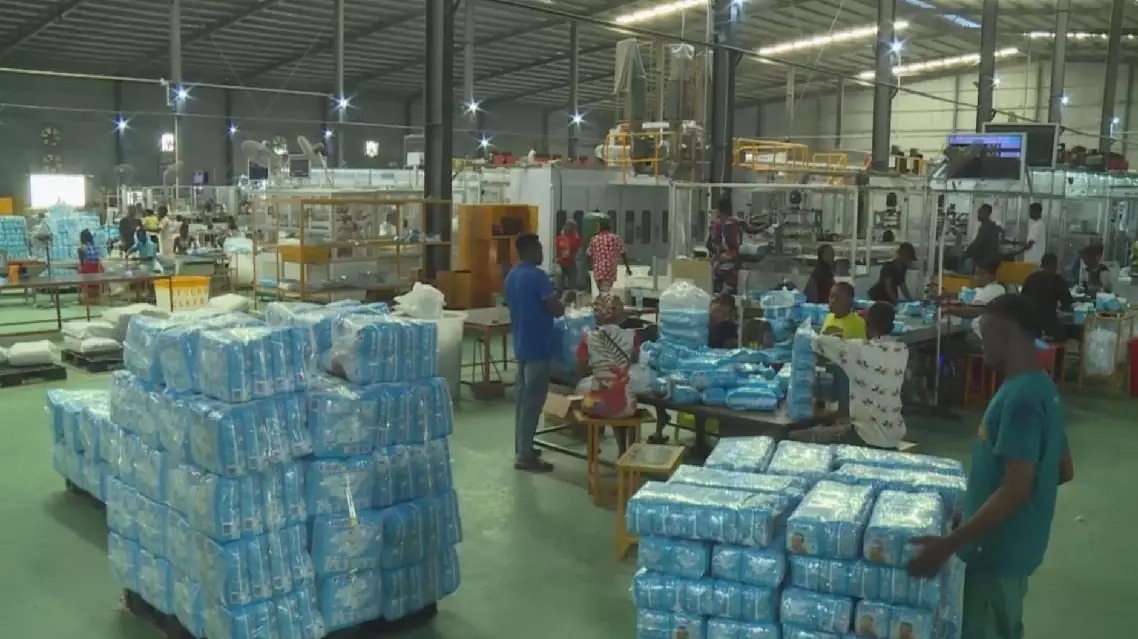
Nigerian manufacturers decry skyrocketing power costs amid fuel price hikes