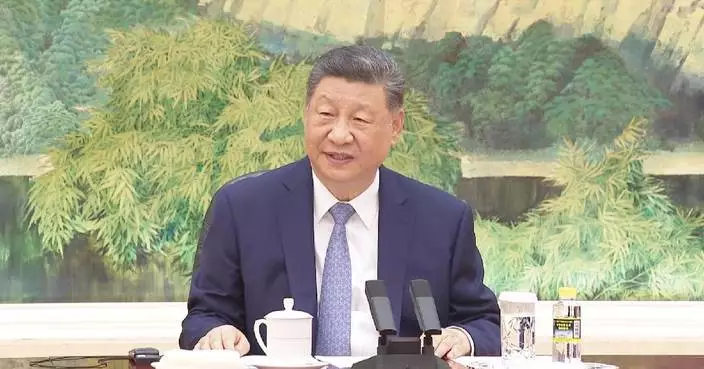
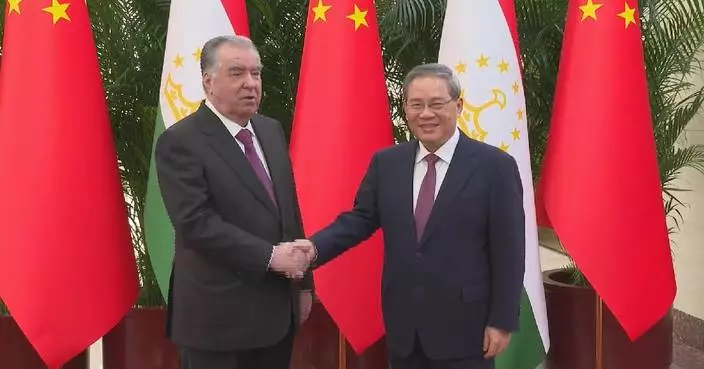
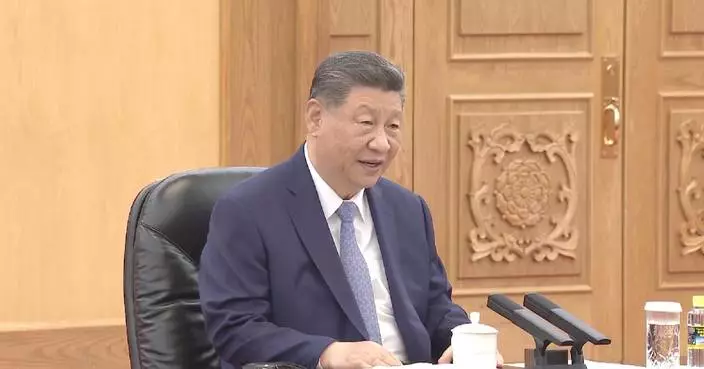
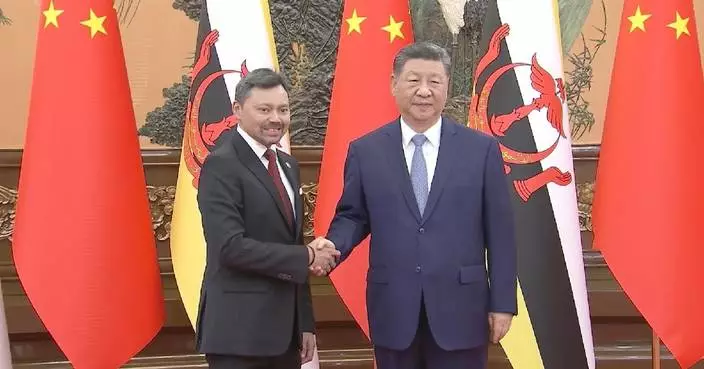
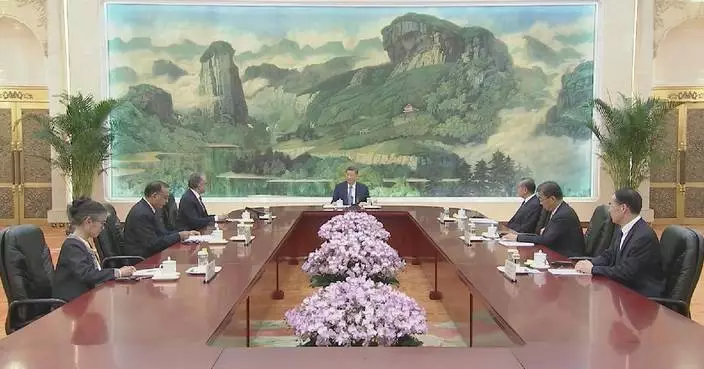
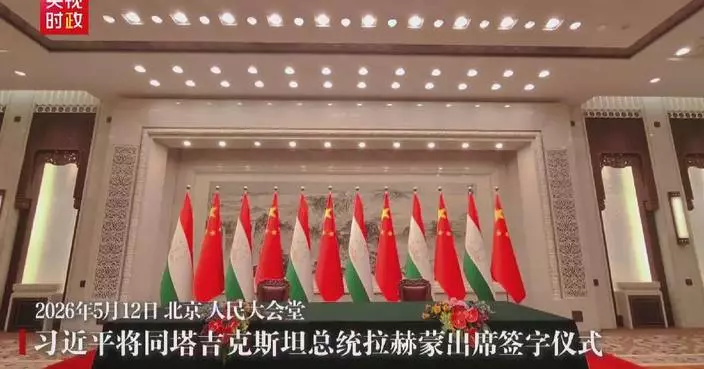
Chinese President Xi Jinping held a welcome ceremony for Tajikistan's President Emomali Rahmon at the square outside the east gate of the Great Hall of the People in Beijing on Tuesday afternoon.
A military band played the national anthems of China and Tajikistan, and a 21-gun salute was fired.
Accompanied by Xi, Rahmon reviewed the guard of honor of the People's Liberation Army and watched the march-past.
Wang Yi, a member of the Political Bureau of the Communist Party of China (CPC) Central Committee and director of the Office of the Foreign Affairs Commission of the CPC Central Committee, and other Chinese officials attended the welcome ceremony.
Rahmon's entourage includes Minister of Foreign Affairs Sirojiddin Muhriddin, Assistant to the President on Foreign Policy Issues Azamsho Sharifi, and Minister of Economic Development and Trade Abdurahmonzoda Abdurahmon Safarali, among others.
At Xi's invitation, Rahmon is on a state visit to China from May 11 to 14.
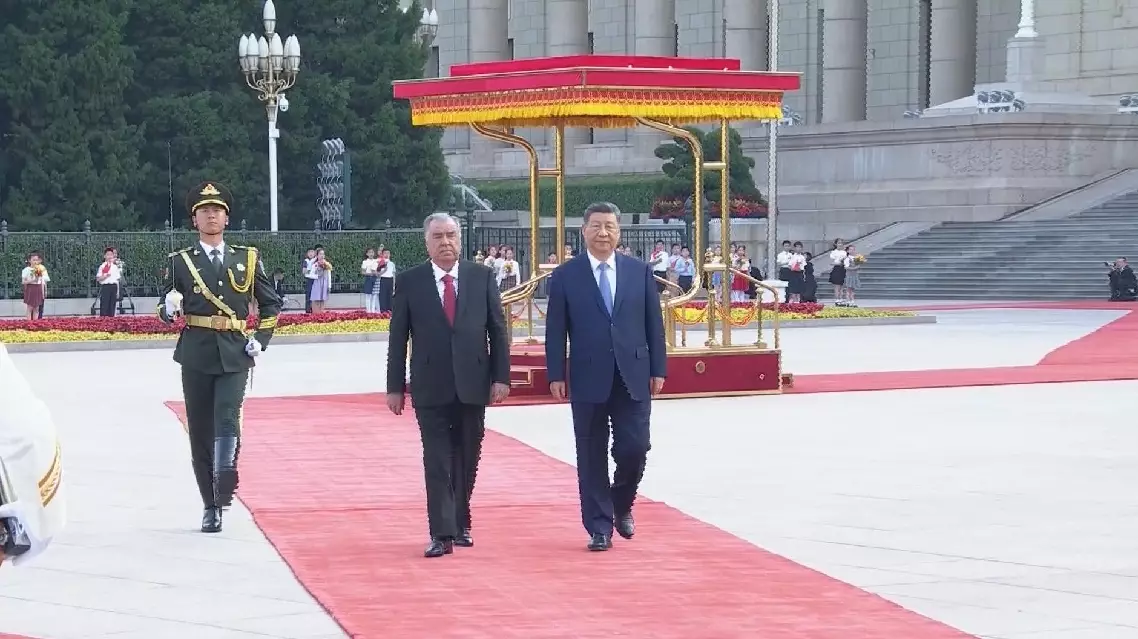
Xi holds welcome ceremony for Tajik President
The 2026 World Digital Education Conference released eight major consensuses and agreements in east China's Hangzhou City on Tuesday, with attendees rallying around solutions and standards for promoting the integration of artificial intelligence (AI) and education worldwide.
The results included an initiative on AI education and an upgraded version of China smart education public service platform.
The three-day conference, which opened on Monday, aims to build an open and inclusive global dialogue platform and promote consensus and norms on artificial intelligence (AI) governance in education.
Themed "AI+ Education: Transformation, Development and Governance," the event attracted over 850 guests from 65 countries and regions around the world.
"This conference has surpassed the previous three editions in terms of international influence and participation, with more than 500 foreign guests in attendance. During the conference, we also signed intergovernmental agreements on AI education cooperation with Uzbekistan and Brazil. Meanwhile, AI cooperation has also emerged as a new hotspot in cooperation between schools and between enterprises and universities," said Yang Dan, director at the department of international cooperation and exchanges of China's Ministry of Education.
According to the data released by United Nations Educational, Scientific and Cultural Organization (UNESCO), the world will still need approximately 44 million teachers by 2030.
Facing this fundamental challenge, participants at the conference agreed that it is also necessary to stay alert to ethical and security issues as AI is increasingly used in education. "Having an eye on the ethical use of AI and to avoid any harm on the education. Looking forward to continuing this deep partnership with China in education and using technology in education in an ethical and inclusive and equitable way," said Khaled El-Enany, director-general of UNESCO.
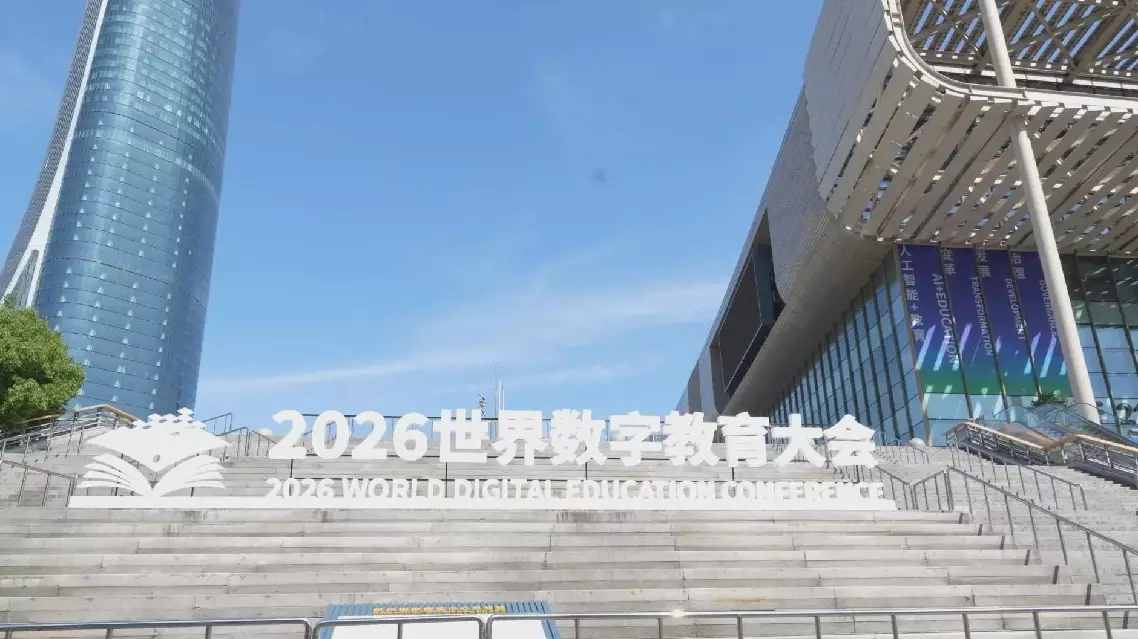
Agreements on education-AI integration reached at World Digital Education Conference