The World Health Organization (WHO) said on Tuesday that 11 hantavirus cases have now been linked to the cruise ship MV Hondius, including nine confirmed infections of the Andes strain of the virus and two suspected cases.
The ship was carrying around 150 passengers and crew members from more than 20 countries, including 38 from the Philippines, 23 from Britain, 17 from the United States, 14 from Spain, 11 from the Netherlands, eight from Germany, and five each from France and Ukraine.
Speaking at a joint press conference with the Spanish government in Madrid, WHO officials warned that additional confirmed cases could still emerge due to the virus's long incubation period, despite the completion of evacuation operations from the vessel, and urged countries to follow its epidemic prevention and control guidelines.
The WHO also said no new deaths had been reported since May 2.
All confirmed and suspected cases linked to the vessel had been isolated, minimizing the risk of further transmission, it said, adding that there is currently no indication of a larger-scale outbreak.
In related developments, Spain's Ministry of Health announced in a social media update on Tuesday that a Spanish passenger evacuated from the ship had tested positive again after a second hantavirus test, confirming the infection.
The ministry did not specify whether the patient had contracted the Andes virus strain.
Meanwhile, the operator of the ship said the vessel departed on Monday on its return voyage to the Netherlands. Only 25 crew members, along with one doctor and one nurse, remain onboard after all passengers had disembarked.
The ship is expected to arrive in Rotterdam on May 17.
Hantavirus was first isolated and named in 1978 after the Hantan River in the Republic of Korea (ROK), where an outbreak occurred among soldiers during wartime.
According to the U.S. Centers for Disease Control and Prevention (CDC), humans usually contract hantavirus through contact with infected rodents or their saliva, urine and droppings, most commonly by inhaling virus particles emitted into the air from contaminated waste. Rodent bites can also transmit the virus.

WHO reports 11 hantavirus cases linked to cruise ship
U.S. President Donald Trump's upcoming visit to China could help improve the business environment for American companies operating in the country despite lingering tariff and non-tariff barriers, a U.S. expert said.
Trump will pay a state visit to China from May 13 to 15 at the invitation of Chinese President Xi Jinping.
In an interview with China Global Television Network (CGTN) on Monday, Jeff Moon, former Assistant U.S. Trade Representative for China, said China-U.S. trade relations would likely continue to be affected by various tariff and non-tariff measures, but the visit could still help U.S. companies navigate the Chinese market more smoothly.
Moon pointed out that Trump's tariff policies have produced mixed results, adding that tariffs and non-tariff barriers between the two countries are likely to persist.
"Tariffs produce mixed results. President Trump's tariff policies have resulted in significant concessions from some trading partners in the form of reduced tariffs and investment pledges. But tariffs increase costs and throw artificial complications into commercial relationships. My overall view is that I prefer free trade and don't favor either tariffs or non-tariff barriers. But U.S.-China trade relations have always suffered from tariffs and non-tariff barriers and that situation is likely to continue into the indefinite future," he said.
Trump is expected to be accompanied by a delegation of prominent U.S. business leaders during his visit, which Moon said could help companies operating in China and ensure their concerns and suggestions are reflected in policy discussions.
"Corporate executives want geopolitical stability and a level playing field in China. They know how to design and produce superior products and how to compete in foreign markets. But they can't control geopolitical tensions between countries and in world markets. And they can't control the many non-tariff barriers to doing business that they encounter in China. Governments can help address those problems, so that's why it's important for corporate executives to participate in summit events to make sure that their views are heard and factored into policy outcomes," he said.
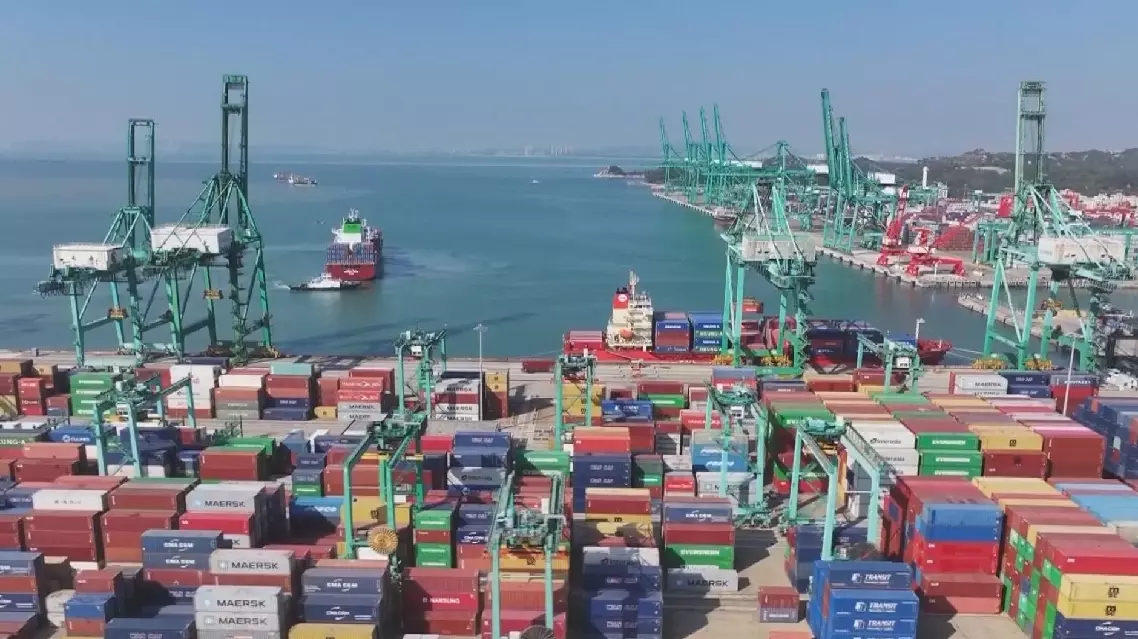
Trump's China visit raises hope for smoother trade ties: expert