NEW YORK (AP) — As steep fuel prices strain household budgets during the war with Iran, U.S. President Donald Trump wants to suspend his government's tax on gasoline.
It's a move Trump can't do on his own — and the president has yet to specify how long he'd like such pause to last. But lawmakers on both sides of the aisle have already been pushing for a federal gas tax suspension, with some legislation in Congress now proposing a halt through Oct. 1.
Click to Gallery
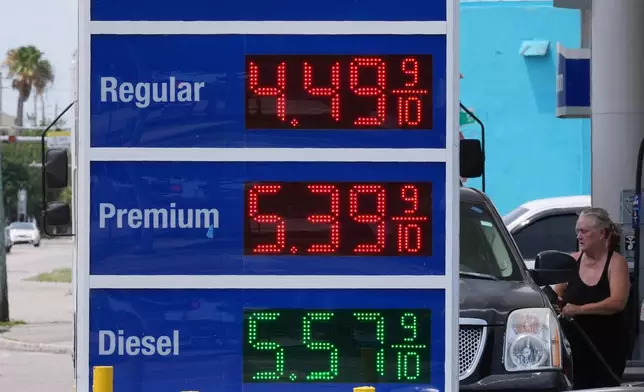
Gas prices are displayed at a Marathon gas station in Miami, Tuesday, May 12, 2026. (AP Photo/Marta Lavandier)
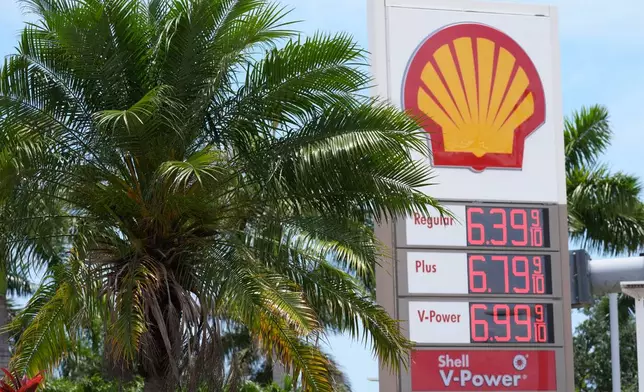
Gas prices are displayed at a Shell gas station in Miami, Tuesday, May 12, 2026. (AP Photo/Marta Lavandier)
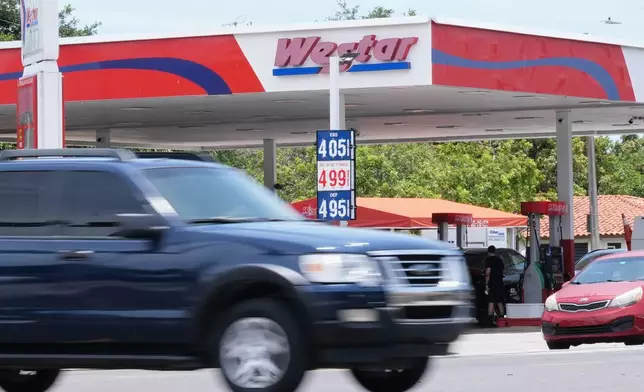
Gas prices are displayed at a Westar gas station in Miami, Tuesday, May 12, 2026. (AP Photo/Marta Lavandier)
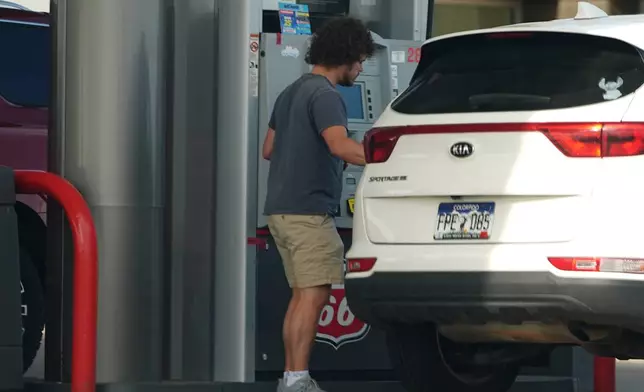
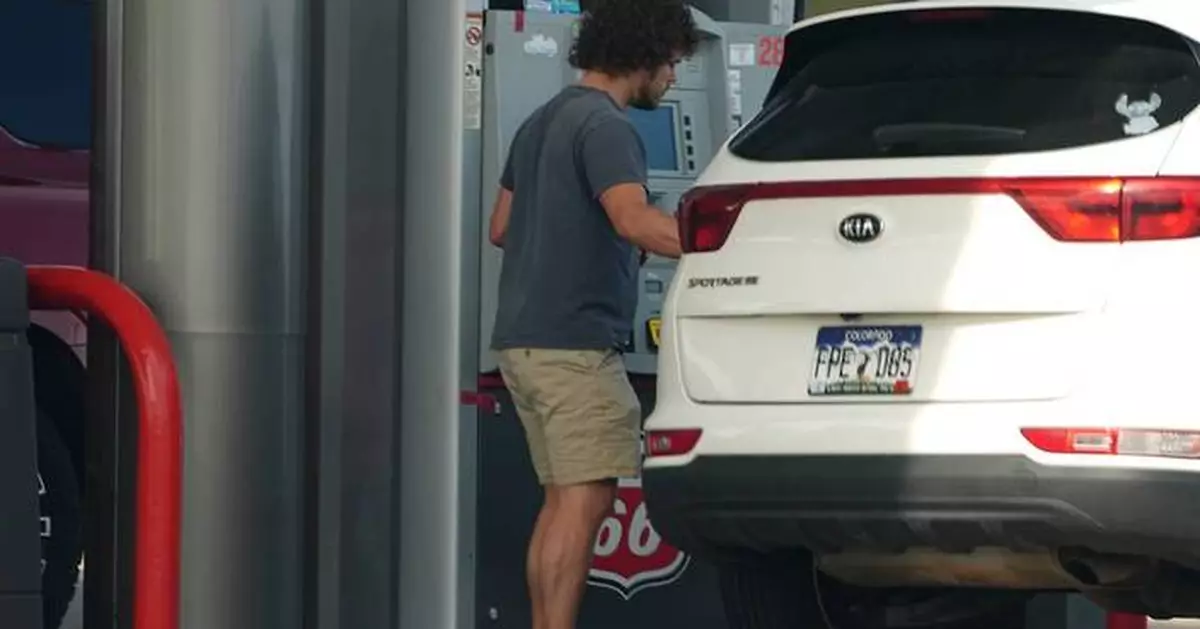
A motorist fills up the tank of a utility vehicle at a Phillips 66 gasoline station at Denver International Airport Saturday, May 9, 2026, in Denver. (AP Photo/David Zalubowski)
Proponents of suspending the gas tax argue that it will provide much-needed relief for families and businesses now struggling to make ends meet, worsening economic disparties as low income households are hit the hardest. Much of that is because the world's flow of oil and other core necessities has been upended since the U.S. and Israel launched the war nearly three months ago — sending energy costs, including gas prices, soaring.
Still, a suspension isn't likely to make a sizeable (or instant) dent at the pump. And critics warn of potential longer-term consequences. The federal gas tax accounts for a small fraction of what Americans pay to fill up their tanks — but it's also the source of billions of dollars in revenue that government highway and public transit programs rely on.
Here's what we know.
The federal gas tax stands at about 18.4 cents per gallon. But drivers wouldn't immediately see that full amount shaved off their bills under a suspension.
“You can’t suspend the tax and then expect everyone to wake up the next morning and gas is suddenly 18 cents cheaper," said Carl Davis, research director at the Institute on Taxation and Economic Policy, a nonprofit. "It doesn’t work that way.”
That's because the government's gas tax isn't collected right at the pump, but rather at the wholesale level. The hope around a suspension is that the tax cut will be eventually passed down to consumers in the form of lower prices, but Davis stresses that isn’t guaranteed — noting what he’s seen at the state-level is limited relief that takes time to trickle down, if it reaches drivers at all during temporary holidays.
Suppliers may also hang on to part of the savings, in efforts to pad profit margins. When taking that into account, the University of Pennsylvania's Penn Wharton Budget Model expects roughly 72% of a federal gas tax cut would actually reach consumers — amounting to about 13.2 cents of the full 18.4-cent per gallon rate.
Even then, savings for average drivers aren't huge. If the federal gas tax is suspended from June 1 through October 1, for example, Penn Wharton Budget Model estimates that a household filling up a 15-gallon tank once a week would save about $35 over those four months.
All the while, U.S. gas prices are still far higher today than they were before the war — with the national average sitting at about $4.50 a gallon Monday, per motor club AAA, compared to $2.98 in late February. And as households continue to feel the strain of more expensive bills, Davis notes it might be hard for many drivers “to even notice” a tax cut if it reaches them.
Trump himself has acknowledged that the federal tax accounts for a small percentage of gas prices. But “it’s still money,” he told reporters on Monday.
The U.S. gas tax is also the single biggest source of revenue for federal highway and public transit programs. Suspending it could mean losing of billions of dollars in those cash flows — which experts warn may bring longer-term consequences down the road.
At current fuel price and demand levels, the government could lose $8.35 billion in revenue over the course of a four-month suspension, Penn Wharton Budget Model confirmed to the AP on Monday. And if the federal tax on diesel (which stands at 24.4 cents per gallon) is also paused, that figure could climb closer to $11.5 billion.
Legislation in Washington proposes offsetting any lost Highway Trust Fund revenue with general funds, but critics warn that could raise the federal deficit — and potentially jeopardize the long-term sustainability of infrastructure projects. The federal gas tax has also remained unchanged since 1993, which experts say has already eroded the Highway Trust Fund's purchasing power when accounting for inflation.
With exact details of a potential tax suspension still up in the air, the future is hard to predict. But “you could very easily imagine some kind of combination of higher national debt and lower funding for roads and bridges and other transportation projects,” Davis said. “Eventually there will be a consequence.”
Beyond the federal government, each state also levies their own separate gas taxes. Those rates range from as low as 9 cents a gallon in Alaska to as high as nearly 71 cents in California, per government data at the start of this year.
In efforts to combat higher prices amid the war with Iran, several states — including Indiana and Georgia — have recently implemented temporary suspensions of their gas taxes. Kentucky and Utah have reduced levies. And other states are weighing similar options.
But it may be difficult for others to follow suit.
Unlike the federal government, states typically have to balance their budgets every year. Beyond core transportation infrastructure, some states also rely on revenues from fuel taxes to fund education, environmental initiatives and other public programs.
Overall, a lot of factors contribute to what drivers pay at the pump. State and federal taxes, seasonal demand and even more expensive fuel blends needed for warmer weather are all pieces of the pie. But the cost of crude oil — which is the main ingredient in gasoline — accounts for the biggest chunk.
Despite efforts from governments worldwide to boost supply during the war, including tapping into emergency oil stockpiles, steep oil prices remain. Both Brent, the international standard, and U.S. crude are now trading above $100 a barrel — up from roughly $70 just months ago.
All eyes are on the Strait of Hormuz, where a fifth of the world's oil once passed through. But Tehran and Washington remain in a standoff over the key waterway, with wider ceasefire talks continuing to stall.
Analysts have repeatedly warned that if the war drags on and supply chains are disrupted for long enough, prices for gas and a range of other goods could continue to climb.
“This is really a foreign policy problem,” said Davis. “There’s not a fiscal policy band-aid that can be slapped on.”
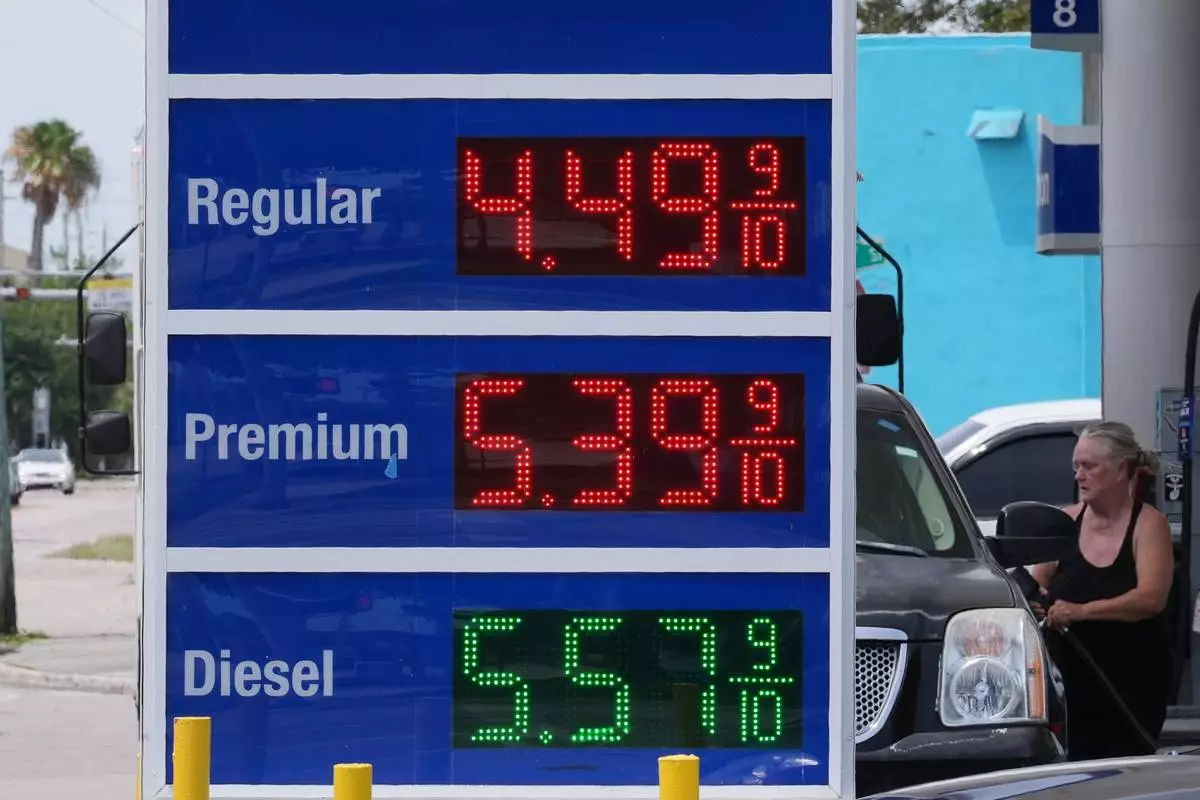
Gas prices are displayed at a Marathon gas station in Miami, Tuesday, May 12, 2026. (AP Photo/Marta Lavandier)
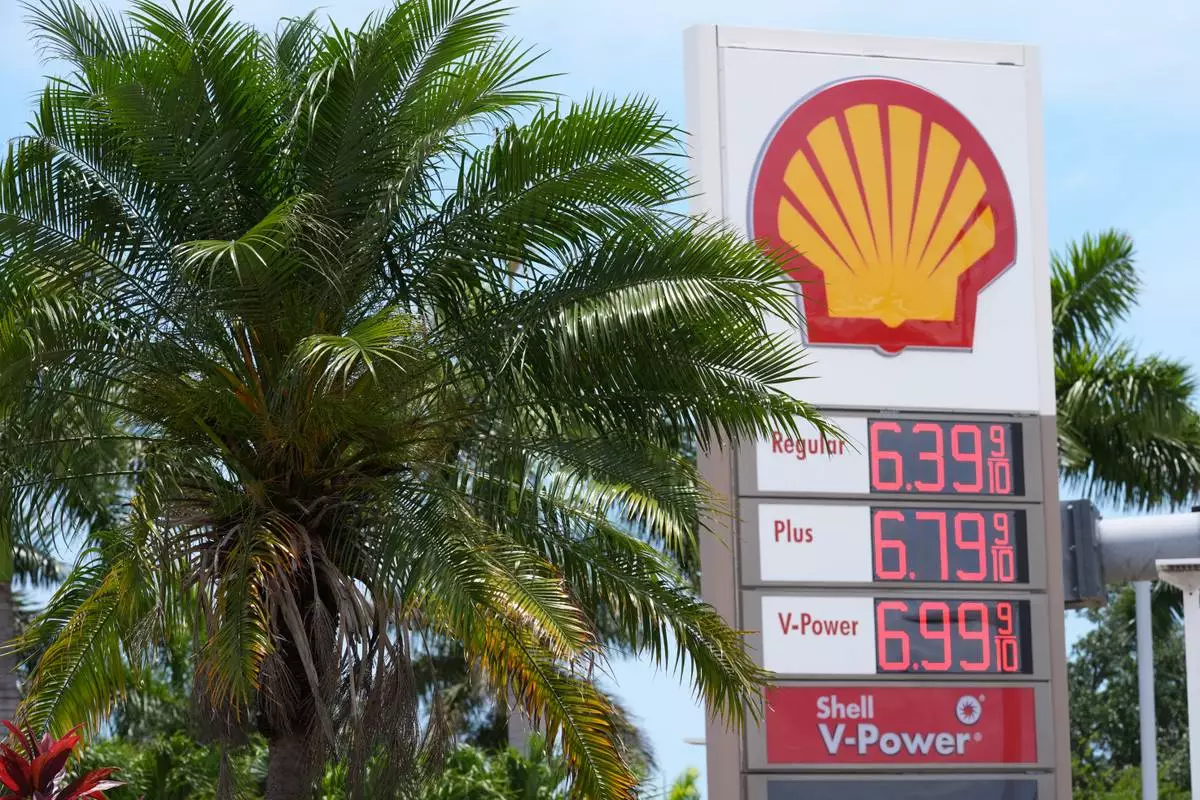
Gas prices are displayed at a Shell gas station in Miami, Tuesday, May 12, 2026. (AP Photo/Marta Lavandier)
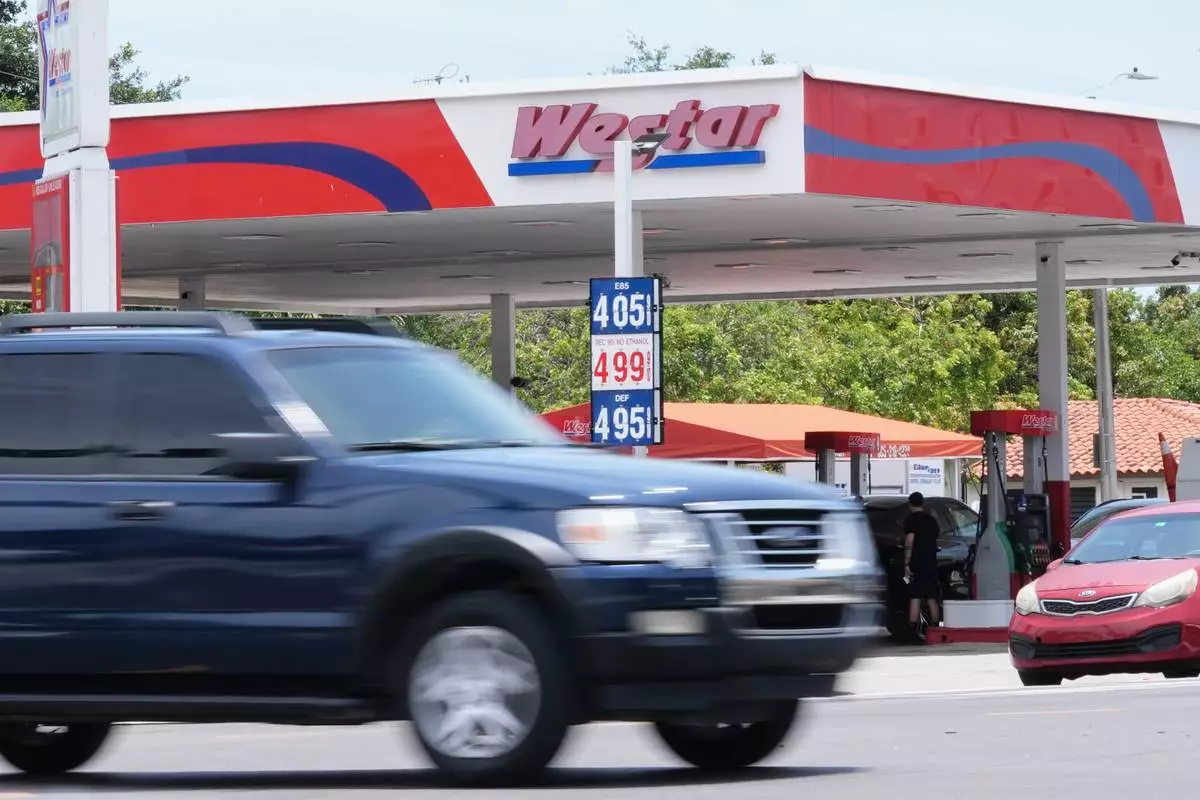
Gas prices are displayed at a Westar gas station in Miami, Tuesday, May 12, 2026. (AP Photo/Marta Lavandier)
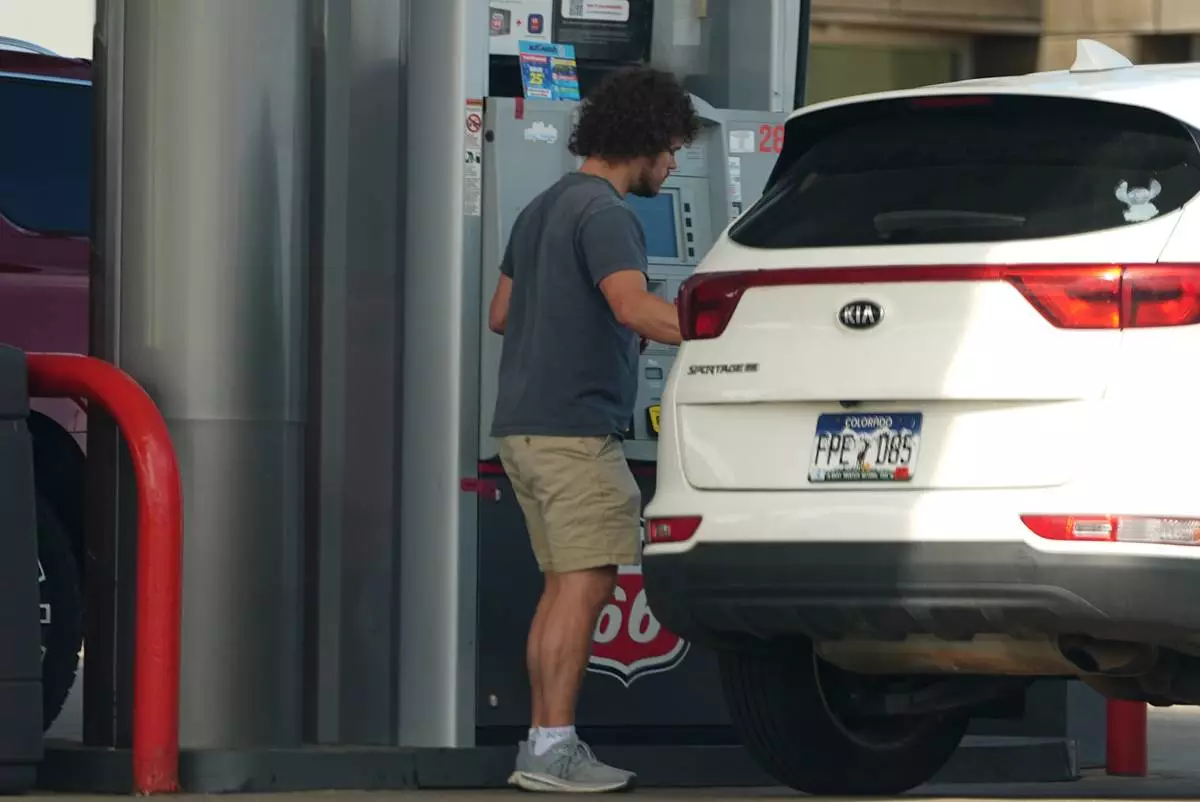
A motorist fills up the tank of a utility vehicle at a Phillips 66 gasoline station at Denver International Airport Saturday, May 9, 2026, in Denver. (AP Photo/David Zalubowski)