PARK CITY, Utah (AP) — A Utah mother who published a children’s book about grief after the death of her husband and was later found guilty of killing him finds out Wednesday how long she will spend in prison.
Kouri Richins was convicted in March of aggravated murder for lacing her husband's cocktail with five times the lethal dose of fentanyl at their home near Park City in 2022.
Click to Gallery
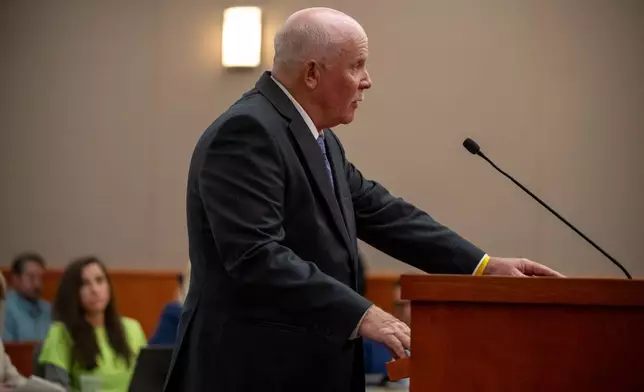
Gene Richins makes an impact statement during the sentencing of Kouri Richins in 3rd District Court in Park City, Utah, Wednesday, May 13, 2026. (Trent Nelson/The Salt Lake Tribune via AP, Pool)
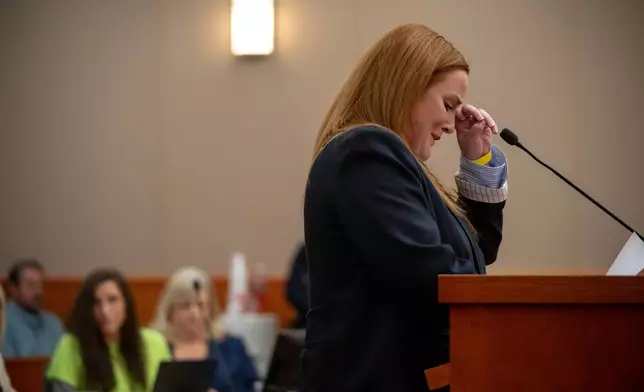
Amy Richins makes an impact statement during the sentencing of Kouri Richins in 3rd District Court in Park City, Utah, Wednesday, May 13, 2026. (Trent Nelson/The Salt Lake Tribune via AP, Pool)

Kouri Richins appears at a sentencing hearing with her defense attorney Wendy Lewis, left, in 3rd District Court in Park City on Wednesday, May 13, 2026. (Trent Nelson/The Salt Lake Tribune via AP, Pool)
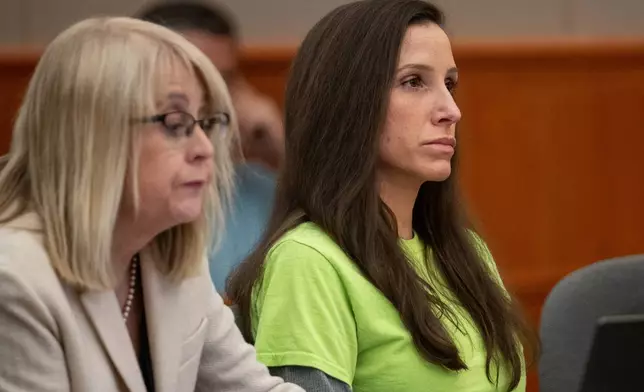
Kouri Richins appears at a sentencing hearing with her defense attorney Wendy Lewis, left, in 3rd District Court in Park City on Wednesday, May 13, 2026. (Trent Nelson/The Salt Lake Tribune via AP, Pool)
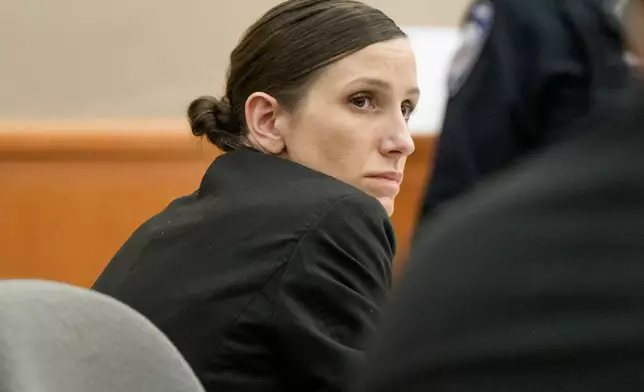
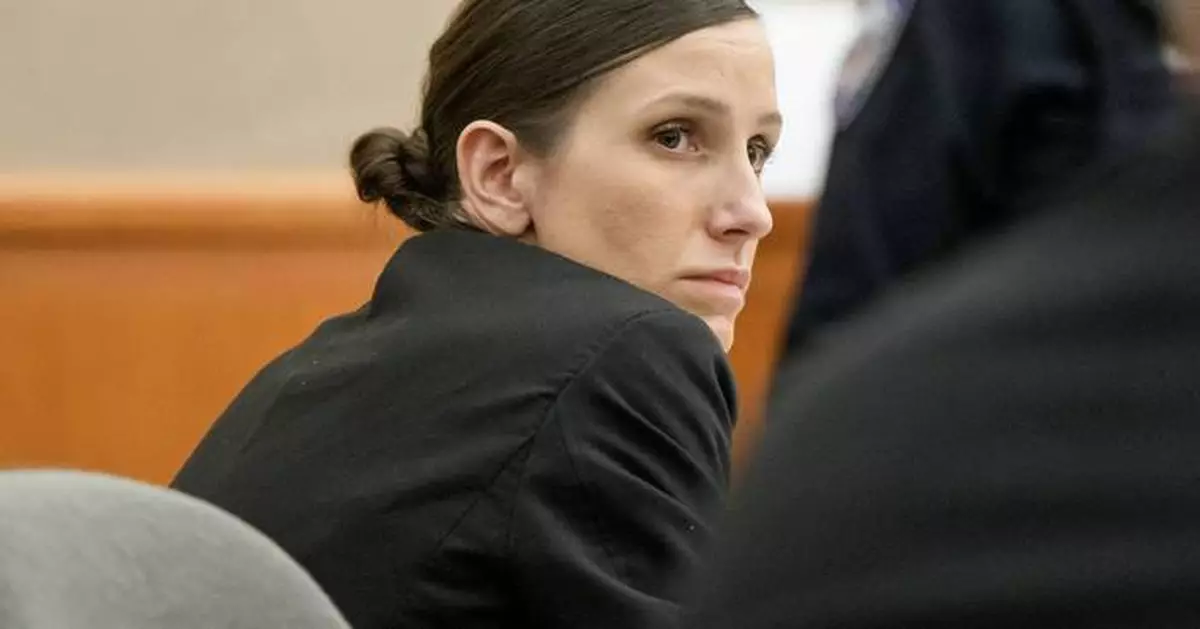
FILE -Kouri Richins looks on during her murder trial at the Summit County Courthouse in Park City, Utah, Monday, Feb. 23, 2026. (AP Photo/Spenser Heaps, Pool, File)
Prosecutors said Richins, a 35-year-old real estate agent with a house-flipping business, was millions in debt and planning a future with another man. She had opened numerous life insurance policies on her husband Eric Richins without his knowledge and falsely believed she would inherit his estate worth more than $4 million after he died.
Eric Richins’ father, Eugene Richins, urged Judge Richard Mrazik to impose a life sentence without the possibility of parole to protect his grandsons, who were ages 9, 7 and 5 when their father died.
“This sentence is important so Eric’s three sons never have to live with the fear that the person responsible for taking their father could ever harm them again,” he said during the sentencing hearing, which fell on the day his son would have turned 44.
Jurors also found Richins guilty of four other felonies, including attempted murder for trying to poison her husband weeks earlier on Valentine’s Day with a fentanyl-laced sandwich.
Richins faces several decades to life in prison. She has been adamant in maintaining she is innocent. Her attorneys said she would take the stand later Wednesday after waiving her right to do so during the trial.
In a letter read by a defense attorney, Richins’ mother, Lisa Darden, maintained that her daughter is not capable of murder and asked, “from a mother’s heart, that Kouri be given a sentence that allows the possibility of a future.”
The case captivated true-crime enthusiasts when Richins was arrested in 2023 while promoting her children’s book “Are You with Me?” about a boy coping with the death of his father.
Eric Richins’ sister Katie Richins-Benson said her brother was taken from his sons, who are now in her care, by the person he should have been able to trust the most.
“They are not props for some twisted children’s book about grief and loss, and yet that is what they’ve been reduced to by Kouri,” Richins-Benson told the judge, her voice quavering.
Clinical social workers read letters from each of the boys, who all said they would feel unsafe if their mother was ever released from prison. The children said Richins hit and threatened to kill their animals, showed them videos of famished children in war zones when they refused to eat their dinner and didn't seem to care about their health.
“You took away my dad for no reason other than greed, and you only cared about yourself and your stupid boyfriends,” said the middle son, now 11. He described having to “be a parent” to his younger brother because his mother did not watch over them.
The oldest boy, now 13, said he also felt like he had to take care of his siblings while in his mother's care, but his younger brother “mostly took care of me, though, because I was locked in my room.” He said his mom would lock him inside “pretty much daily” after he pointed out that she was drunk.
Judges in Utah typically impose sentences as a broad range rather than a fixed number of years.
The most serious charge, aggravated murder, is punishable by 25 years to life in prison, or a life sentence without parole. Prosecutors did not push for the death penalty.
Prison time for the attempted aggravated murder charge depends on the severity of the bodily injury that occurred. After taking a bite of the sandwich his wife left for him, Eric Richins broke out in hives, injected himself with his son’s EpiPen, drank a bottle of Benadryl and passed out, prosecutors said. Depending on the judge's assessment, Kouri Richins could face 15 years to life, 6 years to life or 5 years to life for that charge.
Two counts of insurance fraud, second-degree felonies, each carry a 1-15 year sentence, and a third-degree felony forgery charge is punishable by 0-5 years in prison.
The judge has discretion to decide whether Richins' prison sentences for each count will overlap or stack up.
Richins also faces more than two dozen money-related criminal charges in a separate case that has not yet gone to trial.
The trial was scheduled for five weeks but ended early when her legal team rested its case without calling any witnesses. Her attorneys said they were confident that prosecutors had not produced enough evidence to convict her of murder.
The jury deliberated for just under three hours before finding her guilty of all counts.
Throughout the trial, prosecutors portrayed the mother of three as a money-hungry killer. They showed the jury text messages between Richins and her lover in which she fantasized about leaving her husband and gaining millions in a divorce. Prosecutors also displayed the internet search history from Richins’ phone, which included queries about the lethal dose of fentanyl, luxury prisons and how poisoning is marked on a death certificate.
The defense argued that Eric Richins was addicted to painkillers. Prosecutors countered by showing police body camera footage from the night of his death in which Kouri Richins tells an officer that her husband had no history of illicit drug use.
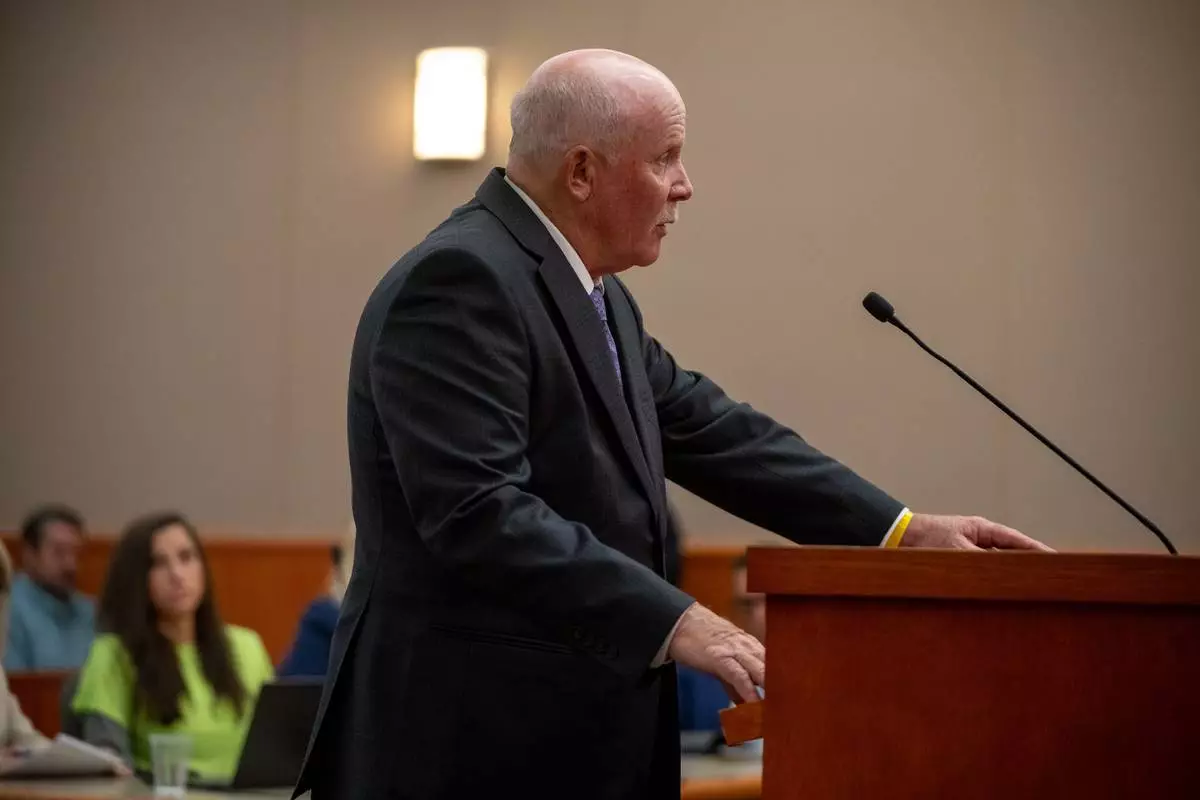
Gene Richins makes an impact statement during the sentencing of Kouri Richins in 3rd District Court in Park City, Utah, Wednesday, May 13, 2026. (Trent Nelson/The Salt Lake Tribune via AP, Pool)
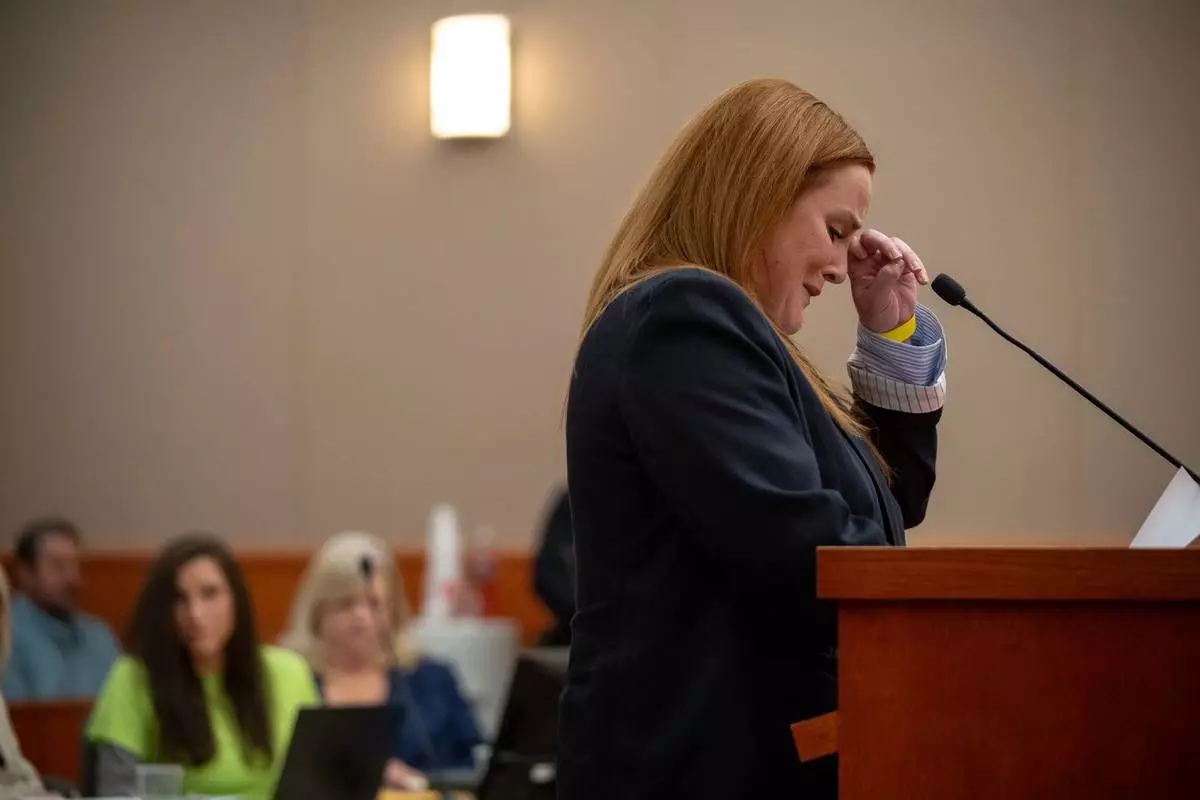
Amy Richins makes an impact statement during the sentencing of Kouri Richins in 3rd District Court in Park City, Utah, Wednesday, May 13, 2026. (Trent Nelson/The Salt Lake Tribune via AP, Pool)
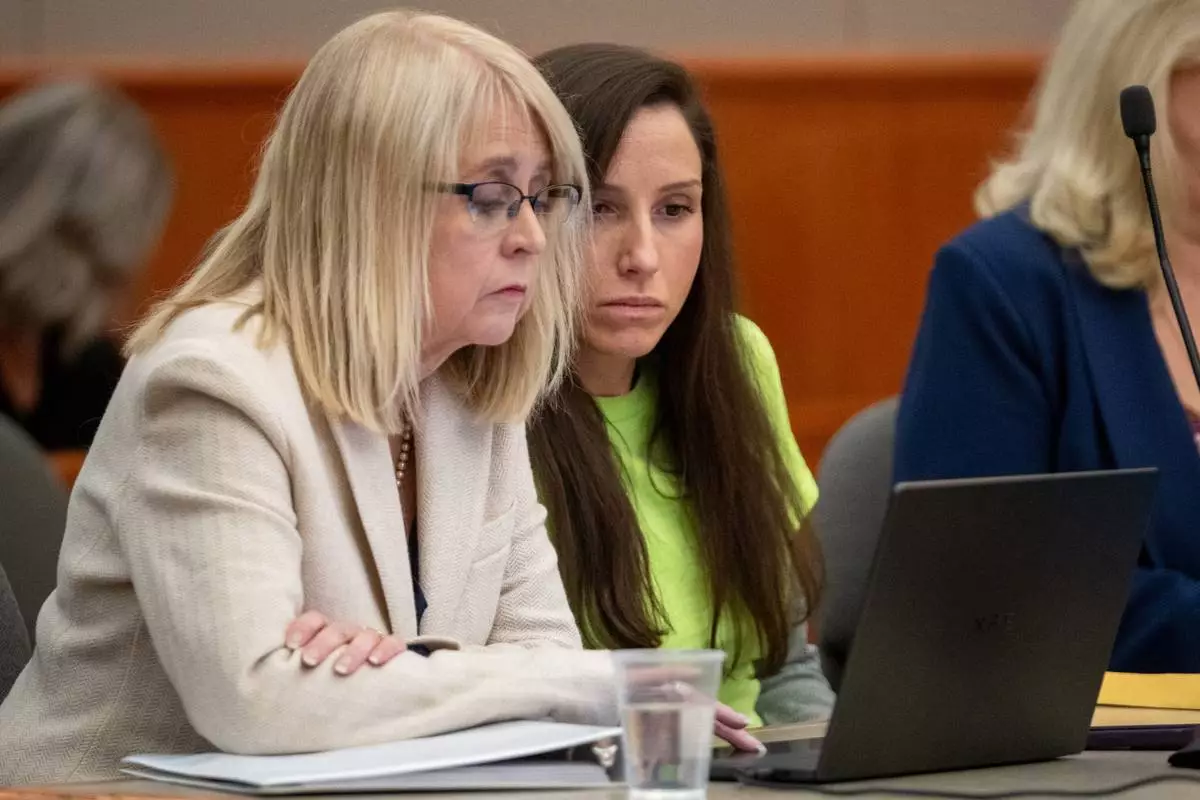
Kouri Richins appears at a sentencing hearing with her defense attorney Wendy Lewis, left, in 3rd District Court in Park City on Wednesday, May 13, 2026. (Trent Nelson/The Salt Lake Tribune via AP, Pool)

Kouri Richins appears at a sentencing hearing with her defense attorney Wendy Lewis, left, in 3rd District Court in Park City on Wednesday, May 13, 2026. (Trent Nelson/The Salt Lake Tribune via AP, Pool)
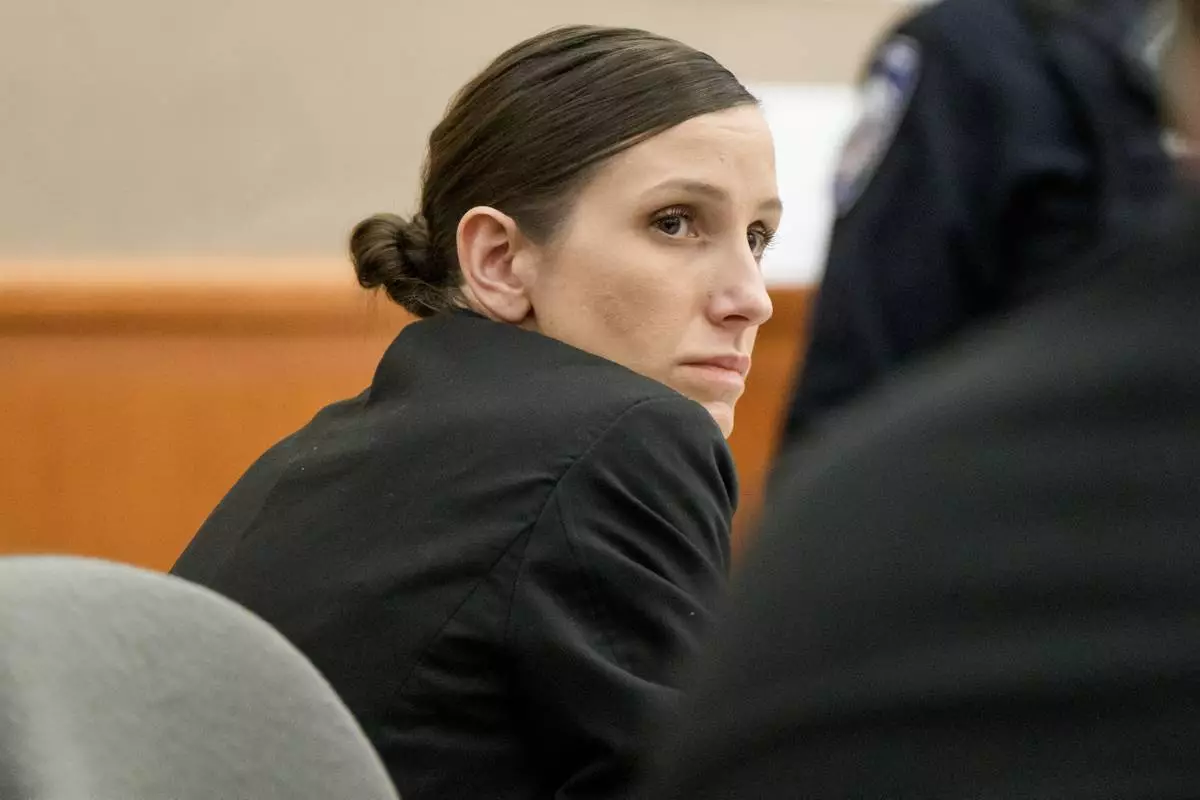
FILE -Kouri Richins looks on during her murder trial at the Summit County Courthouse in Park City, Utah, Monday, Feb. 23, 2026. (AP Photo/Spenser Heaps, Pool, File)