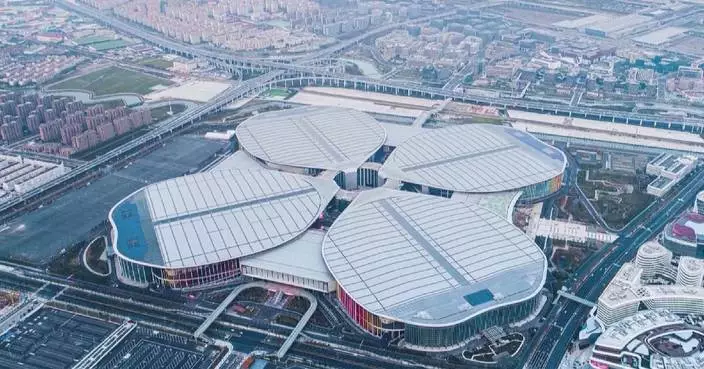
The Shanghai Stock Exchange (SME) on Monday approved a plan by Semiconductor Manufacturing International Corporation (SMIC), the country's leading chipmaker, to acquire the remaining 49 percent stake in its subsidiary SMIC North for 40.6 billion yuan (about 5.98 billion U.S. dollars) through share issuance, marking the largest merger and acquisition deal since the inception of China's STAR Market.
The deal, approved by SME's merger and acquisition review committee, was the first case of a multi-listed red-chip company issuing shares to purchase assets on the STAR market, and it is also the largest merger and acquisition deal in the history of the domestic wafer foundry industry.
After the completion of the transaction, SMIC's stake in SMIC North will increase from 51 percent to 100 percent. The offering price is set at 74.2 yuan (10.9 U.S. dollars) per share.
"Stock acquisition is a mechanism that binds the interests of both parties and shares risks. It sends a very positive message to the outside world and saves cash. Cash is a very valuable asset for growth-oriented companies, which can use it for other places where cash is needed more badly," said Qian Jun, executive dean of the Fanhai International School of Finance (FISF) of Fudan University in Shanghai.
Experts said that the acquisition will help further improve the quality of SMIC's assets and enhance business synergy, as SMIC North is one of the most profitable single factories within the SMIC system.
"Through industry consolidation, higher-quality assets can be concentrated into the hands of listed companies that have operational and value creation capabilities," Qian said.
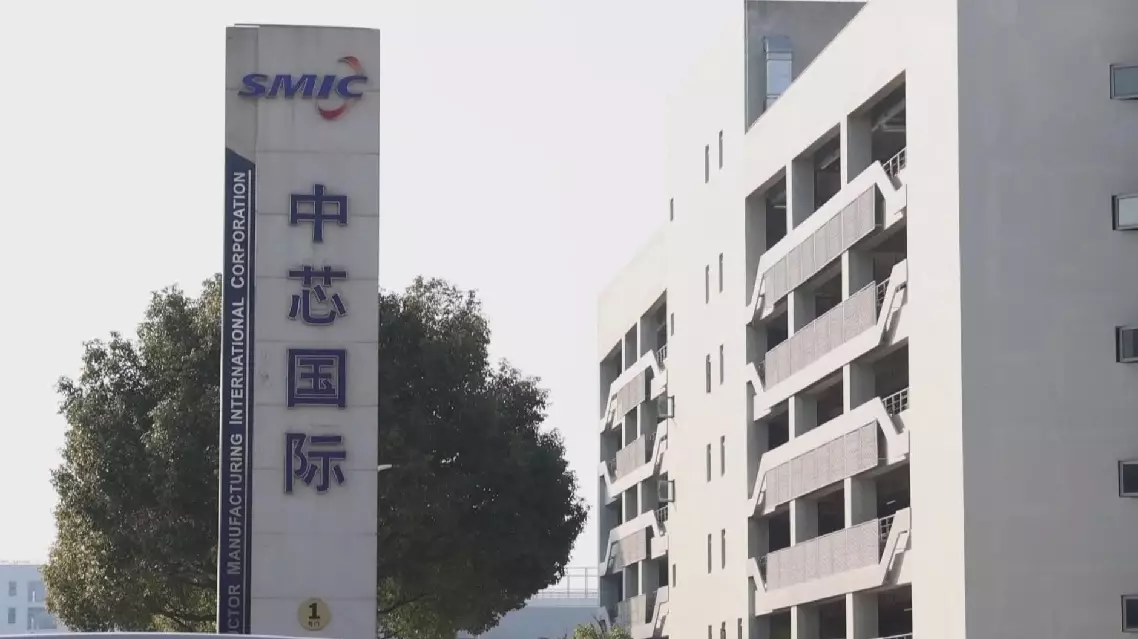
SMIC gains approval for acquisition of its Beijing fab
Iranian Foreign Minister Seyed Abbas Araghchi said on Sunday the outcome of the ongoing Qatar-mediated consultations hinges on Washington's responses to questions raised by Iran.
Araghchi said an Iranian delegation had traveled to Qatar on Saturday for further discussions, adding that his aide was there to continue consultations with mediators.
The two-day talks remained underway, with no final conclusion reached. Araghchi expressed hope that the United States would rationally opt for diplomacy over other approaches.
An official briefed on the negotiations told the media that Qatar had maintained contact with the White House during the talks. The day before, Qatari mediators held more than 12 hours of talks with Iranian counterparts in Tehran, aiming to clinch a U.S.-Iran agreement to avert renewed conflict after the U.S. midterm elections.
In an interview with Al Jazeera on Saturday, Araghchi dismissed reports of possible meetings as media speculation, saying Iran saw no need to meet with American officials at present. He said Tehran would decide whether to hold direct or indirect negotiations after Washington accepted Iran's conditions.
According to Araghchi, Iran's conditions include recognition of a new shipping route through the Strait of Hormuz that Tehran had worked out with Oman, and the closure of other routes.
He said Tehran also sought the lifting of sanctions imposed after the Islamabad Memorandum of Understanding (MoU), a reduction in U.S. military forces in the region, the restoration of sanctions waivers for Iranian oil exports, and the release of all frozen Iranian funds, including those held in Qatar.
Iran also demanded an end to hostilities on all fronts, including Lebanon, he said.
Araghchi said mediators had presented proposals concerning Iran's nuclear program, which Tehran was reviewing as part of what he described as a second phase.
The Iranian foreign minister also said a letter from U.S. Vice President JD Vance had been reviewed at high-level meetings, describing the American effort to open the door to broader dialogue and understanding as a "positive step."
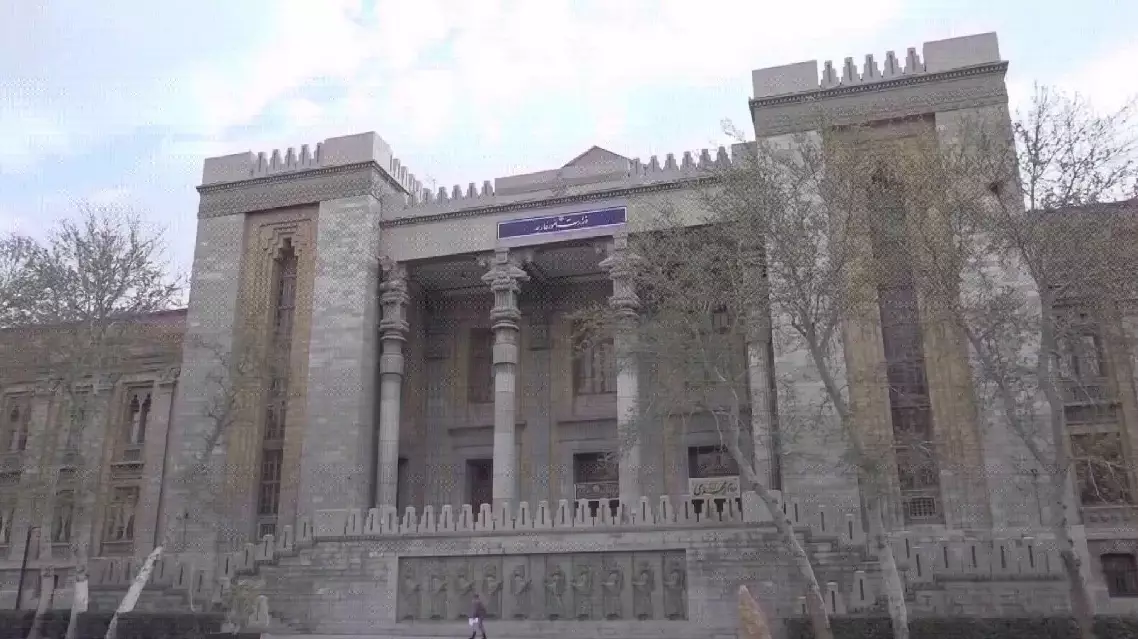
Iran says outcome of Qatar-mediated talks hinges on US response