China is willing to work with the United States to enhance cooperation, and inject more stability and certainty into the world, a Chinese Foreign Ministry spokesman said on Wednesday.
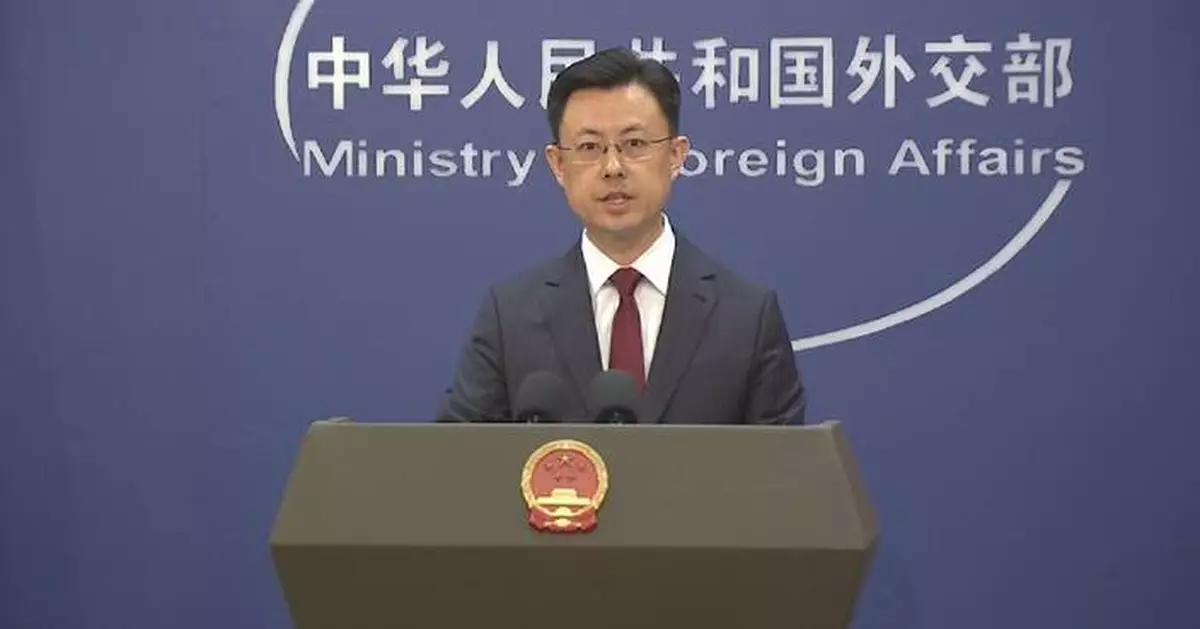
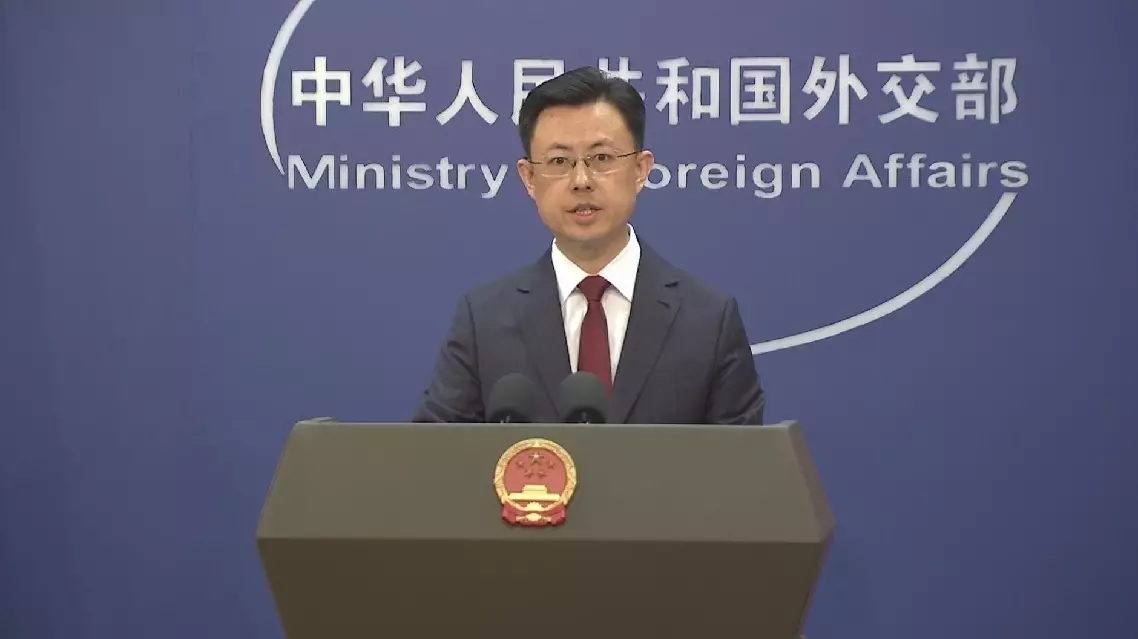
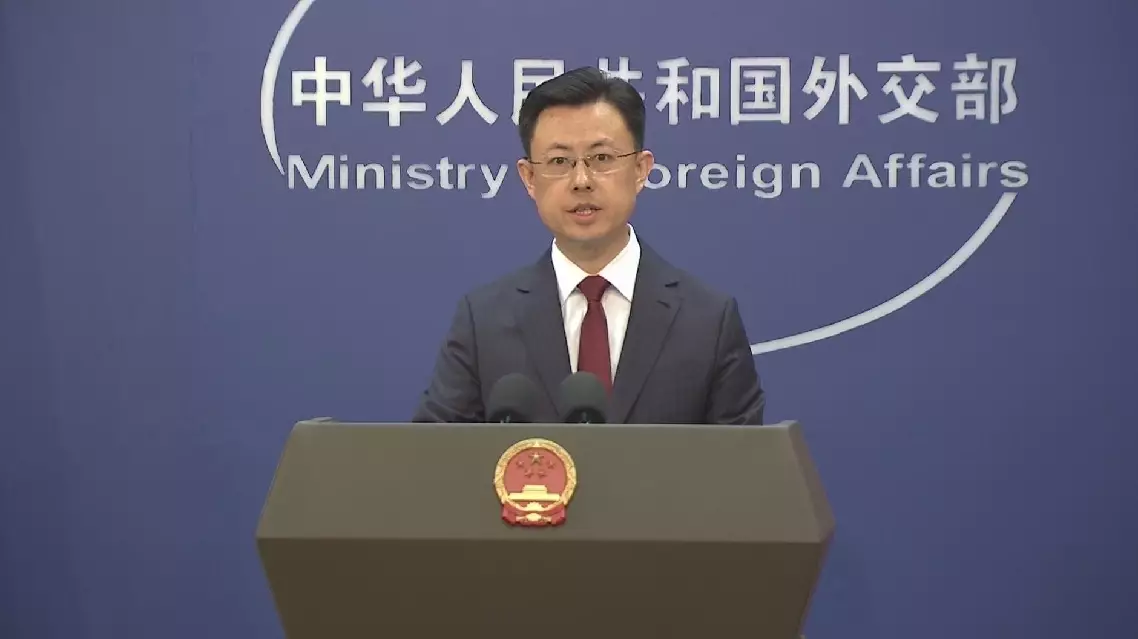
Guo Jiakun, the spokesman, made the remarks at a regular press briefing in Beijing when asked to comment on U.S. President Donald Trump's upcoming visit to China.
"Head-of-state diplomacy plays an irreplaceable strategic guiding role in China-U.S. relations. China welcomes President Trump's state visit to China. During the visit, the two heads of state will engage in an in-depth exchange of views on major issues concerning bilateral ties as well as world peace and development. China is willing to work with the U.S. in the spirit of equality, respect and mutual benefit to expand cooperation and manage differences, to inject more stability into a turbulent world,” he said.
At the invitation of Chinese President Xi Jinping, Trump will pay a state visit to China from May 13 to 15.
Xi and Trump met last time in October 2025 in Busan, the Republic of Korea.
Over the years, head-of-state diplomacy has anchored China-U.S. relations, serving as a stabilizing force amid shifting global currents. Since Trump's re-election, Xi has spoken with him by phone five times, maintaining close communication on bilateral ties and geopolitical issues.
China willing to work with U.S. to enhance cooperation, manage differences: spokesman
China willing to work with U.S. to enhance cooperation, manage differences: spokesman
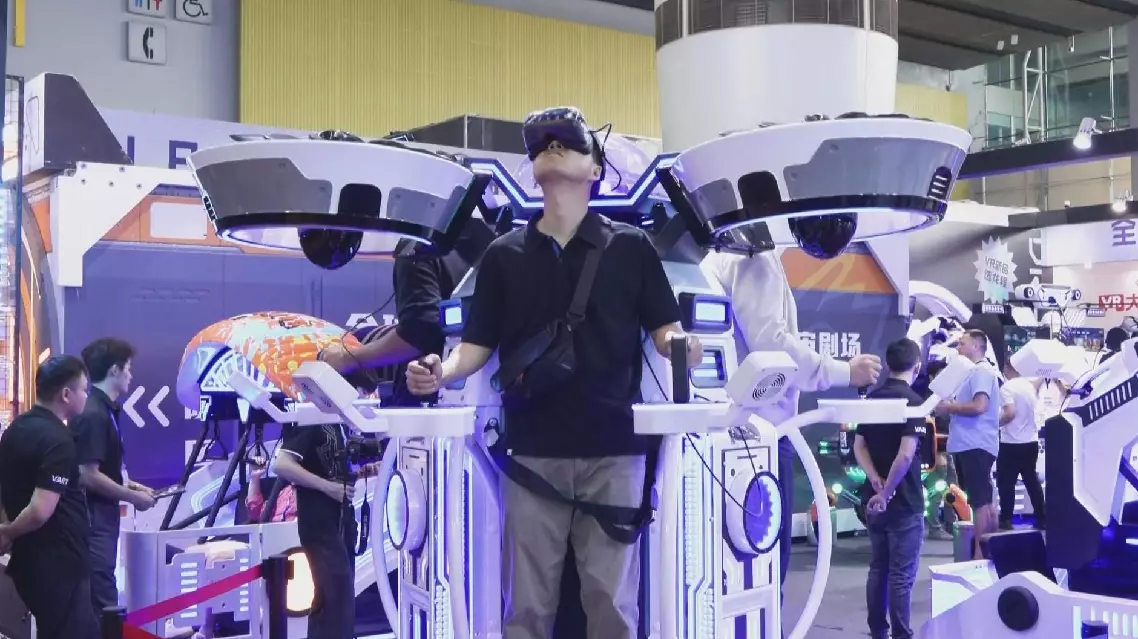
A dazzling lineup of virtual and augmented reality (VR/AR) technologies was on display at an immersive tech fair that just concluded on Tuesday in Guangzhou City, south China, captivating visitors with true-to-life and thrilling game experiences.
Held inside the China Import and Export Fair Complex, the three-day World VR/AR/XR/MR Industry and Smart Glasses Exhibition drew exhibitors from around the world to showcase their hottest immersive products, and tech enthusiasts couldn't wait to test the gadgets and gear firsthand.
"I just experienced the VR skydiving. The sense of weightlessness is very strong, and my experience is fantastic. It feels like real skydiving, but you can't stay for too long, as it's so real that you might get a bit dizzy," one visitor said.
A local company presented several products including a dome-screen theater that delivers glasses-free 3D visuals ideal for tourist attractions.
"The highlight is that we have turned the track-based theater into a dome theater. It offers a 3D audio-visual experience with 8K high-definition images. Our exclusive footage is incredibly sharp, and we've added immersive motion effects along with special effects like wind, rain, thunder, snowflakes, and bubbles," said Liu Jiale, sales manager of the exhibiting company.
The company landed an overseas order on the very first day of the expo, and saw a steady stream of curious visitors stopping by to try out the products.
Another overseas company showcased a VR large-space arena that allows multiple visitors to experience it at once. The game has already attracted players from 35 countries and regions.
"We come here every year to introduce new games. We have many clients, both Chinese and international, from countries like Kazakhstan, Spain, France, and many others. We offer seven VR games with new maps, and our games currently support eight foreign languages," said Denis, the company manager.
China is now home to over 35,000 VR firms, and the whole VR industry is forecast to exceed 350 billion yuan (about 50 billion U.S. dollars) by 2026.
Immersive VR games wow crowds at Guangzhou tech expo