Poland's agricultural sector has felt the squeeze from the geopolitical turmoil in the Middle East that has upended global energy and supply chains, with farmers facing soaring fertilizer prices and grappling with dwindling purchasing power.
The U.S.-Israeli war on Iran and the consequent blockade of the Strait of Hormuz, a critical strategic corridor handling one-quarter of global seaborne oil trade, as well as significant volumes of liquefied natural gas and vital fertilizers, have throttled global energy flows and caused fertilizer prices to spike.
Wiktor Szmulewicz, president of Poland's National Council of Agricultural Chambers, noted that global costs of fuel and nitrogen fertilizers, which are mainly produced from gas, have skyrocketed amid the current crisis in the Middle East.
He said that while Poland, as one of Europe's major fertilizer producers, owns its own nitrogen fertilizer plants, it has not been spared from the impact of the price hikes.
"So we in Poland have nitrogen plants that produce nitrogen, but they produce them on the basis of gas, which has become more expensive, so the prices of fertilizers have also increased. Many farmers have no choice but to buy in these fertilizers and the production costs will be much higher. Fertilizer costs are quite a significant expense of agricultural production, reaching 50 percent, and sometimes even more," he said.
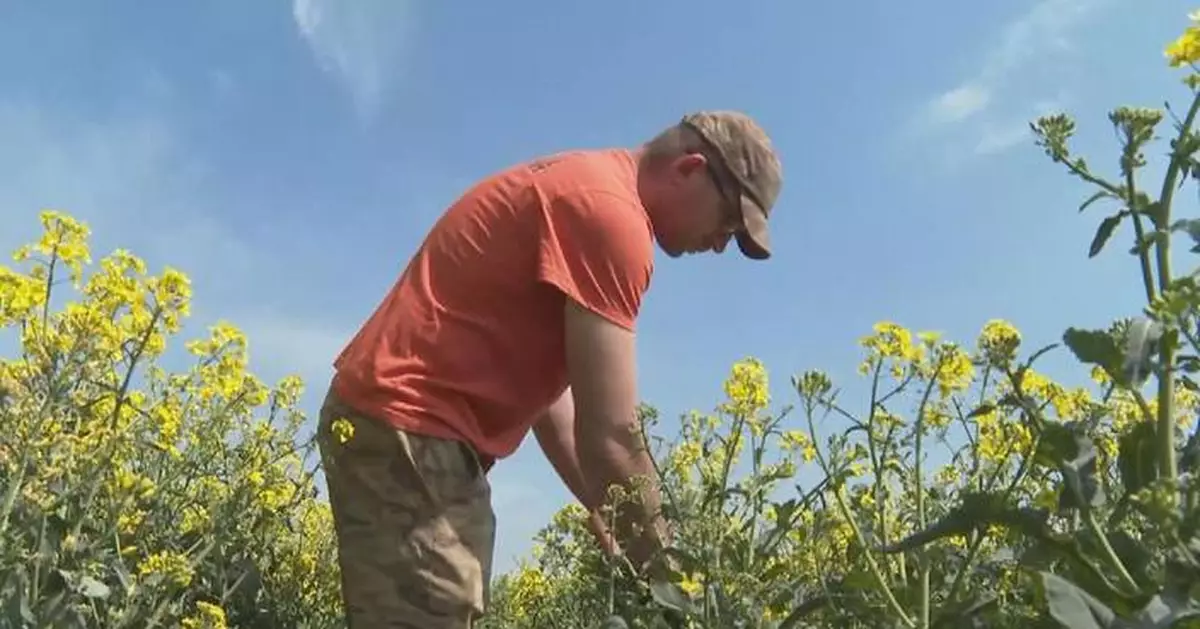
Facing these challenges, many farmers like Maciej Wroczyk are being forced to adjust their farming practices, and are now relying more heavily on organic fertilizers in a bid to reduce their expenses. He said he is turning his attention to his soybean crops to ride out the current storm.
"The soybeans don't need a lot of fertilizers. The soybeans don't need nitrogen fertilizers, so the cost of production are very, very much lower than on the other plants," said Wroczyk.
The knock-on effect is being felt widely, with rising fertilizer prices weakening farmers' purchasing power and squeezing profit margins for local fertilizer plants.
"Certainly, our fertilizer sales dropped about 40-50 percent. Of course, lower sales mean the company's margins are also decreasing," said Thomas Helechi, owner of a fertilizer factory.
Szmulewicz also said that tensions in the Strait of Hormuz have not only caused Polish agricultural production costs to soar, but have also hampered agricultural exports, further exacerbating the already difficult situation for the country's farmers.
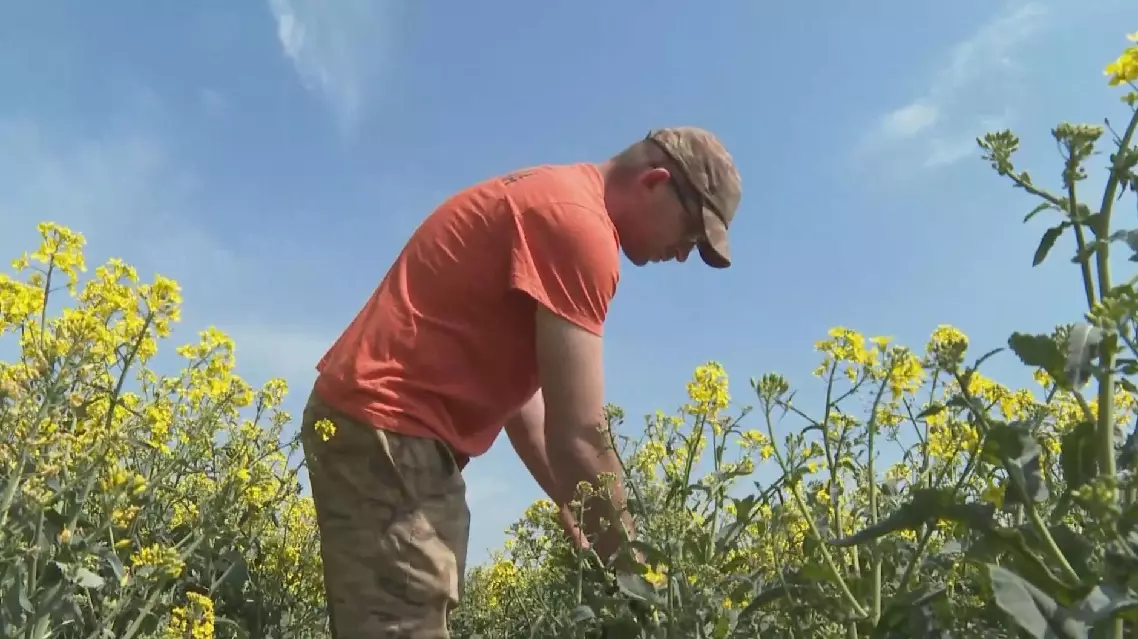
Polish farmers grappling with soaring fertilizer prices as Iran war bites
A shoe factory in Wenzhou City, east China's Zhejiang Province, has been working closely with its American partners to weather the sharp ups and downs in US tariff policies over the past year.
The city of Wenzhou is home to thousands of shoe factories, many of which focus on exports. About 1 in 12 pairs of shoes worldwide are made in the city.
Xuda Footwear in Wenzhou City, which manufactures for several major U.S. brands, saw its US orders drop about 40 percent year on year after tariff hikes began last year, according to vice general manager Lin Zhihua.
Then, despite widespread criticism and high volatility in U.S. stock markets after tariff hikes, last April, the White House clarified that the total effective tariff rate on Chinese imports had climbed to 145 percent.
The uncertainty prompted American clients to make practical adjustments. Yuan Weimin, head of Xuda Footwear's foreign trade department, said that clients asked the factory to leave retail prices blank on shoe tags, as final shelf prices in the U.S. remained unpredictable.
"The client felt the tariffs were going up and down, and were very unstable. So they started making some adjustments. For example, on the shoe price tags, we used to print the retail price. But they asked us to remove the price and just leave it blank," said Yuan Weimin, head of the foreign trade department of Xuda Footwear, as the sale price would probably be different when the shoes appeared on the U.S. shelves for customers.
Yuan said the uncertainty was also hitting the factory hard. While fearing last-minute order cancellations, Xuda continued production at the urging of its U.S. partners, who worried that halting orders would quickly empty American store shelves.
Some Americans showed solidarity with Chinese partners and chose to shoulder the risk of keeping things running. In one case, an American client paid for a large order but requested that the shoes not be shipped amid the high tariffs.
The moment of relief came in May, 2025. China and the United States reached a temporary agreement in Geneva, with U.S. tariffs on Chinese goods dropped from 145 percent to around 30 percent.
"By the end of June, production was back at scale. Because a 145 percent tariff isn't really workable for anyone," said Yuan.
Looking back on last year's turbulence, Lin said both he and his U.S. clients and partners were feeling stressed.
"It was a stressful time. Things were very unpredictable. Not just for us, but for the trading companies and the US clients too. Everyone was anxious," Lin said.
At the invitation of Chinese President Xi Jinping, U.S. President Donald Trump will pay a state visit to China from May 13 to 15.
Lin said he is looking forward to the U.S. president's visit.
"I'm actually looking forward to it. Him coming to China is in itself a sign that things might look up," said Lin.
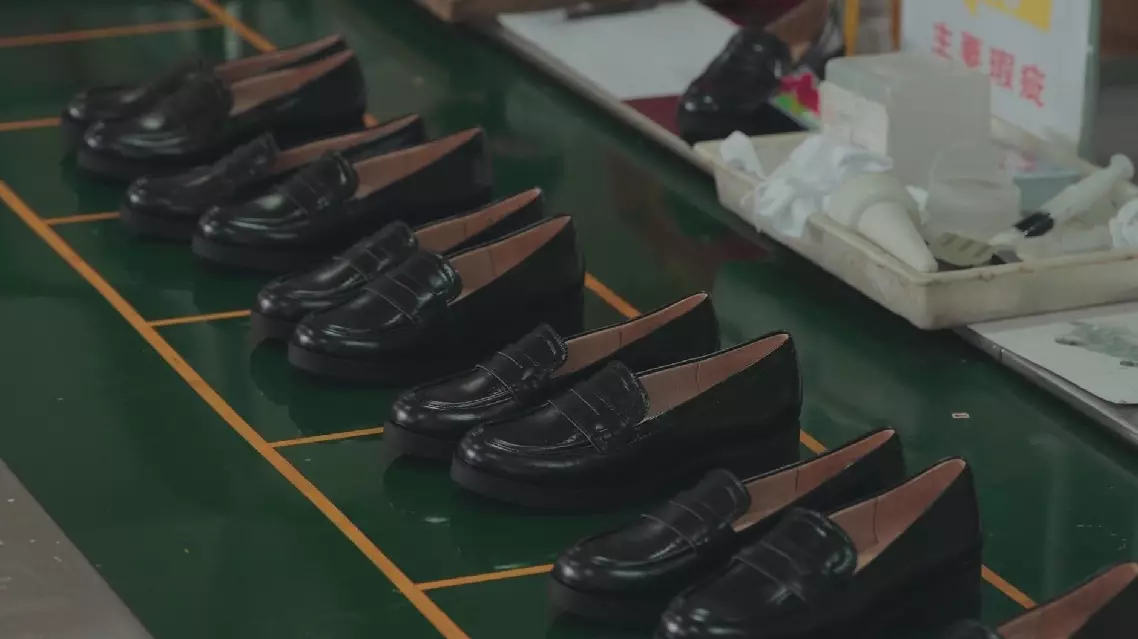
Chinese shoe factory navigates US tariff turbulence through close partnership