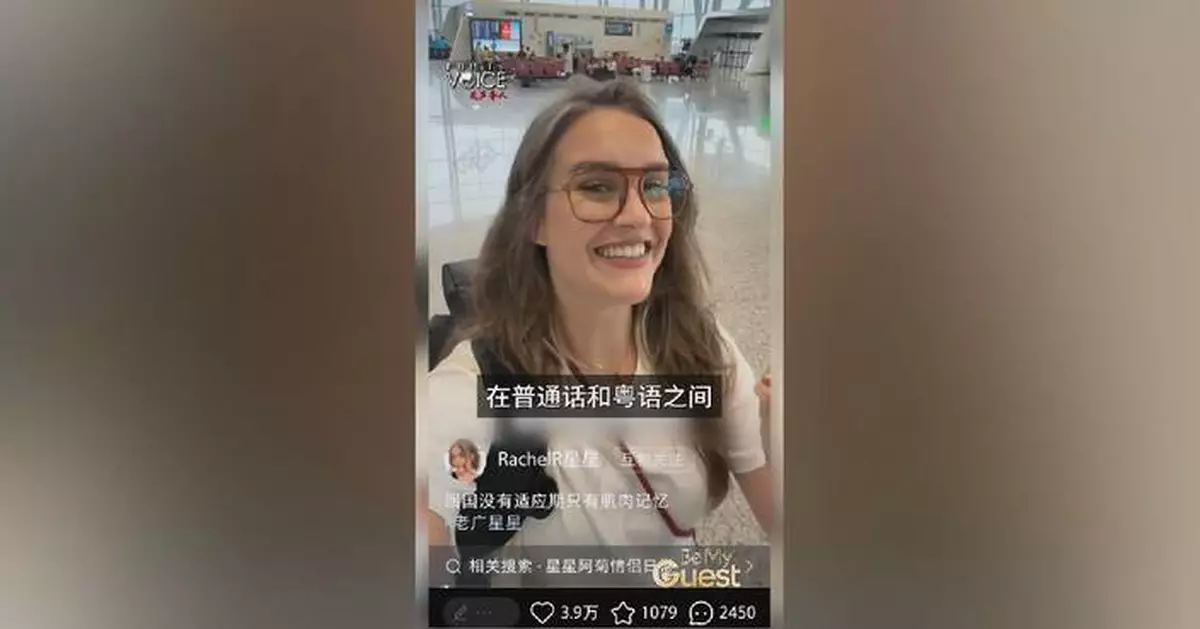
Living in China for more than 20 years, American influencer Rachel Rommeswinkel has become a viral sensation for her ability to alternate effortlessly between Mandarin and Cantonese, as well as her deep embrace of local culture.
As a bright young woman who looks like a foreigner but sounds just like a local, Rommeswinkel has been racking up millions of followers with her humorous videos about everyday life and showing the world a China that is convenient, vibrant, and welcoming.
She moved to China at the age of six, growing up in Dongguan City, Guangdong Province, raised by German and American parents who chose to immerse their family in the local culture.
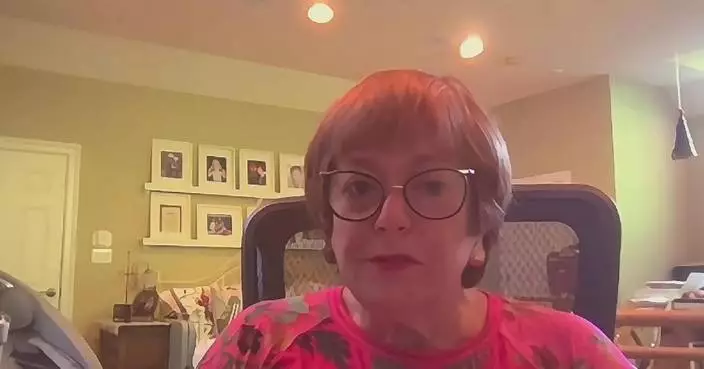
"My mom and my dad met and they just kind of wanted to explore China and to see. We were living in Hong Kong at the time. We were a family of seven in a very, very small apartment. And my dad came over to Dongguan and he was just like, 'wait, the quality of life here is a little bit better than I imagined.' It's a lot better than it was in Hong Kong and how far your money can go was a lot better in Dongguan. So he was just like, OK, let's have my kids learn Mandarin. Let's have them go to local schools. Let's have them explore this China phase. So, 'becoming Chinese' for me was 20 years ago," said the influencer, referring to a recent viral trend in which social media users explore aspects of Chinese culture and lifestyle.
Her online presence puts Rommeswinkel in a unique position to gauge how people around the world are reshaping their views on China. Thanks to the Internet and ever-increasing exchanges, she says, misunderstandings are rapidly turning into interest and curiosity.
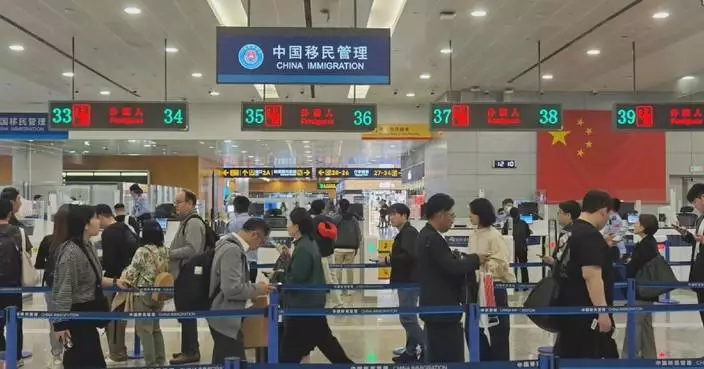
"I think everyone is so intrigued by China. It's finally at a certain point in technology, where people can do their own research and see the videos, and travel to China. Right now, it's so convenient. There's visa-free, there's flights all the time. And I think China will be very prepared for this because the street signs are in English. Not a lot of places, not a lot of countries will accommodate that. So WeChat, Alipay, they're all kind of in English now. So it's very convenient for foreigners to come," she said.
She added that, in her experience, life in China offers wide-ranging conveniences that many developed countries lack.
"I don't think (local) people appreciate it enough in China until they leave China or they travel. Then they will appreciate how convenient it is. Yesterday, I left the house, all I brought was my phone because I knew that I could get anything that I wanted outside. And imagine, I'm shopping or I suddenly have too much in my hands and it's so heavy and my wrist is hurting, I can just call 'Paotui' to come pick up the stuff in my hands and just deliver it to my door. And I know no one's going to take it. It's just gonna be there. And safety is very important," said Rommeswinkel.
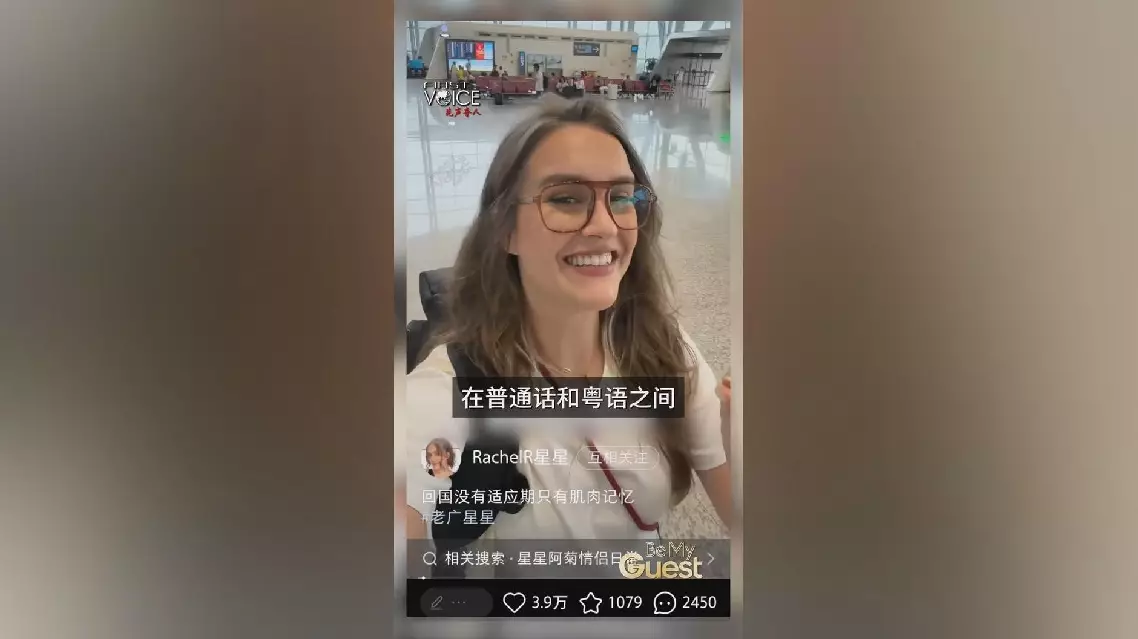
American influencer shares her life-long embrace of Chinese life with world