Skip to Content Facebook Feature Image

US overdose deaths fell again in 2025, but some worry about policy and drug supply changes

News

US overdose deaths fell again in 2025, but some worry about policy and drug supply changes
News

News

US overdose deaths fell again in 2025, but some worry about policy and drug supply changes

2026-05-13 22:57 Last Updated At:23:01

NEW YORK (AP) — About 70,000 Americans died of drug overdoses last year — about 14% fewer than the previous year, according to preliminary government data.

It was the third straight annual drop, making it the longest decline in decades, according to federal data released Wednesday. The 2025 total is about the same as the tally in 2019, before the COVID-19 pandemic.

Declines were seen across a number of drug types, including fentanyl, cocaine and methamphetamine. Overdose deaths fell in the vast majority of states, although seven saw at least slight increases, including jumps of 10% or more in Arizona, Colorado and New Mexico, the preliminary data from the Centers for Disease Control and Prevention showed.

“I’m cautiously optimistic that this represents really a fundamental change in the arc of the overdose crisis,” said Brandon Marshall, a Brown University researcher who studies overdose trends.

But the number of Americans dying from overdoses is still high, and deaths declined at a slower pace last year. A number of things could cause deaths to rise again — including government policy changes or a shift in the drug supply, Marshall and other researchers say.

“If deaths are going down rapidly, that means they can increase just as rapidly if we take our foot off the gas,” Marshall said.

U.S. overdose deaths were generally rising for decades, but they shot up dramatically during the pandemic, peaking at nearly 110,000 in 2022. The pandemic spike was associated with social isolation and difficulties accessing addiction treatment.

Deaths declined as the pandemic waned. Researchers have pointed to numerous possible factors: an increase in the availability of the overdose-reversing drug naloxone, expanded addiction treatment, shifts in how people use drugs, and the growing impact of billions of dollars in opioid lawsuit settlement money.

Some research also suggests the number of people likely to overdose has been shrinking, as fewer teens take up drugs and many illicit drug users have died. Another theory suggests regulatory changes in China a few years ago appear to have diminished the availability of precursor chemicals used to make fentanyl.

The nation's decades-long overdose epidemic has played out at different paces in different parts of the country, due at least in part to differences in the illicit drug supply and what people are using. The death increases last year in Arizona, Colorado and New Mexico could stem from more combined use of fentanyl and methamphetamine recently in those places, Marshall guessed.

Health and law enforcement officials in recent months have been sounding alarms about newer drugs that were increasingly detected in 2025.

Alex Krotulski is director of the Center for Forensic Science Research and Education, a federally funded toxicology lab in Horsham, Pennsylvania, that is an important part of a national illicit drug early warning system.

In all of last year, the lab identified 27 new drugs. Less than five months into 2026, the lab already has identified 23, he said.

Among the drugs on the lab’s radar is cychlorphine, a potent synthetic opioid described as up to 10 times stronger than fentanyl. Experts say it is being used as a cutting agent, added to other illicit drugs, without the buyer’s knowledge.

“The drug supply continues to change and evolve,” Krotulski said.

Meanwhile, the Trump administration has been cutting programs designed to reduce overdose deaths and infections tied to drug use. In a letter last month, the federal Substance Abuse and Mental Health Services Administration notified federal grant recipients that the government would no longer pay for test strips and kits that help drug users see if their drugs contain highly-lethal additives.

Officials say they are shifting away from services that facilitate illicit drug use, including clean syringes and hotlines that people can dial into while they use drugs.

Last week, a group of women who lost children to overdoses spoke with reporters to protest government policies that emphasize punishment and incarceration.

Kimberly Douglas founded one group, Black Moms Against Overdose, after her 17-year-old son died.

“We are starting to see overdoses go down in some places and that’s because of harm reduction” services like those being targeted by the Trump administration, she said.

The Associated Press Health and Science Department receives support from the Howard Hughes Medical Institute’s Department of Science Education and the Robert Wood Johnson Foundation. The AP is solely responsible for all content.
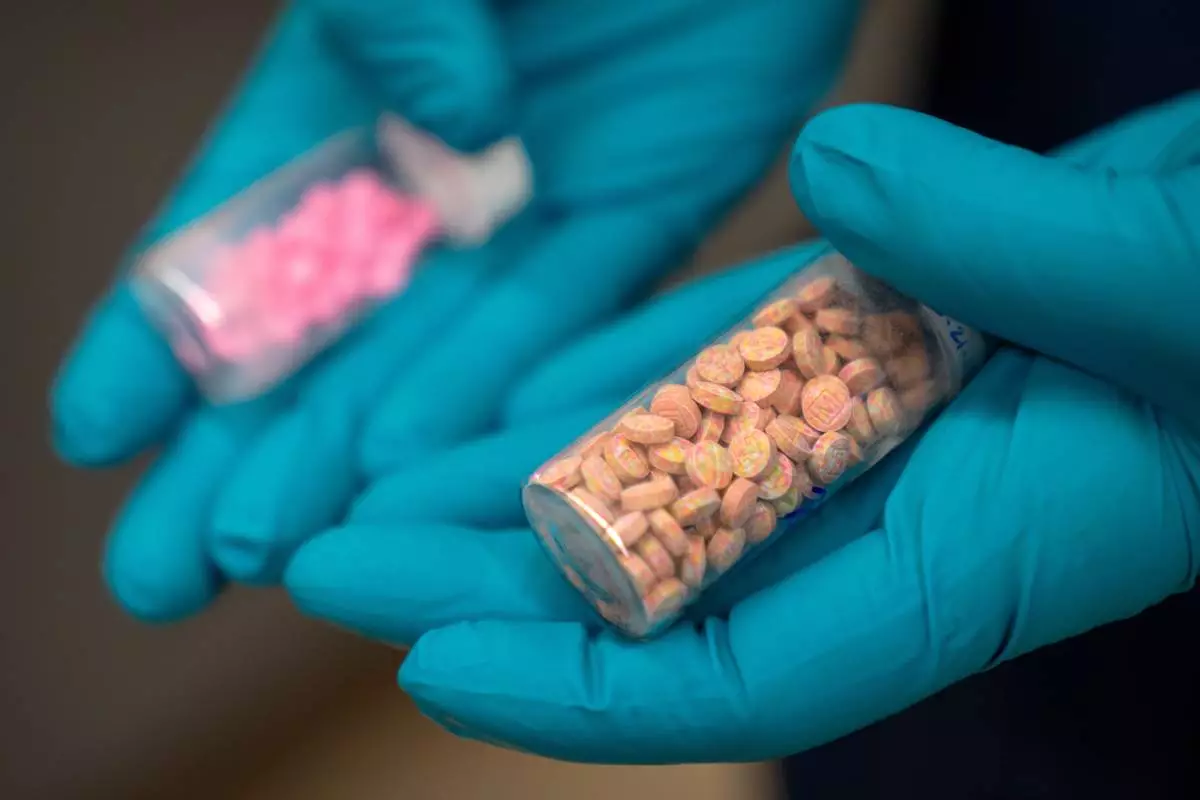
FILE - Jonathan Dumke, a senior forensic chemist with the Drug Enforcement Administration, holds vials of fentanyl pills at a DEA research laboratory on April 29, 2025, in Northern Virginia. (AP Photo/Mark Schiefelbein, File)
FILE - Jonathan Dumke, a senior forensic chemist with the Drug Enforcement Administration, holds vials of fentanyl pills at a DEA research laboratory on April 29, 2025, in Northern Virginia. (AP Photo/Mark Schiefelbein, File)

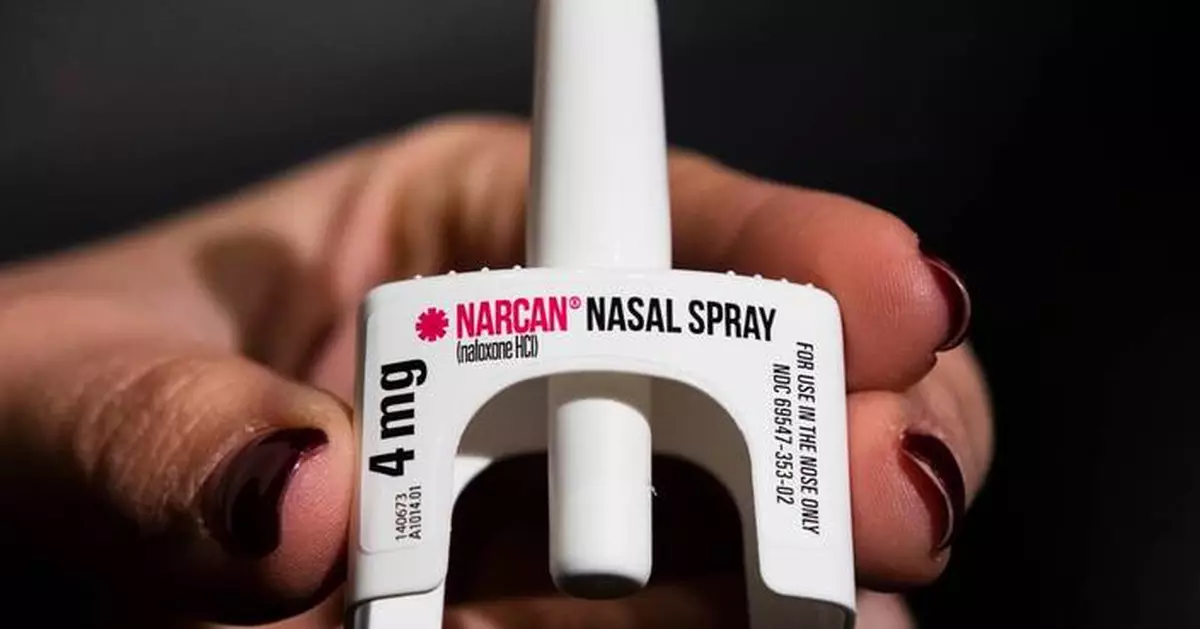
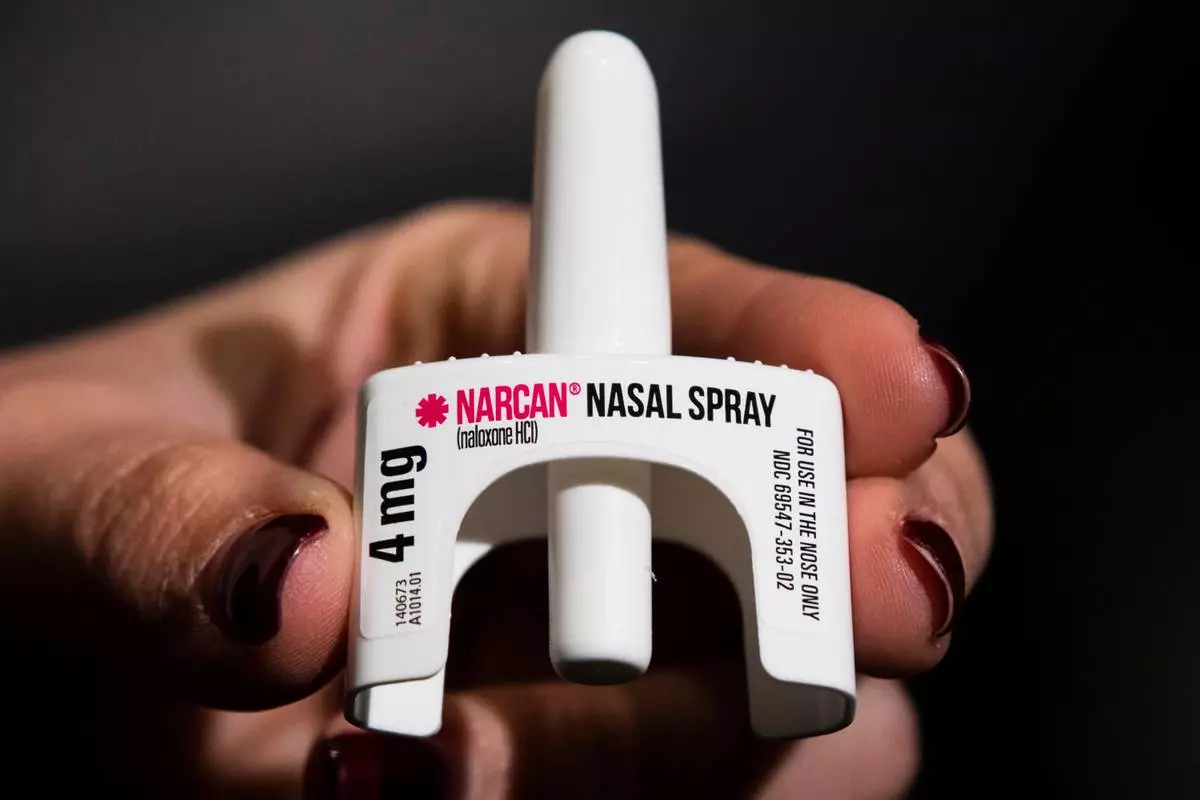
FILE - The overdose-reversal drug Narcan is displayed during training for employees of the Public Health Management Corporation (PHMC), Dec. 4, 2018, in Philadelphia. (AP Photo/Matt Rourke, File)

FILE - The overdose-reversal drug Narcan is displayed during training for employees of the Public Health Management Corporation (PHMC), Dec. 4, 2018, in Philadelphia. (AP Photo/Matt Rourke, File)
WASHINGTON (AP) — U.S. wholesale inflation came in hot last month. Producer prices rose 6% from a year earlier, the highest point in more than three years, as the Iran war pushes up energy prices and intensifies pressure on companies to pass along their rising costs to consumers.

The Labor Department reported Wednesday that its producer price index — which tracks inflation before it hits consumers — shot up 1.4% in April, the biggest monthly gain in more than four years.

Energy prices climbed 7.8% from March to April and 22.7% from a year earlier. Gasoline soared 15.6% from March and diesel, the dominant fuel used in shipping, jumped 12.6%.

Gasoline prices, which have already become painful for many Americans, rose again overnight to a national average of $4.51 per gallon, according to motor club AAA.

Excluding volatile food and energy costs, so-called core producer prices rose 1% from March and 5.2% from April 2025.

All of the numbers released Wednesday caught economists off guard and altered the dynamic at the U.S. Federal Reserve and its fight against inflation.

Prices are rising at time when Americans are already frustrated by the high cost of living. Affordability is likely to be a key issue when voters go to the polls Nov. 3 to determine whether President Donald Trump’s Republican Party maintains control of the U.S. Senate and House of Representatives.

“This report will set off alarm bells at the Fed and add fuel to the political conversation about affordability,″ wrote Carl Weinberg, chief economist at High Frequency Economics. “The results are so far above expectations that this update will set off alarm bells in the financial markets, too.″

After the United States and Israel attacked Iran on Feb. 28, Tehran closed off access to the Gulf of Hormuz, through which a fifth of the world’s oil and liquefied natural gas passes.

Wednesday’s report showed a big uptick in shipping costs. The wholesale cost of truck transportation of freight shot up more than 8% from March and air freight rose 3.6% for the month.

“Diesel fuel is also crucial for food prices, as it powers farm equipment along with commercial shipping and trucking,” wrote Grace Zwemmer, US Economist at Oxford Economics. “Food prices rose by a muted 0.2% in April, much stronger than the 0.6% decline seen in March, and it’s possible they will face upward pressure from higher fuel prices the longer the war persists.”

Wholesale prices can offer an early look at where consumer inflation might be headed.

Already this week, the Labor Department said that its closely watched consumer price index jumped 3.8% last month from April 2025 — the biggest year-over-year increase in more than three years. That has begun to appear in everything from what Americans pay for air travel, both tickets and baggage fees, to more expensive soap and toothpaste.

Walmart, a company famous for its intense focus on low prices, already announced rare price hikes last year, and the rising costs may intensify pressure to do so again. It is not alone.

Whirlpool, which makes KitchenAid and Maytag appliances, reported this month that its revenue dropped nearly 10% in its most recent quarter and said that the war has caused a “recession-level industry decline″ that has undermined consumer confidence. It had announced a 10% price hike in April, its largest in a decade, and said another 4% price increase is coming in July.

The cost of credit, which had been in decline, has been frozen in place.

Before the Iran war, the Fed had been expected to cut its benchmark interest rate in 2026. But it has turned cautious as it waits to see how long the conflict lasts and whether higher energy prices spill over into other products and cause a broader inflationary outbreak.

Trump has attacked the Fed and its outgoing chair, Jerome Powell, for refusing to slash rates to boost the economy. Kevin Warsh, the president’s hand-picked choice to succeed Powell, is expected to be confirmed by the Senate this week; but it’s unclear whether Warsh would pursue lower rates given the uncertainty caused by the war — or whether he could persuade his colleagues on the Fed’s rate-setting committee to go along if he tried.

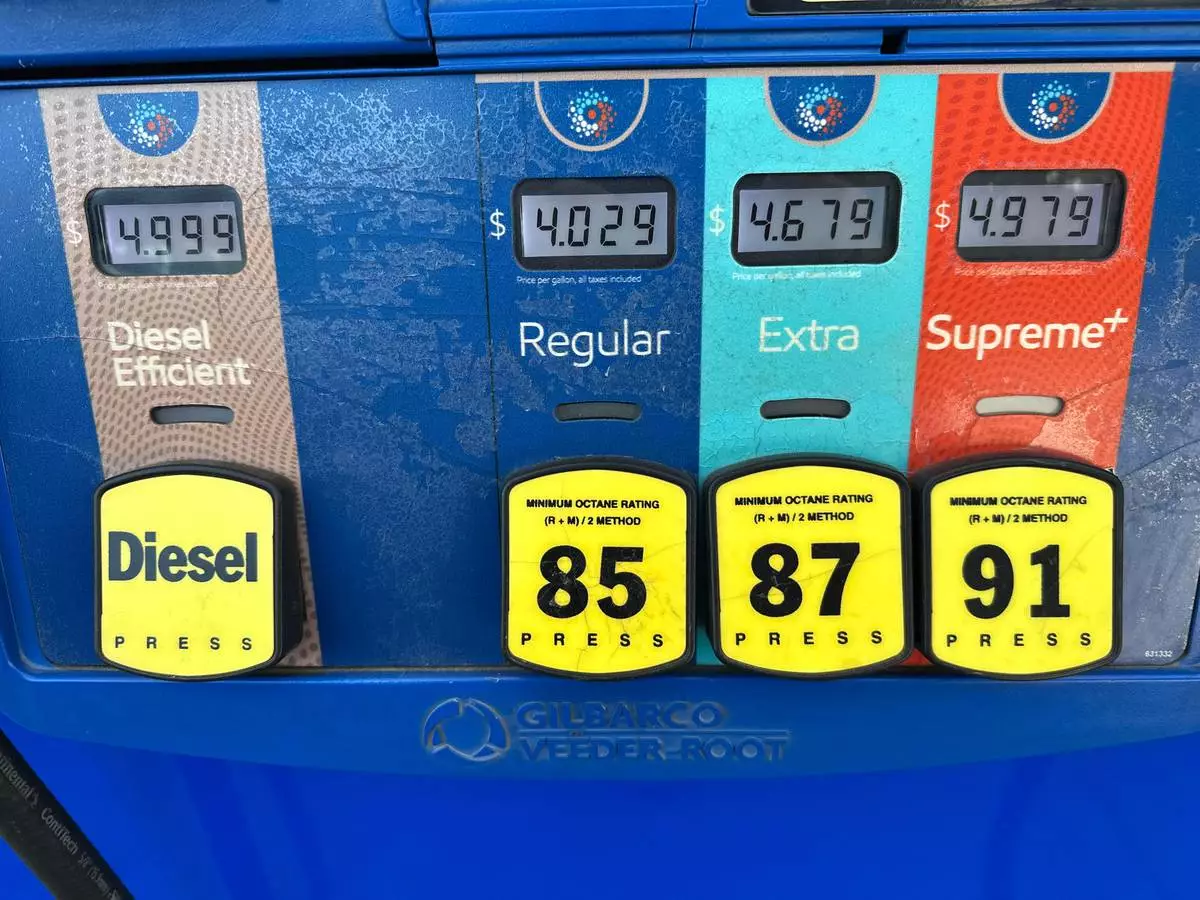
The per-gallon price is displayed electronically above the grades of gasoline available from a pump at an Exxon gasoline station in Litttleton, Colo., Tuesday, May 12, 2026. (AP Photo/David Zalubowski)

The per-gallon price is displayed electronically above the grades of gasoline available from a pump at an Exxon gasoline station in Litttleton, Colo., Tuesday, May 12, 2026. (AP Photo/David Zalubowski)

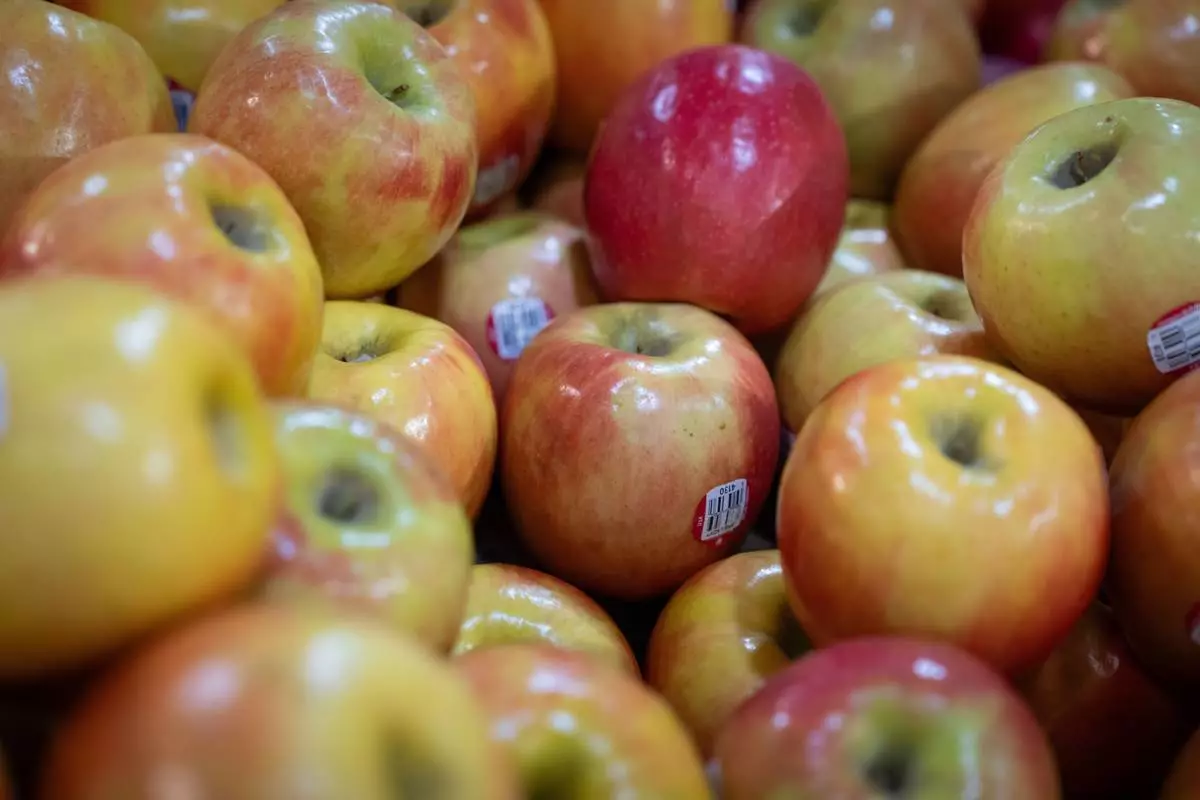
Apples are displayed for sale in the produce section of a grocery store on Monday, May 11, 2026, in Portland, Ore. (AP Photo/Jenny Kane)

Apples are displayed for sale in the produce section of a grocery store on Monday, May 11, 2026, in Portland, Ore. (AP Photo/Jenny Kane)

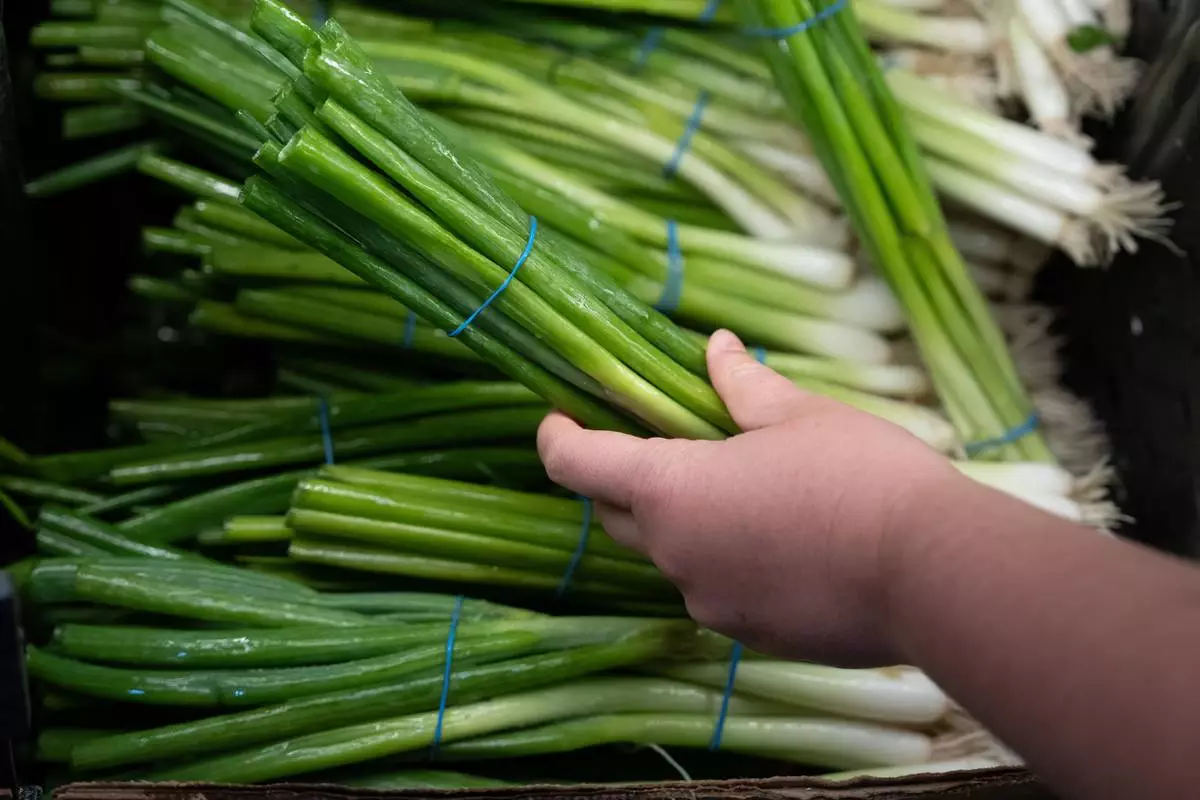
A customer picks up scallions for sale in the produce section of a grocery store on Monday, May 11, 2026, in Portland, Ore. (AP Photo/Jenny Kane)

A customer picks up scallions for sale in the produce section of a grocery store on Monday, May 11, 2026, in Portland, Ore. (AP Photo/Jenny Kane)

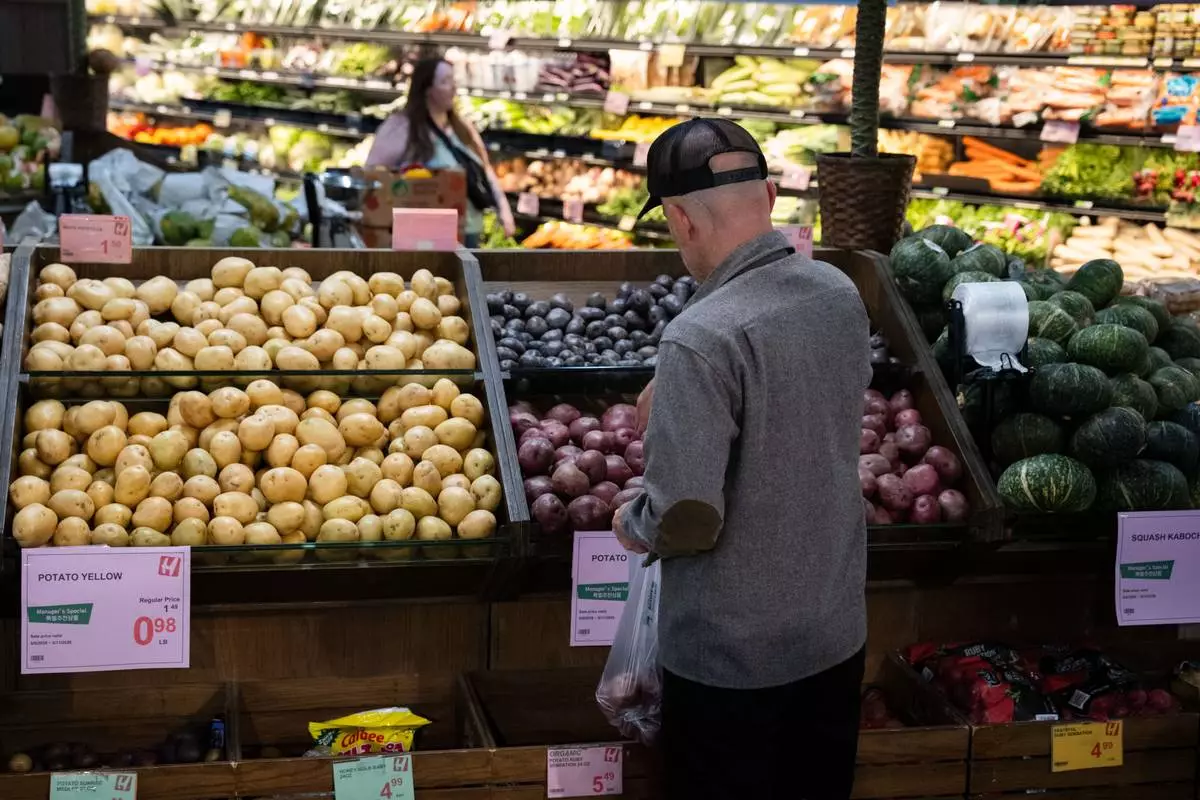
Customers shop in the produce section of a grocery store on Monday, May 11, 2026, in Portland, Ore. (AP Photo/Jenny Kane)

Customers shop in the produce section of a grocery store on Monday, May 11, 2026, in Portland, Ore. (AP Photo/Jenny Kane)

Recommended Articles