LONDON (AP) — Meta Platforms said Wednesday it's rolling out an “incognito” mode for WhatsApp users to have private conversations with its AI chatbot, a move intended to ease privacy concerns about sensitive information that users share in chats.
The social media company said in a blog post that incognito chat mode provides a way to have private, temporary conversations with Meta AI, its artificial intelligence assistant that's been available on WhatsApp for a few years.
Messages will be processed in a “secure environment" that even Meta can't access, won't be saved by default and will disappear when exiting a session, Meta said.
Generative AI systems have been dogged by privacy concerns because the large language models that underpin these systems are trained on vast troves of data, sometimes including personal information provided by users themselves in their conversations with AI chatbots.
Rival chatbot makers already have some privacy features. Google's Gemini chatbot has the option to disable chat history and opt out of allowing one's data to be used in training its AI models. ChatGPT has similar controls.
Meta says it's rolling out incognito chats because users often ask chatbots sensitive questions or include private financial, personal, health or work data in their questions.
“We’re starting ask a lot of meaningful questions about our lives with AI systems, and it doesn’t always feel like you should have to share the information behind those questions with the companies that run those AI systems,” Will Cathcart, Meta’s head of WhatsApp, told reporters.
Incognito chat mode has safety features to prevent the chatbot from answering questions about harmful topics, Cathcart said.
It will “steer the user towards helpful information if it can and then refuse (to answer) and eventually even just stop interacting with the user completely,” Cathcart said.
Users will only be able to type in questions and get text responses; they won't be able to upload or generate images. They'll also have to confirm their age because Meta doesn't allow users under 13 on its platforms.

FILE - A WhatsApp icon is displayed on an iPhone, Nov. 15, 2018, in Gelsenkirchen, Germany. (AP Photo/Martin Meissner, File)
KYIV, Ukraine (AP) — Russia fired at least 800 drones in a massive daytime attack Wednesday on about 20 regions of Ukraine, killing at least six people and wounding dozens, including children, President Volodymyr Zelenskyy said.
The prolonged barrage began in midmorning and lasted for hours, hitting the capital of Kyiv, the western city of Lviv near Poland, and the port of Odesa on the Black Sea, among other population centers, he said on the Telegram messaging app.
“Our soldiers are defending Ukraine, but Russia’s obvious goal is to overload air defenses,” Zelenskyy said, as the bombardment stretched into the late afternoon. He cautioned that a cruise and ballistic missile attack could follow the drone barrage.
It was “one of the longest, massive Russian attacks against Ukraine,” he said on social media.
Moscow’s attacks on its neighbor are unrelenting, even as Ukraine is emboldened by its recent military accomplishments and as U.S. President Donald Trump and Russian President Vladimir Putin said — without providing evidence — that the 4-year-old war could be approaching an end.
On Tuesday, Zelenskyy said, 14 Ukrainian regions came under attack, followed by overnight strikes on Ukraine’s residential, energy and railway infrastructure.
“It is important to support Ukraine and not remain silent about Russia’s war. Every time the war disappears from the top of the news, it encourages Russia to become even more savage,” Zelenskyy said, apparently referring to the world's attention being focused on the Iran war.
Trump said Tuesday said he believes Moscow and Kyiv will soon reach a deal to end fighting.
“The end of the war in Ukraine I really think is getting very close,” Trump told reporters as he left the White House for a summit in Beijing. “Believe it or not, it’s getting closer.”
Putin said in a speech last weekend that his invasion of Ukraine is possibly “coming to an end.”
Neither leader elaborated on what persuaded them about the possibility of peace in Europe’s longest conflict since World War II. U.S.-led diplomatic efforts over the past year to end the war have fizzled after making no progress on key issues, such as whether Russia gets to keep Ukrainian land it has seized and what can be done to deter Moscow from invading again.
Kremlin spokesman Dmitry Peskov indicated Wednesday that Moscow’s fundamental terms are unchanged, with Putin insisting that Ukraine pull its troops from the four regions — Donetsk, Luhansk, Kherson and Zaporizhzhia — that Russia illegally annexed in September 2022 but hasn't fully captured.
“At that point, a ceasefire will be established, and the parties can calmly engage in negotiations, which, incidentally, will inevitably be very complex and involve a lot of important details,” Peskov said.
Zelenskyy vowed to keep pressure on Moscow to make concessions in talks.
“We’re not giving up on diplomatic efforts, and we hope that pressure on Russia, together with negotiations in different formats, will help bring peace,” he said in a speech Wednesday in Bucharest, Romania, to representatives of countries on NATO's eastern flank.
“Sanctions are working, our long-range (drone and missile) capabilities are working, and every form of pressure is working,” he said.
Meanwhile, European governments are assessing the merits of opening talks with Putin. Europe has for years tried to isolate the Russian leader and punished his country with international sanctions.
The correlation of forces in the war has shifted in recent months. Ukraine has gone from pleading for international help with its defense to offering foreign countries its expertise on how to counter attacks, thanks to its domestically developed drone technology.
Ukraine’s long-range drone and missile attacks have disrupted energy facilities and manufacturing deep inside Russia, with three regions reporting strikes Wednesday. The Russian Defense Ministry said that its forces intercepted and destroyed 286 Ukrainian drones over Russian regions, the illegally annexed Crimean Peninsula, the Azov Sea and the Black Sea.
On the 1,250-kilometer (780-mile) front line, the advance of Russia’s bigger and better-equipped army has been slowing every month since October, according to the Institute for the Study of War.
Russia’s spring offensive has floundered, with Russian forces recording a net loss of territory last month for the first time since 2024, the Washington-based think tank said.
“Not only are Ukrainian defensive lines holding, but Ukrainian forces have managed to contest the tactical initiative in several areas of the front line even as Russia continues to lose disproportionate amounts of manpower to achieve minimal gains,” the ISW said Tuesday.
Hatton reported from Lisbon, Portugal.
Follow the AP’s coverage of the war at https://apnews.com/hub/russia-ukraine
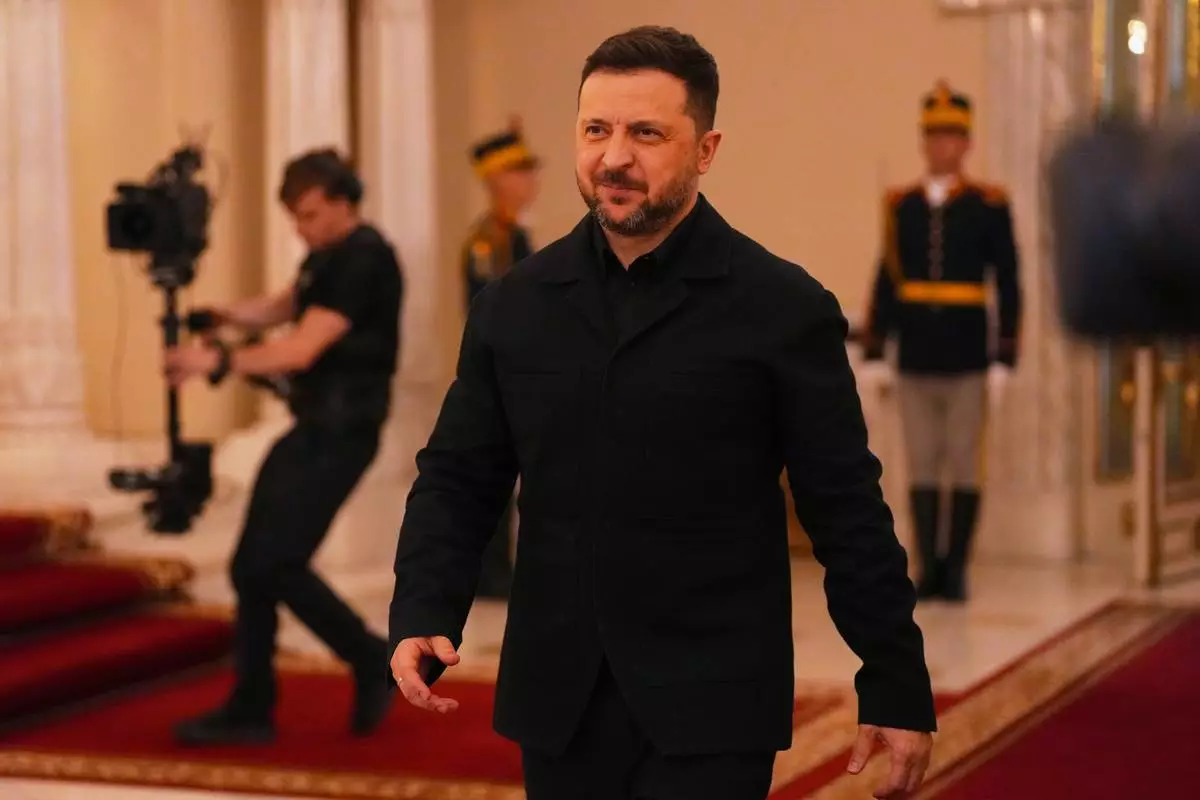
Ukraine's President Volodymyr Zelenskyy arrives at the Bucharest B9 summit held at the Cotroceni Presidential Palace in Bucharest, Romania, Wednesday, May 13, 2026. (AP Photo/Vadim Ghirda)
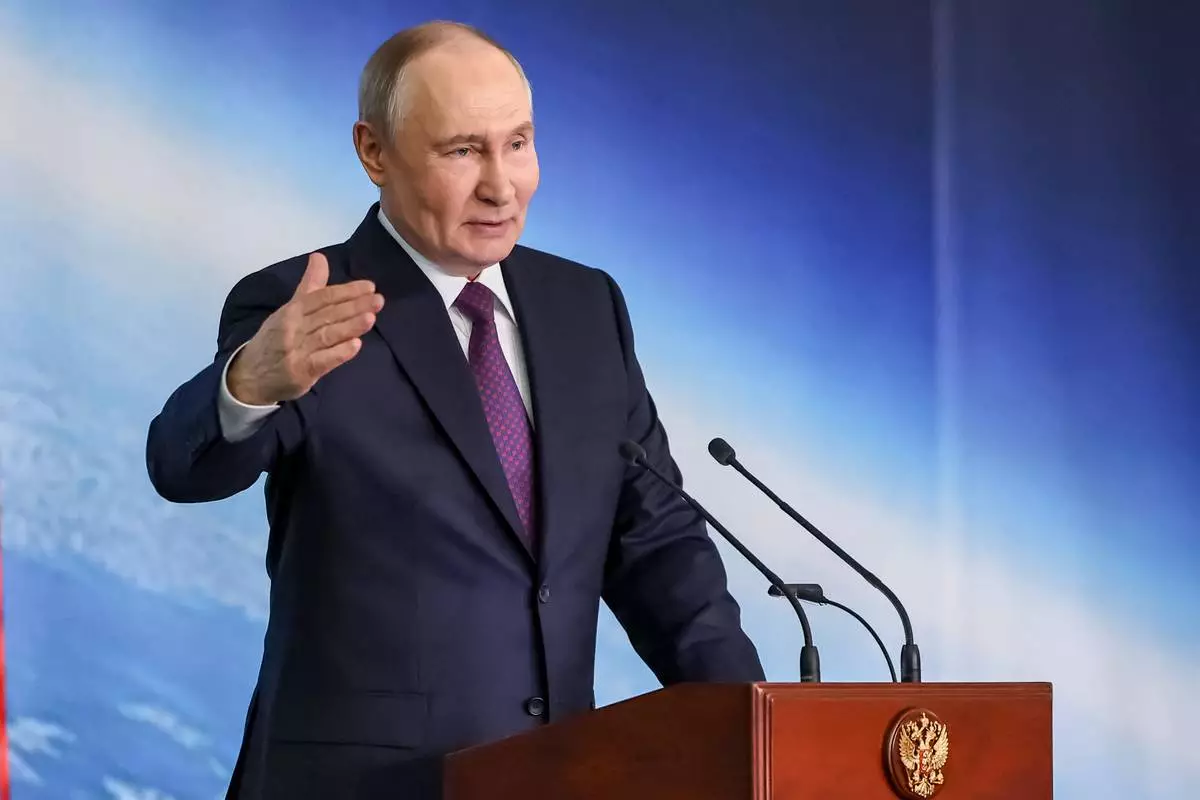
Russian President Vladimir Putin speaks at the awarding ceremony for the Order "For Valiant Labor" to employees of the Moscow Institute of Thermal Technology, part of the Roscosmos state space corporation, in Moscow, Wednesday, May 13, 2026. (Vyacheslav Prokofyev/Sputnik, Kremlin Pool Photo via AP)
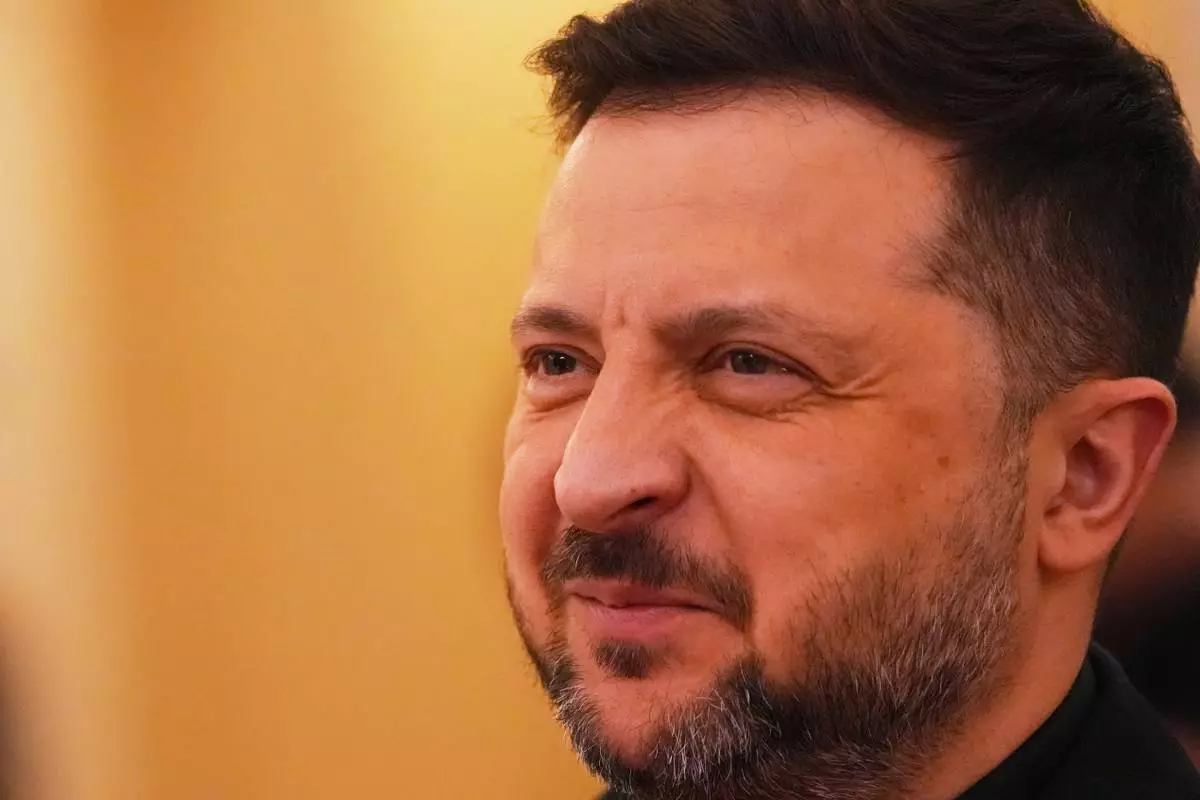
Ukraine's President Volodymyr Zelenskyy arrives at the Bucharest B9 summit held at the Cotroceni Presidential Palace in Bucharest, Romania, Wednesday, May 13, 2026. (AP Photo/Vadim Ghirda)
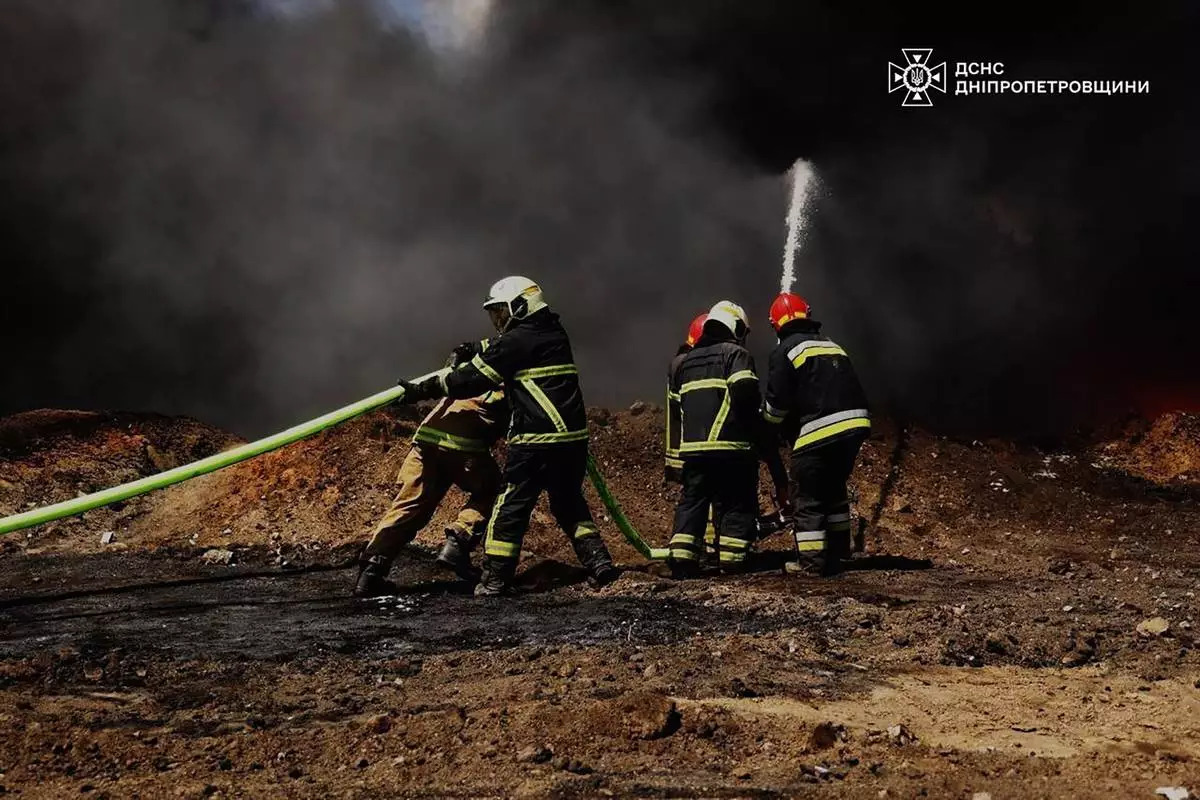
In this photo provided by the Ukrainian Emergency Service, emergency services personnel work to extinguish a fire following a Russian drone attack on a gas pipeline in Dnipropetrovsk region, Ukraine, Wednesday, May 13, 2026. (Ukrainian Emergency Service via AP)
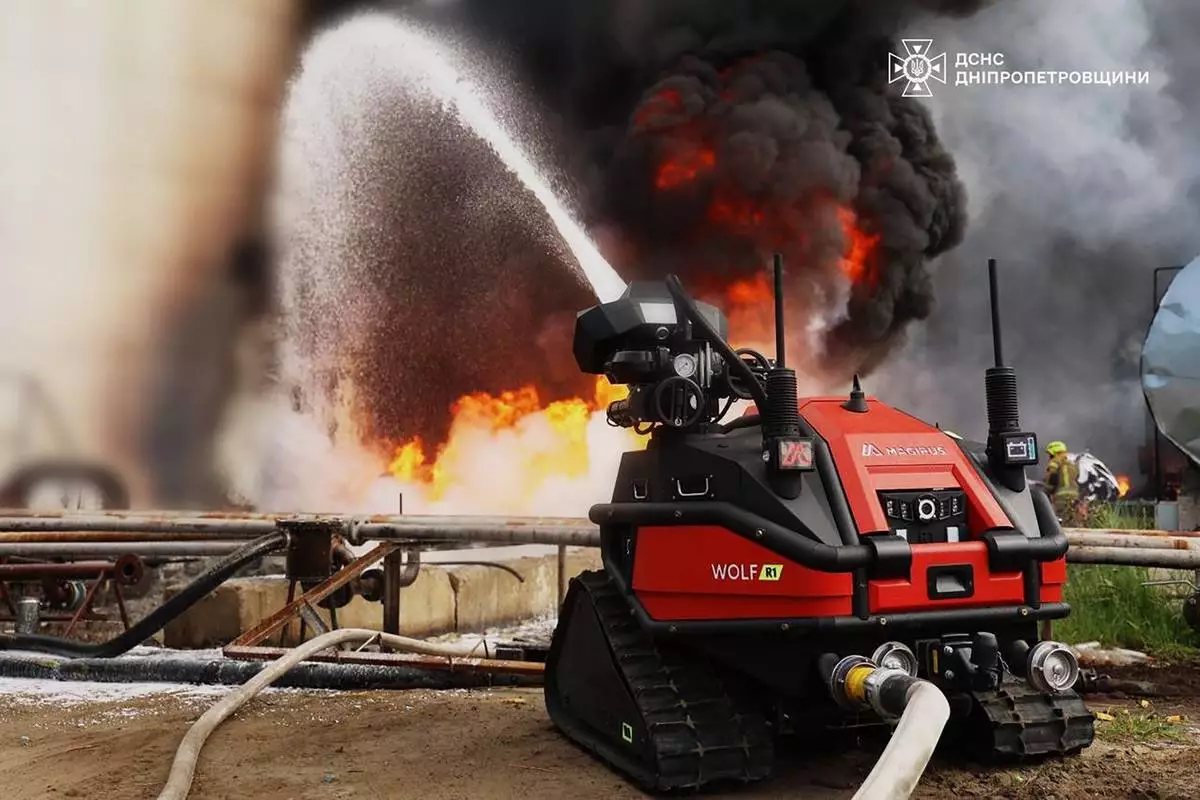
In this photo provided by the Ukrainian Emergency Service, emergency services personnel work to extinguish a fire following a Russian drone attack on a gas pipeline in Dnipropetrovsk region, Ukraine, Wednesday, May 13, 2026. (Ukrainian Emergency Service via AP)