Space "artificial embryo" samples and other life science experiments delivered by the Tianzhou-10 cargo spacecraft have been installed into experiment modules aboard China's Tiangong space station, the Technology and Engineering Center for Space Utilization under the Chinese Academy of Sciences (CAS) said on Wednesday.
The "artificial embryos" are stem cell-derived artificial human embryos. The embryos, though not true life forms and unable to develop into human babies, will help simulate the earliest stages of human development.
Once the experiments are completed, the artificial embryo samples will be frozen in orbit and then returned to Earth on a future mission for side-by-side analysis with ground-based controls in laboratories on the ground.
This effort is part of a broader suite of 41 space science experiments being deployed aboard Tiangong, supporting its latest round of research on the orbiting laboratory.
China launched the Tianzhou-10 cargo craft from the Wenchang Spacecraft Launch Site on Monday morning.
Tianzhou-10 is expected to remain docked in orbit for one year. Since the Tianzhou series cargo ships entered service, their mission durations have increased from about six months to nine-ten months, according to the China Aerospace Science and Technology Corporation.
The mission is the fifth cargo resupply flight of China's manned space program since the space station entered its application and development phase. It is also the 641st mission of the Long March rocket series.
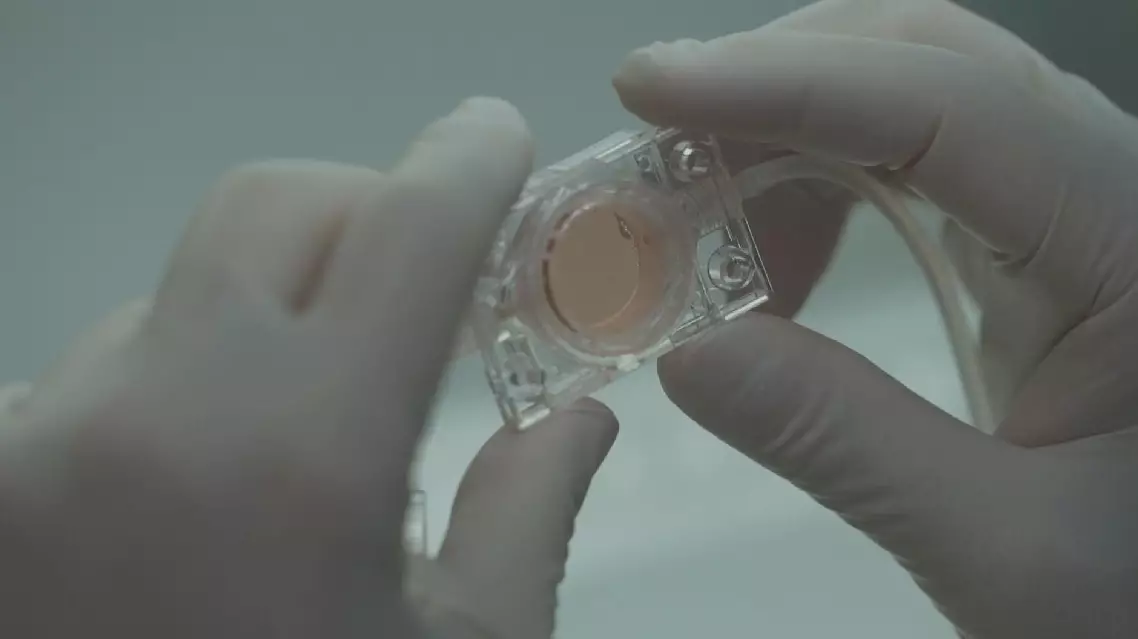
Artificial embryo samples aboard Tiangong Space Station for life science research
Global buyers are converging on the ongoing 140th China Import and Export Fair in Guangzhou, south China's Guangdong Province, where competing suppliers gathered under one roof allow them to compare products, quality and prices side by side, with many extending their trips beyond the exhibition halls to the factory floors that ring the city.
Also known as the Canton Fair, the biannual event is China's largest and longest-running comprehensive trade fair and a widely watched barometer of the country's foreign trade.
For the buyers streaming through the bustling halls, the fair's value lies in that concentration, the ability to move between countless suppliers in a single space and weigh offers directly against one another.
"The beauty about Canton Fair is all these different suppliers are all together. So you can go from one supplier to another, to another. Compare their products, quality as well as price, and you put them all together and then you make a decision. Makes it absolutely fantastic. We would like to come again and again and again. Once you come to China once, you will come many times. Next year, we will be here again," said Humphrey Muturi, a buyer from Kenya.
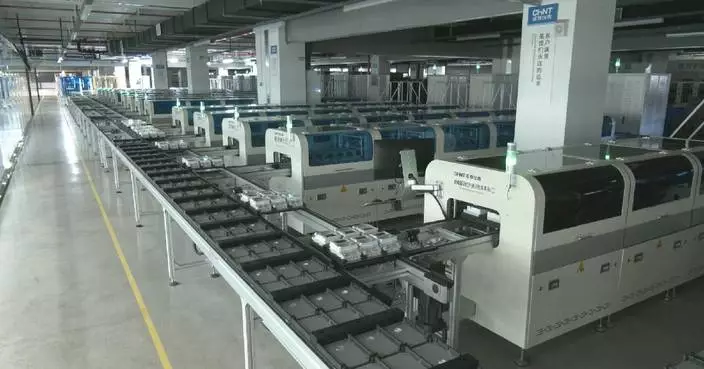
The sourcing journey often continues well beyond the exhibition venue, as Guangzhou sits in the Pearl River Delta, one of China's manufacturing heartlands, where many factories lie just an hour's drive from the fairgrounds.
Buyers frequently take the opportunity to visit production sites in person, where they can observe assembly lines in operation and see the manufacturing process up close.
"Once you go to one company, you get to learn all the manufactured items, you go to the next, you can compare how they operate. You can come to [understand and learn critical information], you can ask them questions and interact, and give them the specification that you are looking for. And they help very fast," said Titus Muthomi, another buyer from Kenya.
That direct access is backed by China's complete industrial chain and stable manufacturing capability, which enable suppliers to offer full-package solutions and customized services to overseas buyers, rather than one-off sales.
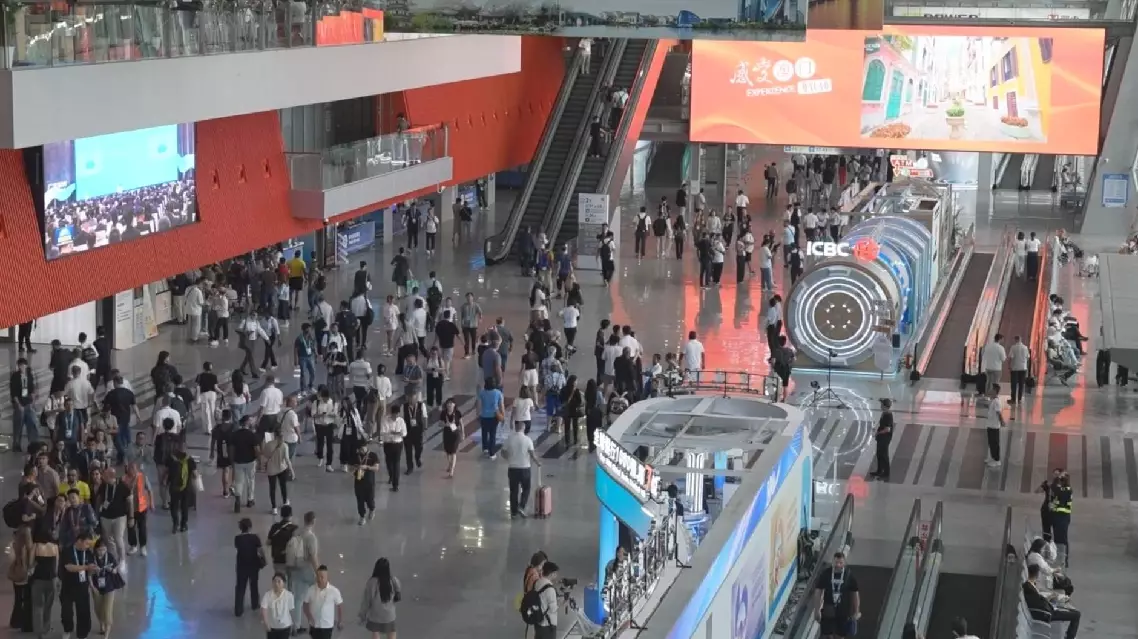
Canton Fair puts China's entire supply chain within global buyers' reach