UNITED NATIONS (AP) — The Trump administration on Thursday announced $1.8 billion in additional funding for U.N. humanitarian aid, saying the money will be earmarked for life-saving aid to victims of natural disasters, famine and “people who are truly in critical need.”
The money will be allocated over the coming year and adds to the $2 billion that the Trump administration pledged in December. Mike Waltz, the U.S. ambassador to the United Nations, said at a press conference that the new funding is just “the latest step.”
The new contribution brings total U.S. support for UN humanitarian programs to $3.8 billion across 21 countries, according to the State Department, which said the money would be prioritized for locally run projects that assist the most vulnerable populations.
The department said the initial contribution had been “a resounding success, delivering life-saving assistance to 21.1 million people more quickly, more efficiently, and with greater focus on those facing the most acute humanitarian needs in less than four months.”
Still, the money is a fraction of what the U.S. has contributed in the past and reflects what President Donald Trump's administration believes is still a generous amount that will maintain America’s status as the world’s largest humanitarian donor.
The Trump administration has cut billions in U.S. foreign aid, prompting U.N. agencies to slash spending, aid projects and thousands of jobs. Other traditional U.N. donors like Britain, France, Germany and Japan also have reduced aid allocations.
U.N. humanitarian chief Tom Fletcher called his agency “overstretched, underresourced and literally under attack” and reiterated its 2026 plan to reach 87 million of the world’s most needy at a cost of $23 billion — even though 300 million people need humanitarian help.
Before Waltz’s announcement, he said, the U.N. had raised about $7.4 billion. He called the United States “the single largest national donor” to the United Nations.
Waltz slammed what he called a narrative in the media that the U.S. has walked away from helping people in need, saying it's "absolutely false.”
Under Trump, the U.S. has been taking an à la carte approach to paying dues to the United Nations, picking which operations and agencies it believes align with Trump’s agenda and avoiding those that no longer serve U.S. interests. The State Department has said that “individual U.N. agencies will need to adapt, shrink, or die.”
Critics say the Western aid cutbacks have been shortsighted, driven millions toward hunger, displacement or disease, and harmed U.S. soft power around the world.
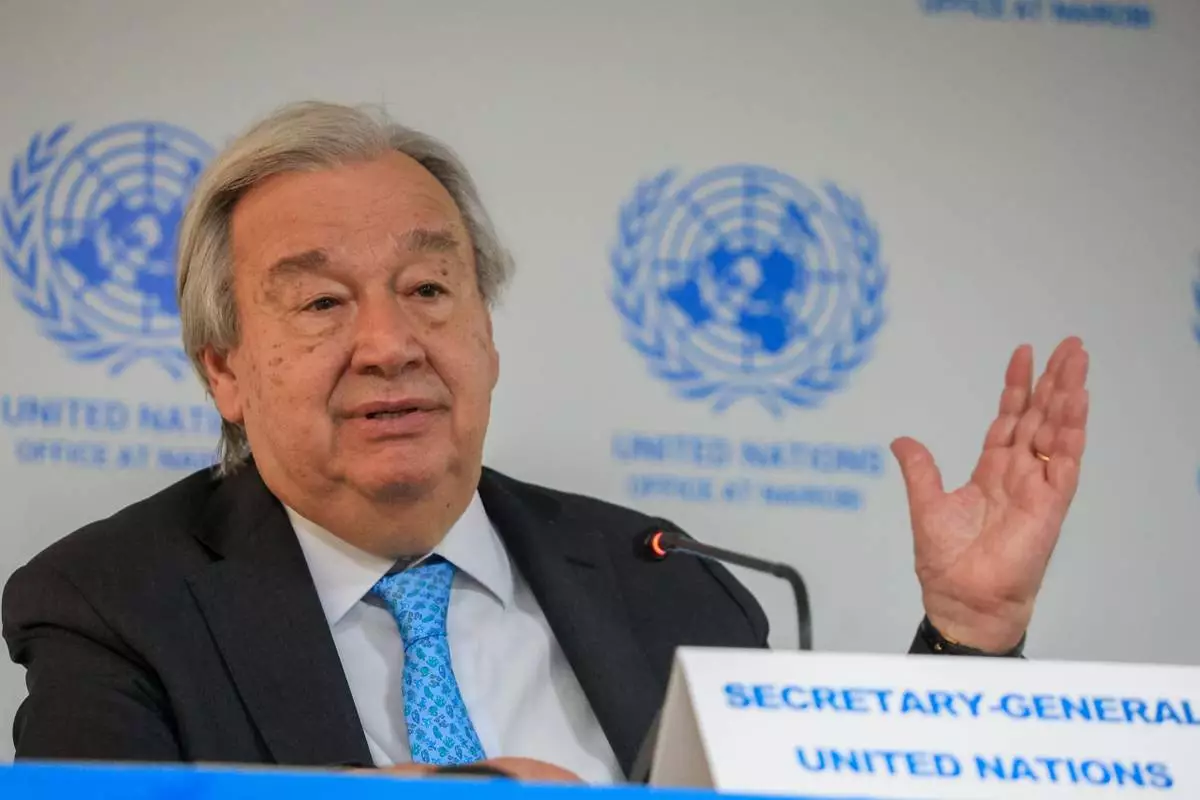
Secretary-General of the United Nations António Guterres talks to members of the press during a groundbreaking ceremony for the expansion of the UN headquarters in Nairobi, Monday, May 11, 2026. (AP Photo/Andrew Kasuku)
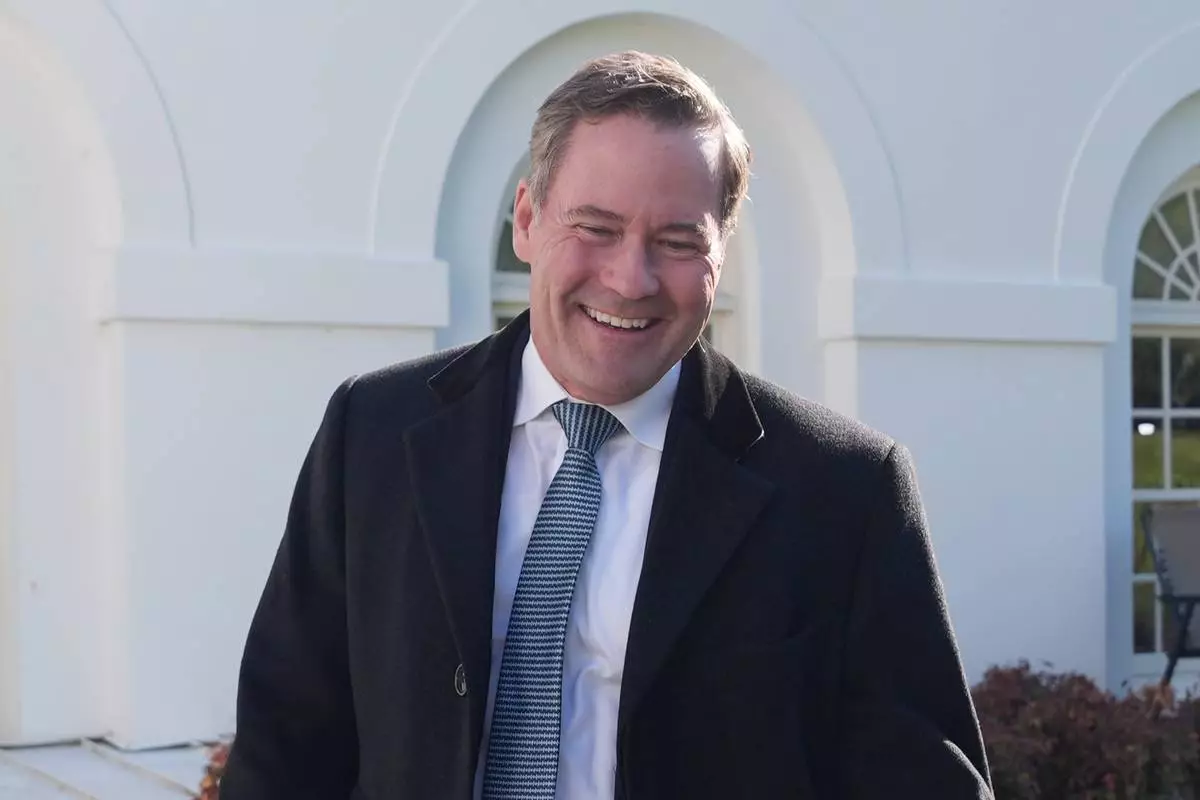
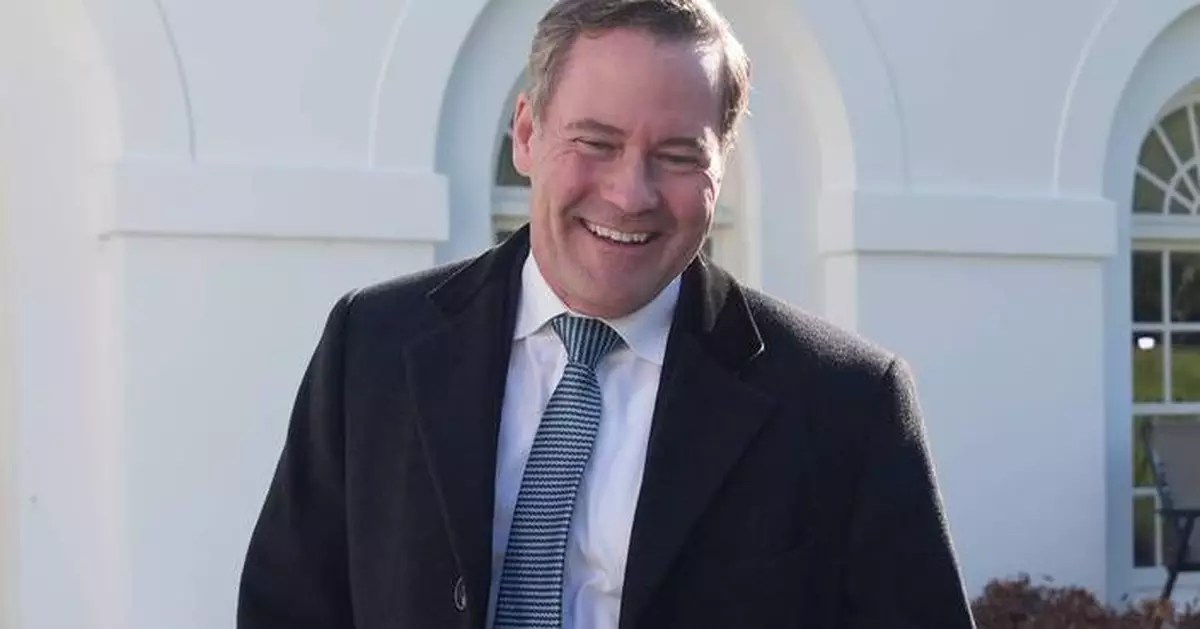
FILE - U.S. Ambassador to the United Nations Mike Waltz walks from the West Wing at the White House, April 8, 2026, in Washington. (AP Photo/Alex Brandon, File)
SACRAMENTO, Calif. (AP) — California Gov. Gavin Newsom on Thursday proposed a revised budget proposal without a deficit for his last year of office and the next, laying out a $350 billion plan that includes little new spending but also avoids major cuts.
Newsom is eager to safeguard programs that have defined his tenure as the leader of the nation’s most populous state and one of the world’s largest economies. As he gears up for a possible presidential run in 2028, Newsom is promoting the budget as fiscally responsible because it protects California's progressive programs while also builds up the state's rainy day funds — a pointed rebuke to critics who say the state spends more than it has. The state’s spending has grown more than $100 billion since 2020, according to the legislative budget analysts.
“We’re cutting deficits. But we’re not cutting corners,” Newsom said.
Newsom can’t seek a third term and will leave office in January.
Revenues, driven mostly by the booming stock market and artificial intelligence industry, are $16.5 billion higher than projections in January, according to Newsom's office. That will help the state avoid a $2.9 billion deficit Newsom projected in January, guarantee no budget hole next year and cut the shortfall the following year in half, his office said.
It is a welcoming change for the state where revenues have not kept up with spending. California faced tens of billions in budget deficits several years in a row, forcing painful cuts last year such as a rollback on a promise to provide free health to low-income immigrants without legal status. Nonpartisan budget analysts projected the state will see budget holes upward of $20 billion each year in the next few years.
Still, Democrats are bracing for federal funding cuts and new costs for the state in healthcare and the impacts of high costs on everything from gas to energy because of the war in Iran. State officials repeatedly said California can't backfill all the federal monies.
Newsom used his presentation to blast President Donald Trump and his policies. Trump “doesn’t particularly give a damn about the financial situation of the average American," Newsom said.
The May budget proposal will officially kick off the final stretch of negotiations between Newsom and Democrats in the Legislature, who have to pass a spending plan by the end of June.
State lawmakers this year have pitched several proposals to increase taxes on corporations to help with budget problems, but Newsom has largely opposed the idea, arguing such proposals could drive businesses and wealthy people away. He has instead proposed to cut fees for new small businesses and limit some tax credits that could generate $850 million a year starting 2027. He is against a ballot initiative for a one-time tax on billionaires that will likely go before voters in November.
He also proposed to increase the monthly premiums for adult patients without legal status in the state-funded healthcare program, up to $50 from $30. The premiums were part of last year budget set to take effect July 2027 for adults under 60 years old. Newsom estimated the change would save the state $427 million in the first year of implementation. But Democratic lawmakers will likely fight against it.
California has a progressive tax system that relies on rich people, meaning it gets about half its revenues from just 1% of the population. When the economy is good, rich people pay more in taxes and revenues can soar quickly. When the economy is bad, they pay less and revenues can drop just as fast.
The state could also see a revenue boost from expected upcoming initial public offerings by several major AI companies, which are expected to be the largest IPOs in history. But legislative budget experts warned last year of a potential AI bubble that could worsen the state's finances.
Newsom’s Thursday proposal also includes a $300 million plan to backfill some of the loss of government-sponsored health subsidies, a $5 billion education grant for teacher training and $100 million to help Los Angeles-area homeowners rebuild after the devastating wildfires last year.
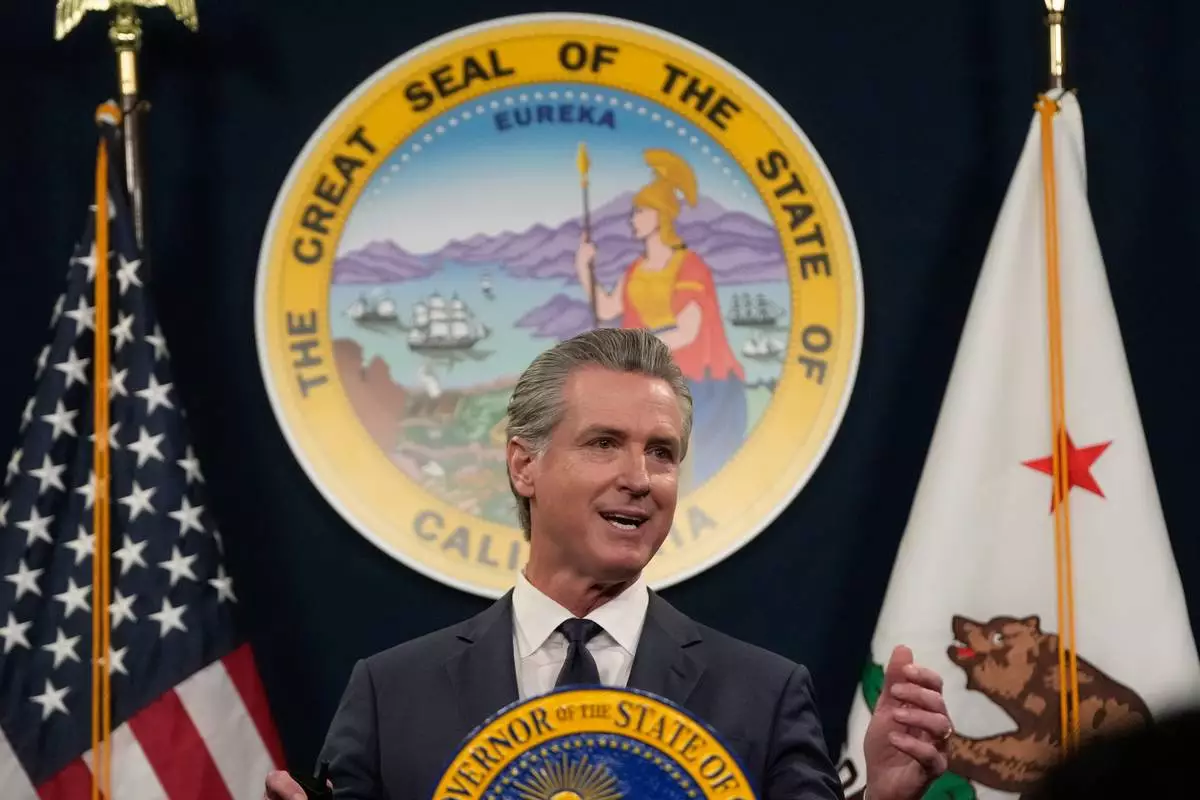
Gov. Gavin Newsom speaks about his state budget proposal Thursday, May 14, 2026, in Sacramento, Calif. (AP Photo/Jeff Chiu)
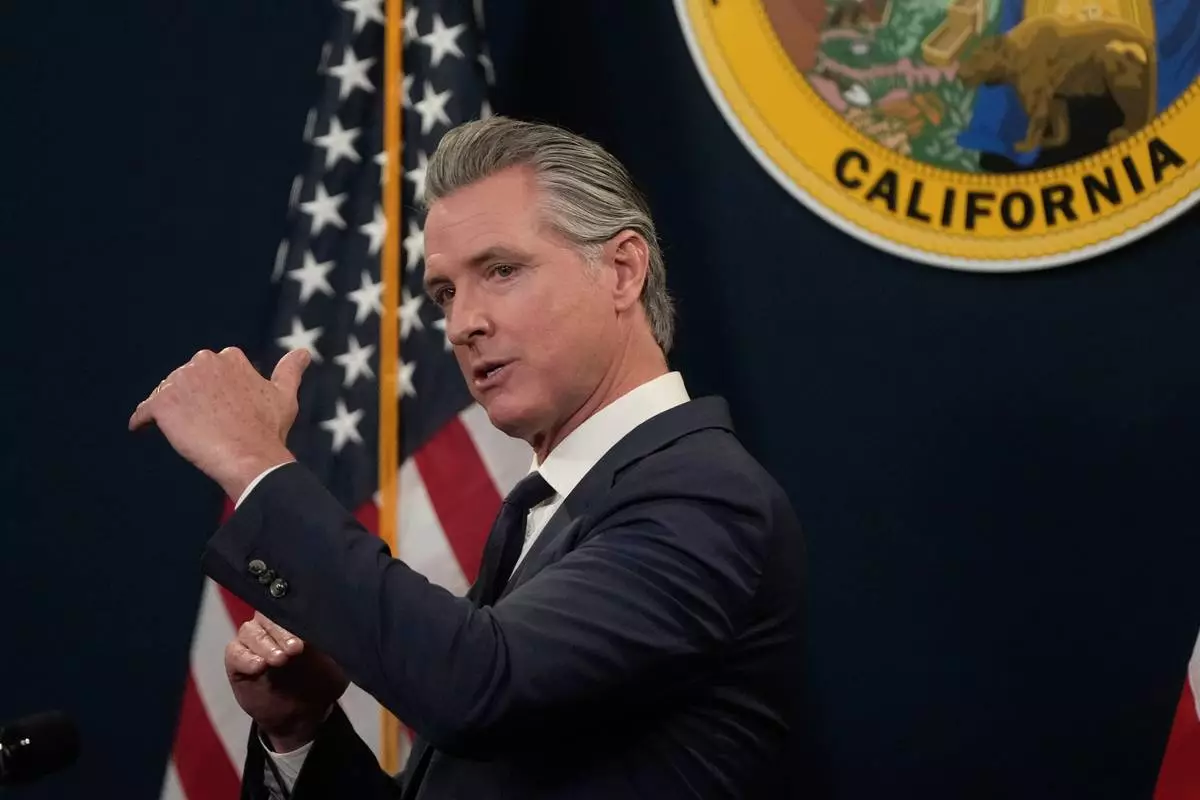
Gov. Gavin Newsom speaks about his state budget proposal Thursday, May 14, 2026, in Sacramento, Calif. (AP Photo/Jeff Chiu)
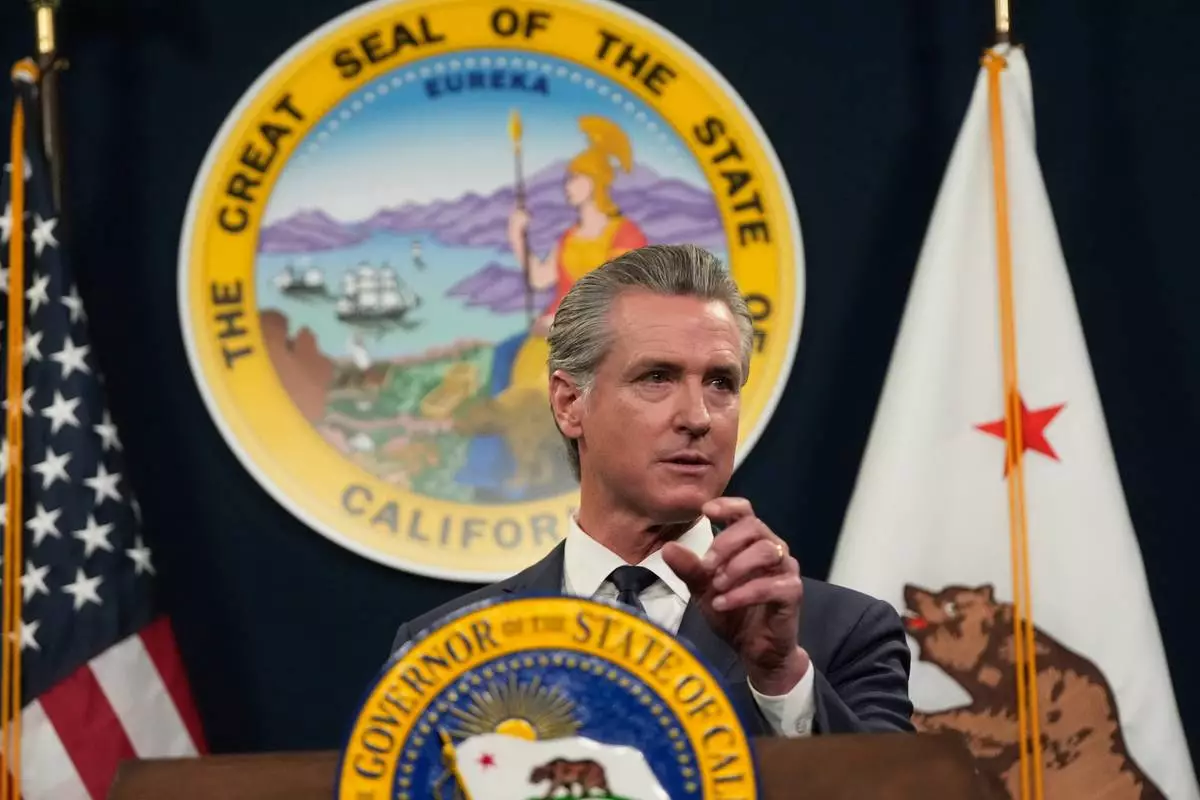
Gov. Gavin Newsom speaks about his state budget proposal Thursday, May 14, 2026, in Sacramento, Calif. (AP Photo/Jeff Chiu)