Skip to Content Facebook Feature Image

19.5 million face acute food insecurity in Sudan: UN

China

China

China

19.5 million face acute food insecurity in Sudan: UN

2026-05-15 19:49 Last Updated At:05-16 16:57

Nearly 19.5 million people are facing crisis levels of acute food insecurity in Sudan, according to the latest United Nations-backed Integrated Food Security Phase Classification (IPC) analysis released on Friday.

Two out of every five people in Sudan are currently facing crisis levels of acute food insecurity (IPC Phase 3 or above), said the IPC report released by the Food and Agriculture Organization (FAO), the World Food Program (WFP) and UNICEF.

As the civil conflict enters its fourth year, "conflict-driven displacement remains at extremely high levels, with close to 9 million people uprooted within Sudan as of the end of March 2026," said a joint news release by the three organizations.

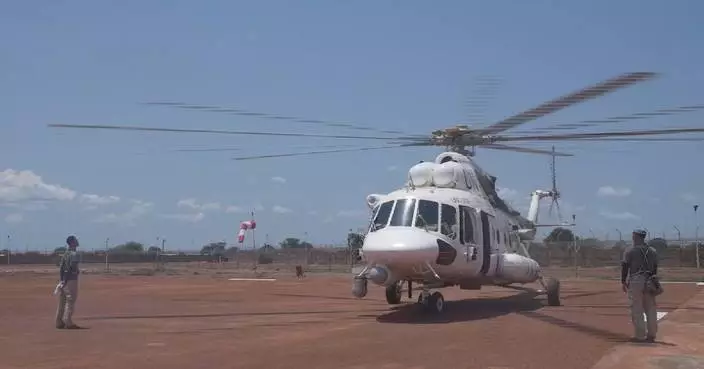
Humanitarian access constraints remain among the most severe in the world. "Insecurity, bureaucratic impediments, attacks along supply routes, destruction of markets and means of production as well as restrictions on the movement of people and goods continue to prevent humanitarian actors from delivering assistance at the scale required," it said.

The FAO, WFP and UNICEF called for immediate cessation of hostilities, so that parties to the conflict could protect civilians and civilian infrastructure, and provide safe, rapid and unimpeded humanitarian access across conflict-affected areas.

19.5 million face acute food insecurity in Sudan: UN

19.5 million face acute food insecurity in Sudan: UN

19.5 million face acute food insecurity in Sudan: UN

19.5 million face acute food insecurity in Sudan: UN
19.5 million face acute food insecurity in Sudan: UN
19.5 million face acute food insecurity in Sudan: UN
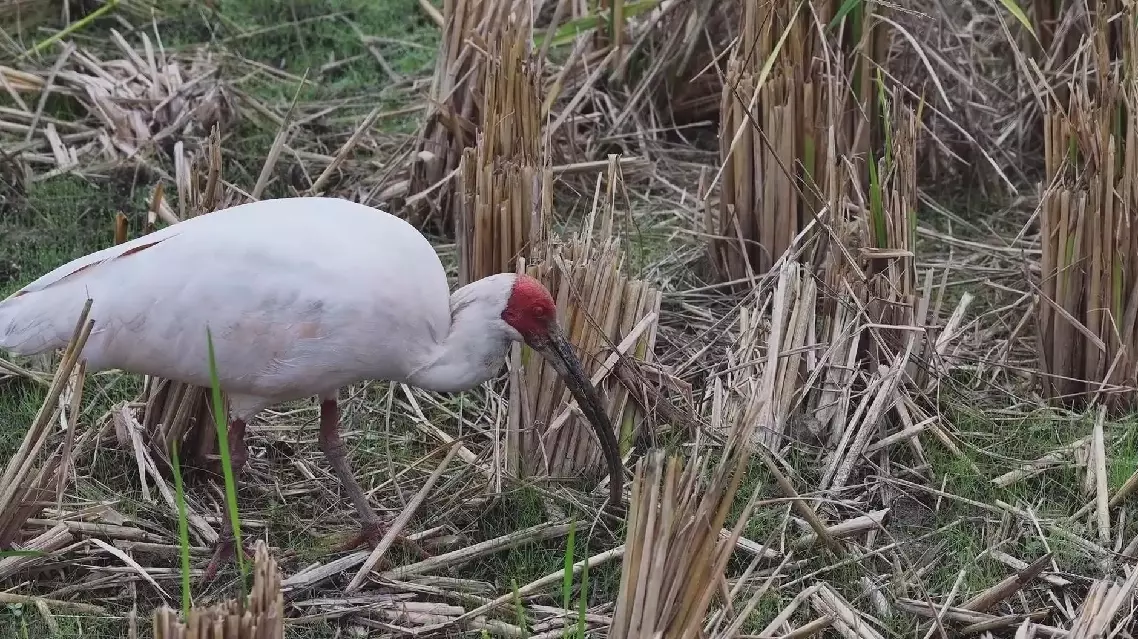
Flocks of crested ibises were spotted foraging in a rice field after the autumn harvest in Hanyin County, northwest China's Shaanxi Province.

The crested ibis, with its iconic red crest and long black beak, is a first-class protected species in China and was formerly a critically endangered species. Rice fields after the autumn harvest serve as a haven for the birds, allowing them to consume a wealth of fallen grains and insects.

Conservation measures in Hanyin have paid off in recent years, providing a safe place for crested ibises to forage. These measures include fishing bans, water source protection, and the Lake Chief System, a governance model where local leaders take direct personal responsibility for management and protection of lakes.

Since the local forestry department first discovered crested ibises in 2010, the bird's population in the county has exceeded 130.

In the past, the crested ibis was widely distributed across East Asia and Russia's Siberia. It was thought to be extinct in China until seven wild birds were observed in Shaanxi's Yangxian County in 1981, a discovery that prompted captive breeding and enhanced protection of the species. As of the end of 2025, the global population of the crested ibis had exceeded 12,000.

Endangered crested ibises spotted foraging in Shaanxi rice field after autumn harvest

Endangered crested ibises spotted foraging in Shaanxi rice field after autumn harvest

Recommended Articles