Analysts have hailed the positive progress made in the landmark talks between Chinese President Xi Jinping and U.S. President Donald Trump in Beijing, urging the two sides to move beyond rivalry towards cooperation as a potential new paradigm for the bilateral relationship takes shape.
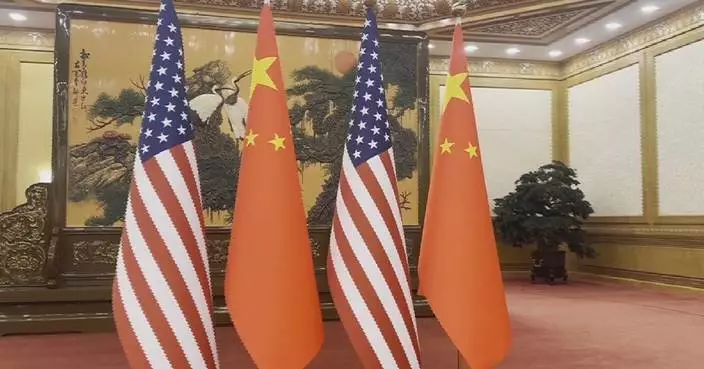
In a meeting closely watched by the world, Xi and Trump held talks at the Great Hall of the People in Beijing on Thursday morning, during which the two leaders agreed on a new vision of building a constructive bilateral relationship of strategic stability.
The talks came as part of Trump's three-day state visit to China at the invitation of Xi, which marked the first such U.S. presidential visit in nine years.
Prior to departing the Chinese capital on Friday, Trump said his state visit has captured the world's attention and described it as very successful and unforgettable. He also said he looks forward to hosting President Xi in Washington, D.C.
In a China Global Television Network (CGTN) panel discussion on Thursday, analysts shared their insights on the potential future of ties following the Trump visit. They stressed that stability and mutual efforts are essential if the world's two largest economies are to manage their differences and address global challenges together.
Sourabh Gupta, a senior specialist for Asia-Pacific International Relations Policy at the Institute for China-America Studies, said that the talks in Beijing marked major progress in shaping a framework for collaboration between the two sides following recent tensions in their relationship, particularly over trade. "I think what is at stake for both sides, and which they did very well on today, is trying to recreate a new strategic framework within which the United States and China will coexist and cooperate with each other. It needs to be candid, but it also needs to be constructive. And I think they made tremendous strides in this regard. It is very good news that the two sides are finding a strategic framework, setting the right tone, and hopefully will be able to build on that during this year," Gupta said.
Zhao Hai, director of the International Political Studies at the National Institute for Global Strategy under the Chinese Academy of Social Sciences (CASS), said that the new positioning reflects lessons learned from past disputes, highlighting the need for both sides to commit to a more constructive approach in order to maintain stability.
"The two sides have gone through the trade war, the tariff war, and all kinds of measures and countermeasures. There were many, many bumps in the road before. Moving forward, I think both sides see the downside of not working together, or of competing without limits. So I think stability is exactly what both sides need. The second part, of course, is strategic. That means stability is not going to be limited to one area or another; it is going to be the overall guideline for the bilateral relationship. Third, I think the Chinese side is very much emphasizing the constructive side, because that means both sides need to make an effort to make this strategic stability come true," he said.
"If only one side is making the contribution and the other side does not answer, it's not constructive. So if you combine this together and look to the future, in the years to come, I think this is a new paradigm for the bilateral relationship. That means the relationship is no longer defined by one side, and particularly not defined as 'strategic rivalry' or 'strategic competition'. As China emphasized, cooperation should be the foundation of the bilateral relationship. And I think that this time around, President Trump has finally come to realize the importance with the Chinese side to define this most important bilateral relationship. I think this will bring us a very good future. If both sides stick to this definition, I think we have reason to look at the relationship with a much more positive eye," Zhou added.
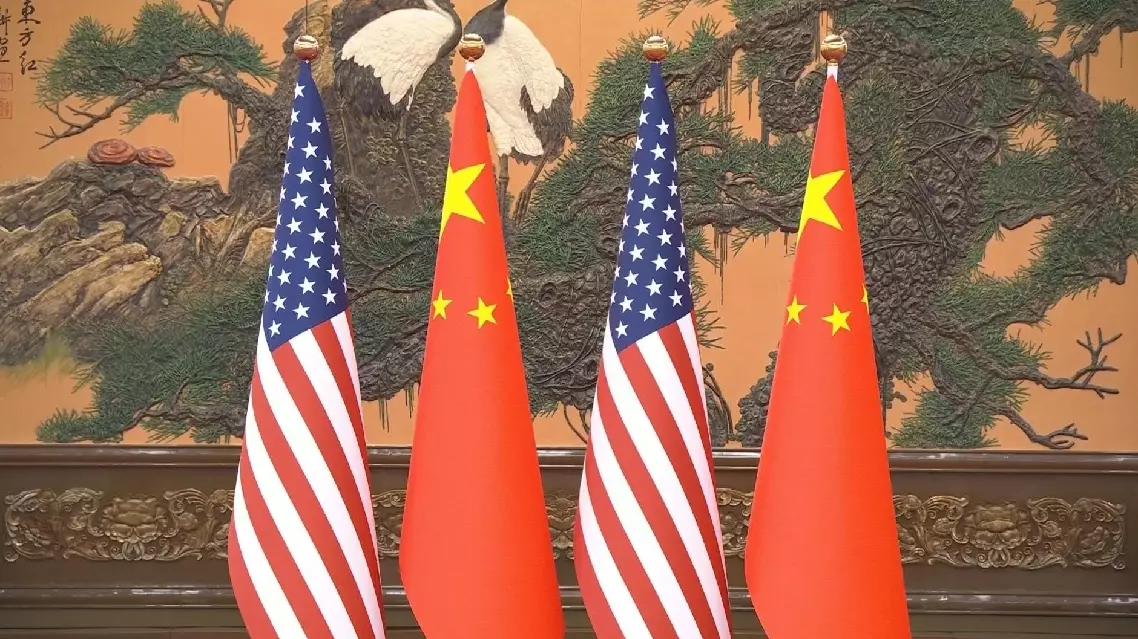
Constructive efforts to maintain strategic stability key to future China-US cooperation: analysts
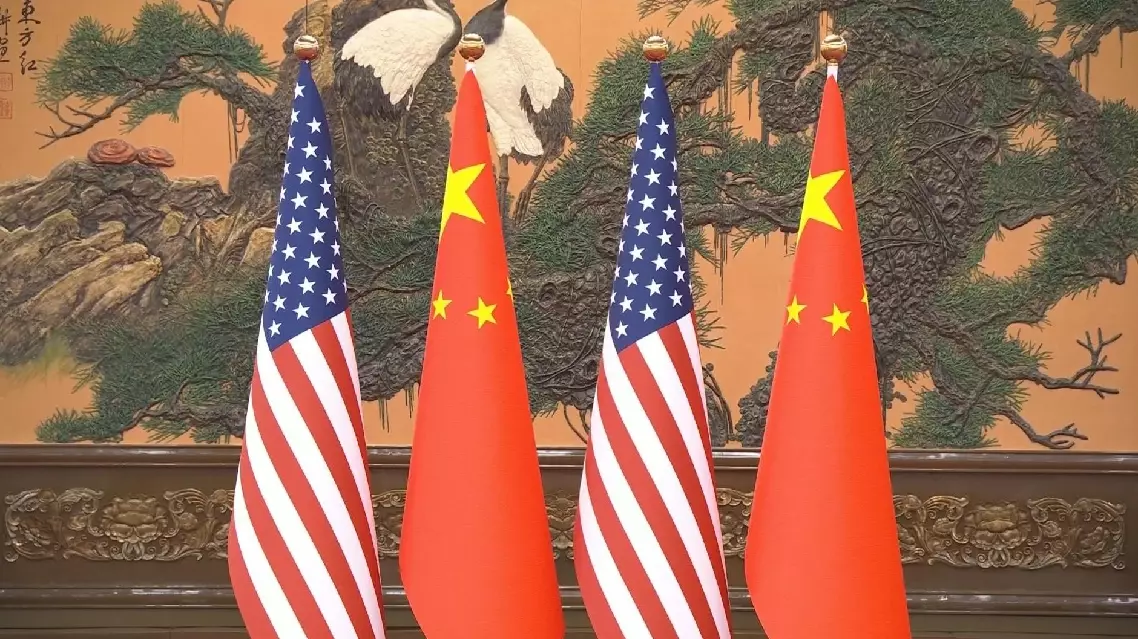
Constructive efforts to maintain strategic stability key to future China-US cooperation: analysts