The Associated Press laid off 20 U.S.-based journalists on Friday, the union representing them said, part of a restructuring announced last month that is turning the news organization's focus away from print journalism and toward visual journalism and other revenue sources.
“This is part of the restructuring we announced last month to align our operations with what our top customers need from us today,” an AP spokesman, Patrick Maks, said in an email.
“It’s never easy to part ways with valued colleagues — we are appreciative of their contributions to the AP and wish them all the best,” wrote Maks, the news outlet’s director of media relations and corporate communications.
AP declined to give numbers, but the News Media Guild, the union that represents AP journalists, said 20 guild-covered staffers had been laid off. The layoffs had been completed by the end of the business day Friday.
The layoffs, which had been expected, come about a month after AP, one of the world’s oldest and most influential news organizations, offered buyouts to more than 120 journalists based in the United States. About 40 subsequently volunteered and were accepted, according to the guild.
Tony Winton, the guild’s administrator, said the union had received an email just before 10 a.m. Friday from an AP human resources official saying the company was planning to implement layoffs, and the last day of work was Friday. He said no other information was provided.
“Today’s cuts show just how directionless AP’s leadership has become," said a statement from Kimberlee Kruesi, an AP reporter and the guild's acting president. “The company touts that it is prioritizing visual journalism, yet among the 20 employees sacked today are experienced photographers."
Julie Pace, executive editor and senior vice president of the AP, said in an interview last month that AP’s goal was to reduce its global staff by less than 5%. The company does not say how many journalists it employs.
Pace said at the time that the AP “is not in trouble.”
“We’re making these changes from a position of strength, but we’re doing so now to recognize our changing customer base,” she said.
Over the past four years, the AP’s revenue from newspapers has declined by 25%. Gannett and McClatchy, two of the largest traditional newspaper publishers, dropped AP in 2024.
AP customers now are dominated by broadcast, digital and technology companies. Kristin Heitmann, senior vice president and chief revenue officer, said last month that the company had seen a 200% growth in revenue from technology companies over the same period.
Former AP media writer David Bauder contributed to this report.
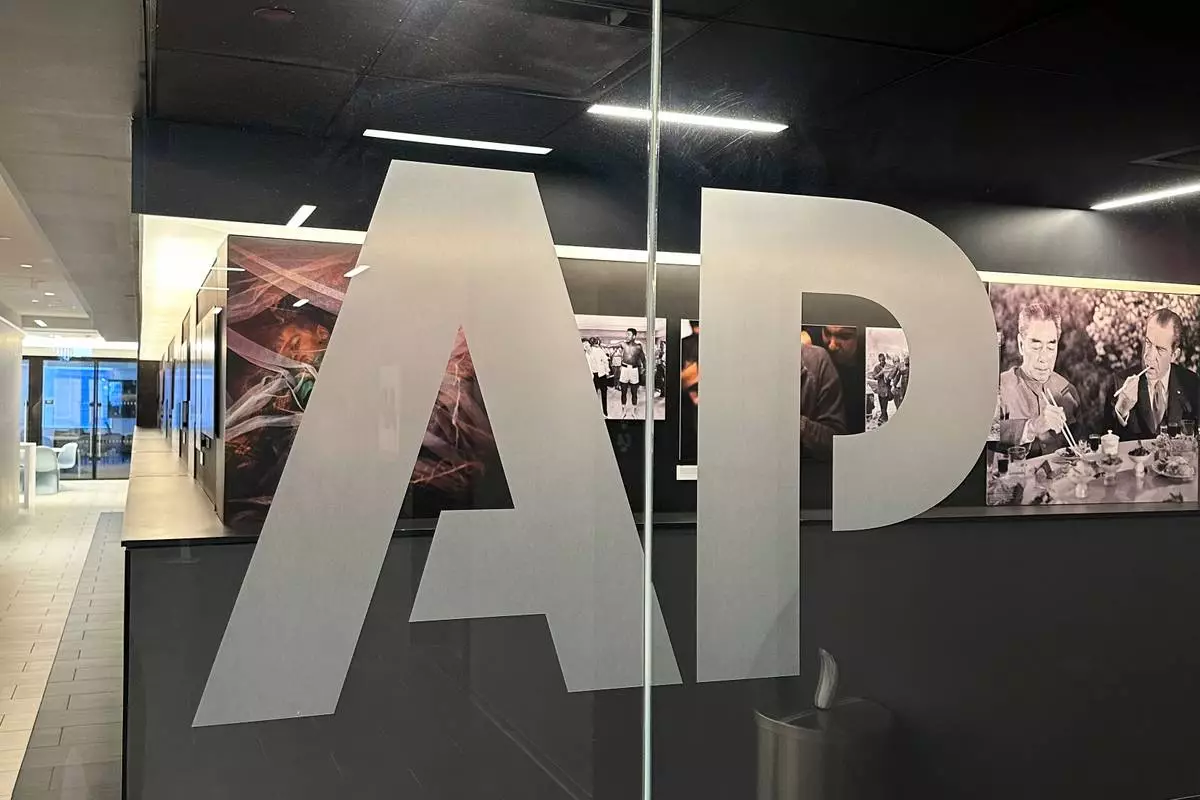
FILE - The Associated Press logo is displayed at the news organization's world headquarters in New York on April 9, 2025. (AP Photo/Aaron Jackson, File)
CAIRO (AP) — The U.S. and Iran each fired barrages of missiles Thursday, as the pattern of back-and-forth strikes took hold again and hope dimmed for any quick resolution.
After a brief respite, the risk of a return to all-out war emerged once more, with the fighting threatening to engulf even more countries: Jordan said Thursday it intercepted Iranian missiles for the second consecutive day, while Kuwait said a strike in the northern part of the country killed one person. Also this week, drones caused fires on ships at an Egyptian port, and Saudi Arabia said it came under fire from Iran-backed militias in Iraq.
The spiraling violence underscored the difficulty of winding down a five-month conflict that has sent the price of fuel and other basics soaring, jolted the world economy, and added to concerns about American stockpiles of weapons needed to defend its bases and allies. After an earlier hiatus had given hope that diplomatic efforts were moving forward, there was no public sign of progress.
An Iranian strike hit a Chinese firm’s building in Kuwait on Thursday, severely damaging the structure and killing a worker, Kuwait’s military said, hours after Jordan’s air defenses shot down five missiles launched from Iran.
No casualties were reported from Jordan’s interception, Jordan’s state-run Petra news agency said, quoting the spokesman for the country’s armed forces. Both countries are U.S. allies and host American troops.
The attacks came after the U.S. military said it completed “a heavy wave of strikes against Iran,” conducted in response to an earlier Iranian missile attack on a U.S. base in Jordan. President Donald Trump vowed to hit Iran “very hard” after it targeted the base.
The military's Central Command said in a social media post that the U.S. struck “dozens” of targets belonging to Iran’s Revolutionary Guard, including military command centers as well as missile and drone facilities, and coastal surveillance and defense sites.
Iran's official IRNA news agency said three people were killed and two were wounded in a strike on the island of Qeshm, which lies just off the Iranian mainland in the Strait of Hormuz — a crucial waterway for the world's energy supplies that has been at the center of the conflict.
The latest barrage came after the U.S. partnered with Saudi Arabia to strike Iran-backed militias in Iraq, killing at least 20 fighters and six Iranian advisers on Wednesday.
Before the latest eruption, mediators had expressed optimism about bringing the U.S. and Iran back to the negotiating table.
A regional official said Wednesday that mediators are “still trying with both sides” to restore calm and get an interim agreement to end the war back on track. He gave no details on whether progress was being made and spoke on condition of anonymity to discuss the closed-door diplomacy.
Elsewhere, British maritime security firm Ambrey said drone strikes ignited fires on two natural gas vessels at the Egyptian port of Damietta on Wednesday. It was not immediately clear who was responsible for the strikes on a U.S.-owned floating storage facility and a Greek-owned tanker. No injuries were reported.
The office of the Egyptian prime minister said initial investigations showed the fires on the two vessels had been caused by a drone.
Egypt, a close U.S. ally and regional mediator, is one of the only countries in the Middle East to have been spared direct military action during the war. A strike by Iran or its allies, if confirmed, would mark a significant widening of the conflict.
Asked during an Oval Office event if Iran was responsible for the strikes on the vessels, Trump responded: “It’s a little more of the same.”
The Damietta Port Authority said in a statement on Facebook on Thursday that the facility was fully operational.
Since Iran began threatening and firing on ships in the Strait of Hormuz early in the war, the conflict has wreaked havoc on the global economy as energy shipments through the waterway ground to a near halt. Much of the diplomacy around ending the war has focused on reopening the strait, through which 20% of oil and natural gas shipments passed in peacetime.
The strait is once again effectively closed — and in recent weeks, fighting elsewhere has squeezed energy supplies further.
Saudi Arabia has accused the Iraqi militias of firing drones against its oil facilities over the past days. An umbrella group of Iraqi militias initially denied the allegations, while another Iran-backed group — the Houthi rebels in Yemen — said they had attacked Saudi energy facilities as part of a separate but related conflict.
The Houthis have declared a blockade of Saudi shipping and threatened to choke off another crucial Middle East trade route, the Bab el-Mandeb strait from the Red Sea into the Gulf of Aden. That route became even more important during the war, as Saudi Arabia used it to bypass the Strait of Hormuz.
On Monday, the Houthis said they had launched drones targeting oil facilities used to transport oil across Saudi Arabia to the Red Sea port of Yanbu. The rebels said the attack was in response to a Saudi drone they said breached Yemen’s airspace.
Planet Labs satellite imagery from Monday analyzed by The Associated Press showed damage to Saudi Aramco’s Abqaiq oil-processing facility, which is capable of processing approximately 7 million barrels of crude oil per day.
Saudi Defense Minister Khalid bin Salman met separately on Wednesday with Trump and Vice President JD Vance, according to two people familiar with the matter who were not authorized to comment publicly about the private meetings.
They said the Saudi decision to join the U.S. attacks against the Iraqi militias was meant to send a message to Iran that it wouldn’t tolerate Iran or its proxies targeting the Saudi oil industry and other critical infrastructure. At the same time, the defense minister underscored to Trump and Vance that the Saudis want to see a de-escalation in the war and for Washington and Tehran to return to negotiations.
Becatoros reported from Athens, Greece. Associated Press writers Konstantin Toropin in Washington, Qassim Abdul-Zahra in Baghdad, and Fatma Khaled in Cairo contributed.
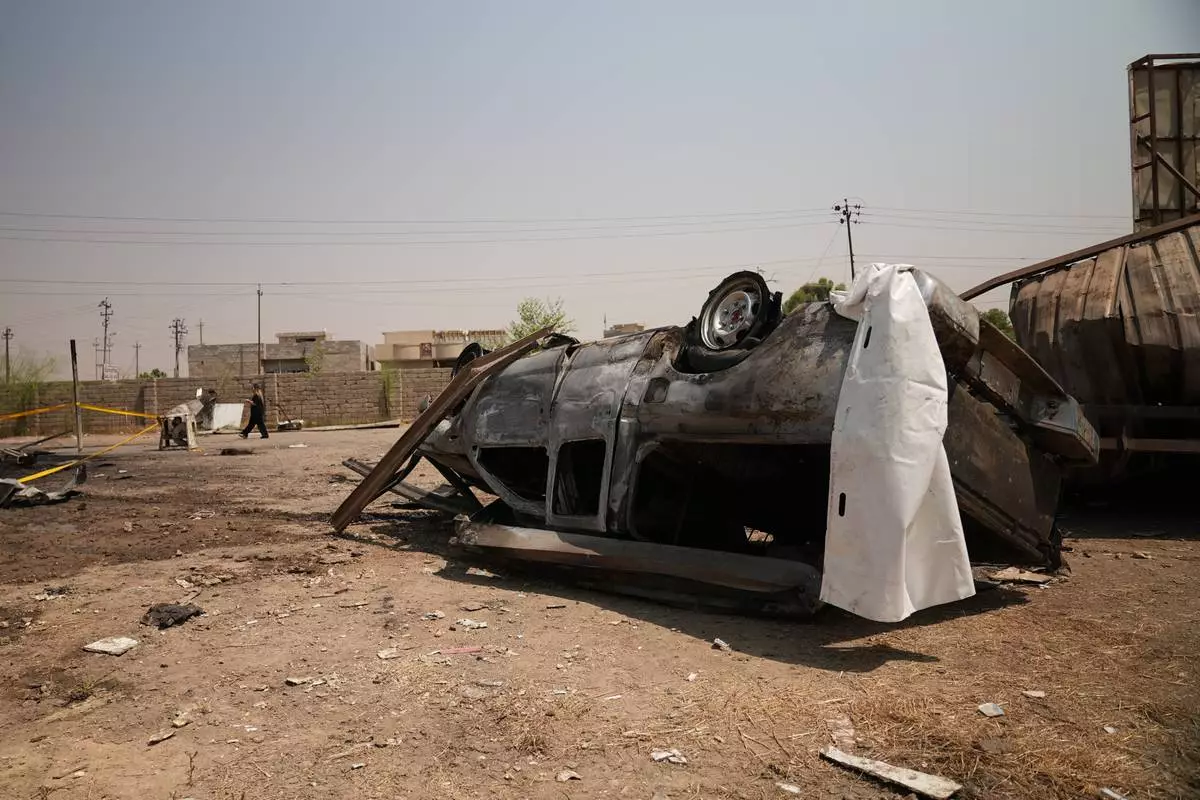
A damaged vehicle at the site of an airstrike on a Popular Mobilization Forces base in Mosul, Iraq, Wednesday, July 29, 2026. (AP Photo/Farid Abdulwahed)
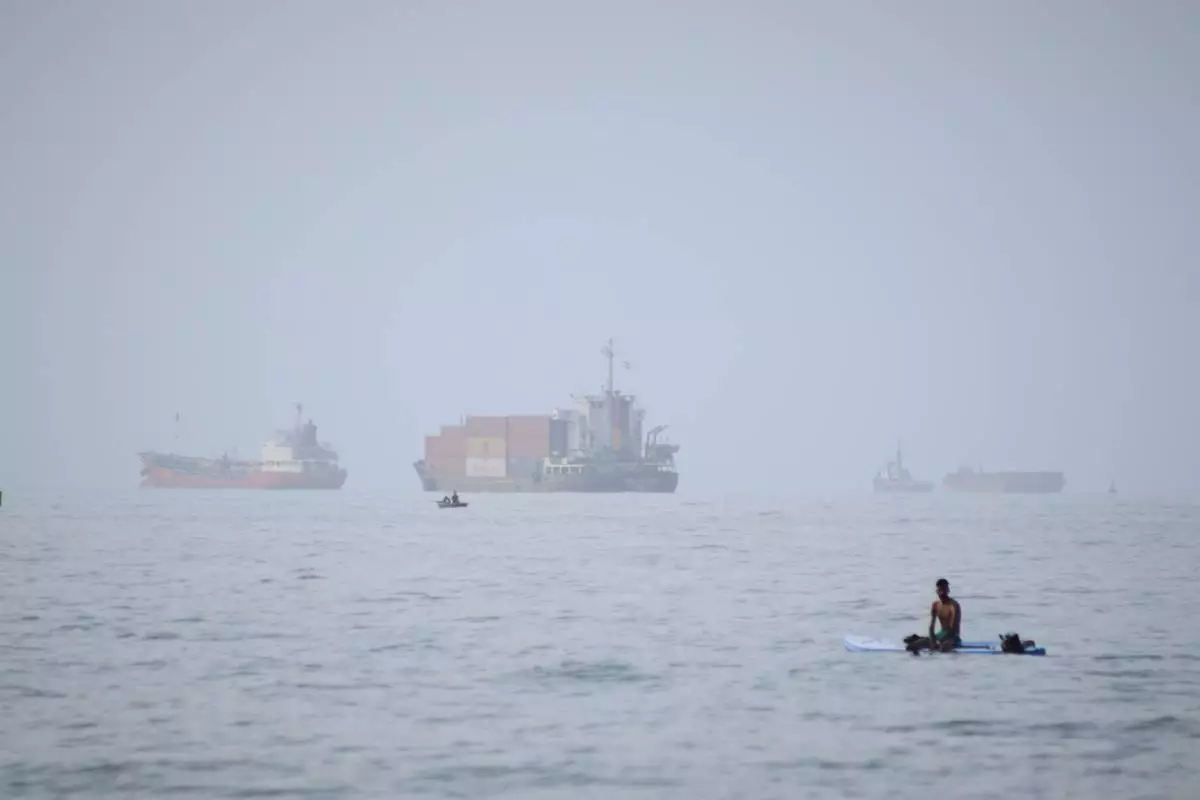
FILE - A man sits on a surfboard as a container ship and other commercial vessels appear anchored in the Strait of Hormuz off Bandar Abbas, Iran, Monday, July 27, 2026. (Razieh Poudat/ISNA via AP, File)