SEOUL, South Korea (AP) — North Korea launched a barrage of ballistic missiles toward its eastern waters Thursday, South Korea’s military said, days after the North threatened to resume front-line propaganda loudspeaker broadcasts and deploy new weapons along the rivals’ tense border.
The launches also followed leader Kim Jong Un’s surprise weekend visit to China, the North's main ally and economic pipeline, to push for greater cooperation.
Click to Gallery

North Korean soldiers stand near a military guard post, top left, as North Korea's artillery weapons, bottom, are seen from the observatory in Gimpo, South Korea, Tuesday, Oct. 27, 2026. (AP Photo/Lee Jin-man)

North Korean soldiers work near their military fences as seen from the observatory in Gimpo, South Korea, Tuesday, Oct. 27, 2026. (AP Photo/Lee Jin-man)

North Korean soldiers stand near a military guard post, top left, as North Korea's artillery weapons, bottom, are seen from the observatory in Gimpo, South Korea, Tuesday, Oct. 27, 2026. (AP Photo/Lee Jin-man)

North Korea's artillery weapon is seen from the observatory in Gimpo, South Korea, Tuesday, Oct. 27, 2026. (AP Photo/Lee Jin-man)
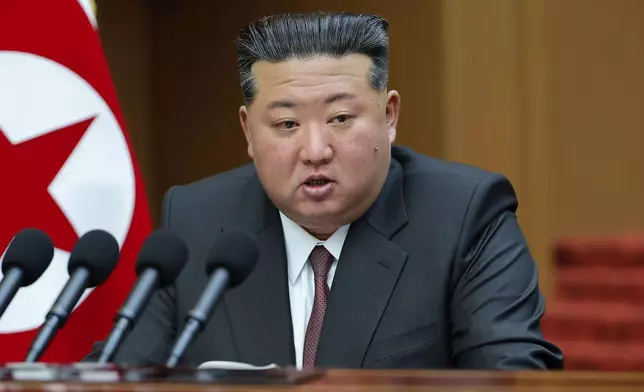
FILE - In this photo provided by the North Korean government, its leader Kim Jong Un delivers a speech during a session of the Supreme People's Assembly at parliament in Pyongyang, North Korea, on March 23, 2026. Independent journalists were not given access to cover the event depicted in this image distributed by the North Korean government. The content of this image is as provided and cannot be independently verified. (Korean Central News Agency/Korea News Service via AP, File)
South Korea’s Joint Chiefs of Staff said it detected about 10 short-range ballistic missiles fired from the North's eastern costal town of Wonsan and that they each flew about 250 kilometers (155 miles). It said South Korea's military maintained its readiness to repel any provocations by North Korea under a solid alliance with the United States.
Japan's Defense Ministry said it detected a suspected ballistic missile launch by North Korea.
Animosity between the Koreas have deepened since last month’s land mine blasts at the border that injured three South Korean soldiers. Seoul accused North Korea of planting mines south of the military demarcation line and demanded it apologize. But Pyongyang has denied responsibility for the explosions and warned of retaliation if provoked.
Last week, North Korea said it would restart propaganda broadcasts and place new weapons systems on alert along the border in protest of what it called repeated warning shots by South Korean troops at border areas. South Korea later proposed talks on clarifying the border to prevent accidental clashes, but North Korea hasn't responded.
During a visit to a South Korean border town earlier this week, Associated Press journalists saw North Korean artillery guns located on the other side of the border, which weren't previously visible.
In recent years, North Korea has been placing more mines, barbed-wire fences and other defense structures along the border in line with Kim's policy of severing ties with South Korea. Seoul has said North Korean troops have repeatedly violated the border during the work and that South Korea's military has responded with firing warning shots. North Korea has denied the alleged border breaches.
Thursday's launches were the latest in a series of weapons tests by North Korea in recent weeks, which included submarine-launched cruise missiles and hypersonic missiles. Experts say North Korea likely aimed to pressure the U.S. into making bigger concessions as President Donald Trump expressed his desire to restore diplomacy with Kim.
On Saturday, Kim visited the Chinese border city of Dandong via a newly inaugurated bridge to pay respect at a memorial marking China’s support of North Korea during the 1950-53 Korean War. It was his sixth visit to China since succeeding his father as North Korean leader in late 2011.
At the memorial, Kim said North Korea will firmly carry forward “the invincible" friendship with China. Later he met top Chinese Communist Party official Wang Huning and reaffirmed his resolve to develop bilateral cooperation.
Kim has recently taken steps to bolster ties with China after years of prioritizing ties with Russia by sending troops and ammunitions to support its war against Ukraine.
Associated Press writer Mari Yamaguchi in Tokyo contributed to this report.

North Korean soldiers stand near a military guard post, top left, as North Korea's artillery weapons, bottom, are seen from the observatory in Gimpo, South Korea, Tuesday, Oct. 27, 2026. (AP Photo/Lee Jin-man)

North Korean soldiers work near their military fences as seen from the observatory in Gimpo, South Korea, Tuesday, Oct. 27, 2026. (AP Photo/Lee Jin-man)

North Korean soldiers stand near a military guard post, top left, as North Korea's artillery weapons, bottom, are seen from the observatory in Gimpo, South Korea, Tuesday, Oct. 27, 2026. (AP Photo/Lee Jin-man)

North Korea's artillery weapon is seen from the observatory in Gimpo, South Korea, Tuesday, Oct. 27, 2026. (AP Photo/Lee Jin-man)
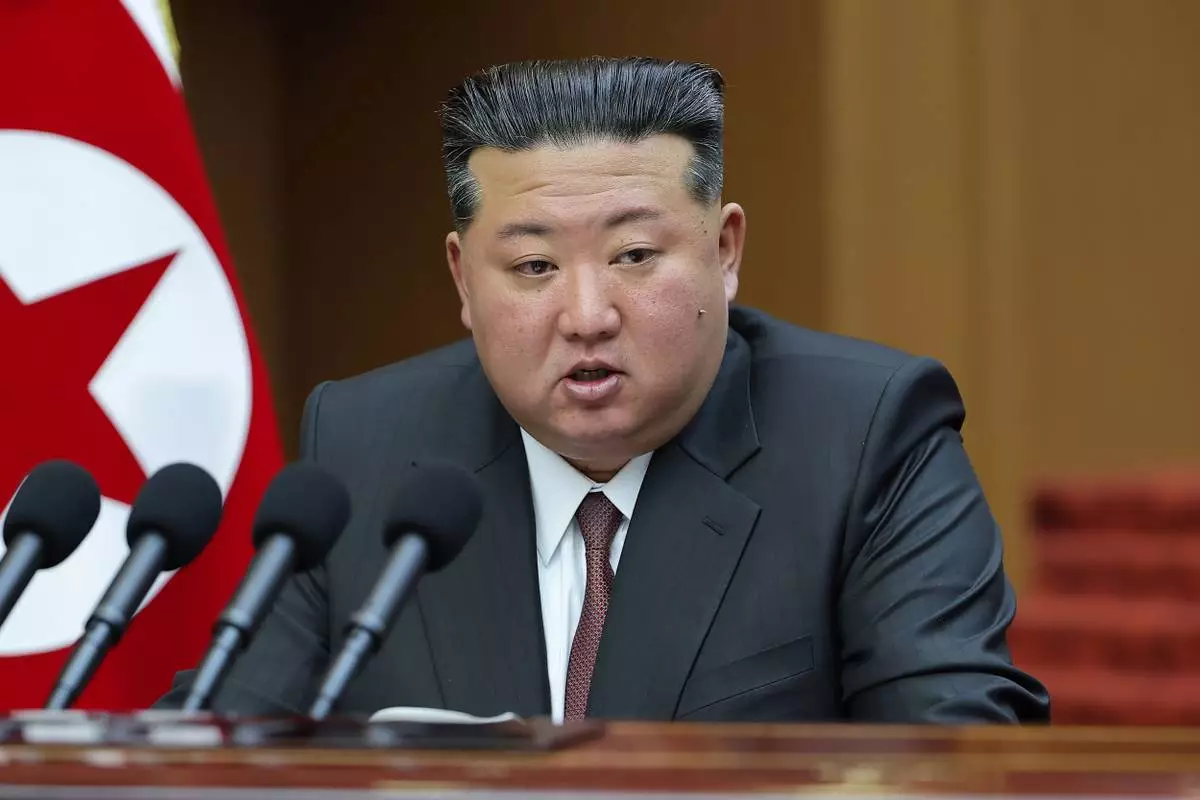
FILE - In this photo provided by the North Korean government, its leader Kim Jong Un delivers a speech during a session of the Supreme People's Assembly at parliament in Pyongyang, North Korea, on March 23, 2026. Independent journalists were not given access to cover the event depicted in this image distributed by the North Korean government. The content of this image is as provided and cannot be independently verified. (Korean Central News Agency/Korea News Service via AP, File)