The U.S. dollar increased in late trading on Friday.
The dollar index, which measures the greenback against six major peers, gained 0.47 percent to 99.378 at 1900 GMT.
In late New York trading, the euro decreased to 1.1630 dollars from 1.1677 dollars in the previous session, and the British pound lost to 1.3332 dollars from 1.3405 U.S. dollars in the previous session.
The U.S. dollar bought 158.68 Japanese yen, higher than 158.19 Japanese yen in the previous session. The U.S. dollar increased to 0.7865 Swiss francs from 0.7834 Swiss francs, and it rose to 1.3739 Canadian dollars from 1.3724 Canadian dollars. The U.S. dollar climbed to 9.4374 Swedish kronor from 9.3495 Swedish kronor.
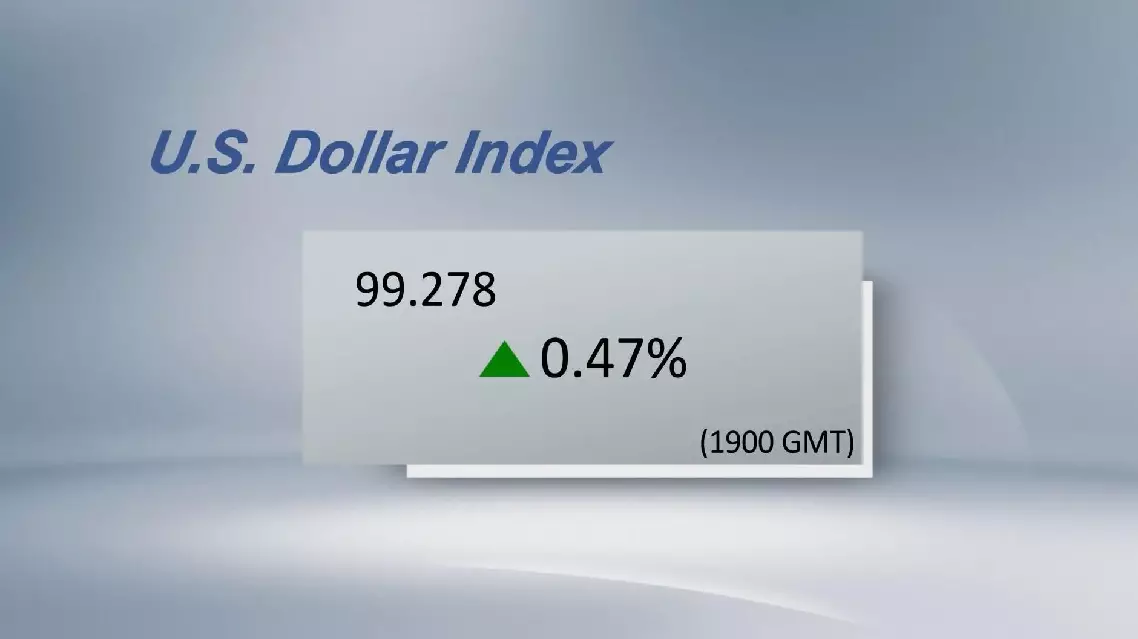
U.S. dollar ticks up
U.S. stocks tanked on Friday, retreating from recent record highs as surging oil prices and climbing Treasury yields led investors to price in the possibility of a Federal Reserve interest rate hike later this year.
The Dow Jones Industrial Average dropped 537.29 points, or 1.07 percent, to close at 49,526.17. The Standard and Poor's 500 sank 92.74 points, or 1.24 percent, to 7,408.50, and the tech-heavy Nasdaq Composite Index shed 410.07 points, or 1.54 percent to finish at 26,225.15.
Market performance was broadly negative, as 10 of the 11 primary Standard and Poor's 500 sectors ended the session in the red. Materials and utilities led the decline, dropping 2.74 percent and 2.4 percent, respectively. Conversely, the energy sector bucked the trend, advancing 2.32 percent n the back of rising oil prices.
The sustained increase in energy costs, driven by ongoing geopolitical frictions in the Middle East, continues to underpin broader consumer price pressures. For the first time in the current macroeconomic cycle, financial market participants began pricing in the probability of further monetary tightening rather than easing.
The yield on the 30-year U.S. Treasury bond topped 5.1 percent, reaching its highest level since last year. according to the CME Group's FedWatch tool, fed funds futures now reflect a nearly 51 percent probability of a Fed interest rate increase as early as December, with the likelihood of a hike rising to 60 percent by January and exceeding 71 percent by March.
Meanwhile, the technology sector experienced widespread profit-taking following its recent upward momentum. Intel, Advanced Micro Devices, and Micron Technology all retreated more than five percent. Nvidia lost 4.42 percent, and recent market entrant Cerebras Systems shed 10.08 percent after its explosive public debut in the previous session.
Microsoft proved to be a notable exception to the technology sell-off, with its shares climbing 3.05 percent. The advance followed an announcement by billionaire investor Bill Ackman that his hedge fund Pershing Square Capital Management has built a significant new position in the software giant.
Investors will be focusing on the consumer sector next week. A heavy slate of corporate financial updates from major brick-and-mortar retailers is scheduled for release, including Walmart, Target, Home Depot, and TJX Companies.
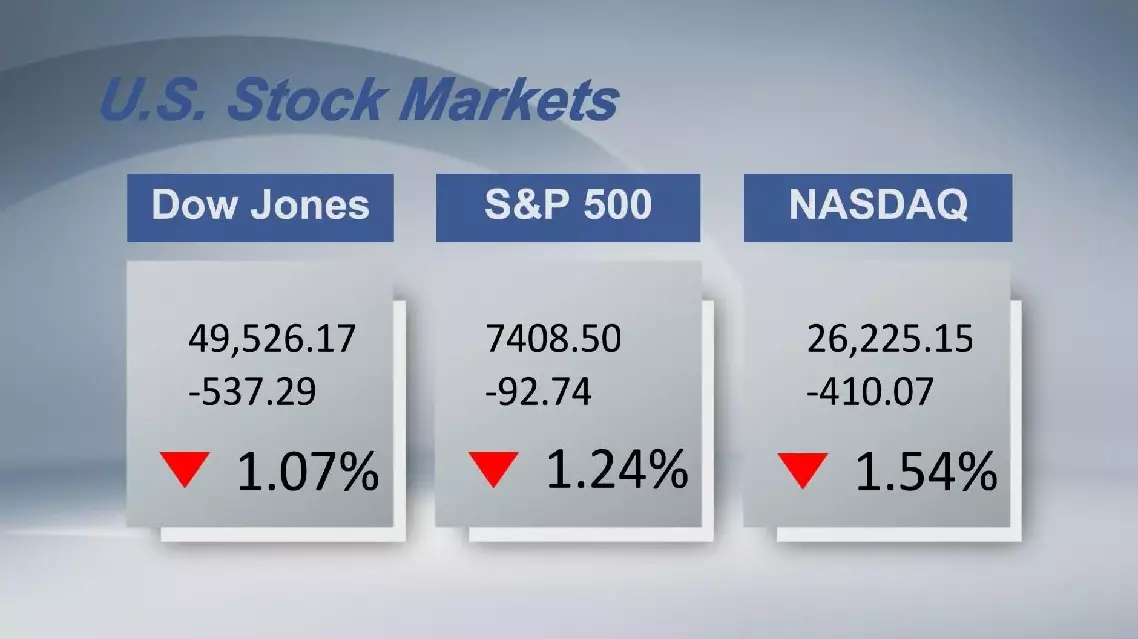
US stocks retreat from record highs amid surging oil prices