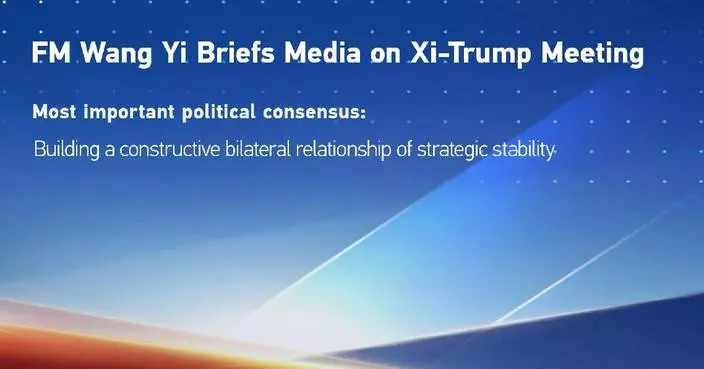
The just-concluded meeting between Chinese President Xi Jinping and his U.S. counterpart Donald Trump in Beijing is constructive for the future development of China-U.S. relations, helping sustain the momentum in head-of-state diplomacy between the two countries and underscoring both sides' willingness for mutual benefits and win-win results, said a Chinese scholar on international politics on Friday.
Trump concluded his three-day state visit to China on Friday afternoon.
Xi said that the two sides have reached important common understandings on maintaining stable economic and trade ties, expanding practical cooperation in various fields, and properly addressing each other's concerns. He also said that the two countries can advance their respective development and revitalization by strengthening cooperation.
Su Xiaohui, an associate research fellow at the China Institute of International Studies, said the visit will open more opportunities for the two countries to advance head-of-state diplomacy and high-level interactions in the future.
"This state visit has indeed been constructive for China-U.S. relations, which means there will be more opportunities for the two countries to advance head-of-state diplomacy and high-level interactions in the future," said Su.
"First of all, we can see that President Trump has extended an invitation to President Xi, hoping for another round of interaction between the two countries within this year and expressing the wish for President Xi to visit the United States. This year is quite special for both China and the United States. Each side has important domestic political agendas, and likewise, both have their own needs in terms of foreign relations and diplomacy. We can see a good start from this round of China-U.S. interaction. From on now, future communication between the two countries may become smoother, and unresolved issues may have a stronger foundation for solutions," Su said.
This year marks the start of China's 15th Five-Year Plan period (2026-2030) and the 250th anniversary of U.S. independence. China is set to host the Asia-Pacific Economic Cooperation (APEC) Economic Leaders' Meeting, while the United States will host the Group of Twenty (G20) Summit. All these suggest that both countries need each other’s support for their domestic development as well as diplomatic agendas, said the scholar.
Su also said that the Xi-Trump meeting also showed that mutual benefit and win-win results are the shared aspiration of both countries.
"This round of China-U.S. interaction once again makes clear that mutual benefit and win-win results are indeed the shared aspiration of both countries, and it is also a reality that both sides are actively promoting. President Trump’s visit to China also reflects the great importance the United States attaches to China," said Su.
Noting that one visit cannot resolve all differences between the two countries, She said that maintaining strategic communication could help the two sides seek consensus, avoid missteps, and keep bilateral relations on right track.
"Of course, a single state visit cannot resolve all issues. The two major countries have different national conditions and certain divergences, which require long-term work and search for solutions. In the future, whether in economic and trade relations or in a series of sensitive issues, China-U.S. interactions may continue to experience ups and downs. However, by maintaining strategic communication, the two sides can seek consensus, prevent the development of relationship from getting out of control, and identify the right direction. This is the core principle that should guide the interaction between China and the United States, especially when the two sides work toward the same goal," Su said.
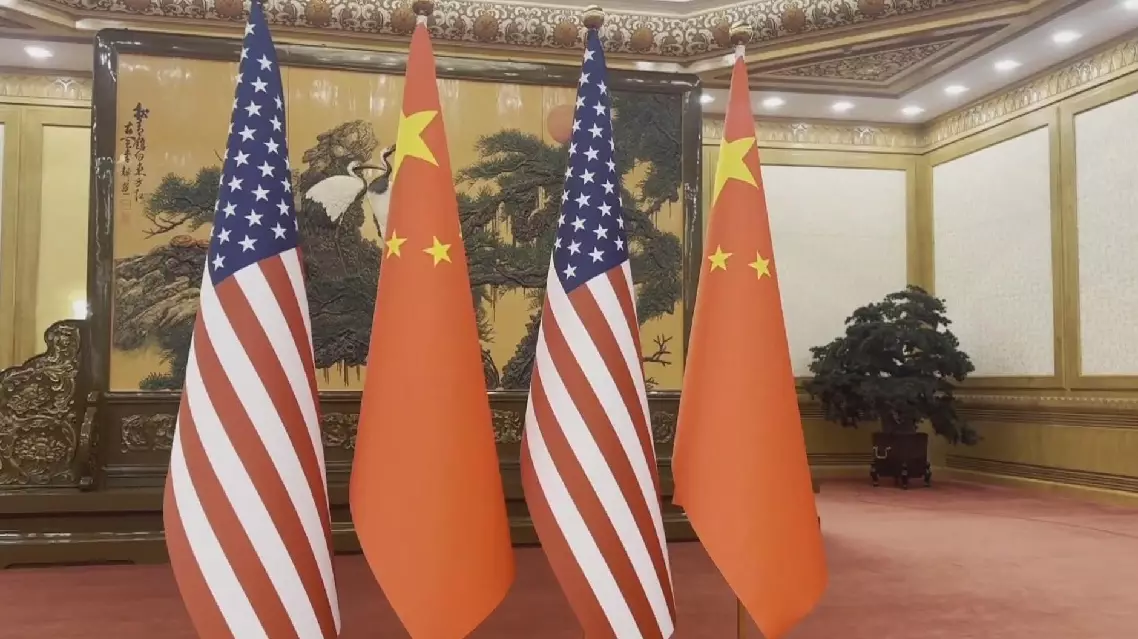
Xi-Trump meeting constructive, signals willingness for win‑win results: Chinese scholar
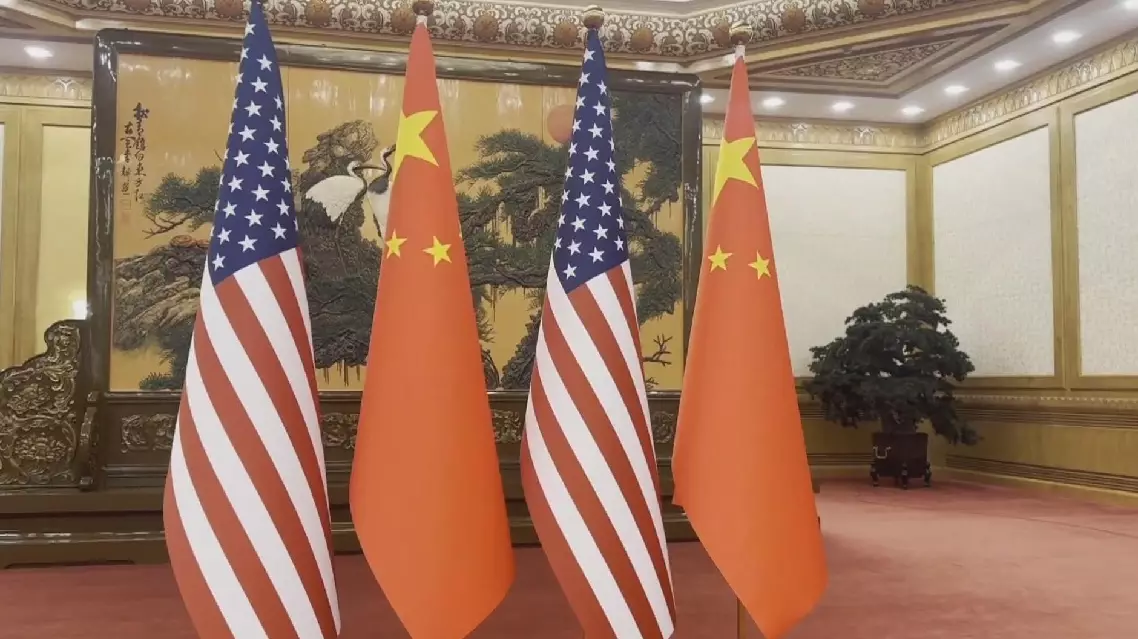
Xi-Trump meeting constructive, signals willingness for win‑win results: Chinese scholar