LONDON (AP) — Wes Streeting's ambition to head the British government was one of the worst-kept secrets in U.K. politics.
But if anyone was unaware, it's now official — the former health secretary announced on Saturday his intention to oust Prime Minister Keir Starmer.
Click to Gallery
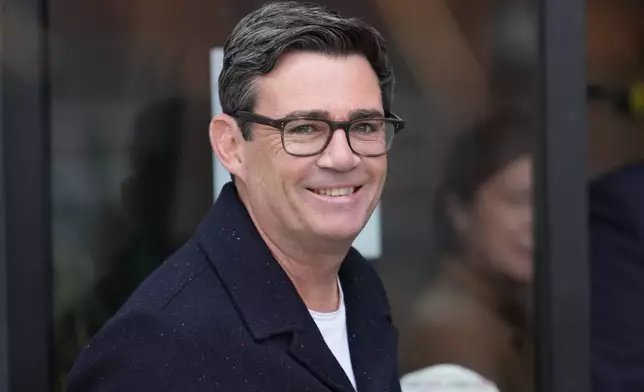
FILE - Andy Burnham, the Mayor of Manchester, arrives a fringe meeting during the annual Labour Party conference in Liverpool, England, Sept. 29, 2025. (AP Photo/Jon Super, File)
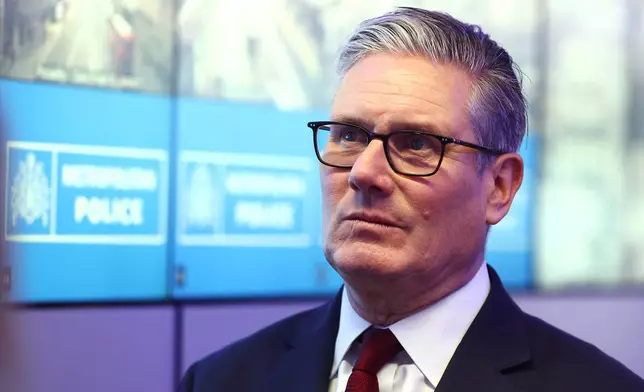
British Prime Minister Keir Starmer meets police officers to discuss operational planning, in London, Friday, May 15, 2026. (Peter Nicholls/Pool Photo via AP)
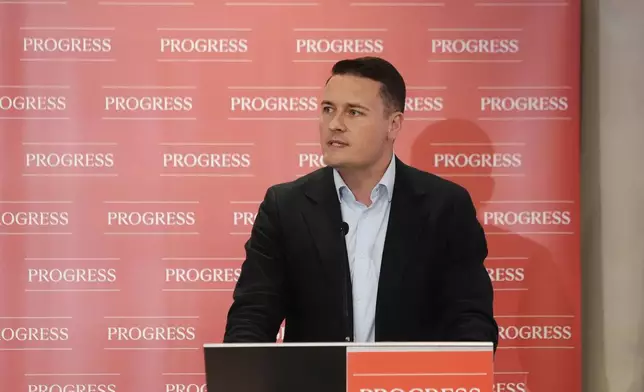
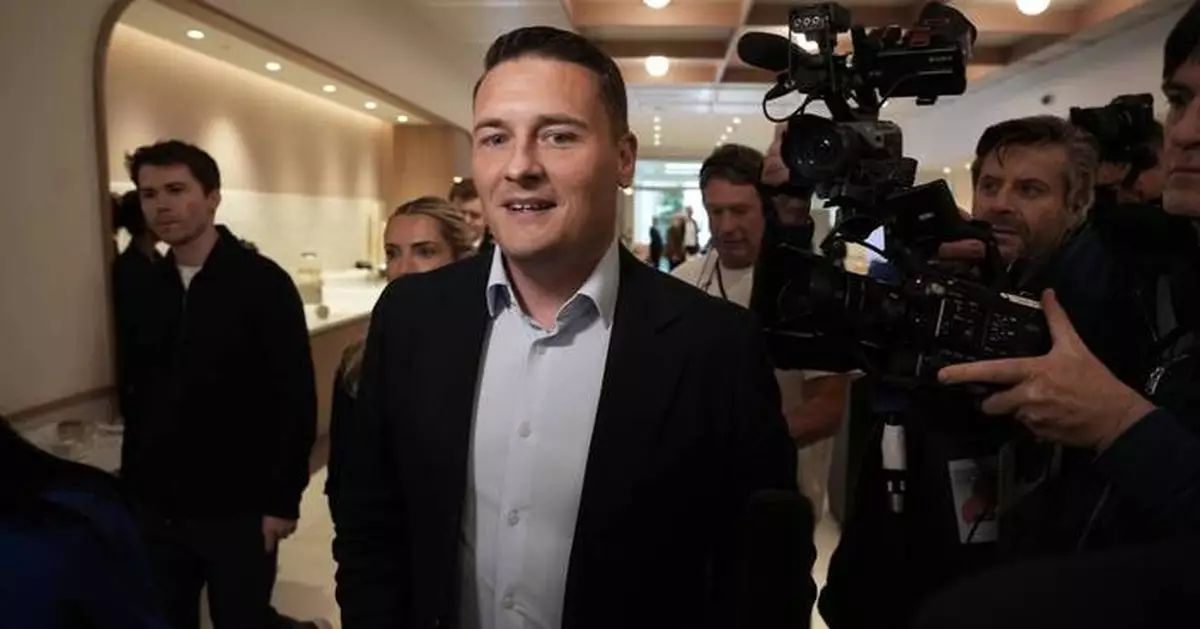
Wes Streeting speaks at the Progress Conference at Convene in London, Saturday May 16, 2026. (Jeff Moore/PA via AP)
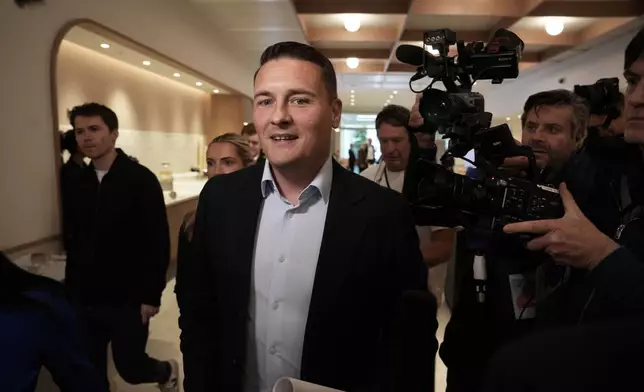
Wes Streeting arrives at the Progress Conference at Convene in London, Saturday May 16, 2026. (Jeff Moore/PA via AP)
“We need a proper contest with the best candidates on the field, and I’ll be standing,” Streeting said.
Streeting is the first member of Parliament to say he will take on Starmer in what is likely to be a bruising internal contest for the reins of the Labour Party, which has seen its fortunes fall in the two years since its historic landslide victory swept out Conservatives after 14 years in power.
Streeting is likely to face other challengers, including Greater Manchester Mayor Andy Burnham, if the latter can win a special election for a seat in the House of Commons that is expected to take place within the next few weeks.
Starmer has vowed to fight on despite being widely unpopular after a series of setbacks, policy U-turns and questions over his judgment for appointing a friend of the sex offender Jeffrey Epstein as U.S. ambassador. The government is facing weeks of chaos after he rejected calls to resign following the party’s disastrous results in the May 7 local and regional U.K. elections, in which Nigel Farage's anti-immigrant Reform UK made huge gains.
“The voters did more than send Labour a message last week," Streeting said on Saturday. "They issued a warning: that unless we change course, we risk being the handmaidens of Nigel Farage and the breakup of the United Kingdom.”
The boyish-looking Streeting, 43, is widely regarded as one of the party's best communicators and has been an outspoken voice on issues that include the war in Gaza.
His rise in the ranks of the Labour Party from roots in London’s working-class East End, where he grew up in public housing, is charted in his memoir, “One Boy, Two Bills and a Fry Up: A Memoir of Growing Up and Getting On.”
The title refers to two grandfathers both named Bill: The one on his mother’s side was associated with gangsters and served prison time for armed robbery; he credits the one on his father’s side with leading him on the path to Cambridge University.
Streeting got into politics at a young age, leading the Cambridge student union and becoming president of the National Union of Students. He later worked for Stonewall, an LGBTQ+ group, and has spoken of his struggle coming out as gay and reconciling his sexuality with his Anglican faith.
He served as a councilor in local government and later deputy leader of the council in the east London borough of Redbridge before being elected to Parliament in 2015.
He was a backbench lawmaker under Labour leader Jeremy Corbyn, a veteran socialist whose time in charge saw the party lose two elections and face allegations of antisemitism in its ranks. Streeting, long critical of Corbyn, was promoted after Starmer took over as leader in 2020.
Streeting’s Cabinet position became a personal mission to fix an ailing National Health Service because of his own battle with kidney cancer.
“The NHS saved my life,” he said when he was named health secretary. “Today, I can begin to repay that debt by saving our NHS.”
Even as Streeting was said to have an eye on a higher office, he stood by Starmer and denied having designs on replacing him.
But with Starmer on the ropes, maintaining that line became difficult last week.
On Wednesday, as King Charles III was delivering the government’s blueprint for the next couple of years during the ceremonial opening of Parliament, talk of a coup dominated headlines.
“Streeting to ignite Labour day of anarchy,” the Daily Mail blared in all caps. “Finally, a move to bring down ‘Zombie’ Keir?” asked the Daily Express.
Streeting quit the Cabinet the following day — becoming the first to do so — saying he had lost confidence in Starmer and sharply criticized him for lacking vision and direction. But he didn’t immediately announce an anticipated showdown with Starmer.
He resigned on the same day he touted that waiting lines for medical appointments — one of his signature priorities — fell for the fifth straight month.
Generally regarded as being in the moderate wing of the left-leaning party, Streeting was friendly with Peter Mandelson, the once-influential Labour figure now in disgrace over his friendship with Epstein. Starmer appointed — and later sacked — Mandelson as U.S. ambassador, a decision that continues to haunt him.
As controversy over the appointment was reignited earlier this year, Streeting preemptively released a clutch of email exchanges he’d had with Mandelson in an attempt to show they were not close friends.
“Contrary to what has been widely reported, I was not a close friend of Peter Mandelson, but I am not going to wash my hands of my actual association with him either,” he wrote in The Guardian.
In one of the emails, he was critical of Starmer’s leadership, writing that “there isn’t a clear answer to the question: why Labour?”
Streeting will begin to lay out his answer to that question in the coming weeks.
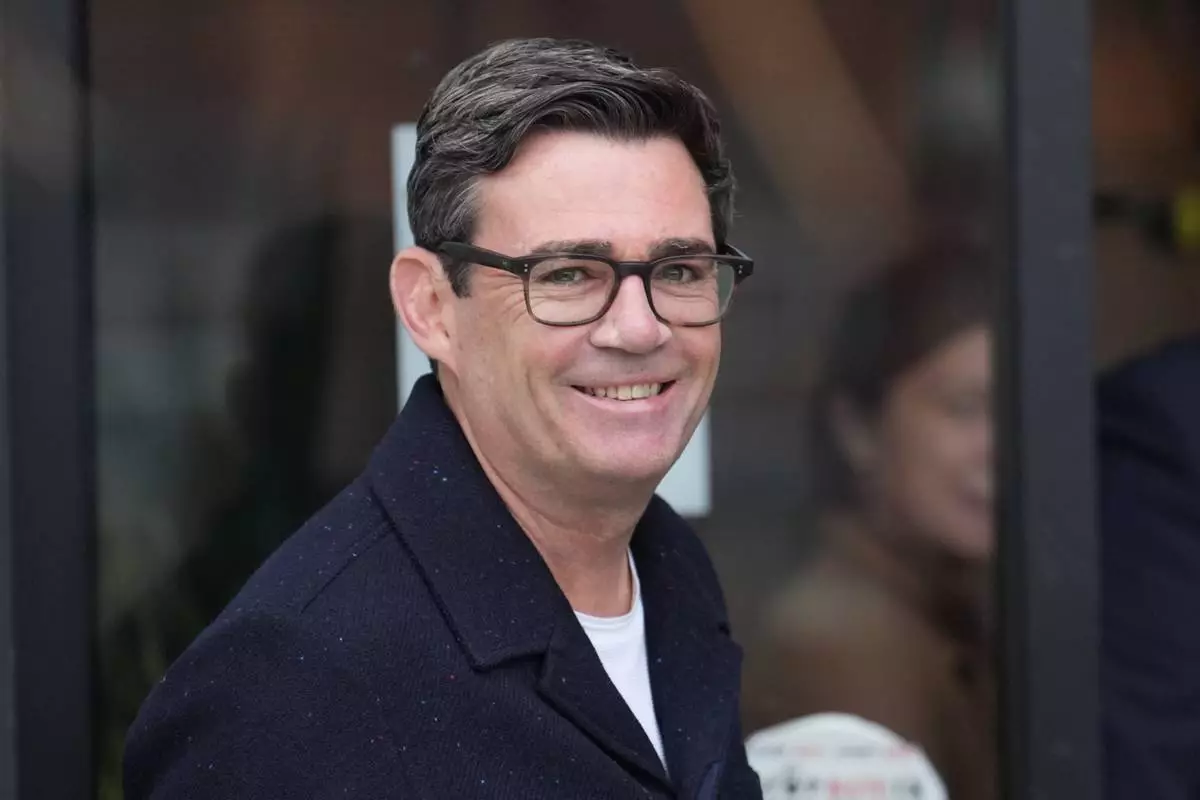
FILE - Andy Burnham, the Mayor of Manchester, arrives a fringe meeting during the annual Labour Party conference in Liverpool, England, Sept. 29, 2025. (AP Photo/Jon Super, File)
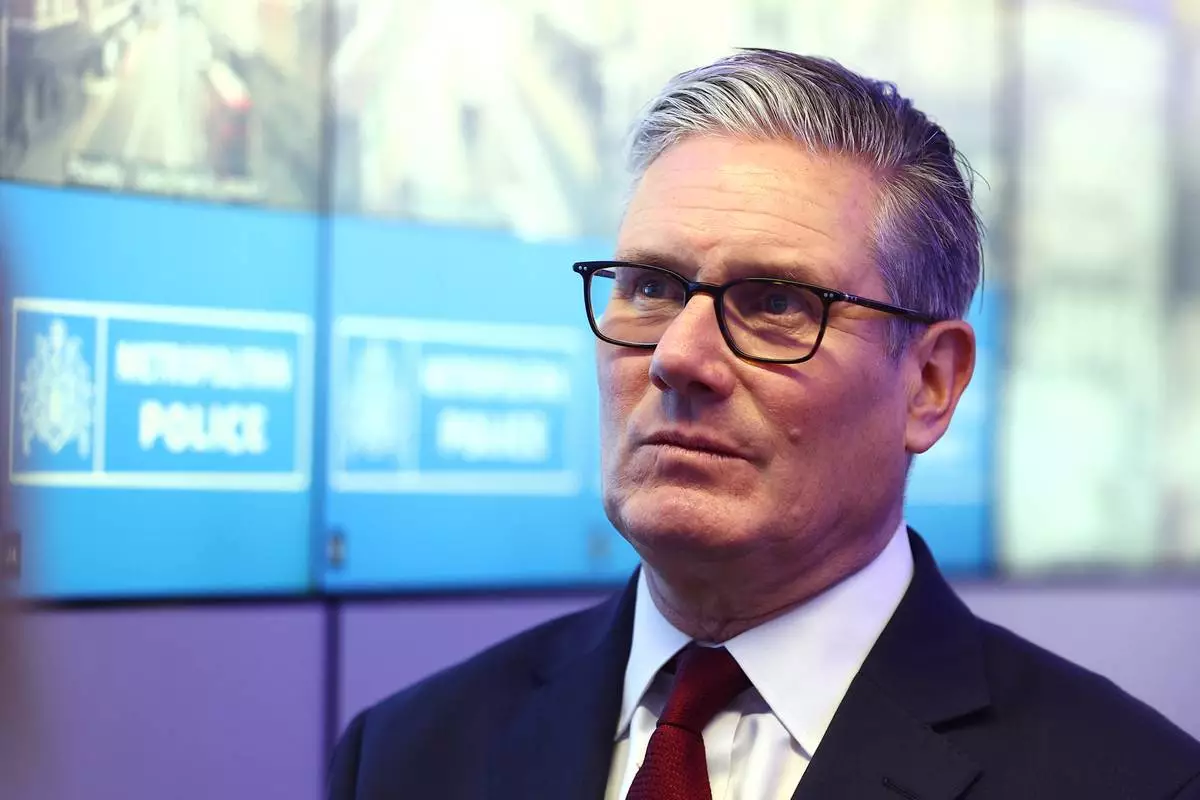
British Prime Minister Keir Starmer meets police officers to discuss operational planning, in London, Friday, May 15, 2026. (Peter Nicholls/Pool Photo via AP)
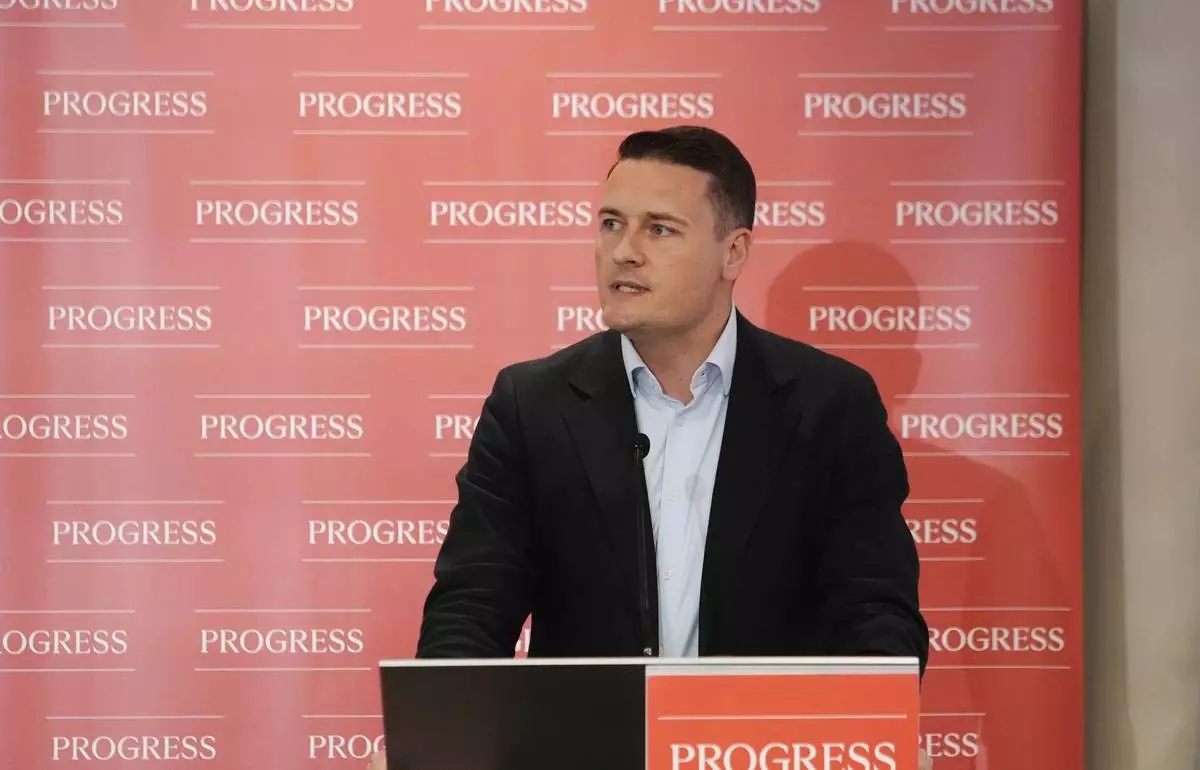
Wes Streeting speaks at the Progress Conference at Convene in London, Saturday May 16, 2026. (Jeff Moore/PA via AP)
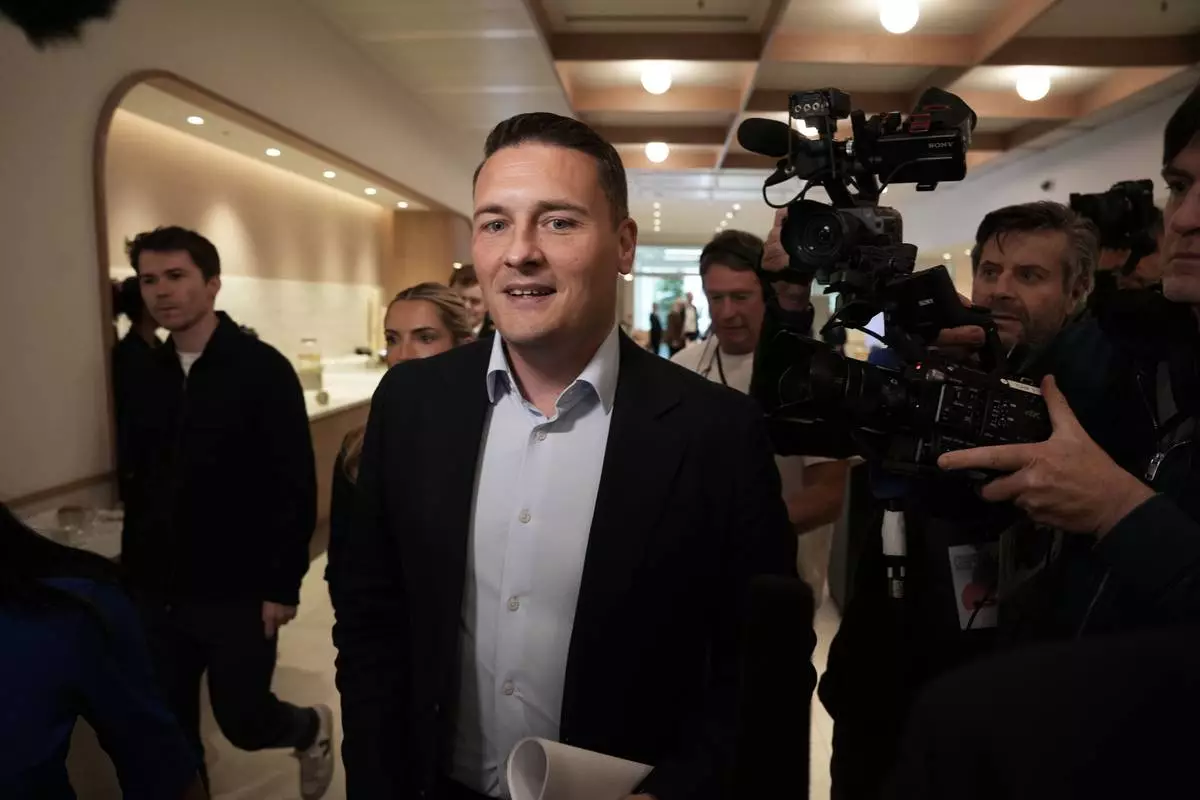
Wes Streeting arrives at the Progress Conference at Convene in London, Saturday May 16, 2026. (Jeff Moore/PA via AP)