Global shipping companies are seeking alternative routes to transport goods as disruptions continue at the Strait of Hormuz.
A shipping giant is working to create a logistical route to transport goods from the Gulf Cooperation Council (GCC) nations by land in Saudi Arabia and Jordan to reach the Red Sea, from there it uses the Suez Canal to deliver goods to and from Europe and North Africa.
According to an expert, the closure of the Strait of Hormuz has massive consequences.
"Many of the countries bordering the Persian Gulf are impacted because 85 to 90 percent of their needs for strategic and basic goods comes from this strait. Therefore, the impact is huge", said Mohamed Ali Ibrahim, professor of economics at the Cairo-based Arab Academy for Science, Technology and Maritime Transport.
Mohamed Kabbary, co-founder of Egyptian company SQL Shipping, highlighted the sharp rise in logistics costs.
"For two months now the Hormuz shutdown left our goods stranded in Jebel Ali. To release these goods, we must pay a lot of money in storage and demurrage fees," said Kabbary.
As the Suez Canal is a vital part of this route, Egypt has facilitated procedures for transit goods, utilizing its massive logistics infrastructure to lift off the pressure the Hormuz shutdown led to.
"We are working on relocating an entire production line from the GCC to Algeria. The route includes land transport through Saudi Arabia to Jordan, then using ferries to transport good to Safaga port to create a multi-shipping model," said Kabbary.
Because of the sudden surge of land transport, coupled with the significant price hikes in oil prices, experts estimate the cost of trucks could spike by 120 percent, pushing the cost of goods up by 20-40 percent.
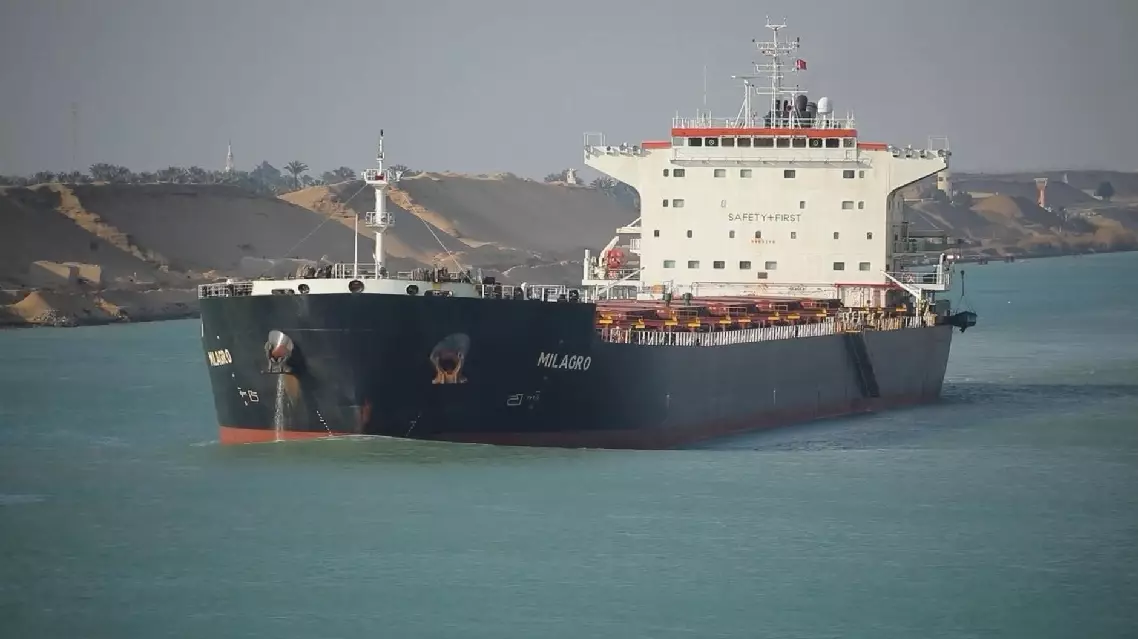
Shipping companies seek alternative routes due to Hormuz closure