The opening ceremony of the sixth China Yue Opera Art Festival, marking the art form's 120th anniversary, was held Friday in Shaoxing City, east China's Zhejiang Province.
Co-organized by the Ministry of Culture and Tourism, Zhejiang's cultural authorities, Shaoxing municipal government and China Media Group, the gala featured 16 professional troupes, 23 Plum Blossom Award winners and nearly 100 performers across all 13 major Yue Opera styles.
From its rural Zhejiang roots to national acclaim, Yue opera, also known as Shaoxing opera, continues to captivate audiences. The gala will air soon on CCTV-11, celebrating 120 years of this cultural treasure.

China Yue opera festival opens in Zhejiang
As the United States prepares to review the United States-Mexico-Canada Agreement (USMCA) amid renewed tariff pressures and rising political tensions with its North American neighbors, a Washington-based apparel entrepreneur says small businesses are being squeezed by higher costs across the regional supply chain, urging policymakers to consider the impact of trade decisions on firms that form the backbone of the U.S. economy.
JC Smith's T-shirts and hats couldn't be more Washington D.C., celebrating and poking fun at the U.S. capital. But his supply chains are anything but local.
"So, yes, right now we get them from U.S. companies, but they say they are U.S. made, assembled in the Central American countries, Nicaragua, Honduras, things like that. But they are technically U.S.-made companies," said Smith, founder of DC-based Bailiwick Clothing Company.
What Smith is describing is the North American supply chain.
His merchandise comes across the U.S. border with Mexico, the United States' biggest trading partner to the south.
This year, the trade agreement, once known as NAFTA - renamed the United States-Mexico-Canada Agreement (USMCA) in 2020, is up for renegotiation.
The review comes at a fraught time. The Trump administration has imposed tariffs on Mexico and its neighbor to the north Canada, even suggesting Canada should become part of the U.S.
Behind the geo-political positioning, small businesses have been caught in the crossfire.
"In the past few years with some tariffs, whatnot, yes, prices have been going up, the cost of everything, raw materials and then transportation as well. And so yeah, we have some decisions to make as far as pricing goes and knowing that we are going to have to potentially raise prices," said Smith.
As the U.S. president returned to Washington after his meetings in China, accompanied by some very high-profile business leaders, Smith's message to the administration is to think of the smaller firms, the small businesses that, with a bit of a break, could become bigger and continue to power the economy.
"There are more small businesses out there than big businesses, right? It's the heartbeat of America. So, think about the little guy when they make their decisions and think about the cost of gas, cost of transportation, cost of raw materials that all squeezes us. And yes, they want to help the economy, the best way is to help small businesses," said Smith.
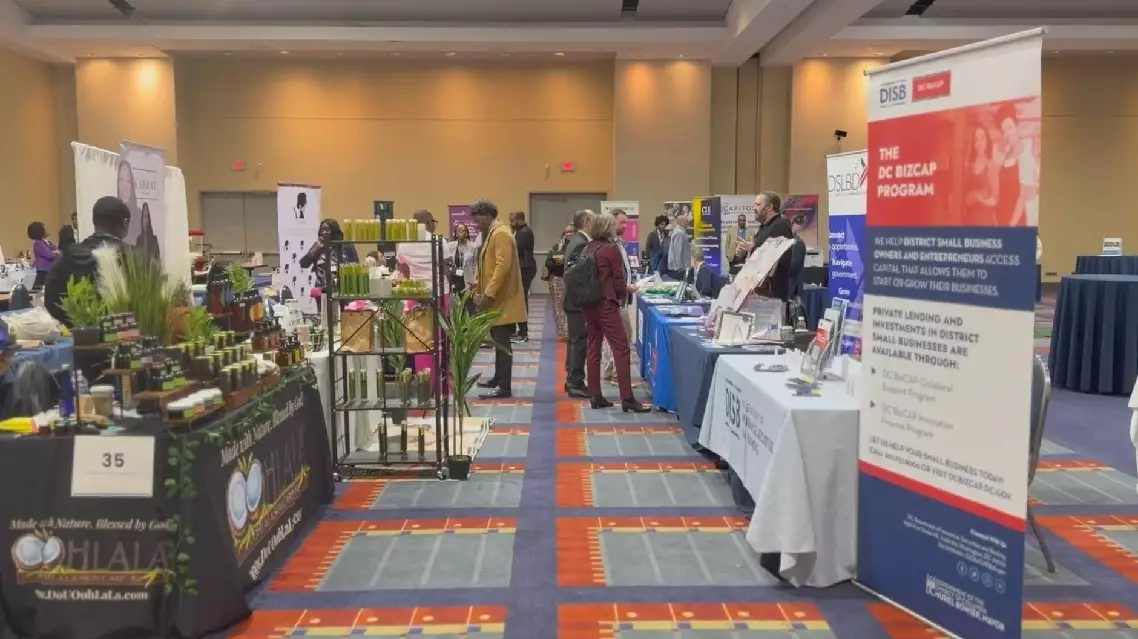
US small business owner warns tariffs, rising costs squeeze supply chain