The Belgian people are now feeling the squeeze of surging fuel costs as the conflict in the Middle East continues to roil the international energy market.
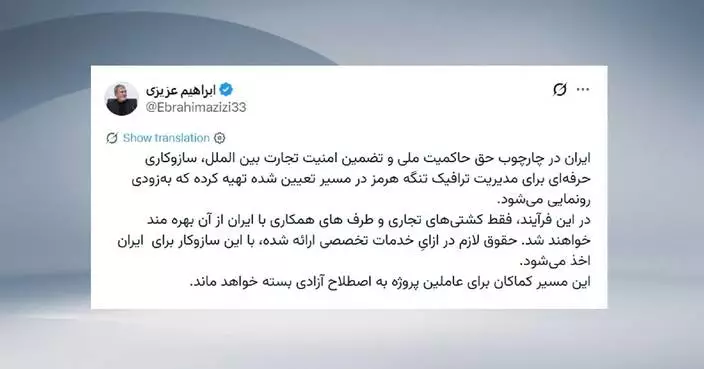
The United States and Israel launched joint military strikes against Iran on Feb. 28, disrupting shipping in the Strait of Hormuz, through which around 20 percent of the world's oil traverses, and causing oil prices to rise.
The surge in fuel prices has driven up costs in the transportation sector and commodity prices at local markets, impacting people's purchasing power. Many of the Belgian people have said high fuel cost are putting immense pressure on their lives.
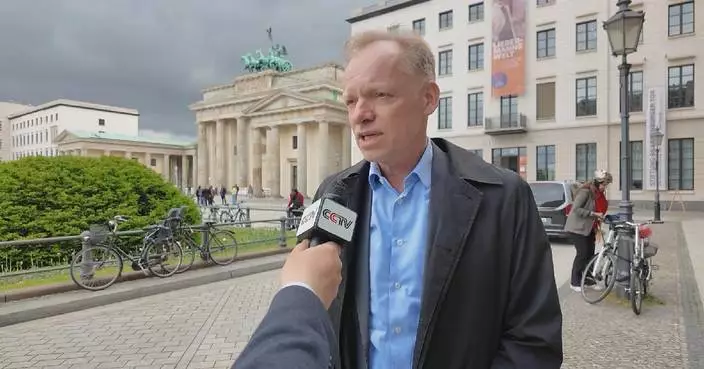
"They take all the money. The price is going more and more high. It takes 30 (money) euros or more. And you need that money to eat," said a local resident.
According to the latest data from Eurostat, against the backdrop of rising energy prices driven by the Middle East tensions, economic growth in the eurozone has slowed down while inflation has rebounded again. The risk of stagflation continues to intensify, and the economic outlook has grown increasingly bleak.
Under the weight of multiple pressure, it was generally admitted that the burdens of daily life increased. Local residents fear that they will ultimately be left to foot the bill for the crisis. They hope for a swift de-escalation of the situation in the Middle East and a return to peace and stability.
"I think everything becomes much more expensive and it's not nice because people have to buy houses and stuff and pay gas for their cars. So it has caused so much stress and troubles. So I hope it will end. I hope everything will just become peaceful again," said another resident.
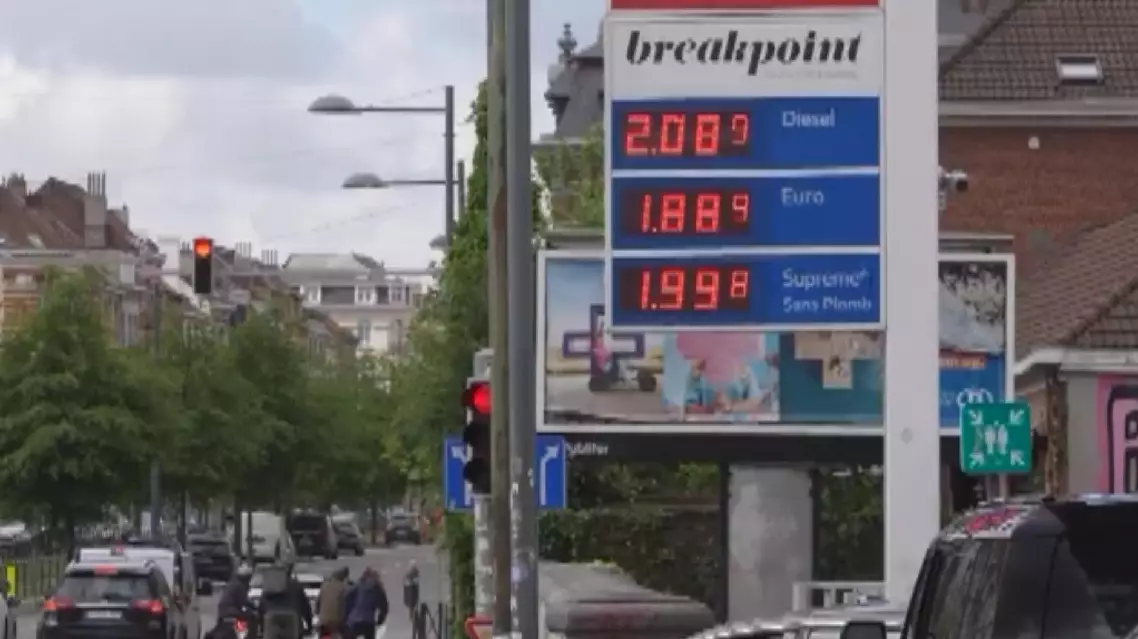
Soaring fuel costs from US-Israeli war on Iran squeeze Belgian households
China's "film plus" model has fueled consumption boom and economic vitality in many cities across the country.
In Fuzhou City of east China's Fujian Province, growing flow of customers are entering shopping malls for films, dining, shopping, and leisure activities.
With movie ticket stubs from the cinema, customers can enjoy exclusive discounts on meals, retail items, and more within the commercial area.
Conversely, consumers can present their shopping receipts from the mall to enjoy discounts on movie tickets.
"Film plus entertainment" and "film plus dining" have already emerged as new trends in consumption, creating a "two-way traffic" between cinemas and other businesses, a mall manager said.
"The 'film-plus' campaign has fueled the film ticket stub economy, linking catering, entertainment, and other sectors to drive customer traffic and create a virtuous cycle of customer traffic and sales," said Qiao Jie, manager of a shopping mall in Fuzhou.
Since the beginning of this year, the China Film Administration and the China Media Group have jointly spearheaded the "China Film Consumption Year" campaign, featuring a wide range of cinema-related promotional events and discount programs across the country.
It elevates what was once a singular movie-watching expense into a "one-stop" consumption experience that integrates film, dining, shopping, leisure and even tourism, fostering new business models and boosting spending.
"In the past, watching a film simply meant stepping into a cinema. Now, the concept has expanded into broader spaces and diverse fields. Thus, 'film-plus' has upgraded the film consumption into a more diverse and novel lifestyle consumption experience," said Chen Tao, assistant dean of the School of Liberal Arts of Renmin University of China.
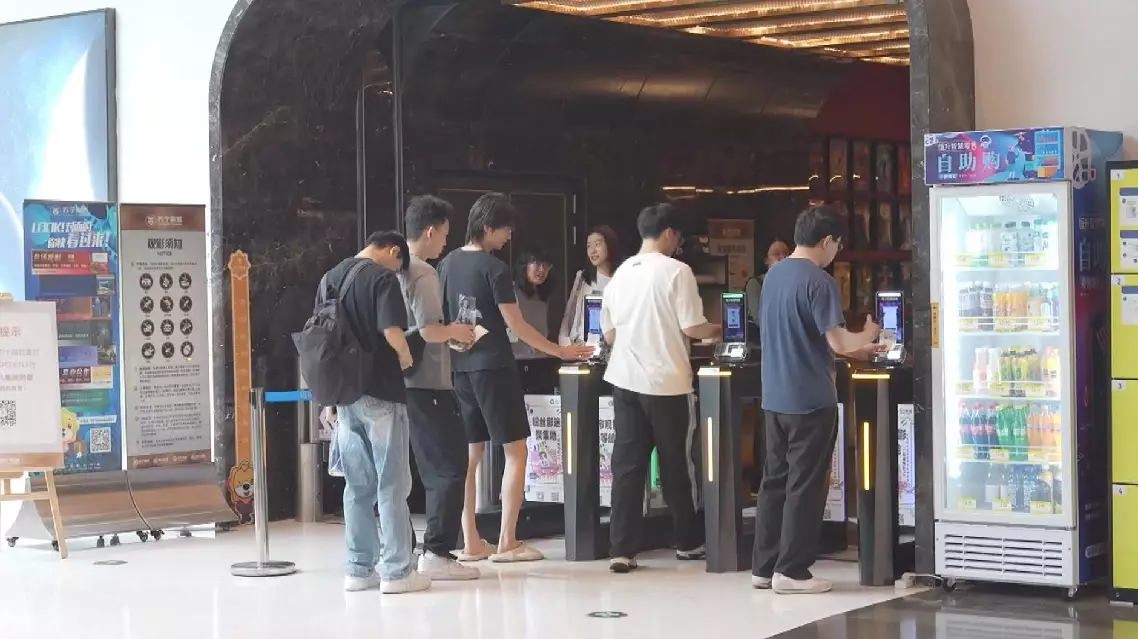
China's "film plus" model fuels consumption boom, economic vitality