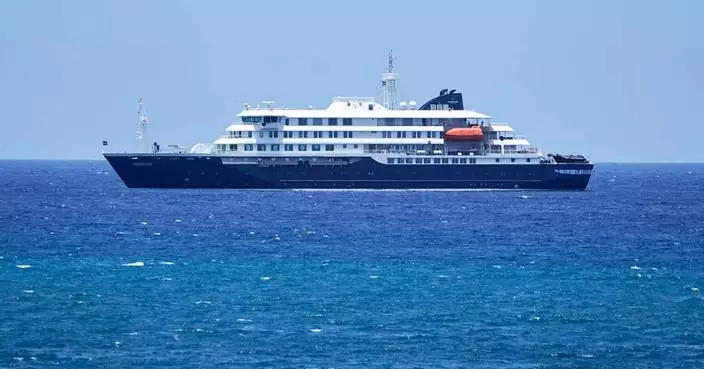
USHUAIA, Argentina (AP) — Travelers hoping to catch a glimpse of Magellanic penguins and humpback whales have journeyed in greater numbers every year to Ushuaia, the main Antarctic cruise hub at the southernmost point of Argentina.
The wind-lashed city that bills itself as the “end of the world” now fears for its future. In the last week, the remote outpost has found itself at the center of speculation about the source of a deadly hantavirus outbreak on an Atlantic cruise after Argentina's Health Ministry said it was examining whether the outbreak’s first victims, a Dutch couple who died in April, contracted the rat-borne virus there.
Click to Gallery
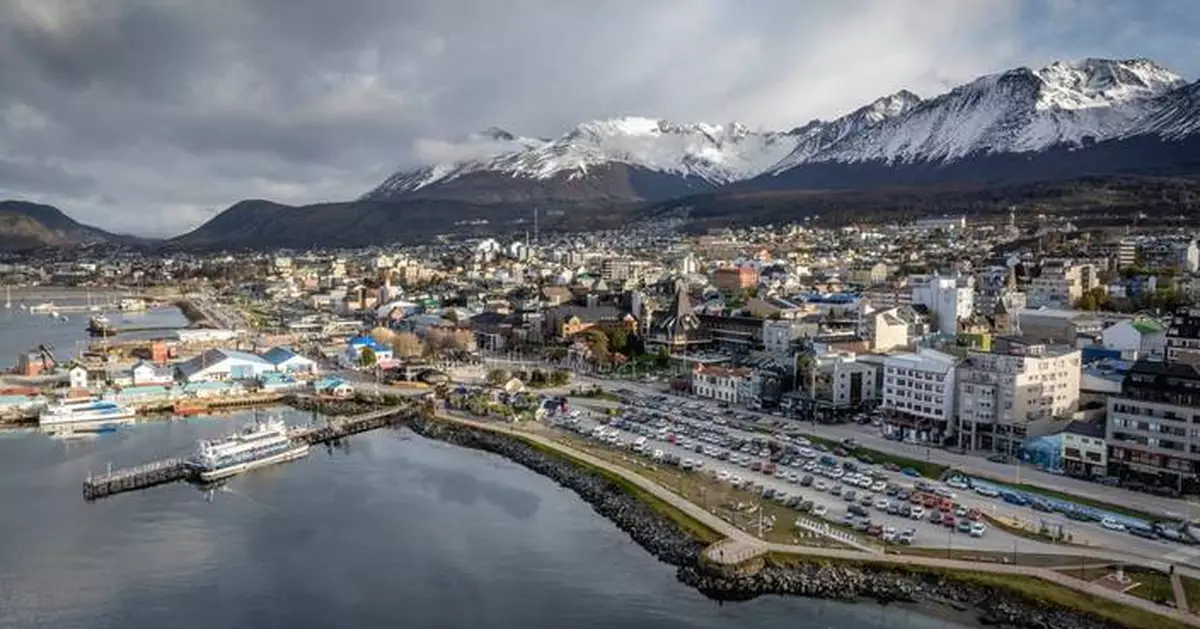
Boats sit in the dock in Ushuaia, Argentina, Thursday, May 14, 2026. (AP Photo/Joel Reyero)

People sit on a bench in Ushuaia, Argentina, Thursday, May 14, 2026. (AP Photo/Joel Reyero)
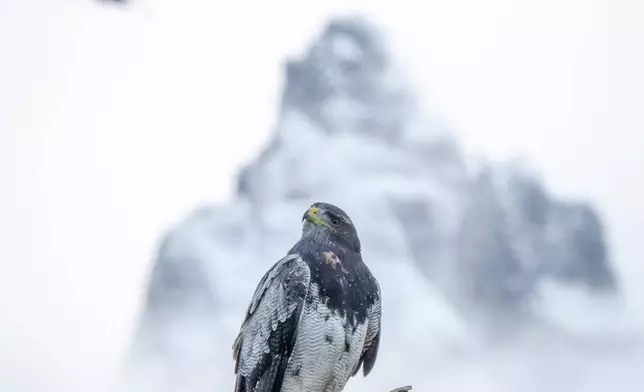
An eagle sits on a branch in Ushuaia, Argentina, Thursday, May 14, 2026. (AP Photo/Joel Reyero)
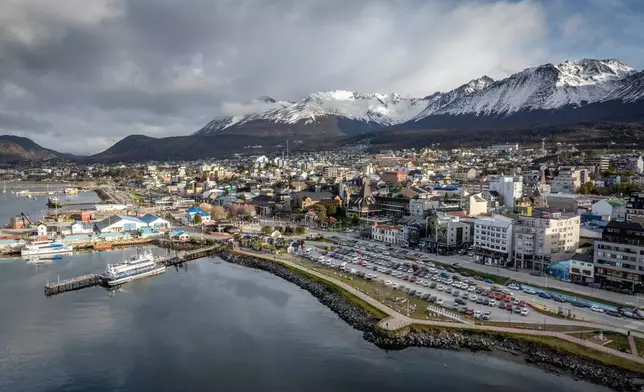
The sun shines down on Ushuaia, Argentina, Thursday, May 14, 2026. (AP Photo/Joel Reyero)
Questions surround the investigation. Authorities in Ushuaia — the capital of left-leaning Tierra del Fuego Province, which has frequently clashed with libertarian President Javier Milei — say they're victims of a smear campaign. The Argentine Health Ministry says it can't rule out any destination visited by the Dutch bird enthusiasts during their monthslong road trip through Argentina and Chile before boarding the ship in Ushuaia.
Despite a lack of any evidence to suggest the outbreak started in Ushuaia, people here whose livelihoods depend on foreign visitors say they are feeling the effects.
“This is a place that we’ve tried to promote as being as far away as possible from all the world’s problems — war, racism, health problems, too,” said Julio Lovece, the former tourism secretary of Ushuaia. “There’s concern because our main attraction is clean and pure landscapes, the imaginary idea of the end of the world.”
The arrival of winter has emptied Ushuaia save for a trickle of Brazilian tourists in puffy jackets and big hoods bobbing down the sleet-slick streets like the penguins they've come to visit.
“We got a little worried this was something similar to what we experienced with COVID,” said Vinícius Pezzini, 38, an investment banker from São Paulo on his honeymoon. “But from what it seems, everything is functioning normally."
As the subpolar Patagonian wind blows in off the Beagle Channel, tour operators already are looking toward the high season. Winter is when deep-pocketed passengers plan summer cruises to Antarctica. Several travel agents said that fears about the Andes variant of the hantavirus have already caused some Americans and Europeans to scrap cruise bookings for next season. They declined to say how many.
“We have seen a number of passengers canceling trips, but my main concern is not the cancellations but people who were thinking about going to Ushuaia but had two or three destinations to choose from and now may go to Southeast Asia or Africa,” said Ángel Brisighelli, owner of the Ushuaia-based Rumbo Sur travel agency. “That damage won’t be visible until much later.”
It's a reminder of just how fragile the tourism economy remains, especially for cruises occupying an outsized place in the public imagination when it comes to infectious disease.
Some officials in Tierra del Fuego are subscribing to the philosophy that all press is good press.
“We suffered a loss of prestige, yes. But this is also a chance to show that Ushuaia is one of the safest places in the world,” said Juan Pavlov, the secretary of foreign affairs at the Tierra del Fuego Tourism Institute.
Many residents of Tierra del Fuego, lured by tax breaks to the rugged region in the 1970s, remember when Antarctic travel meant naval patrols and research expeditions. Today, the white continent routinely tops bucket lists of vacationers from around the world.
A decade ago, just over 38,400 Antarctic cruise passengers set out from Ushuaia, a city of 80,000. In the 2025-2026 season, more than 135,000 did, according to Argentine port authorities, many hoping to experience the world's largest ice sheets before they melt.
Ninety percent of Antarctic cruises depart from Ushuaia, and the city says it relies on tourism for over 25% of its revenue. Any drop in visitors, however small, can have ripple effects throughout the economy, said Patricio Cornejo, head of local travel agency Tierra del Fuego Aventura.
“Everything would exist in a different reality without the dynamism that tourism creates here, especially when other industries fail to generate momentum,” he said.
Under Milei, Tierra del Fuego has weathered a series of economic blows. The government's scrapping of trade barriers has battered the island’s mainstay electronics production, while its strengthening of the local currency has given Argentines more spending power abroad, discouraging tourism at home that keeps Ushuaia afloat during the low season.
Argentina’s apparent lack of urgency in hunting for the origin of the outbreak has perplexed experts overseas.
Officials are still struggling to fill the gaps in the late Dutch couple’s itinerary. Scientists from a government research institute have yet to arrive in Ushuaia more than two weeks after Argentina's Health Ministry said it would send them to test rodents in the province, which has never registered a case of the hantavirus.
“The investigation is going to be key for us to see what we can learn from the outbreak,” said Mark Loafman, a family medicine doctor and public health expert at Cook County Health in Chicago. “We’d like to see hypotheses based on science, and not on concern over tourism.”
The Pan American Health Organization — to which Argentina is party despite withdrawing from the World Health Organization last year — defended Argentina’s response and said it was working with its government to “strengthen the detection and follow-up of potential cases.”
“While the ongoing investigation remains important, its broader public health relevance for the Americas is limited, given that the disease is endemic in the region,” the organization said in response to questions on whether the lagging investigation caused concern.
Here in Ushuaia, authorities argue the most logical source of contagion is the Patagonian region that spans southern Chile and three Argentine provinces, where the same Andes hantavirus identified in the cruise outbreak circulates.
But health officials say they have no record of the Dutch couple visiting those endemic areas during the incubation period for the virus — estimated to be between nine and 45 days before the arrival of symptoms on April 6.
In recent days, they've stressed that all is well in Argentina's treasured tourist destinations.
“Tourism operators tell us that many trip reservations have been canceled, so we must make this clarification,” announced José Contreras, mayor of the village of Epuyén where a 2018 hantavirus outbreak killed 11 people. "Epuyén has no hantavirus this season. People should feel at ease and continue to visit.”
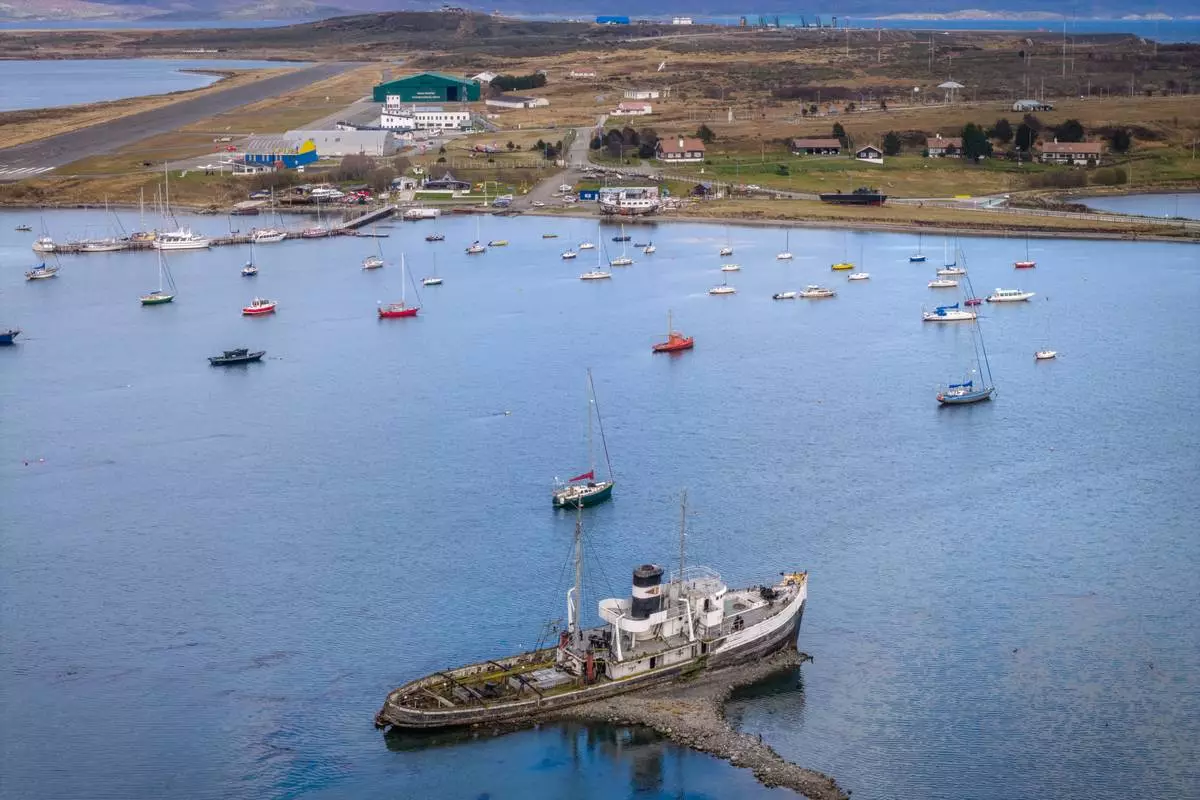
Boats sit in the dock in Ushuaia, Argentina, Thursday, May 14, 2026. (AP Photo/Joel Reyero)
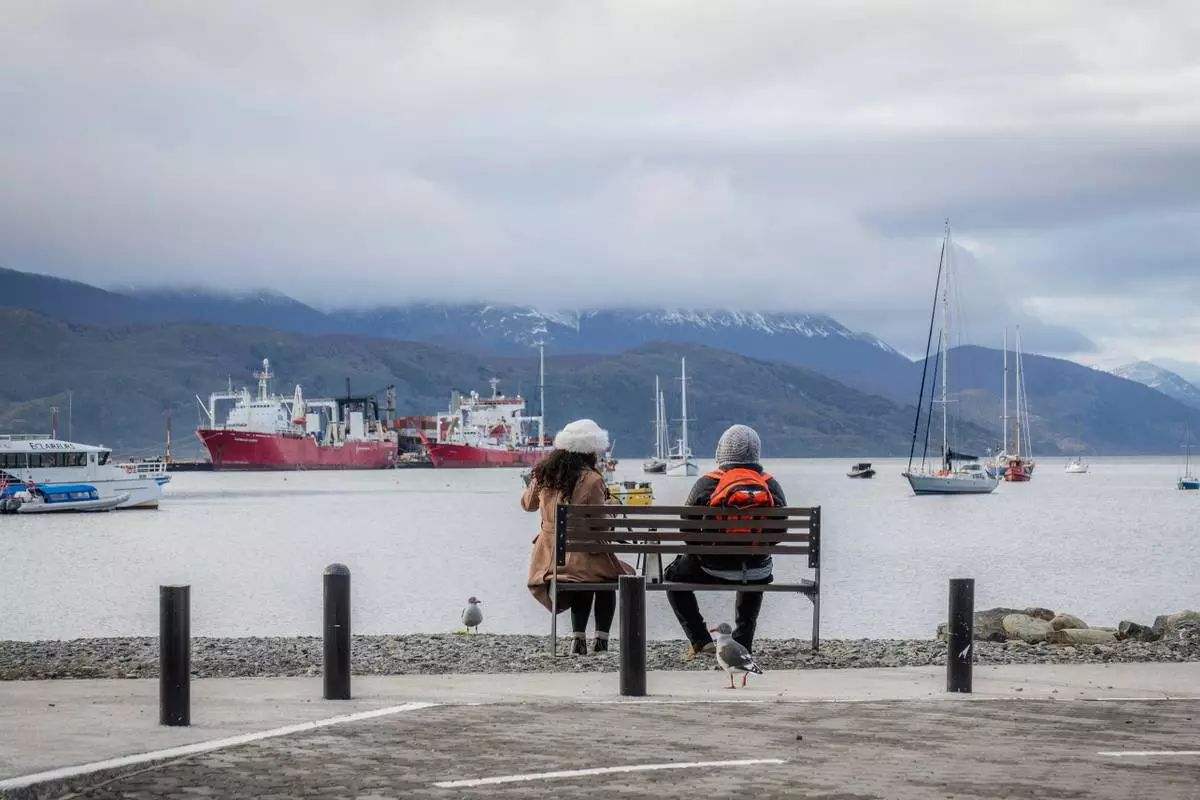
People sit on a bench in Ushuaia, Argentina, Thursday, May 14, 2026. (AP Photo/Joel Reyero)
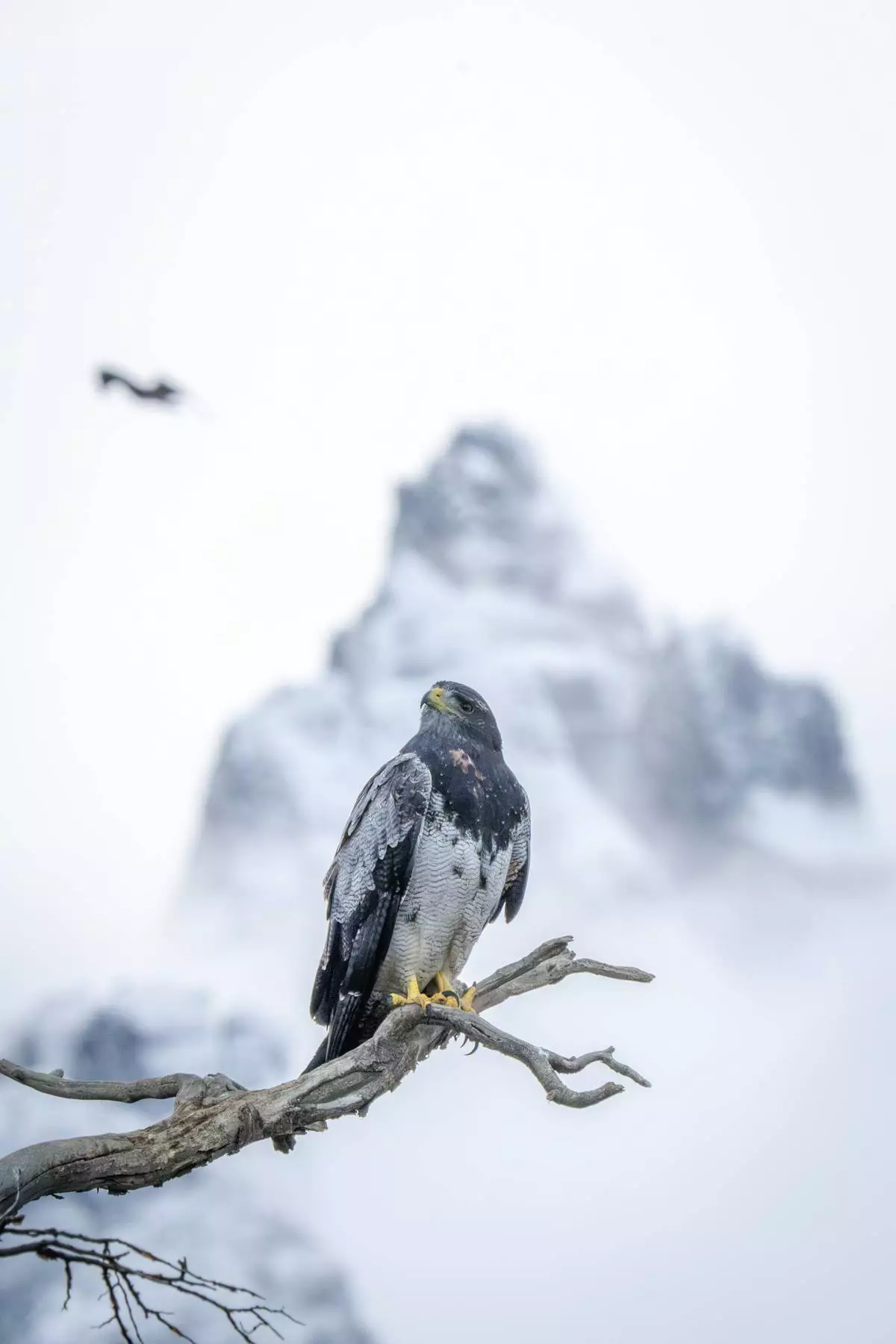
An eagle sits on a branch in Ushuaia, Argentina, Thursday, May 14, 2026. (AP Photo/Joel Reyero)
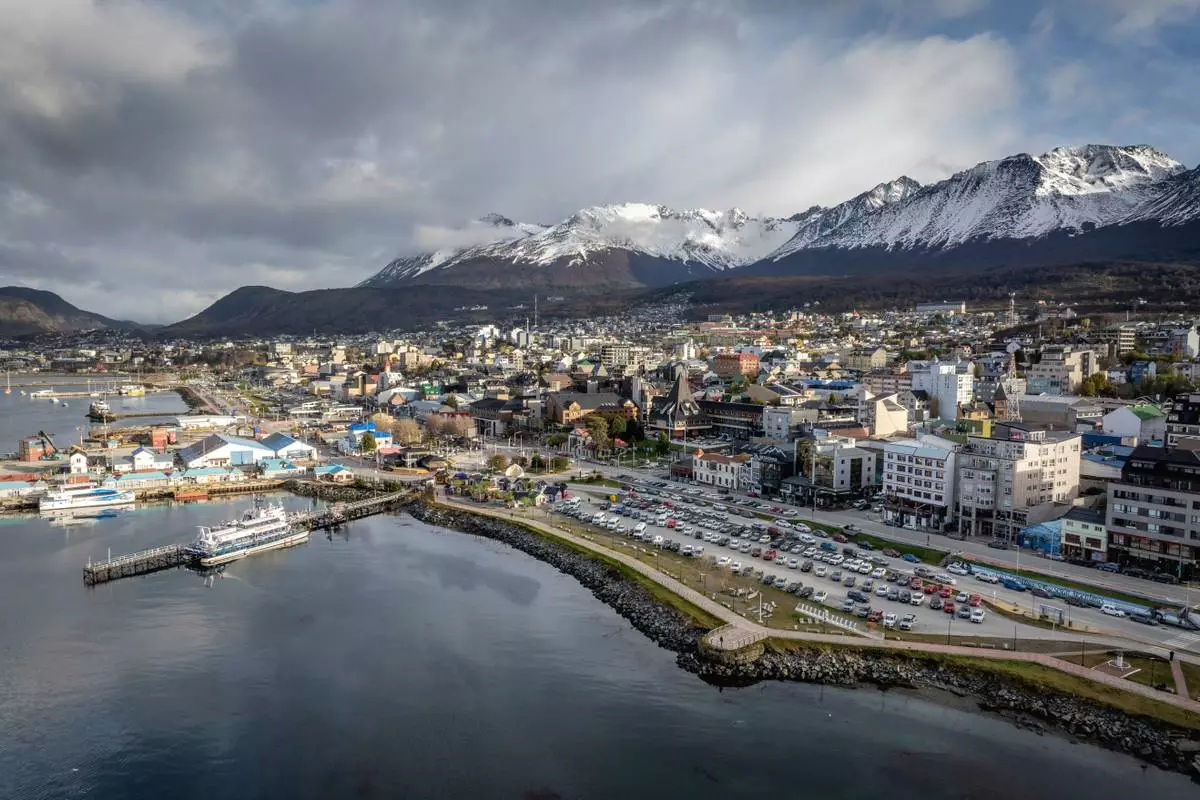
The sun shines down on Ushuaia, Argentina, Thursday, May 14, 2026. (AP Photo/Joel Reyero)