The Pac-12 and Mountain West conferences have reached an agreement in principle to resolve pending lawsuits over “poaching” and exit fees.
The conferences issued a joint statement along with five schools on Monday saying the parties agreed to stay lawsuits in California and Colorado while they “work to negotiate and finalize the settlement.”
Boise State, Utah State, Colorado State, San Diego State and Fresno State joined the conferences in the statement.
The settlement agreement comes a day before a discovery hearing in the case was set to take place in U.S. District Court for the Northern District of California.
The Pac-12 and some of the schools joining the conference filed a lawsuit in California in 2024, claiming the poaching clause the league agreed to when it signed a scheduling agreement for its football teams was invalid. The clause called for payments to the Mountain West of $10 million for the first team that left, with the amount increasing by $500,000 for every additional team — to a total of $55 million.
The scheduling agreement with the Mountain West allowed Oregon State and Washington State to piece together football schedules after 10 schools left the Pac-12 in 2024, leaving the conference's future in doubt.
The Pac-12 had its motion to dismiss denied by Judge Claudia Wilken in November after the sides failed to reach an agreement in mediation last summer.
Colorado State and Utah State filed a separate lawsuit — later joined by Boise State — against the Mountain West seeking to avoid exit fees ranging from $19 million to $38 million.
Colorado State, Utah State, San Diego State, Fresno State and Boise State are set to leave the Mountain West and join the Pac-12 this fall. The conference added Texas State in June to reach the eight-team minimum to be eligible for an automatic bid for its champion in the College Football Playoff.
Gonzaga also is leaving the West Coast Conference to join the Pac-12 as a non-football member this fall.
The Mountain West has added UTEP, Hawaii and Northern Illinois for football starting this fall.
Get poll alerts and updates on the AP Top 25 throughout the season. Sign up here and here (AP News mobile app). AP college football: https://apnews.com/hub/ap-top-25-college-football-poll and https://apnews.com/hub/college-football
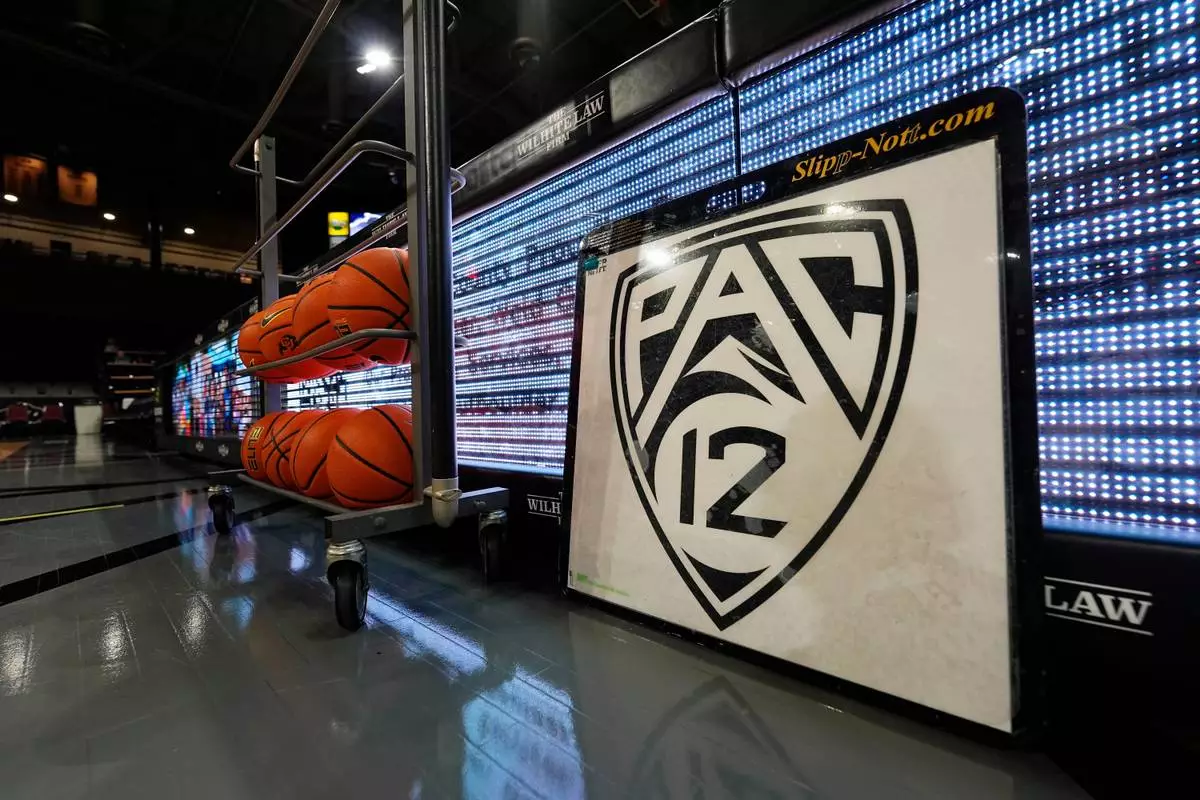
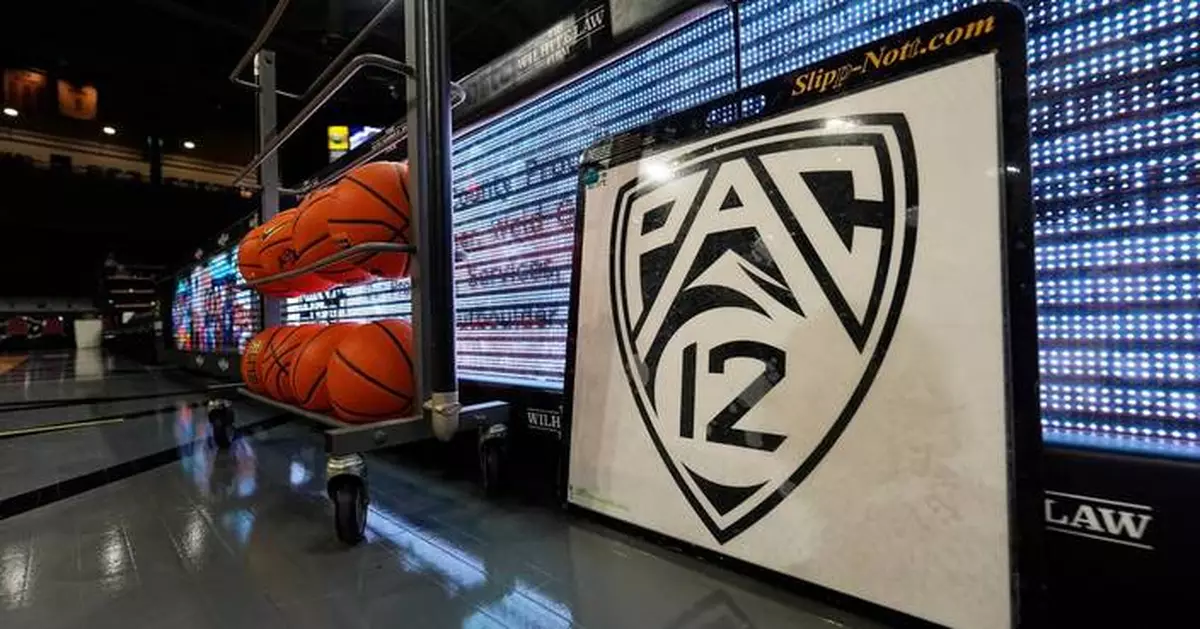
FILE - The PAC-12 logo is displayed, March 3, 2024, in Boulder, Colo. (AP Photo/David Zalubowski, File)
WASHINGTON (AP) — The Supreme Court acted in a Voting Rights Act case brought by Native American tribes on Monday, saying a closely watched ruling needs to be reconsidered after a high court ruling that weakened the Civil Rights-era law.
The justices ordered lower courts to take another look at the lower-court decision that went against the tribes and undercut a key enforcement mechanism: lawsuits from voters and advocacy groups.
Those groups have been key to enforcing the law, bringing most of the lawsuits filed under the provision of the Voting Rights Act known as Section 2.
But in a North Dakota case brought by two Native American tribes, the 8th U.S. Circuit Court of Appeals ruled that only the federal government can sue to enforce the law.
The decision conflicted with decades of case law. The Supreme Court blocked it in July, allowing the tribes’ preferred maps to temporarily stay in place.
An attorney for the Native American Rights Fund, Lenny Powell, said tossing out the appeals court ruling was the right call. He vowed to “keep fighting to ensure that Native voters have the ability to vote and effect change in their communities."
The appeals court’s finding has nevertheless been cited elsewhere, with Mississippi making a similar argument in another appeal over its state legislative map. The court also sent that case back for reconsideration on Monday.
That decision jeopardizes three new majority-Black state legislative districts, though the effects likely won't be felt until 2027, said Damon Hewitt, president and executive director of the Lawyers’ Committee for Civil Rights Under Law.
Justice Ketanji Brown Jackson dissented from both decisions, saying she would have left the Mississippi ruling in place and fully reversed the decision in the North Dakota case.
The conservative majority, meanwhile, has already diluted enforcement power with their April decision that struck down a majority Black congressional district in Louisiana and made future cases much harder to win.
In that case, the high court’s conservative majority ruled that map relied too heavily on race with a district aimed at giving Black voters a chance to elect a candidate of their choice. The decision effectively limited Voting Rights claims to maps that are intentionally designed to discriminate, a very high standard.
Associated Press writers Gary Fields and Jack Dura in Bismarck, North Dakota, contributed to this report.
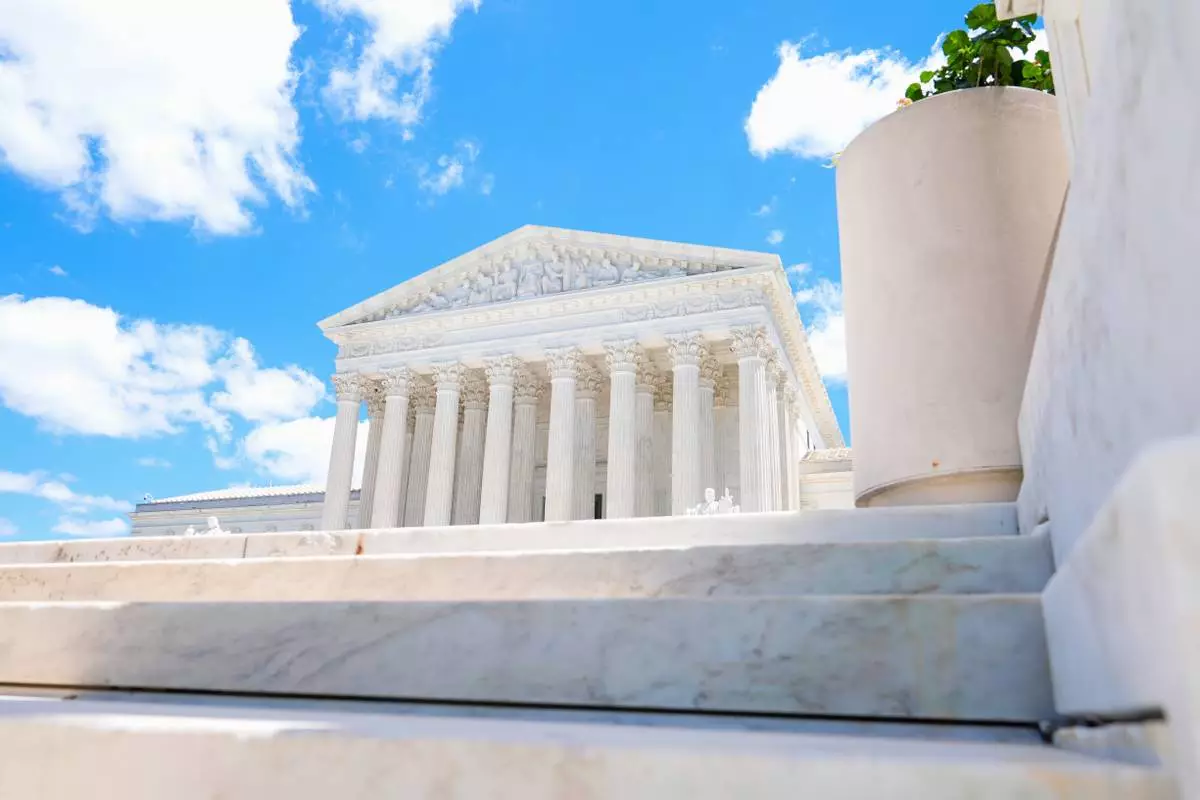
The U.S. Supreme Court is seen Friday, May 15, 2026, in Washington. (AP Photo/Mariam Zuhaib)